
The Ultimate Guide to Lean International SEO: Expanding Globally on a Shoestring Budget
Expanding your business across borders is one of the most exciting milestones for any growing company. But when you start looking into the mechanics of reaching a global audience organically, the sheer cost and complexity can be paralyzing. You are suddenly faced with expensive translation agencies, complex website architecture overhauls, and the daunting task of building authority in foreign markets from scratch.
It is easy to assume that playing the global search engine optimization game is reserved for enterprise giants with bottomless marketing budgets. However, that is a myth. Mastering SEO international strategies does not require a massive financial outlay or an army of developers. By making smart, resource-efficient decisions, prioritizing ruthlessly, and leveraging modern workflows, you can capture international search traffic on a shoestring budget.
In this comprehensive 3,000-word guide, we are going to break down exactly how to do international SEO with minimal resources and optimized costs. Whether you are a bootstrapped startup in London looking to capture the US market, or an American e-commerce store eyeing expansion into Australia and Canada, this framework is designed to give you maximum organic visibility with minimum financial strain.
What is International SEO? (And Why It Doesn't Have to Break the Bank)
International SEO is the process of optimizing your website so that search engines can easily identify which countries you want to target and which languages you use for business. At its core, it is about serving the right content, in the right language, to the right user based on their geographical location.
Traditionally, the playbook for global SEO looked something like this:
- Buy expensive Country Code Top-Level Domains (ccTLDs) like .co.uk, .de, or .fr.
- Hire expensive development teams to build entirely separate websites.
- Pay premium translation agencies for manual translation of every single page.
- Hire local PR agencies in every target country for link building.
This approach is highly effective, but it is also incredibly resource-intensive. For small to mid-sized businesses, it is financially unviable.
The lean approach to international SEO flips this script. It focuses on consolidating website authority, utilizing scalable site structures, leveraging AI-assisted localization with human oversight, and targeting "low-hanging fruit" markets first.
Phase 1: Strategic Market Selection (The 80/20 Rule)
The most common mistake businesses make when implementing an SEO international strategy is trying to conquer the whole world at once. If you are operating on a lean budget, you cannot afford to spread your resources across ten different countries and five different languages simultaneously. You need to apply the Pareto Principle (the 80/20 rule) to your market selection.
1. Target "Same-Language" Markets First
If you are reading this, you are likely operating in English. The absolute cheapest and easiest way to expand internationally is to target other English-speaking countries. If your primary market is the United States, your first targets should be the United Kingdom, Canada, Australia, and New Zealand.
Why? Because you eliminate the highest cost associated with global SEO: translation.
While you still need to localize the content (changing US spelling to UK spelling, updating currency from USD to GBP, adjusting cultural references), the cost of localizing English-to-English is a fraction of the cost of translating English-to-German or English-to-Japanese.
2. Analyze Your Existing Global Footprint
Before you spend a dime, look at the data you already own. Open Google Analytics 4 (GA4) and Google Search Console (GSC) and check your geographical reports.
- In GA4: Go to Reports > User > Demographic details and sort by Country.
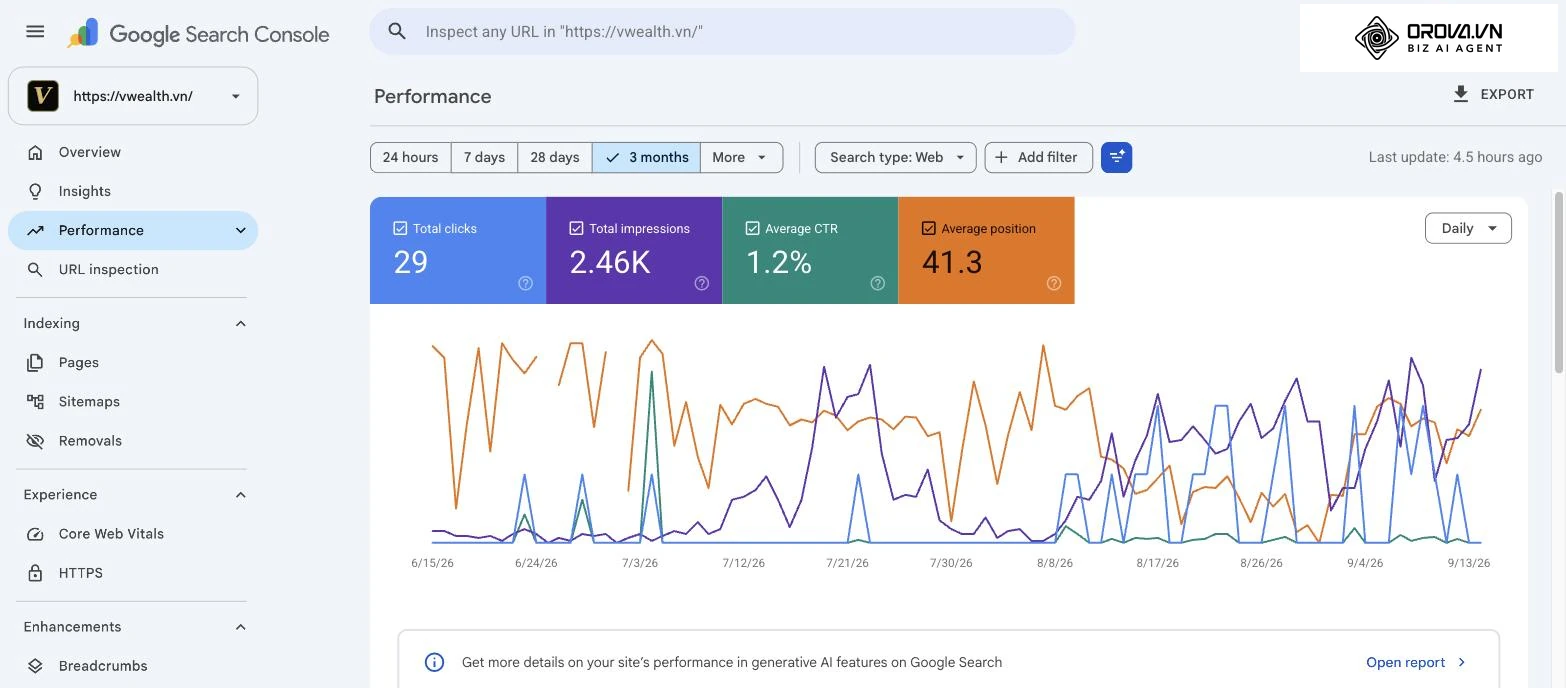
- In GSC: Go to Search Results, click the Countries tab, and see where your impressions and clicks are currently coming from.
You might be surprised to find that you already have a growing user base in India, South Africa, or Ireland. Expanding into a market where Google already trusts your site to serve users is infinitely easier and cheaper than starting from absolute zero in a brand-new territory.
3. Evaluate the Competitive Landscape
Once you have a shortlist of potential countries, evaluate the SEO difficulty. You might want to expand into the US market, but the US is notoriously competitive. Conversely, you might find that search volume for your primary keywords is decent in Canada or Australia, but the keyword difficulty (KD) is significantly lower.
Use tools like Ahrefs, Semrush, or Moz to check the SERP (Search Engine Results Page) for your target keywords in specific countries. Look for markets that offer a sweet spot: high enough search volume to justify the effort, but low enough competition that your current domain authority can realistically compete.
Phase 2: The Most Cost-Effective Site Architecture
When it comes to technical SEO for international markets, your URL structure is the foundation. There are three primary ways to structure an international website, but only one of them makes sense for a business optimizing for low costs and high efficiency.
The Ultimate Guide to the Best SEO Tools: Complete Free and Paid Tech Stack
1. Country Code Top-Level Domains (ccTLDs) - Avoid on a Budget
Examples: yourbrand.co.uk, yourbrand.de, yourbrand.fr
The Pros: This is the strongest signal you can send to Google and local users that your site is dedicated to a specific country.
The Cons (Why to avoid): It is incredibly expensive and resource-intensive. Every time you buy a ccTLD, you are starting with a Domain Authority of zero. You have to build links, trust, and authority for every single domain from scratch. Furthermore, managing multiple domains requires significantly more IT and maintenance resources.
2. Subdomains - Not Recommended
Examples: uk.yourbrand.com, de.yourbrand.com
The Pros: Easier to set up than ccTLDs and technically separates your international content.
The Cons: Search engines often treat subdomains as entirely separate websites. While some link equity (authority) flows from your root domain to your subdomains, it is inconsistent. You are still diluting your SEO efforts.
3. Subdirectories (Subfolders) - The Ultimate Budget-Friendly Choice
Examples: yourbrand.com/uk/, yourbrand.com/de/
The Pros: Subdirectories are the undisputed champion of lean international SEO. By housing all your international content on a single root domain (e.g., a .com), all the backlinks, trust, and authority you have built globally benefit every single regional folder. If your US homepage gets a backlink from the New York Times, your /uk/ and /au/ folders indirectly benefit from that domain-wide authority boost.
The Cons: It provides a slightly weaker local signal than a ccTLD, but this is easily mitigated using Hreflang tags and Google Search Console targeting.
Actionable Advice: If you are operating on a low budget, buy a generic Top-Level Domain (gTLD) like a .com, .net, or .org, and use subdirectories for your international expansion. It consolidates your SEO power and costs nothing extra in domain registration or separate hosting fees.
Phase 3: Technical SEO - Hreflang Tags Without the Headaches
If there is one technical hurdle that terrifies marketers when implementing an SEO international strategy, it is the hreflang tag.
What is Hreflang?
Hreflang is an HTML attribute that tells Google which language and region a specific page is intended for. It prevents duplicate content issues (e.g., if you have an identical page for the US and the UK) and ensures that the British user sees the page with prices in Pounds, while the American user sees the page with prices in Dollars.
A standard hreflang tag looks like this:
<link rel="alternate" hreflang="en-gb" href="https://yourbrand.com/uk/page/" />The Low-Resource Way to Implement Hreflang
Traditionally, developers place these tags in the <head> section of every single HTML page. If you have a small site, this is fine. If you have an e-commerce site with 10,000 products, hardcoding these into the header is a massive drain on developer resources and highly prone to critical errors.
The Lean Solution: XML Sitemap Hreflang Implementation
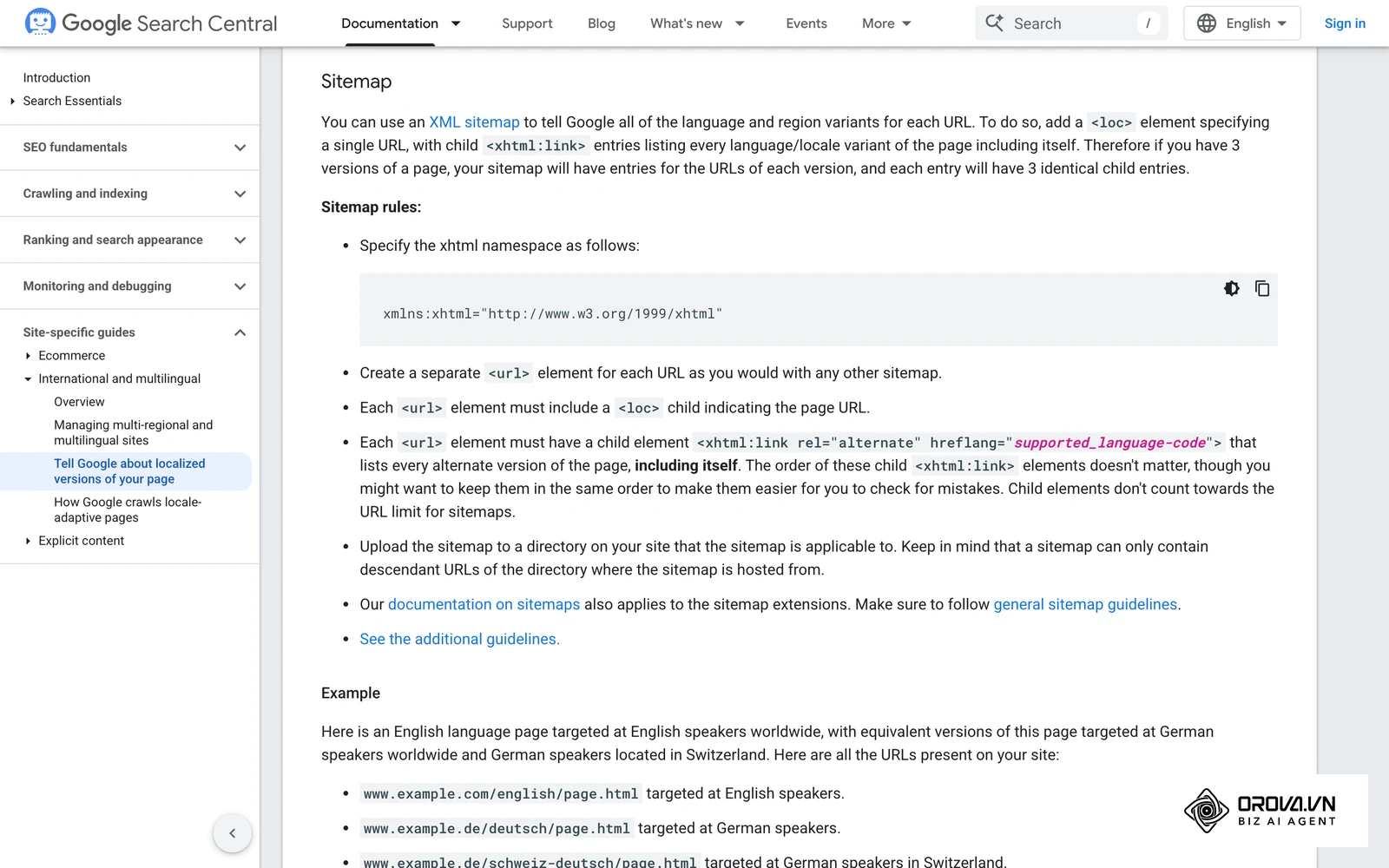
Instead of cluttering your page code and begging your development team for hours of implementation, you can manage your hreflang tags entirely within your XML sitemap.
By injecting the hreflang attributes into the sitemap, you achieve the exact same SEO benefit without touching the frontend code. This is much easier for an SEO manager to maintain and update using automated scripts or dynamic sitemap generation tools provided by CMS platforms like WordPress, Shopify, or Webflow.
Essential Hreflang Best Practices to Save Time:
- Always include a self-referencing tag: A page must point to itself as well as its alternate versions.
- Always use the x-default tag: This tells Google which page to show if a user’s country/language doesn't match any of your specific tags. Usually, this is your global homepage or primary US/English page.
- Double-check your country codes: Hreflang uses ISO 639-1 format for languages and ISO 3166-1 Alpha 2 format for countries. A common mistake is using en-uk for the United Kingdom. The correct code is en-gb. Mistakes like this will invalidate your setup and waste your efforts.
Discover Orova.vn – a Biz AI Agent platform with OROVA SEO, a complete solution for every website. The system supports search engine optimization from A to Z with features including keyword research, writing new SEO-ready articles, optimizing existing content, rank tracking, plus competitor analysis and in-depth technical analysis. Sign up today to experience OROVA SEO completely free (offer valid through July 7, 2027).
Phase 4: Content Localization on a Budget (The AI + Human Workflow)
Content is the lifeblood of SEO. But if you are expanding into three new countries, does that mean you have to write three times the amount of content? No. It means you need to localize smartly.
1. English-to-English Localization (The Easy Win)
If you are expanding from the US to the UK, Australia, or Canada, you do not need a translator. You need a localization editor.
Search engines are incredibly smart at detecting regional nuances. If you want to rank in the UK, your content needs to look and feel British.
- Spelling: Change "Color" to "Colour", "Optimize" to "Optimise", "Center" to "Centre".
- Vocabulary: Change "Pants" to "Trousers", "Vacation" to "Holiday", "Trunk" (of a car) to "Boot".
- Formatting: Update currencies ($ to £ or €) and date formats (MM/DD/YYYY to DD/MM/YYYY).
The Lean Hack: You can automate 90% of this using Large Language Models (LLMs) like ChatGPT, Claude, or Gemini.
Prompt Example: "Take this US English blog post and localize it for a UK audience. Update all spelling to British English, change references of US dollars to British Pounds (assuming a 1:1 conversion for this context), and ensure all colloquialisms are appropriate for an audience in London."
Once the AI does the heavy lifting, pay a native freelance editor on platforms like Upwork or Fiverr for a quick 1-hour review. This costs a fraction of rewriting the content from scratch and perfectly optimizes the page for local search intent.
2. Transcreation Over Literal Translation (For Non-English Markets)
If you are expanding into a market with a different language (e.g., from English to Spanish for the Latin American market), avoid literal, word-for-word translation at all costs. Literal translation destroys SEO because people in different countries search for things differently.
For example, in the US, people might search for "affordable auto insurance." A literal translation into Spanish might not be the exact phrase native speakers in Mexico type into Google. They might search for something closer to "cheap car insurance" in their local dialect.
The Lean Workflow for Foreign Languages:
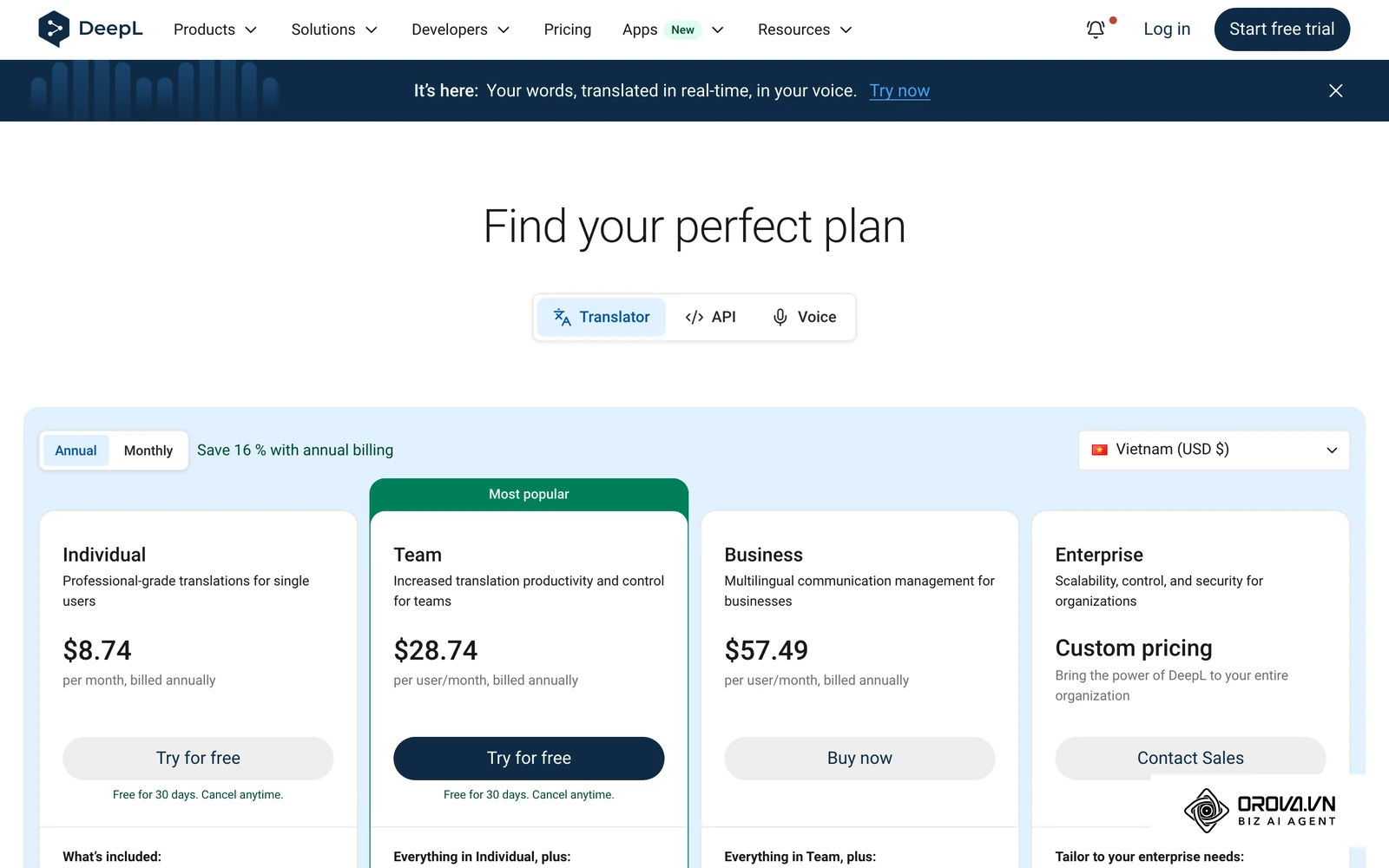
- AI Translation: Run your core pages through a high-quality AI translator (DeepL is highly recommended for this, as it handles nuance better than standard Google Translate).
- Local Keyword Research: Use your SEO tools to find out what the actual high-volume keywords are in that specific country.
- Human Transcreation: Hire a native freelance SEO copywriter. Give them the AI-translated text and your list of target local keywords. Ask them to "transcreate" the text—meaning they rewrite it to sound natural while naturally weaving in the exact local keywords.
This AI + Freelance hybrid model reduces localization costs by up to 70% compared to traditional agency rates, while yielding far superior SEO results.
Phase 5: Bootstrapped International Link Building
You have the right market, the right site structure, and the right content. Now, you need authority. Link building is notoriously the hardest part of SEO, and doing it globally can seem impossible on a tight budget.
If you are using the subdirectory method (/uk/, /au/), the good news is that every link pointing to your root domain helps your international folders. However, acquiring local links (e.g., a .co.uk site linking to your /uk/ folder) sends a massive relevance signal to Google.
Here is how to get those local links without hiring an expensive global PR firm.
The Ultimate Guide to the Best Keyword Research Tools for SEO Dominance
1. The "Global Data" Digital PR Strategy
Data-driven content is the ultimate link bait. The most cost-effective way to build links internationally is to create one comprehensive, data-rich study that includes statistics for multiple countries.
Example: Let's say you are a B2B SaaS company selling HR software. You run a survey (using an affordable tool like Google Surveys or Typeform) asking 1,000 employees how they feel about remote work. Make sure you survey 250 people in the US, 250 in the UK, 250 in Canada, and 250 in Australia.
You then publish a single "Global Remote Work Report" on your site.
When you do outreach, you pitch the specific local data to local journalists.
- You pitch US journalists: "New study shows 40% of Americans hate returning to the office."
- You pitch UK journalists: "New study reveals Londoners are the most likely to demand remote work."
You create one asset, but you personalize the outreach to build local links across multiple countries simultaneously.
2. Leverage Existing Global Partnerships
If you use international suppliers, software vendors, or distributors, you already have an international network. Reach out to the software tools you use and offer to provide a localized case study or testimonial for their website in exchange for a backlink to your regional subdirectory.
3. The Unlinked Brand Mention Strategy
If you have a brand that operates globally, there is a high chance international blogs, news sites, or directories have mentioned your brand without linking to you.
Use tools like Google Alerts or Mention.com (which have free/cheap tiers) to monitor your brand name in your target countries. When a UK blog mentions your brand, reach out and politely ask: "Thank you for mentioning us! Would you mind adding a link to our dedicated UK page so your readers can find pricing in GBP?"
This is incredibly effective because the site already likes you enough to write about you.
Phase 6: Essential Low-Cost Tools for Global SEO
You do not need to spend thousands of dollars a month on enterprise SEO platforms. Here is a lean tech stack that provides everything you need to execute an SEO international strategy.
1. Google Search Console (Free)
This is your holy grail. You can filter performance by country, monitor your XML sitemaps, and check for hreflang errors (under the Legacy tools section or through coverage reports).
2. Google Analytics 4 (Free)
Essential for tracking user behavior, bounce rates, and conversion metrics segmented by geography.
3. Ahrefs Webmaster Tools (Free tier available)
Ahrefs offers a free tier for site owners that allows you to crawl your own website. It is fantastic for catching technical errors, broken internal links, and hreflang tag mismatches across your international subdirectories.
4. DeepL Pro (Low Cost)
If you are venturing into non-English markets, DeepL is far superior to standard free translation tools. The pro version is highly affordable and will save you countless hours when generating the baseline translations for your human editors to polish.
5. SE Ranking or Mangools (Mid-Tier Pricing)
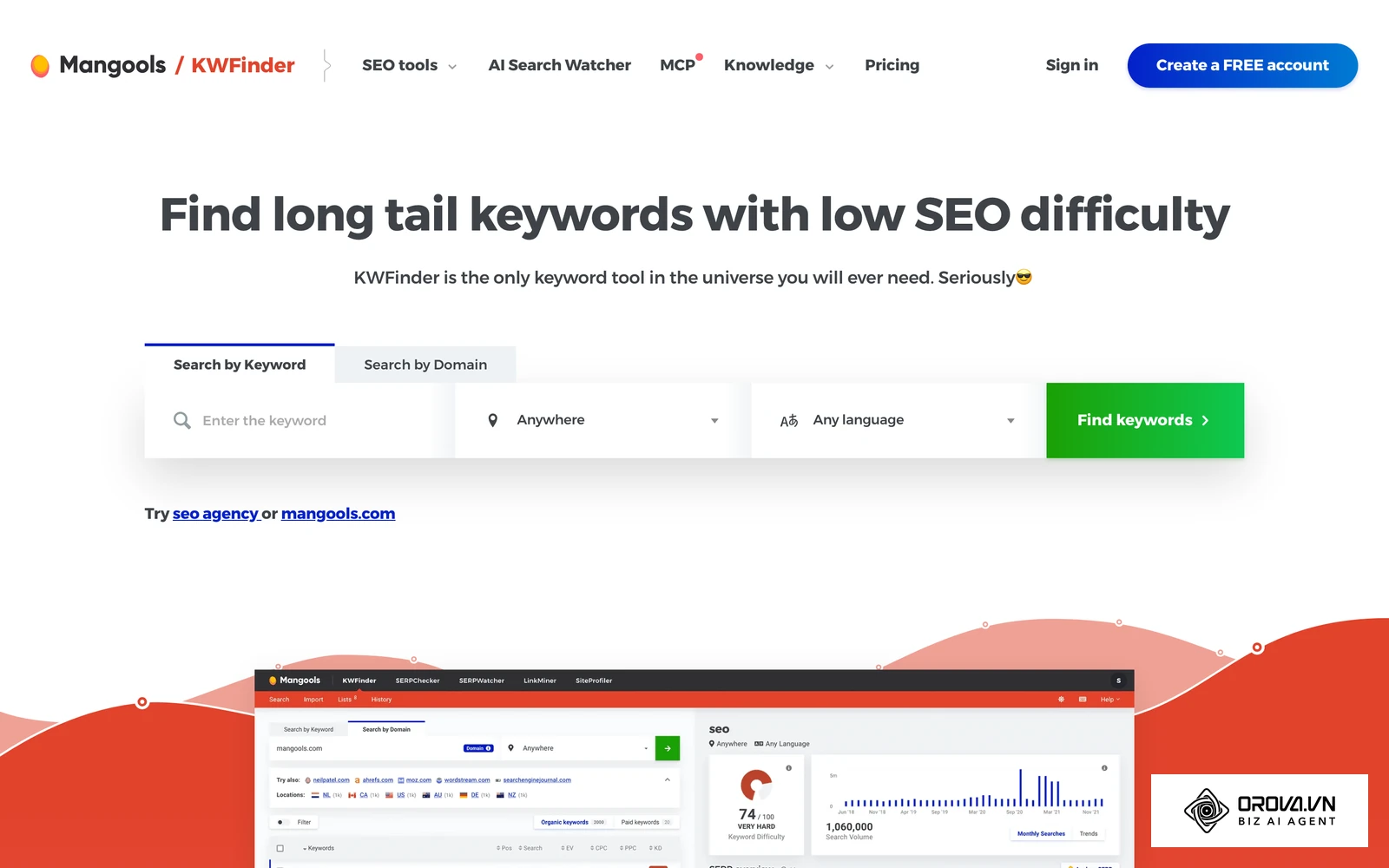
If Ahrefs or Semrush (which cost $100-$200+ per month) are too expensive, consider SE Ranking or the Mangools suite (KWFinder). They offer excellent, highly accurate local rank tracking and keyword research at a fraction of the cost of the enterprise tools.
With OROVA.VN and the OROVA SEO module, you put an end to the exhausting days of manual work for good. Instead of struggling for hours to write articles and compile reports, the entire process is now optimized and completed in just 5 minutes.
Case Study: How a B2B SaaS Nailed "SEO International" Expansion
To bring this all together, let’s look at a hypothetical (but highly realistic) case study of a bootstrapped US-based project management software company, "TaskFlow," looking to expand.
The Problem: TaskFlow had great organic traffic in the US, but they noticed 15% of their trial signups were coming from the UK and Australia. They wanted to aggressively target these markets but had no budget for a global marketing agency.
The Lean Execution:
- Architecture: Instead of buying taskflow.co.uk and taskflow.com.au, they created taskflow.com/uk/ and taskflow.com/au/.
- Content: They did not rewrite their massive 100-page blog. They prioritized their top 10 highest-converting landing pages. They used ChatGPT to adapt the US copy to UK and AU nuances (changing terminology like "vacation tracking" to "annual leave tracking"). They paid a freelancer $150 to review the copy.
- Technical: They used a WordPress plugin to generate a dynamic XML sitemap containing the correct hreflang tags, pointing the US, UK, and AU pages to each other.
- Link Building: They ran a cheap survey on "Productivity in the Commonwealth" and pitched the statistics to small business blogs in London and Sydney, asking for links back to their respective /uk/ and /au/ folders.
The Result: Within six months, organic traffic from the UK and Australia grew by 300%. Because they used subdirectories, the new links they acquired in the UK also boosted the overall domain authority, causing their US rankings to rise simultaneously. Total cost? Less than $1,000.
Common Pitfalls to Avoid on a Budget
Even when operating lean, there are a few mistakes that can end up costing you heavily in lost traffic or wasted time.
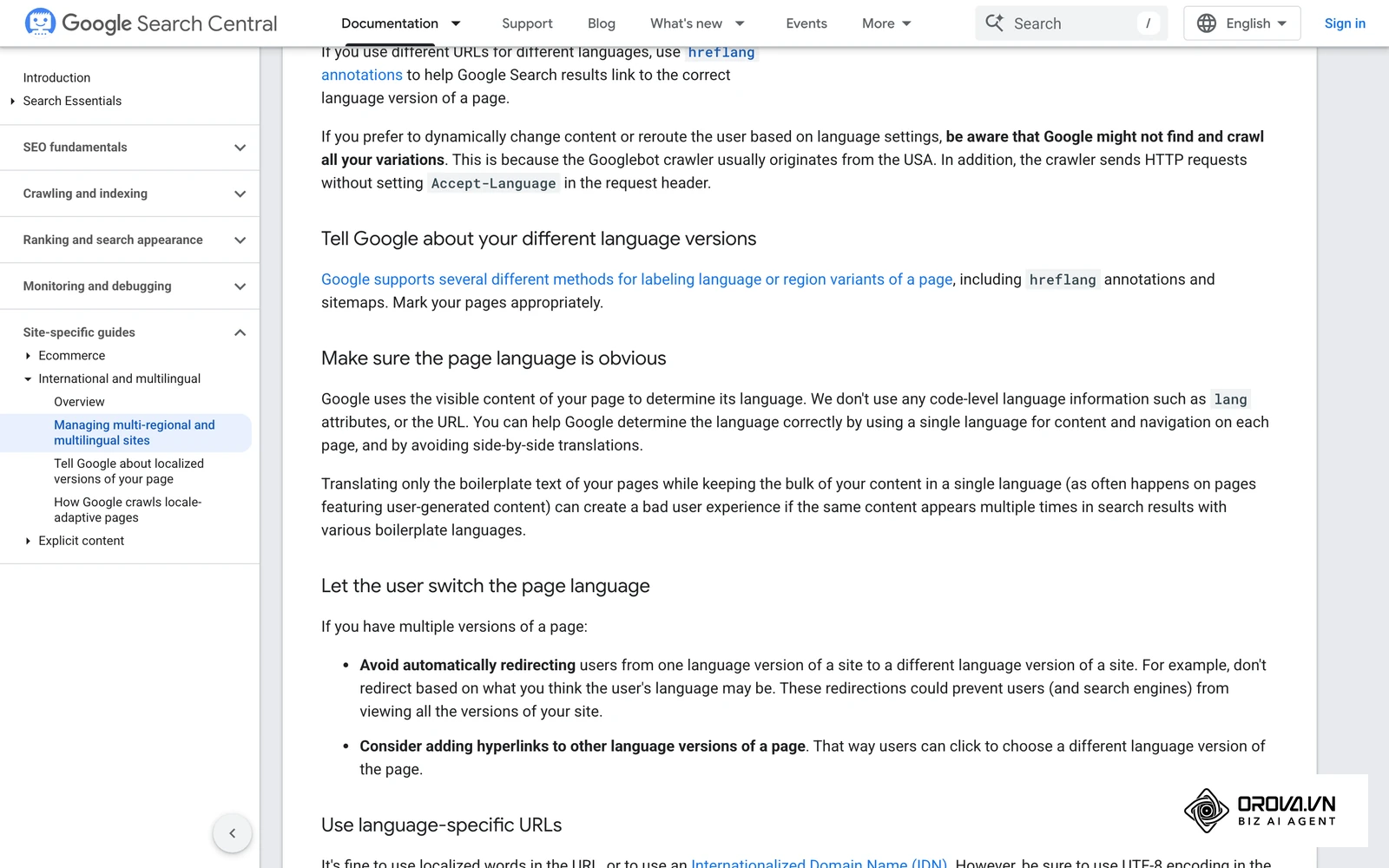
- Auto-Redirecting Based on IP Address: Never automatically force a user to a regional folder based on their IP address. Googlebot mostly crawls from the US. If you force-redirect all US IPs to the US folder, Googlebot will never be able to crawl your UK or German folders, and they will never index. Instead, use an unobtrusive pop-up or banner that says, "It looks like you are in the UK. Click here to go to our UK site."
- Ignoring Local Search Intent: Just because a keyword translates perfectly doesn't mean the intent is the same. In the US, searching for "football boots" yields zero commercial intent (Americans call them soccer cleats). Always verify the SERP in the target country before committing to a keyword.
- Forgetting Local Trust Signals: SEO isn't just about keywords; it's about trust. If your UK page lists a US phone number and a New York address, conversion rates will plummet, sending negative behavioral signals to Google. Use local phone numbers (via cheap VoIP services) and localized customer service hours.
Conclusion
Expanding your organic footprint across the globe does not require a bottomless marketing budget. By treating SEO international expansion as an exercise in strategic prioritization, you can achieve massive ROI.
The secret lies in rejecting the outdated, expensive models of separate domains and manual translations. Embrace the lean model: use a unified domain with subdirectories to consolidate your authority, target same-language markets to minimize localization costs, use AI to do the heavy lifting of translation and transcreation, and build links using globally relevant data.
International SEO is a marathon, not a sprint. Start with one new region. Set up your subdirectories, optimize your hreflang sitemaps, localize your highest-converting pages, and monitor the results. Once that first international market becomes profitable, use that revenue to fund the expansion into the next. With patience, smart architecture, and a lean mindset, the global market is entirely within your reach.
Frequently Asked Questions (FAQs)
Q: Do I really need a native speaker to review AI translations?
A: Yes. While AI is incredibly advanced, it often misses cultural nuances, local idioms, and specific brand tones. A native speaker ensures the content builds trust and doesn't read like a robotic translation, which is crucial for both SEO and conversion rates.
Q: Will duplicate content penalties hurt me if my US and UK sites are almost identical?
A: No, not if you use hreflang tags correctly. Hreflang specifically tells Google, "These pages are duplicate/similar on purpose because they serve different regions." Google will not penalize you; it will simply show the correct version to the correct user.
Q: How long does it take to see results from an international SEO expansion?
A: If you are using the subdirectory method on an already established, authoritative domain, you can see initial indexing and ranking within a few weeks. However, building enough localized relevance to compete for highly competitive terms usually takes 3 to 6 months of sustained effort.
Q: What is the most important ranking factor for international SEO?
A: Beyond standard on-page optimization, localized relevance is key. This means having the correct hreflang tags, local currency/formatting, and ideally, backlinks from websites based in that specific target country.
Q: Can I use a .com for my business in Germany, or do I need a .de?
A: You can absolutely use a .com. While a .de provides a strong initial local signal, a well-optimized yourdomain.com/de/ with German content, correct hreflang tags, and a few German backlinks can rank just as well and is much cheaper to scale globally.
Run your business with AI Agents
Orova is the always-on Biz AI Agent — it plans, runs, and optimizes the work for you.
Save time, unlock productivity.