
THE ULTIMATE GUIDE: HOLISTIC SEO PROCESS & STRATEGY – HOW TO RANK ON GOOGLE & AI SEARCH
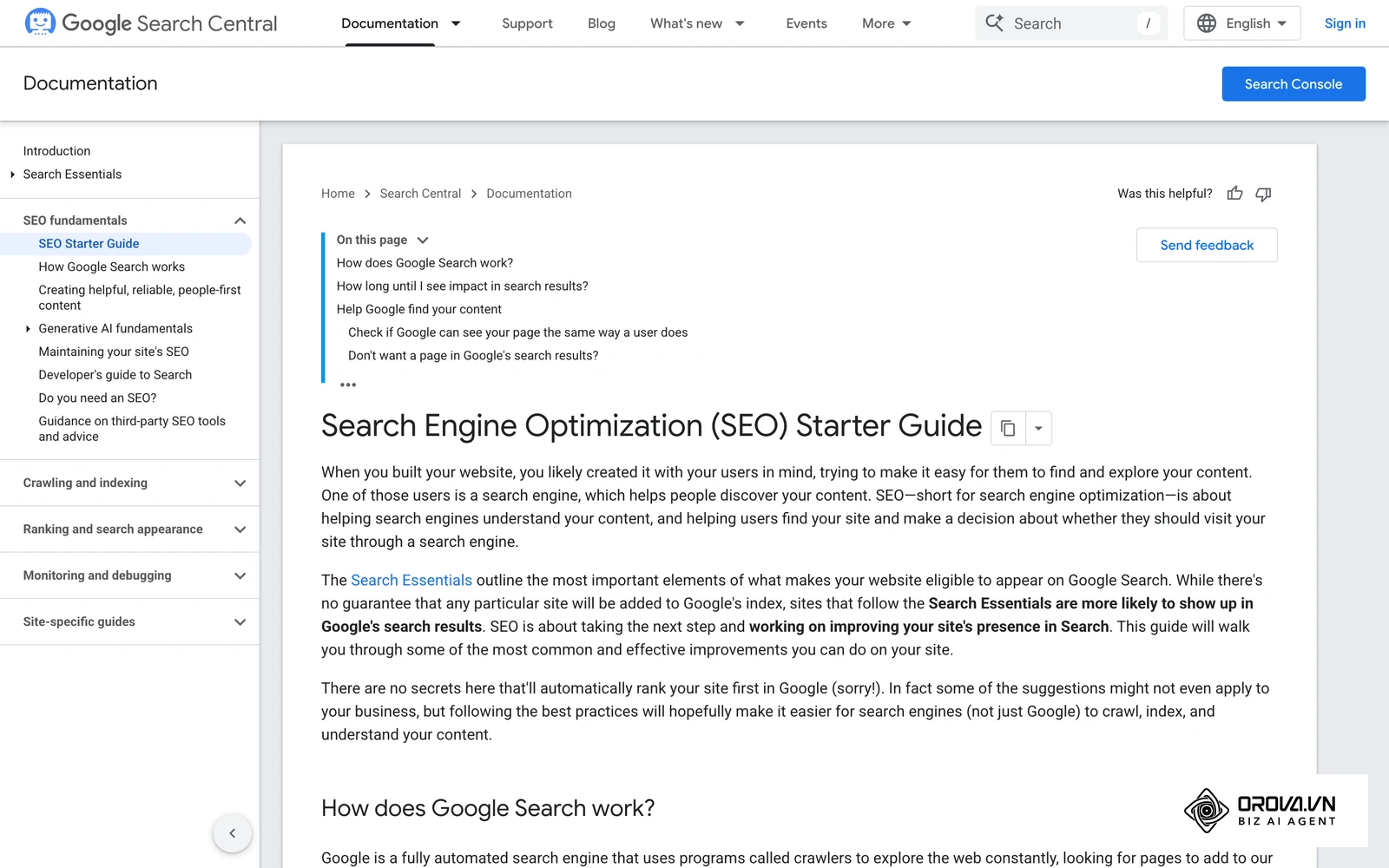
In today's digital landscape, where user search behaviors are increasingly complex and search engines continuously update their algorithms, ranking a few keywords is no longer a sustainable growth model. Businesses require a comprehensive SEO strategy that covers every touchpoint of the customer journey. The integration of Artificial Intelligence into search (such as Google SGE and ChatGPT Search) has fundamentally changed the game, demanding search engine optimization professionals to constantly evolve their mindset and operational workflows.
This guide provides an in-depth look at holistic SEO, covering its core definition, its critical importance, and a standard SEO process designed to rank your content at the top of both traditional Google SERPs and modern AI-driven search engines.
PART 1: THE NEW PARADIGM OF HOLISTIC SEO
1.1. What is Holistic SEO?
Holistic SEO is not simply about pushing a few high-volume, short-tail keywords to the first page. It is a comprehensive approach aimed at optimizing the entire website, improving content quality, enhancing user experience (UX), and building brand authority across the web.
The ultimate goal of holistic SEO is to drive highly qualified organic traffic from thousands of keywords that map to the entire customer journey—from initial problem awareness to the final purchasing decision.
1.2. The Shift from Traditional SEO to Generative Engine Optimization (GEO)
Modern search engines do more than just "read" keywords; they understand context (semantic search). With the rise of AI, Google no longer just displays a list of blue links; it synthesizes answers directly on the Search Engine Results Page (SERP).
To dominate in this era, your SEO strategy must bridge traditional optimization with GEO (Generative Engine Optimization). Your content must be exceptionally deep, factually accurate, and demonstrate a high level of expertise (E-E-A-T) for AI engines to trust and cite your website.
PART 2: THE STANDARD 6-STEP SEO PROCESS
A systematic SEO process is the compass that keeps you focused amidst technical tasks and content production. Here are the six essential steps for modern SEO operations:
Step 1: Research & Comprehensive Audit
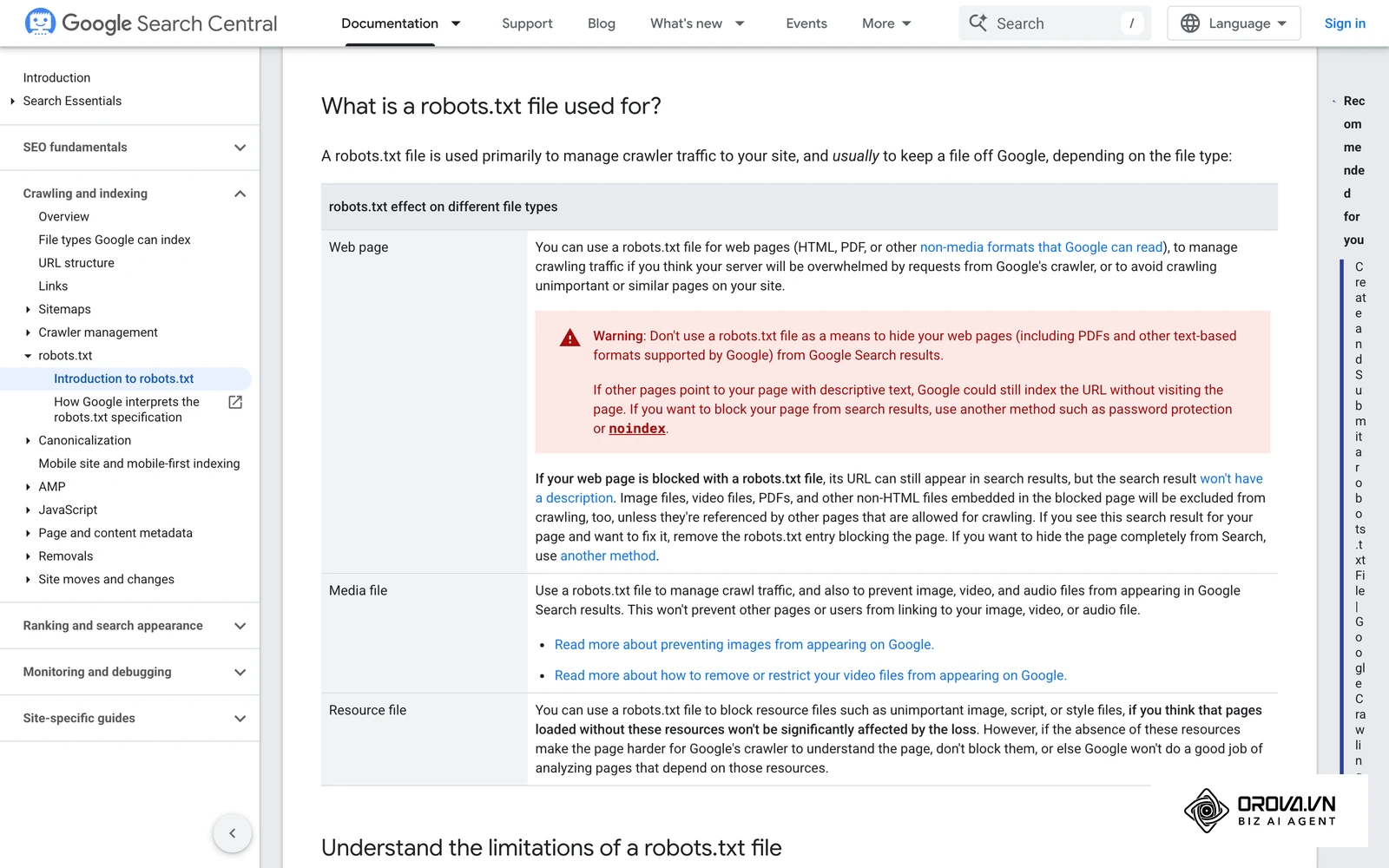
- Website Audit: Before initiating any SEO strategy, you must establish a baseline. Conduct a thorough Technical SEO audit (site speed, 404 errors, XML sitemaps, robots.txt, and mobile-friendliness).
- Keyword Research: Instead of isolating primary keywords, focus on building Topic Clusters. Categorize keywords strictly by Search Intent: Informational, Navigational, Commercial Investigation, and Transactional.
- Competitor Analysis: Identify your competitors' strengths, uncover keyword gaps, and reverse-engineer their high-performing content structures.
Step 2: Site Architecture & Content Planning
- Silo / Topic Cluster Structure: Organize your website around core thematic clusters. A comprehensive Pillar Page should interlink with multiple detailed sub-topics (Cluster Content) and vice versa. This structure allows Googlebot to easily crawl your site and establishes topical authority.
- Content Mapping: Based on your holistic keyword research, develop a meticulous Content Calendar that targets specific stages of the user funnel.
Step 3: On-Page Optimization
- Meta Tags: Craft compelling Title tags (incorporating the target keyword) and Meta Descriptions designed to maximize Click-Through Rate (CTR).
- Heading Structure (H1, H2, H3): Format articles with logical hierarchies. Keywords and LSI (Latent Semantic Indexing) terms should flow naturally within these tags.
- Image Optimization: Compress file sizes, use descriptive filenames (separated by hyphens), and provide accurate Alt text.
- Internal Linking: Strategically route "link juice" from high-authority pages to pages that need a ranking boost. Use diverse and contextually relevant anchor texts.
Step 4: Content Creation & AI Optimization (Writing for Humans & Machines)
Directly and concisely answer the user’s primary question at the very beginning of the article. This is a crucial tactic for capturing Featured Snippets or being cited in Google's AI Overviews.
Implement the inverted pyramid writing style: Deliver the most critical information first, followed by supporting details.
Step 5: Off-Page SEO & Entity Building
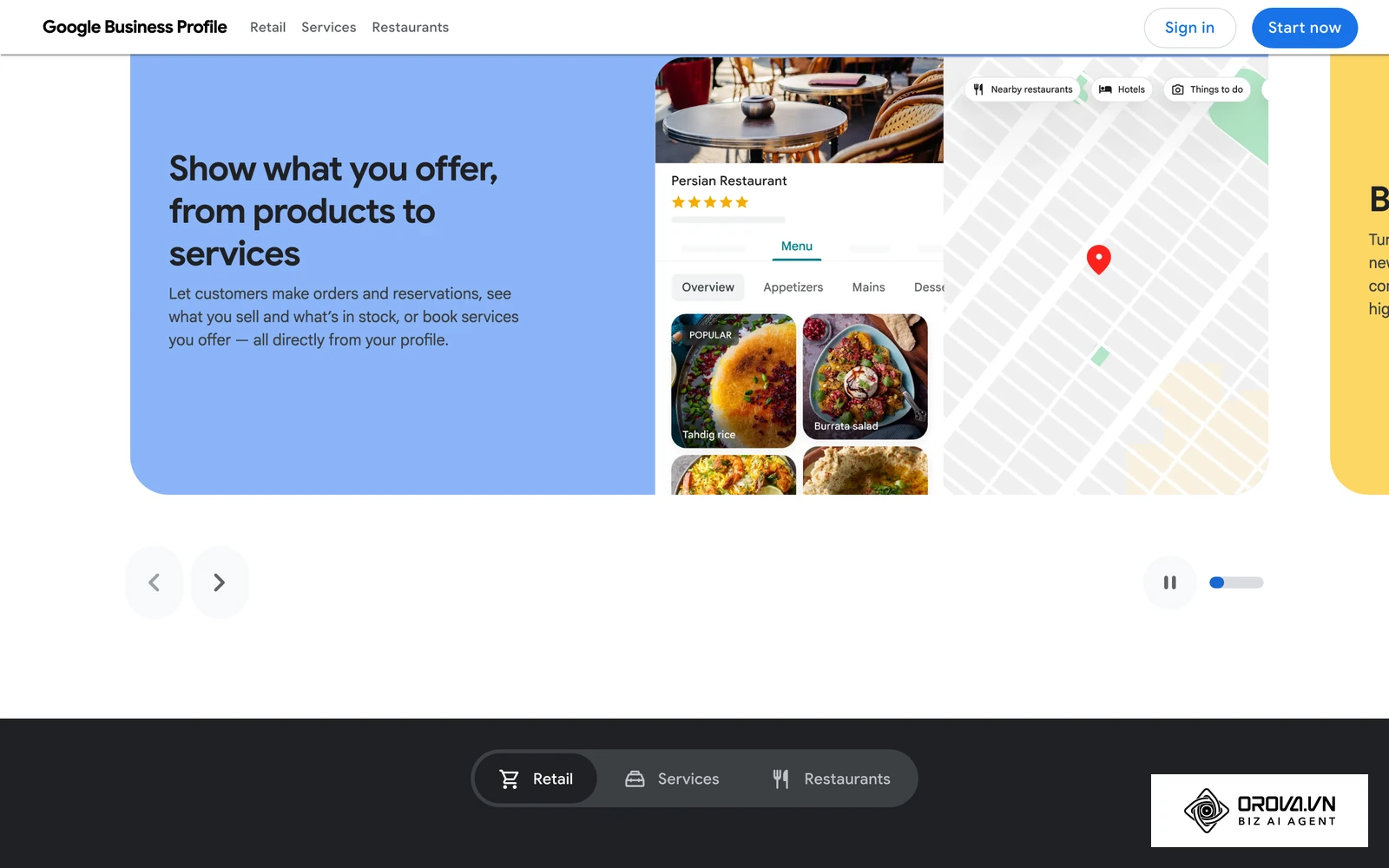
- Entity Building: Consistently claim and optimize your business information across social profiles and Google Business Profile. This validates your brand as a real, trustworthy entity in Google's Knowledge Graph.
- Link Building: Acquire high-quality backlinks from authoritative websites within your niche (via Digital PR, guest posting, or broken link building). Prioritize domain relevance and link quality over sheer volume.
Step 6: Measurement & Continuous Iteration
Utilize Google Analytics 4 (GA4) and Google Search Console (GSC) to monitor organic traffic, keyword rankings, and crawl anomalies.
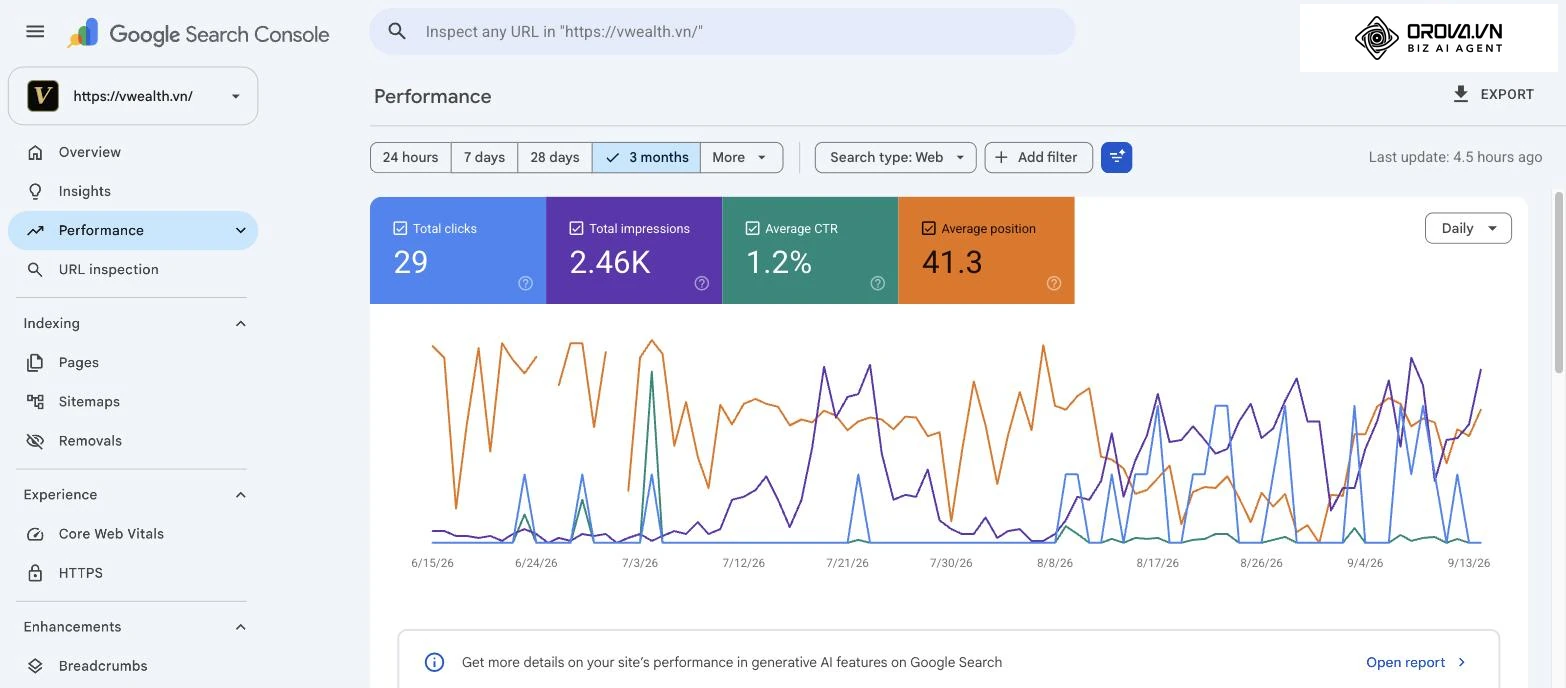
The SEO process is never truly finished. Regularly update decaying content (Content Decay Optimization) and add fresh insights to maintain your rankings.
Discover Orova.vn – a Biz AI Agent platform with OROVA SEO, a complete solution for every website. The system supports search engine optimization from A to Z with features including keyword research, writing new SEO-ready articles, optimizing existing content, rank tracking, plus competitor analysis and in-depth technical analysis. Sign up today to experience OROVA SEO completely free (offer valid through July 7, 2027).
PART 3: ADVANCED TACTICS – RANKING ON GOOGLE & AI SEARCH
To ensure your content remains competitive through continuous algorithm updates, SEO specialists must master the following advanced techniques:
3.1. Absolute Search Intent Fulfillment
If a user searches for "how to tie shoes," they want a step-by-step video or image guide, not a 2,000-word essay on the history of footwear. Failing to satisfy Search Intent results in a high Bounce Rate, prompting Google to demote your page rapidly.
3.2. Dominating E-E-A-T (Experience, Expertise, Authoritativeness, Trustworthiness)
Particularly for YMYL (Your Money or Your Life) topics, Google heavily scrutinizes:
- Experience: Does the content reflect first-hand, real-world experience with the product or service?
- Expertise: Who is the author? Establish clear Author bios linked to their professional social profiles (e.g., LinkedIn).
- Authoritativeness & Trust: Use credible outbound citations, ensure SSL security, and provide transparent contact information.
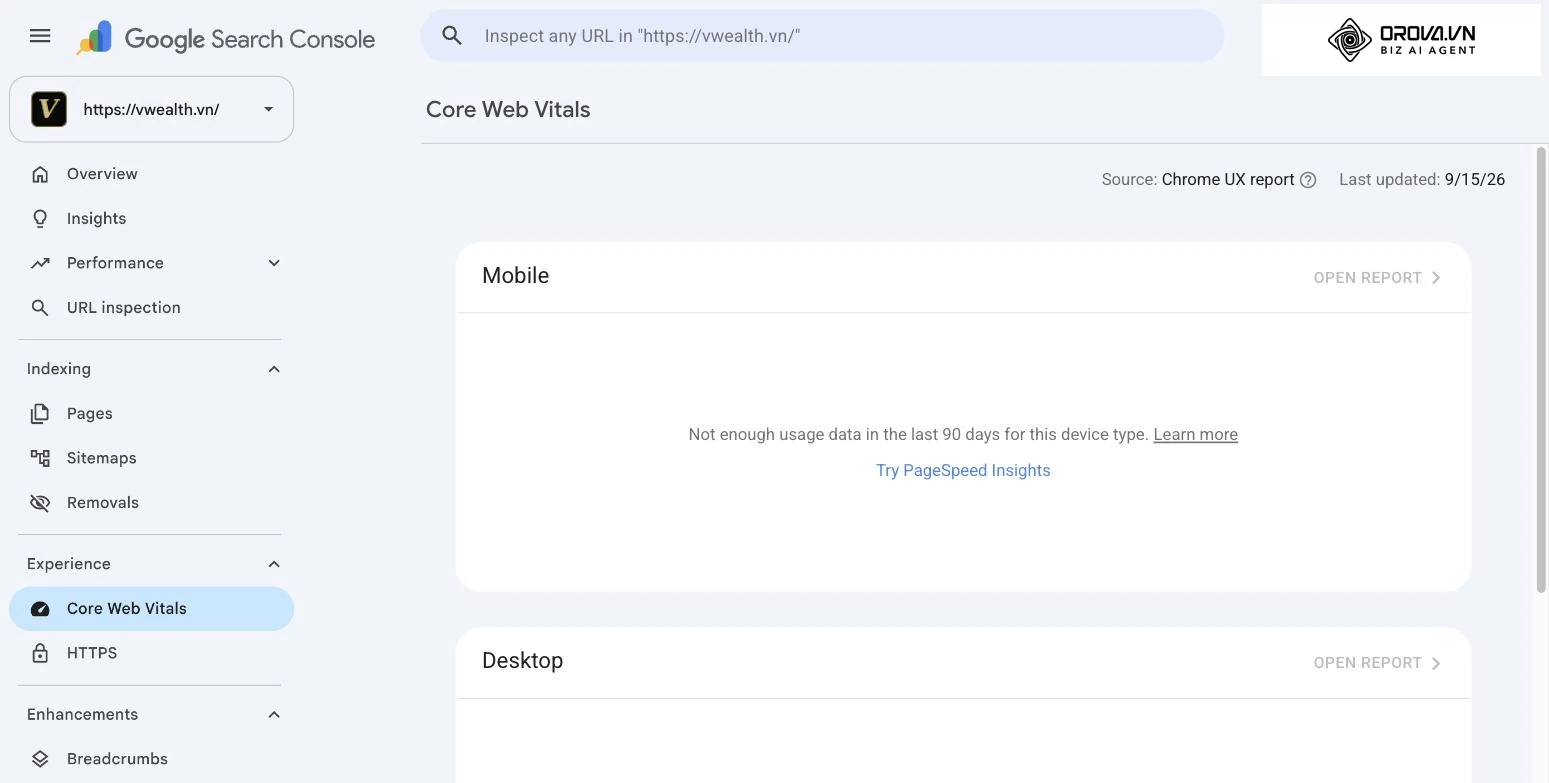
3.3. Core Web Vitals (Technical User Experience)
Google prioritizes page experience. You must optimize for:
- LCP (Largest Contentful Paint): Main content must load in under 2.5 seconds.
- INP (Interaction to Next Paint): Ensure near-instant responsiveness to user interactions.
- CLS (Cumulative Layout Shift): Prevent UI elements from shifting unexpectedly during load time.
3.4. AI Search Optimization Techniques (Google SGE / Perplexity / ChatGPT)
- Deploy FAQ Structures: AI models parse question-and-answer formats highly efficiently.
- Definitional Syntax: Use clear, declarative sentences structured as "[Concept] is [Definition]." (e.g., "Holistic SEO is a comprehensive approach..."). This allows Large Language Models (LLMs) to easily extract your text for summaries.
- Conversational Tone: Users interact with AI using natural, conversational language. Target long-tail keywords structured as complete, natural-sounding questions.
PART 4: TOPIC CLUSTER DEEP-DIVE FOR B2B SAAS
A modern SEO strategy requires grouping content rather than publishing disconnected posts. If you are marketing a B2B software solution, you might establish "AI CRM Systems" as your core pillar.
4.1. The Hub & Spoke Model
- Pillar Page (The Hub): A 3,000 to 5,000-word authoritative guide covering the entire subject (e.g., The Ultimate Guide to AI CRM for Enterprises: Definitions, Benefits, and Applications).
- Cluster Content (The Spokes): Supporting articles that target specific, long-tail niches and link directly back to the Pillar Page (e.g., How to Automate Sales Pipelines using Make.com and CRM APIs).
4.2. Internal Linking Rules within Clusters
- Every Spoke must link back to the Hub using an exact or partial match anchor text.
- Spokes within the same cluster should cross-link to one another when contextually relevant.
- Avoid linking out of a tightly themed cluster to a different Hub unless absolutely necessary, as it dilutes the topical authority of the cluster.
PART 5: ADVANCED TECHNICAL SEO & CRAWL BUDGET MANAGEMENT
For enterprise-level or content-heavy websites, the SEO process must guide Googlebot to crawl the site as efficiently as possible.
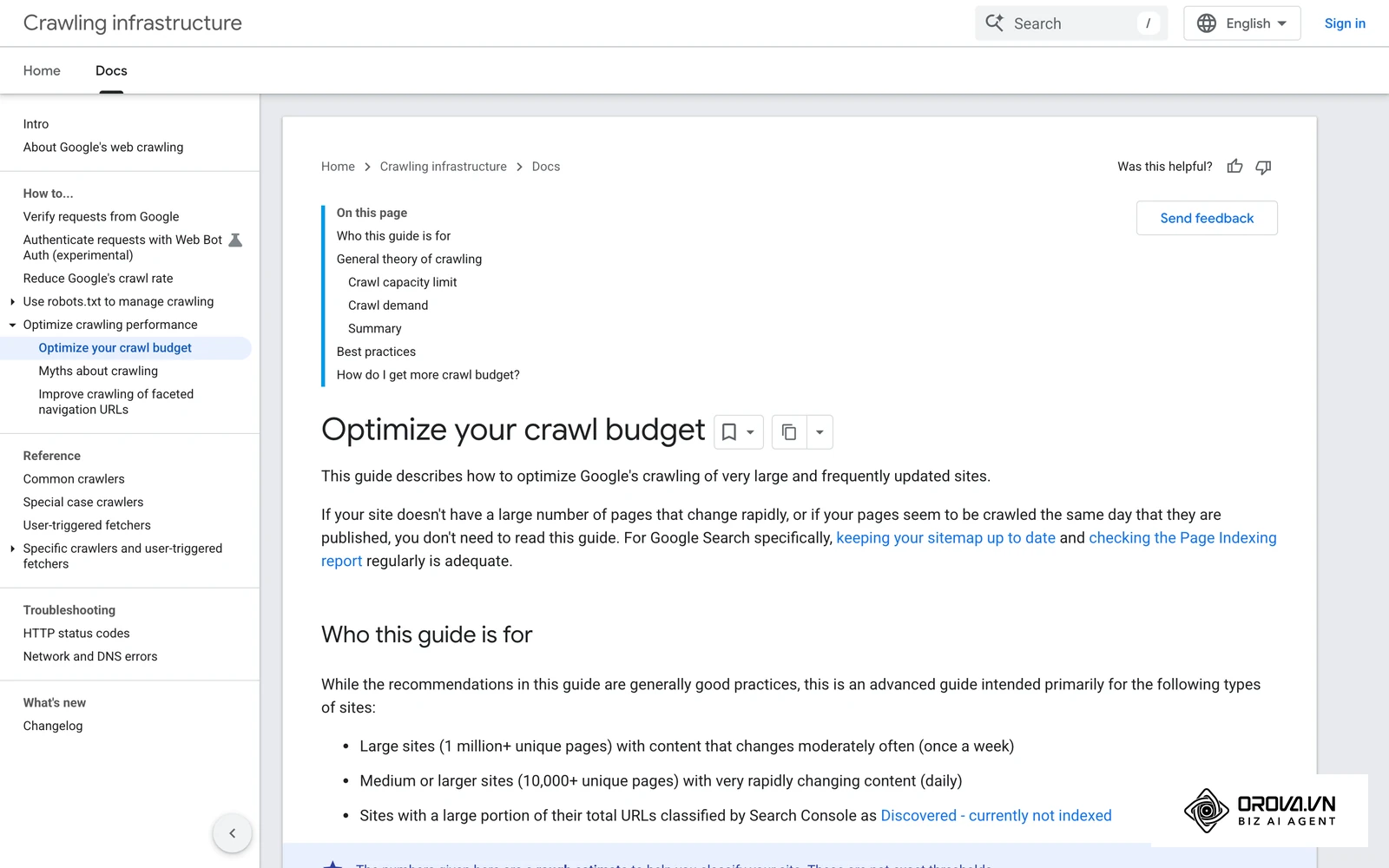
5.1. Crawl Budget Optimization
Crawl Budget is the number of URLs Googlebot can and wants to crawl on your site within a given timeframe.
- Block Dynamic URL Parameters: Use robots.txt or rel="canonical" tags to prevent search engines from crawling low-value filter or pagination pages.
- Fix Redirect Chains: Ensure any outdated URL 301-redirects directly to its final destination in a single hop, preventing Googlebot from dropping off during multiple redirect loops.
5.2. Advanced Schema Markup
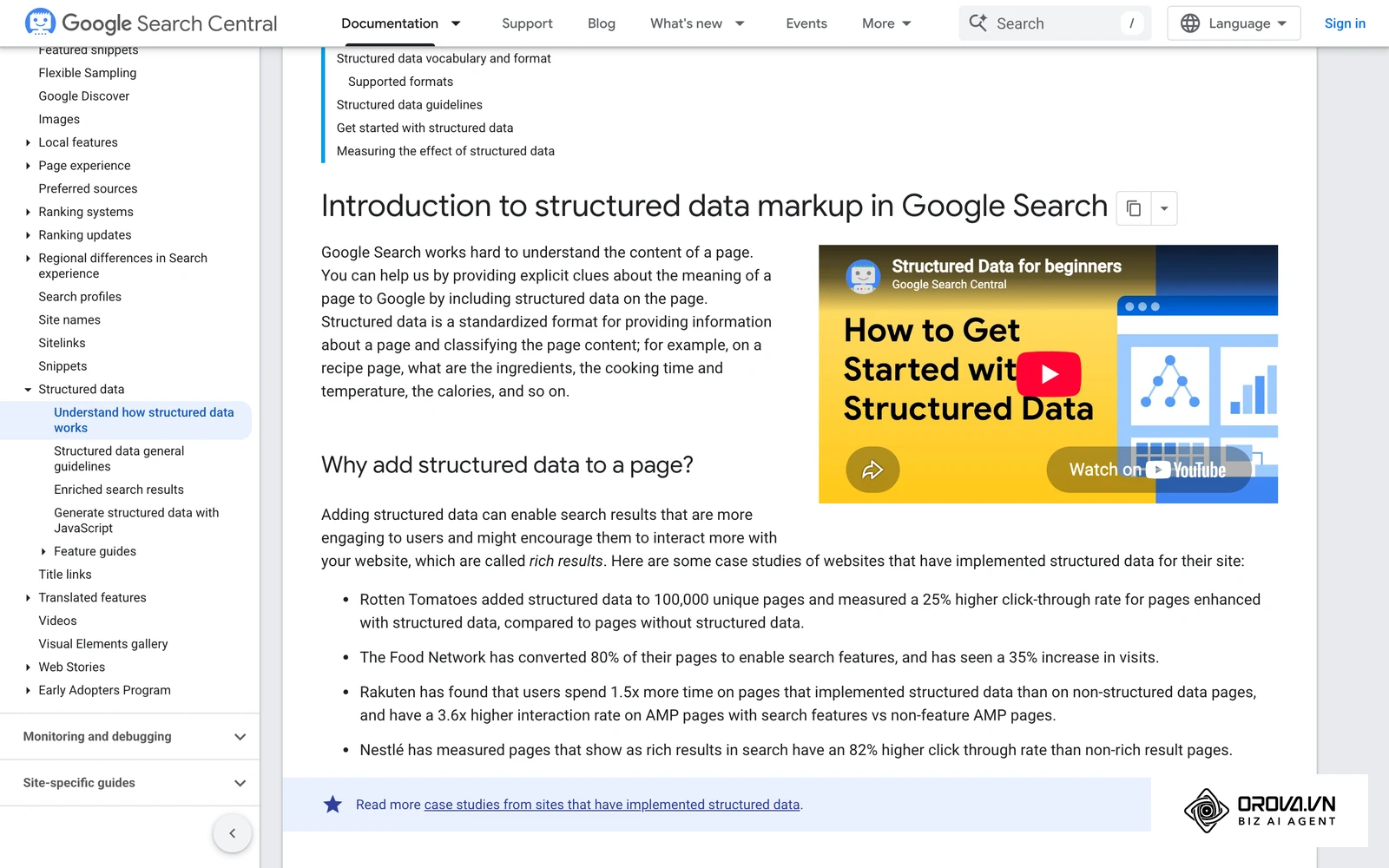
Structured data (JSON-LD) is the fastest way to communicate context to Google's AI.
- SoftwareApplication Schema: Crucial for SaaS platforms to display ratings, pricing, and software categories directly in the SERP.
- Organization Schema: Clearly define your legal entity, logo, social profiles, and founders to reinforce E-E-A-T signals.
- FAQPage Schema: Wrap your frequently asked questions in this schema at the bottom of articles. AI engines prioritize this structured data when generating instant answers.
With OROVA.VN and the OROVA SEO module, you put an end to the exhausting days of manual work for good. Instead of struggling for hours to write articles and compile reports, the entire process is now optimized and completed in just 5 minutes.
PART 6: SEO AUTOMATION WITH AI & AGENT SYSTEMS
Producing a high volume of top-tier SEO content is a significant bottleneck if done purely manually. The future of a scalable SEO strategy lies in the seamless integration of human strategic thinking and AI-driven automation.
6.1. Building an AI-Powered SEO Content Workflow
You can set up automated workflows (using integration platforms like Make.com or specialized AI Agent frameworks) to optimize resource allocation:
- Research & Clustering: Feed raw keyword lists to an AI Agent and prompt it to categorize the data by Search Intent (Informational vs. Transactional) and propose a semantic Topic Cluster structure.
- E-E-A-T Outline Generation: Utilize structured prompts to instruct the AI to generate comprehensive outlines. These outlines must include H-tags embedded with LSI keywords and address "People Also Ask" (PAA) queries scraped from Google.
- Writing & Entity Optimization (RAG): Instead of relying on the AI's general knowledge (which often leads to hallucinations), feed your company’s internal knowledge base (using Retrieval-Augmented Generation - RAG) into the AI. This ensures the output aligns perfectly with your brand voice and contains factually accurate, highly specific data.
6.2. Prompt Engineering for SEO Content
To prevent your content from being flagged as "AI Spam," your prompts must clearly define the role, tone, and formatting constraints.
Example Prompt Structure:
"Act as a Senior B2B Marketing Expert with 10 years of experience in SaaS. Write a comprehensive, highly technical article about [Topic]. Requirements: Use a direct, analytical tone backed by hypothetical but realistic data points. Strictly avoid common AI cliches like 'in today's rapidly evolving digital landscape' or 'now more than ever.' Ensure the primary keyword density is around 1.5% and seamlessly incorporate the following industry entities: [List of Entities]."
PART 7: SUSTAINABLE LINK BUILDING & DIGITAL PR STRATEGIES
If Technical SEO is the foundation and Content is the framework, Backlinks are the defensive walls that keep your website resilient against core algorithm updates. A holistic SEO approach requires earning links, not just building them.
7.1. Tool-Based SEO (Engineering as Marketing)
This is arguably the most powerful organic link-acquisition strategy in the B2B space. Instead of cold-outreach for links, build linkable assets that provide immediate utility.
Examples: Develop free micro-tools such as an "Ad Campaign ROI Calculator," a "Meta Tags Generator," or a "Customer Service Script Builder." When professionals find these tools useful, they naturally cite and share them on industry forums, blogs, and social media, generating high-quality editorial backlinks.
7.2. Content Syndication & High-Tier Digital PR
- Digital PR: Publish data-driven reports or industry surveys and distribute them to technology and business journalists. Journalists are constantly looking for statistics to back their claims, and providing this data earns you authoritative Dofollow backlinks from premium news outlets.
- Quality Guest Posting: Exchange high-level expertise articles with partner blogs or non-competing businesses within your niche. Avoid low-quality Private Blog Networks (PBNs) at all costs, as Google's SpamBrain algorithm easily detects and penalizes these manipulative link schemes.
Securing top rankings on traditional search engines and emerging AI platforms requires a long-term commitment to a holistic SEO strategy. By meticulously executing a data-driven SEO process—from deep technical audits to producing E-E-A-T-compliant, cluster-based content—you build an unbreakable digital moat. Focusing on providing genuine value to the user, optimizing for modern rendering metrics, and structuring data for AI ingestion will ensure your brand remains highly visible regardless of future algorithm shifts.
Run your business with AI Agents
Orova is the always-on Biz AI Agent — it plans, runs, and optimizes the work for you.
Save time, unlock productivity.