
What is SEO for lawyers? Strategy, E-E-A-T and ethics guide

SEO for lawyers is the work of making a law firm's website and local profiles easier to find when people search for legal help, within search engine quality standards and attorney advertising rules. Many law firms face a frustrating paradox: despite strong legal expertise and a track record of winning difficult cases, they struggle to acquire new clients because their digital presence is practically invisible. You might be investing heavily in billboard advertising, radio spots, or traditional networking events, yet your phone remains silent while lesser-known competitors secure high-value cases. The old approach of simply launching a basic brochure website, listing your phone number, and hoping for the best is no longer sufficient in a highly competitive digital landscape. Prospective clients now evaluate their legal options primarily through search engines, making search visibility a critical factor for practice growth. This guide moves beyond generic marketing advice and walks through the tactics specific to the legal industry: technical setup, local search, YMYL content checks, review replies and the advertising rules that shape all of it. It is general marketing information, not legal advice, and no tactic here guarantees rankings or new clients.
What is SEO for lawyers?
SEO for lawyers is the specialized practice of optimizing a law firm's online presence to rank higher in search engine results for legal queries. It serves to attract prospective clients seeking representation. Unlike general marketing, it focuses strictly on organic visibility, requiring adherence to strict ethical and quality guidelines.
The concept evolved from general search engine optimization in the early 2000s. As search engines grew smarter, they began prioritizing local intent and applying exceptionally strict quality standards for legal and medical queries, forcing law firms to adopt specialized optimization strategies.
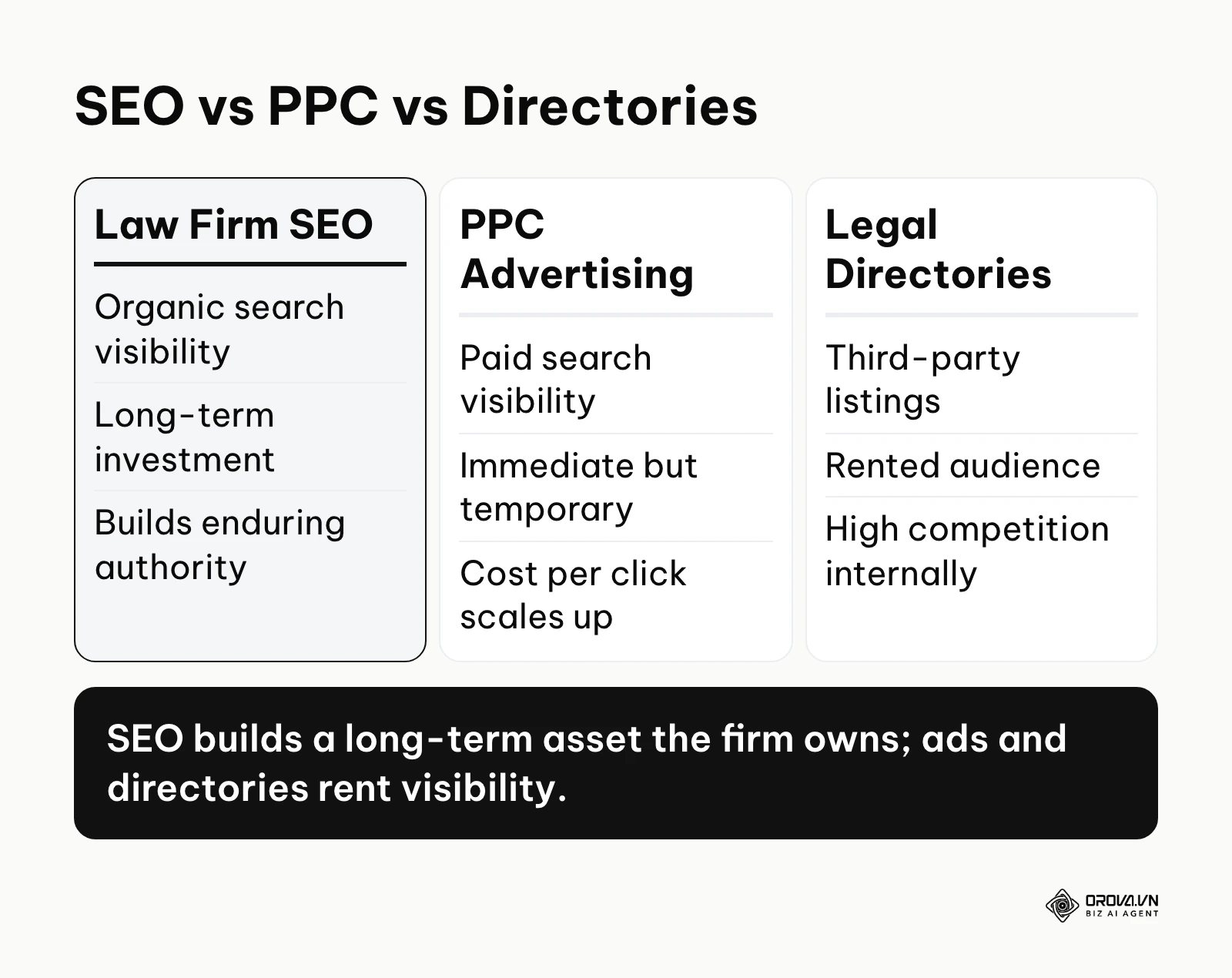
Here is how law firm SEO differs from other common client acquisition channels:
| Concept | How It Differs | Example |
|---|---|---|
| Law Firm SEO | Focuses on earning free, organic placements through authority and relevance. | Optimizing a page for "car accident lawyer chicago". |
| PPC Advertising | Involves paying search engines for immediate, temporary visibility. | Buying Google Ads for "hire a divorce attorney". |
| Legal Directories | Relies on renting space on third-party platforms like Avvo or FindLaw. | Paying for a premium profile on a legal directory site. |
Illustrative example: a personal injury attorney optimizing their website structure and content for "car accident lawyer chicago" rather than continually paying high costs per click for those exact terms.
The Significance of Law Firm SEO
Law firm SEO exists to solve a fundamental problem for legal practices: the disconnect between lawyers who need cases and clients who urgently need legal representation. For the modern consumer, the journey to finding legal help almost always begins with a search query. Whether they have just been in a car accident, are contemplating a divorce, or need to incorporate a new business, people turn to search engines for immediate answers and credible professionals. SEO bridges this gap, ensuring that your firm appears exactly when potential clients express their highest level of intent.
In the broader picture of digital marketing, organic search sits at the foundation of sustainable growth. While paid advertising can turn traffic on and off like a faucet, organic search builds enduring brand equity. If you ignore this channel, you surrender the most lucrative and highly-motivated prospective clients directly to your competitors. Over time, your firm becomes overly reliant on expensive paid ads or unpredictable referral networks, severely limiting your ability to scale operations efficiently.
When is investing in this strategy not recommended? If your practice relies exclusively on B2B networking or you operate a highly specialized boutique firm taking only five massive cases a year, search engine traffic might yield unqualified leads. Additionally, if you need immediate cash flow and new clients by tomorrow, organic search is the wrong channel. In these scenarios, allocating your budget to targeted pay-per-click advertising, sponsoring exclusive legal directories, or direct networking yields faster returns than waiting for search rankings.
The Value and Benefits of Organic Search
The impact of a well-executed organic search strategy extends far beyond simple vanity metrics like website visits. It transforms the core economics of a legal practice.
Business Value: Predictable Growth and Lower Costs
For the business as a whole, the primary value of SEO lies in its ability to generate a predictable pipeline of high-intent cases. Unlike traditional advertising where the cost per acquisition (CPA) continuously rises due to competition, organic search offers a compounding return on investment. Content you publish today can continue to generate leads for years without requiring additional ad spend per click. Furthermore, a strong organic presence mitigates risk. If an advertising platform suddenly changes its pricing structure or suspends your account, a robust organic foundation ensures your firm continues to operate without interruption.
Practitioner Benefits: Authority and Efficiency
For the individual attorneys managing the firm, effective SEO drastically reduces the time wasted qualifying bad leads. Because organic traffic is driven by specific search queries, the clients who contact you already understand your specialization. Furthermore, appearing at the top of search results inherently builds industry authority. Prospective clients implicitly trust firms that Google recommends, meaning you spend less time proving your competence during initial consultations and more time actually practicing law.
Illustrative example: A mid-sized family law firm acting as the primary counsel for complex divorces struggled to generate local leads. They audited their existing blog, consolidated five thin articles into one definitive property division guide, and optimized their Google Business Profile with precise service categories. The initial location pages were flagged for keyword stuffing, so the fix involved rewriting the copy to naturally incorporate local county court procedures instead of just listing city names. The firm saw a sustained influx of qualified consultation requests directly mentioning the specific court processes detailed in the newly optimized guide.
Illustrative example: A solo immigration attorney acting as the main point of contact for employment-based visas needed to reach international talent. The practitioner established a dedicated glossary of complex visa terms on their site, integrated FAQ schema markup, and published weekly updates on federal policy changes. Search engines were slow to pick up the frequent updates, so the solution was keeping the XML sitemap's last-modified dates accurate and requesting indexing for urgent policy alerts in Google Search Console. The practice's content began appearing in featured snippets for specific visa requirements, leading to a noticeable shift in client inquiries from generic questions to specific case evaluations.
Illustrative example: A corporate law boutique serving as compliance advisors for tech startups wanted to capture enterprise clients. They restructured their website architecture to separate state-specific compliance pages, built internal links using precise anchor text, and secured guest authorship on established tech industry blogs. The firm's authoritative articles were initially overshadowed by generic legal directories, and the remedy required injecting highly specific, proprietary legal frameworks into the content to differentiate it from standard advice. The firm became the primary resource for specific startup compliance queries, resulting in a visible increase in retainer agreements from newly founded tech companies.
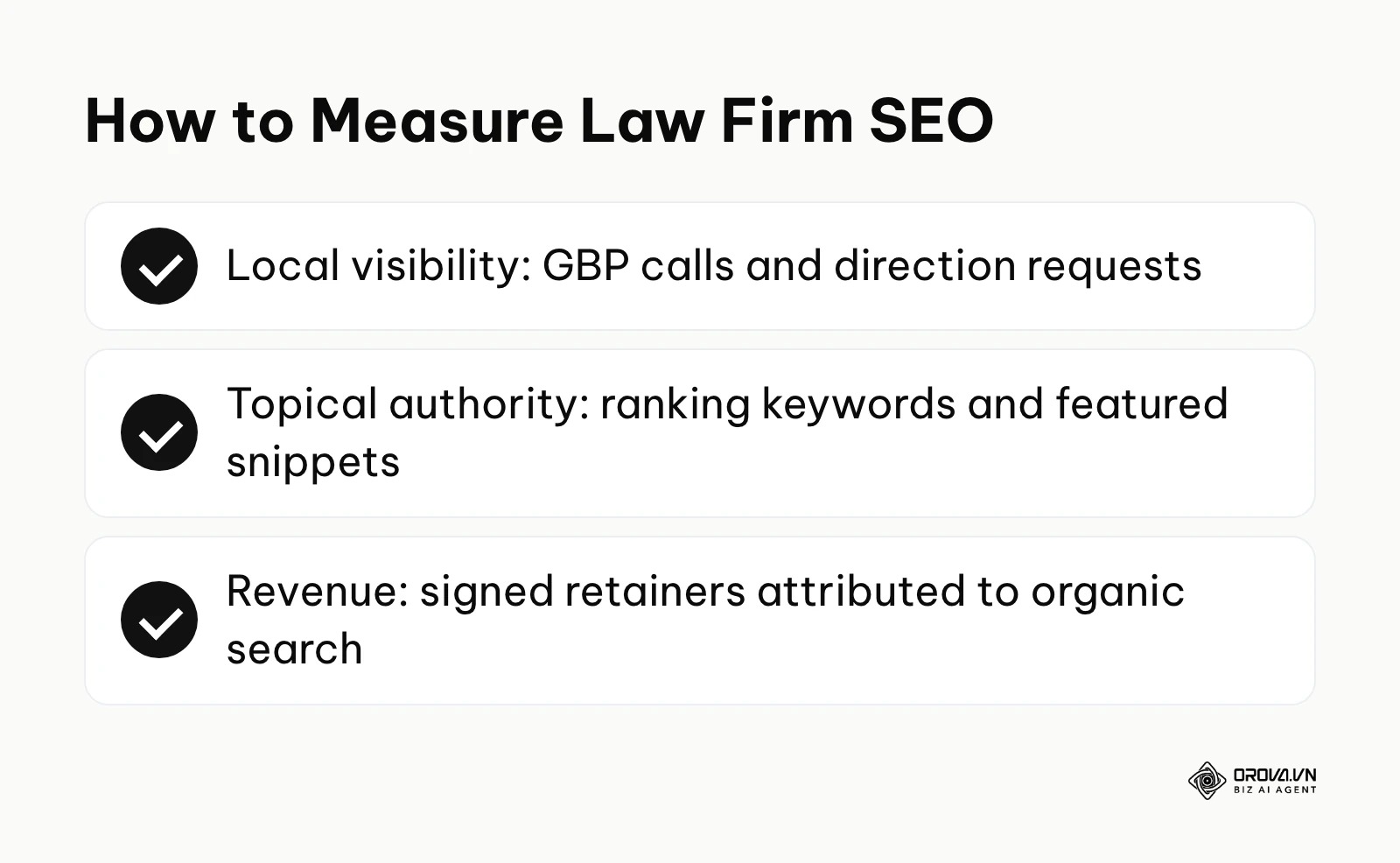
Measuring the impact of these efforts requires tracking specific indicators over time:
| Strategic Benefit | Measured By Which Metric | Typical Timeframe (varies by market) |
|---|---|---|
| Increased Local Visibility | Google Business Profile direction requests and calls | 1 to 3 months |
| Established Topical Authority | Number of ranking keywords and featured snippets | 4 to 6 months |
| Sustained Revenue Growth | Signed retainer agreements attributed to organic search | 6 to 12 months |
Discover Orova.vn – a Biz AI Agent platform with OROVA SEO, a complete solution for every website. The system supports search engine optimization from A to Z with features including keyword research, writing new SEO-ready articles, optimizing existing content, rank tracking, plus competitor analysis and in-depth technical analysis. Sign up today to experience OROVA SEO completely free (offer valid through July 7, 2027).
How Law Firm SEO Works in Practice
Understanding the mechanics of legal search optimization requires breaking the discipline down into actionable components. Search engines evaluate law firm websites through a highly critical lens, heavily prioritizing user safety, factual accuracy, and localized relevance.
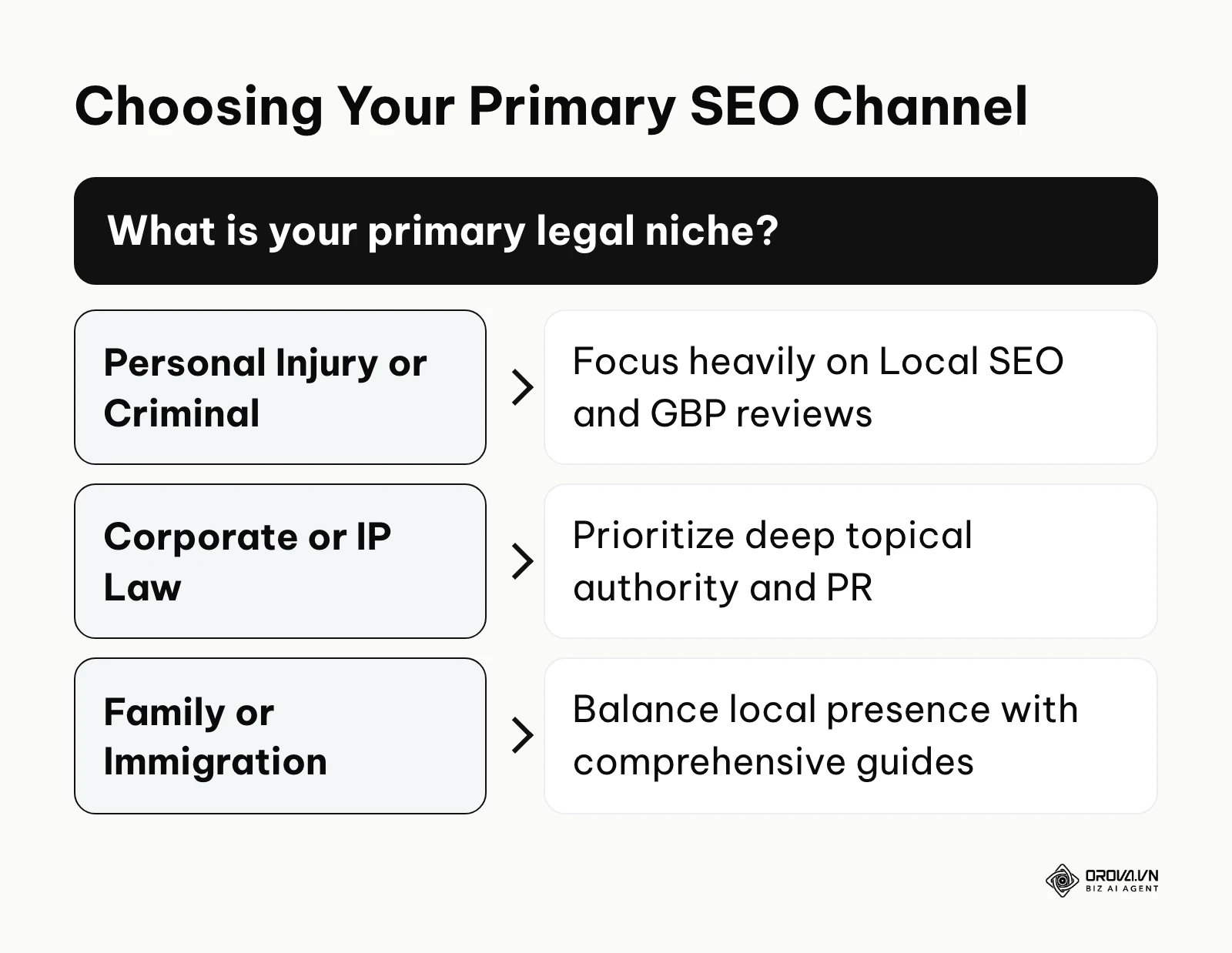
Before diving into the components, it is vital to align your strategy with your specific legal niche. Not all practice areas require the same approach. The table below outlines a baseline niche strategy:
| Legal Niche | Search Intent Focus | Primary SEO Channel | Typical Competition |
|---|---|---|---|
| Personal Injury | Urgent, transactional | Local SEO & high-authority links | Very high in most cities |
| Family Law | Research, emotional support | Content SEO (guides, FAQs) | High |
| Corporate/Business | B2B, long-term research | Topical authority & PR | Medium |
| Intellectual Property | Highly technical, often national | In-depth technical articles | Low to medium |
| Criminal Defense | Immediate need, local | Local SEO & GBP reviews | Very high |
Establishing the Technical Foundation
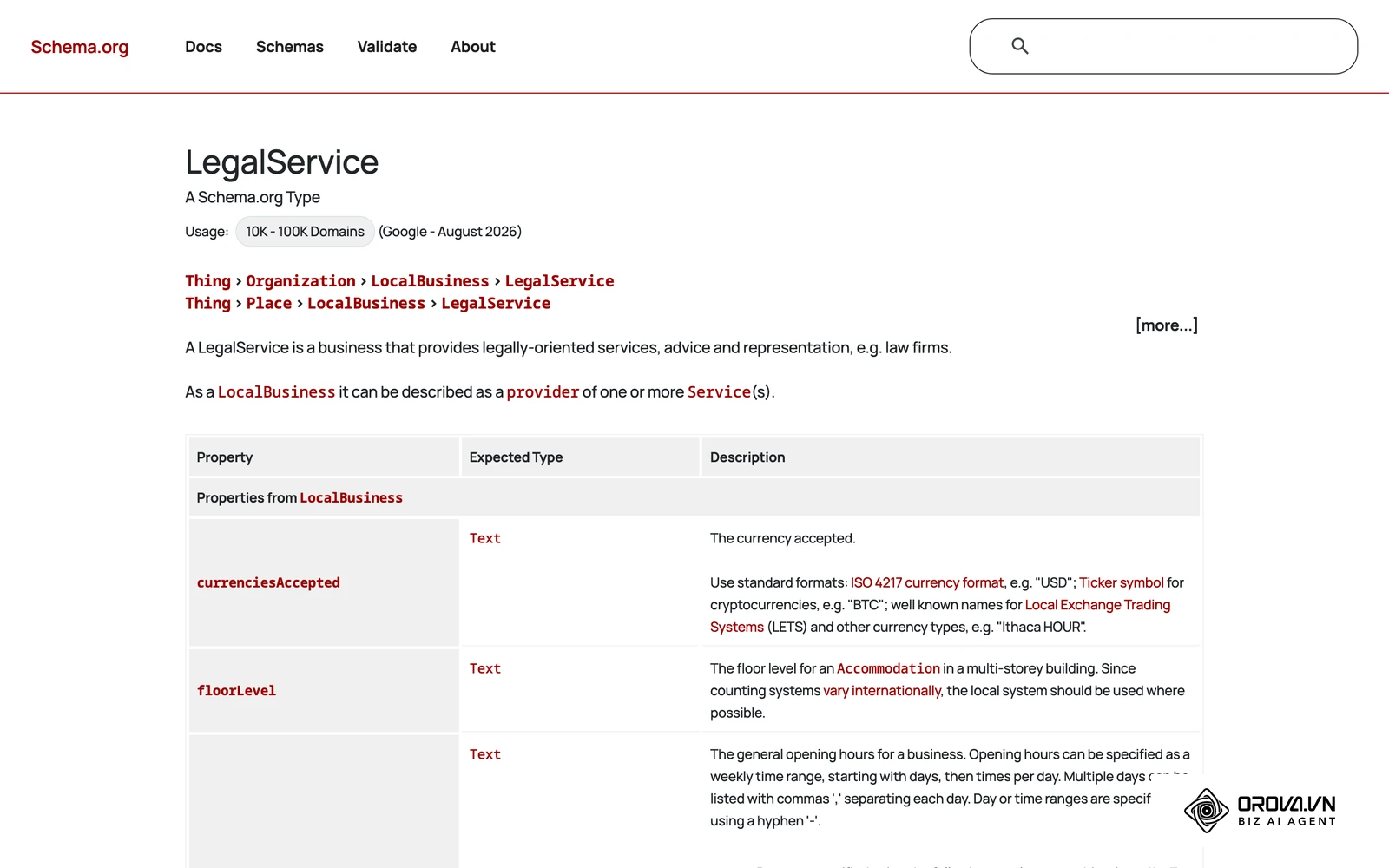
What it does: Technical optimization ensures that search engine crawlers can easily access, read, and understand the structure of your website. Without a solid technical foundation, even the best legal content will remain invisible. Inputs: This process requires an audit of your site architecture, mobile responsiveness, page loading speed, and structured data implementation. For lawyers, implementing specific JSON LD schema is critical to help search engines understand exactly what services you offer and where you are located. Consistent firm and attorney details across the web also support entity SEO, helping search engines connect your lawyers, practice areas and offices. Outputs: A fast, secure, and logically structured website where practice areas are organized into neat, interconnected silos (e.g., Personal Injury > Car Accidents > Rear-End Collisions). Common failure points: The most frequent issue is poor site architecture resulting in "orphan pages" (pages with no internal links pointing to them) or sluggish mobile load times caused by overly large, unoptimized lawyer headshots.
Mastering Local SEO and Google Business Profile
What it does: This component focuses entirely on capturing clients in your immediate geographic vicinity. When someone searches for "lawyer near me," local algorithms dictate who appears in the highly coveted "Local Pack" (the map section at the top of the results). Inputs: Success here requires claiming and meticulously optimizing your Google Business Profile (GBP), ensuring absolute consistency of your Name, Address, and Phone number (NAP) across all web directories, and actively managing client reviews. If you are unfamiliar with this concept, you must first understand what is local SEO and how proximity influences rankings. Publishing regular Google Business Profile posts about firm news, events and plain-language explainers keeps the profile active. Outputs: Better visibility in map results and a robust profile featuring positive, recent client testimonials that drive immediate phone calls. Common failure points: Setting up multiple fake virtual offices to manipulate local rankings. Google aggressively suspends profiles caught using unauthorized P.O. boxes. Another critical failure point is mishandling negative reviews.
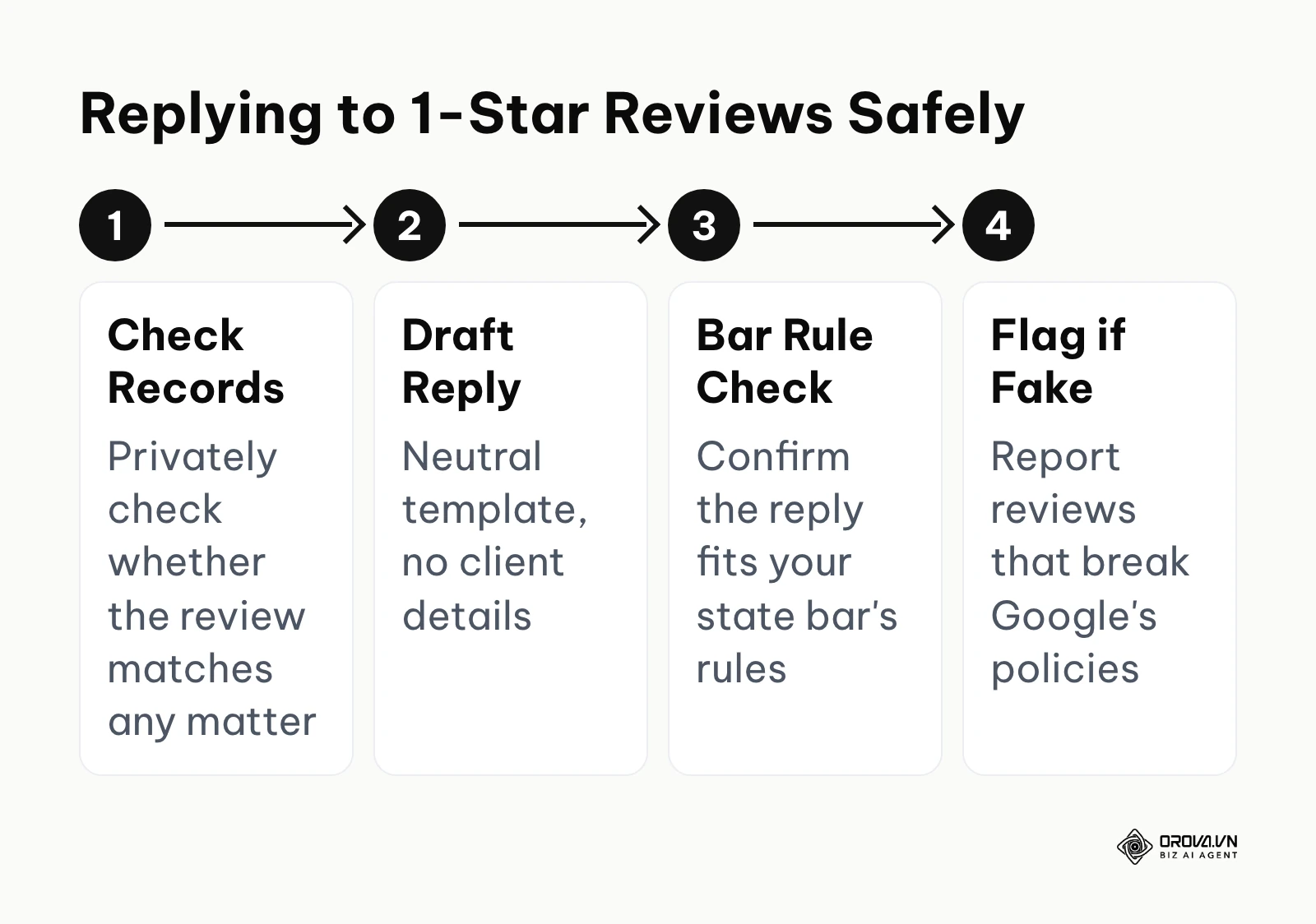
Bar ethics guidance generally warns lawyers not to reveal client information when replying to online reviews, and even confirming that someone was a client can be a problem. These starting templates avoid both; have them checked against your state bar's rules before use:
Scenario A: A review that may come from a former client
"Thank you for sharing your feedback. Our professional obligations prevent us from discussing any matter in a public forum, so we cannot confirm or deny whether anyone is or was a client. We take every concern seriously. Please call our office at [Phone] so we can talk privately."
Scenario B: A review you cannot match to any matter
"Thank you for taking the time to write. Our professional obligations prevent us from discussing any matter publicly. If you would like to talk about your experience, please call our office at [Phone]."
If a review clearly violates Google's review policies (spam, fake engagement, off-topic content), flag it for removal through your Business Profile instead of arguing in public.
Content Strategy and E-E-A-T Compliance
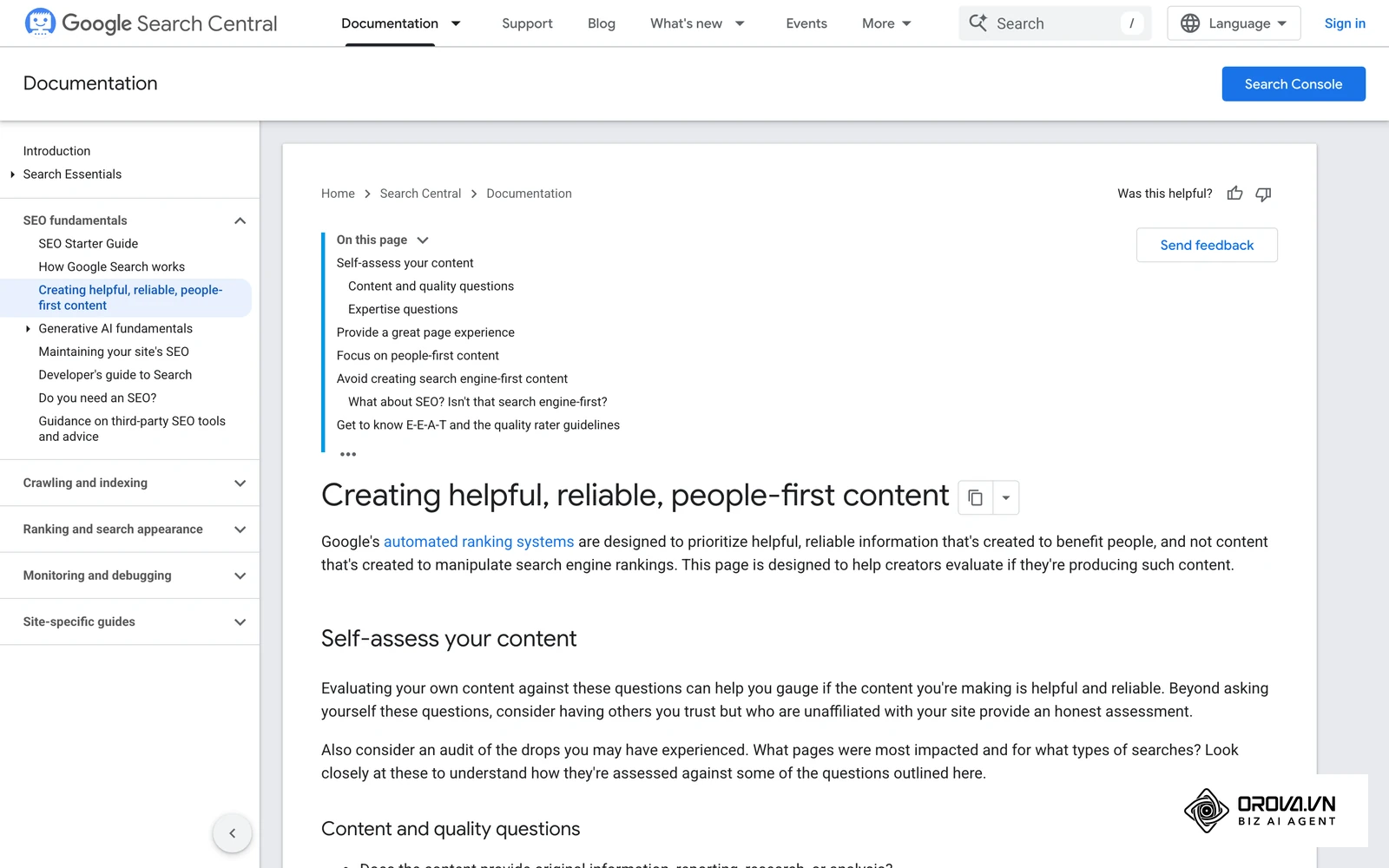
What it does: Content optimization involves creating detailed, helpful pages that answer the exact questions your prospective clients are asking. Because the legal industry heavily impacts a user's life and finances, Google's Search Quality Rater Guidelines treat legal topics as YMYL (Your Money or Your Life). Therefore, your content must clearly demonstrate E-E-A-T (Experience, Expertise, Authoritativeness, and Trustworthiness). Inputs: This requires conducting deep keyword research to uncover specific long-tail queries and drafting comprehensive practice area pages and blog posts. Mastering SEO content writing is essential to avoid dense, unreadable legalese while maintaining factual accuracy. Outputs: Authoritative guides and FAQ resources that rank well for informational queries, capturing users early in their research phase. Common failure points: Delegating content writing entirely to junior marketers or AI tools without any attorney review. To prevent this, you must strictly follow this YMYL checklist for every piece of content you publish:
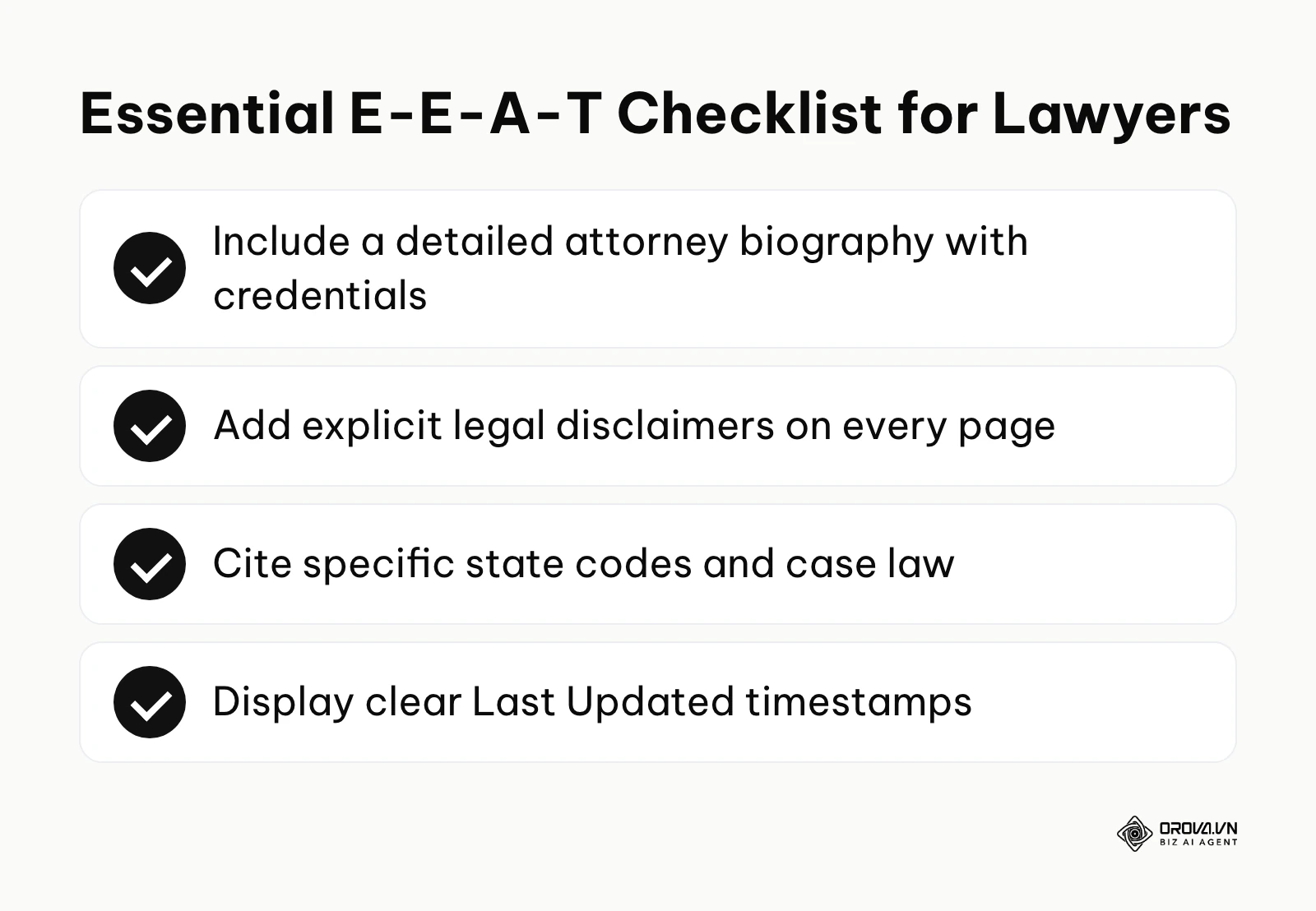
| Verification Item | Implementation Standard | E-E-A-T Component Addressed |
|---|---|---|
| Comprehensive Author Bio | Link to a detailed profile outlining education, bar admissions, and years in practice. | Expertise & Authority |
| Legal Disclaimer | Explicitly state that the content is for informational purposes and does not constitute legal advice. | Trust |
| Statutory Citations | Reference specific state codes or federal laws using standard legal citation formats. | Expertise |
| Date of Last Review | Display a "Last Updated" timestamp to ensure the legal information remains current. | Trust & Experience |
| Trust Badges | Show awards, peer ratings and bar memberships only where your state's advertising rules allow and with the disclosures they require. | Authority |
Respecting Attorney Advertising Rules
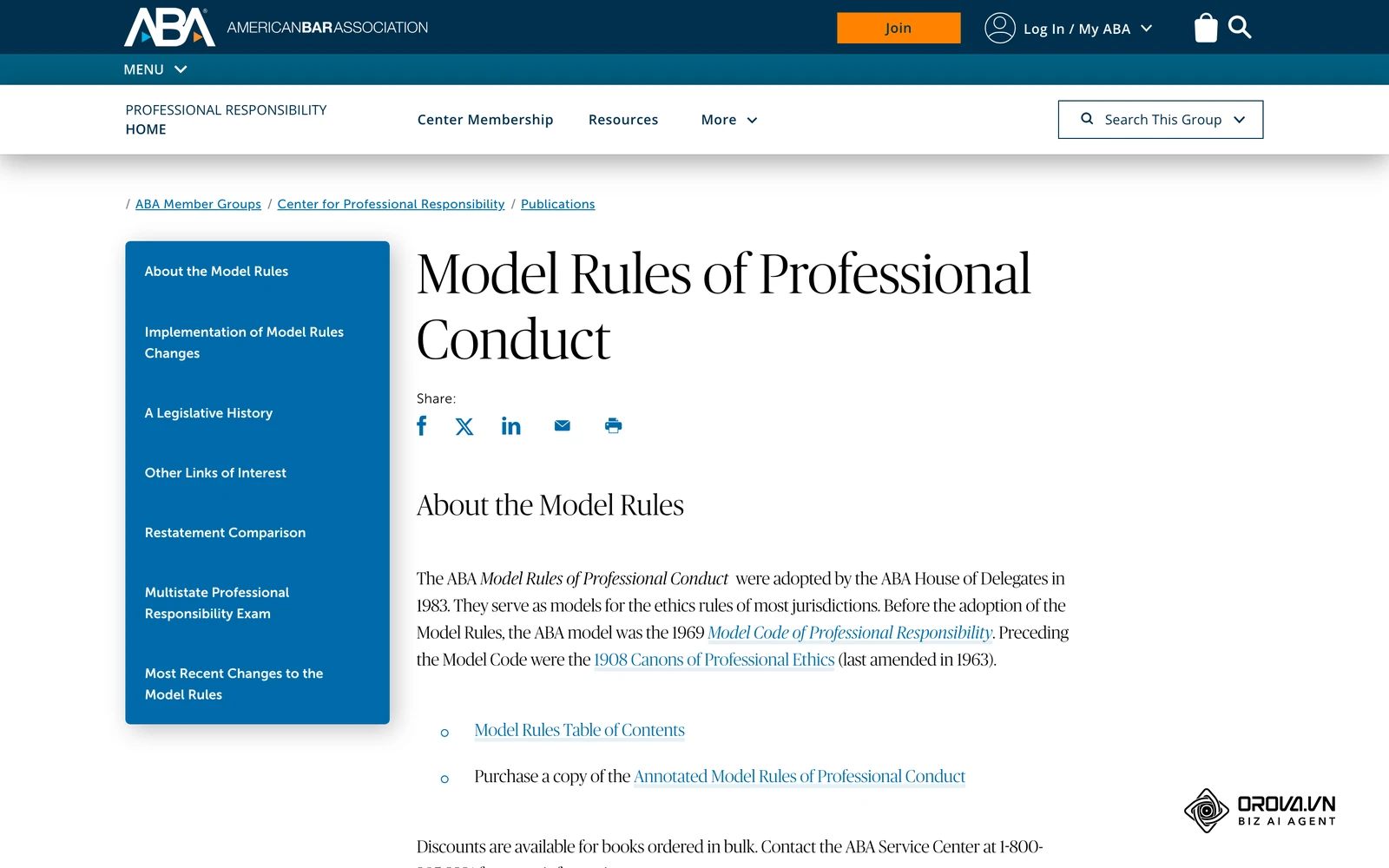
What it does: Your website, profiles, reviews and posts count as lawyer advertising, so they sit under professional conduct rules as well as Google's guidelines. The ABA Model Rules of Professional Conduct set the baseline: Rule 7.1 bars false or misleading communications about a lawyer's services, Rule 7.2 covers advertising and paying for recommendations, and Rule 7.3 limits direct solicitation of prospective clients. Each state adopts its own version, and some add requirements such as advertising labels, limits on testimonials and past results, or restrictions on calling yourself a "specialist". Inputs: Your state bar's advertising rules, a review step for every page and profile before it goes live, and a record of what was published and when. Outputs: Pages that build trust with readers without creating a disciplinary risk for the firm. Common failure points: Promising outcomes ("we win every case"), publishing case results without the disclaimers your state requires, paying for reviews or referrals, and copying another state's rules. This section is general information, not legal advice; check the current rules in each state where your firm advertises.
Building Off-Page Authority and Digital PR
What it does: Off-page optimization acts as a digital voting system. When high-quality, relevant websites link back to your law firm's site, search engines view this as an endorsement of your credibility. Inputs: Earning these links requires proactive digital public relations, responding to journalist query services and reporter requests with expert legal quotes, sponsoring local community events, and publishing proprietary legal research. Expanding your topical authority makes your firm a natural target for citations. Outputs: A robust backlink profile that elevates the ranking power of your entire website, making it easier for newly published pages to rank quickly. Common failure points: Buying cheap, low-quality links from irrelevant spam networks. This kind of manipulation violates Google's spam policies and can lead to ranking drops or manual actions that take a long time to recover from.
Law firm optimization strategies generally fall into a few distinct categories based on scope:
| Type of Legal SEO | Core Focus | Ideal For |
|---|---|---|
| Hyper-Local SEO | Google Maps, GBP optimization, local citations | Firms relying on geographic proximity (Criminal, Family, Personal Injury) |
| National/Content SEO | Informational guides, federal law topics, deep research | Firms practicing federal law (Immigration, Intellectual Property, Tax) |
| Enterprise Law SEO | Managing hundreds of location pages, massive site architecture | Large, multi-state corporate law firms with numerous offices |
What to Do to Start or Adapt Your Strategy
Implementing law firm SEO requires alignment across different roles within the organization. Here is how different stakeholders should approach the process.
The Managing Partner
- Define the primary practice areas driving the highest margin for the firm to narrow the initial focus.
- Allocate a realistic financial budget for at least six months of sustained effort, understanding that SEO is not a quick fix.
- Establish a firm-wide protocol for politely requesting client reviews immediately after successful case closures.
- Mandate that all attorneys actively review and approve any legal content published under their name to maintain compliance.
The In-House Marketing Director
- Audit the current website against an SEO checklist and professional tools to identify technical errors, broken links, and missing metadata.
- Claim, verify, and painstakingly standardize the firm's Google Business Profile across all primary and secondary locations.
- Develop a rigorous editorial calendar focusing on answering specific, long-tail client questions rather than broad legal concepts.
- Set up conversion tracking in analytics platforms to tie specific content pieces to incoming consultation requests.
The Freelance Legal SEO Consultant or Agency
- Conduct a deep competitive analysis of the local market's top-ranking firms to identify their content gaps and backlink sources.
- Implement robust conversion tracking to clearly demonstrate ROI and case acquisition metrics to the managing partners.
- Build a targeted, ethical outreach campaign to secure media placements and links from authoritative legal portals and local news outlets.
- Monitor search engine algorithm updates continuously to pivot strategies before the firm loses valuable traffic.
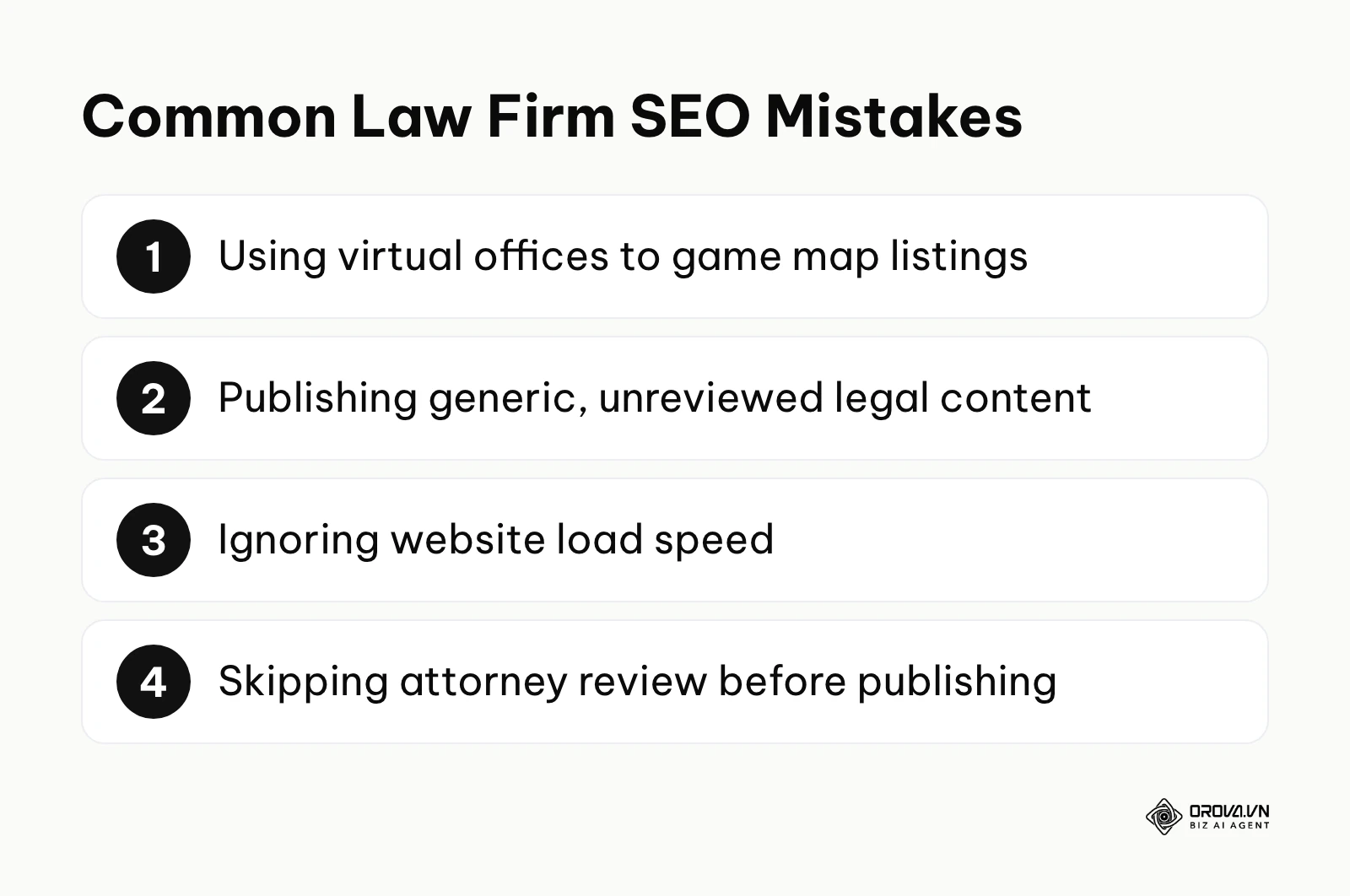
Avoiding devastating penalties requires side-stepping common industry pitfalls:
| Common Mistake | Immediate Consequence | How to Avoid It |
|---|---|---|
| Using virtual offices to game map rankings | Suspension of the Google Business Profile | Only register legitimate, staffed physical office locations. |
| Writing generic, unreviewed AI-generated legal content | Weaker rankings and lost trust under YMYL standards | Ensure a qualified attorney reviews, edits, and authors all content. |
| Ignoring website load speeds | High bounce rates and lower mobile search rankings | Compress images and utilize modern caching solutions. |
With OROVA.VN and the OROVA SEO module, you put an end to the exhausting days of manual work for good. Instead of struggling for hours to write articles and compile reports, the entire process is now optimized and completed in just 5 minutes.
Trends in Legal Search for the Next Few Years: Author's Perspective
As search algorithms evolve, law firms must adapt to shifts in consumer behavior and technology. Here is where I see the industry heading as of 2026; these are opinions, not forecasts with numbers.
AI-Generated Overviews Will Shift Traffic from Generic to Highly Specific Queries
I think the rapid rise of AI-powered search experiences (like Google's AI Overviews) will drastically change how users interact with legal information. Currently, we are seeing search engines attempt to directly answer basic questions like "how to file for divorce" at the top of the page. Over the next two to three years, I believe this will lead to an increase in zero-click searches for generic terms. To prepare, law firms should spend less effort on simple, informational queries and focus more on complex, long-tail questions that AI cannot confidently answer without citing a highly specialized legal professional.
Proximity Limits for Local Search Will Become Stricter
I believe search engines will continue to shrink the geographic radius of local search results. Proximity already weighs heavily in local results, and a firm farther from the searcher often loses the map pack to a closer competitor. Moving forward, I suspect that covering a broad metropolitan area from a single suburban office will become harder. Firms should prepare by hyper-optimizing their content for specific neighborhoods and local landmarks, rather than relying solely on broad city-level targeting.
Video Content Will Carry More Weight in Legal Search
I think that the integration of short-form video directly into traditional search results will heavily influence legal intent queries. Today, platforms like YouTube Shorts and TikTok are already acting as search engines for younger demographics seeking legal explanations. In the near future, I believe text alone will not be enough to convert highly anxious clients; they will need to see and hear the attorney to build trust. Firms should prepare now by transforming their most popular written FAQs into concise, professionally recorded video segments embedded directly onto their practice area pages. Of course, this prediction assumes users will prefer video over fast text scanning, which could be challenged by faster AI text generation.
Frequently Asked Questions about SEO for lawyers
What is the difference between local and organic SEO for lawyers?
Local optimization focuses strictly on appearing in the map pack and location-based queries (e.g., "criminal lawyer near me"), relying heavily on your Google Business Profile and local citations. Traditional organic optimization focuses on ranking your actual website pages in the standard blue links below the map pack, relying more on comprehensive content and backlink authority.
Is SEO for lawyers still needed with AI?
Yes, it is more critical than ever. While AI can quickly answer basic legal definitions, clients dealing with high-stakes situations—such as a messy divorce or a severe injury—require the trust, empathy, and specific local knowledge that only a verified law firm can provide. AI search engines still rely on authoritative, human-reviewed legal websites as the source material for their answers.
How much should a personal injury firm budget for SEO?
There is no standard figure. Personal injury is among the most competitive legal niches, so budgets in large cities tend to be higher than in other practice areas. The right amount depends on your market, how strong competing firms already are, and whether content, links and local search work are handled in-house or by an agency. Compare proposals by the scope of work and reporting they include, and be wary of anyone who guarantees rankings or case numbers.
Can I use multiple Google Business Profiles for virtual offices?
No. Google's guidelines strictly prohibit using virtual offices, P.O. boxes, or shared co-working spaces unless the location is staffed by your firm's employees during stated business hours. Violating this rule can lead to suspension of your profile and a sharp loss of local visibility.
How do I maintain E-E-A-T if I outsource my content writing?
The attorney must remain the primary subject matter expert. If you use freelance writers or AI tools for drafting, you must establish a rigorous workflow where an attorney injects real case examples, verifies all statutory citations, and officially signs off on the final piece as the author. Expert review is what keeps the content accurate and trustworthy.
How long does it take for a law firm website to rank?
For a brand new domain, it often takes 6 to 12 months to see meaningful results, and there is no guaranteed timeline. If you are optimizing an established website with an existing backlink profile, you can often see measurable improvements in traffic and consultation requests within 3 to 6 months of implementing technical fixes and fresh content.
Where to Start?
Jumping blindly into optimization tactics without assessing your current situation often leads to wasted resources. Depending on your firm's current digital footprint, your immediate first step will vary. Identify which of the three states below best describes your practice and execute the corresponding action within your next work session.
State 1: You have no digital presence at all. If your firm operates entirely offline and you do not even have a basic website, your very first step must be establishing a local footprint. Action: Claim, verify, and complete your Google Business Profile. Ensure your exact firm name, primary office address, and phone number are accurate, and select the most specific legal category available for your practice.
State 2: You have a website and some articles, but they are scattered and lack focus. If you have been randomly publishing blog posts over the years without a cohesive strategy, your site is likely suffering from keyword cannibalization and thin content. Action: Conduct a rapid content audit to consolidate thin pages. Identify three short, underperforming blog posts covering similar topics (e.g., three short posts about child custody) and redirect them into one single, comprehensive guide.
State 3: You are executing SEO activities but have no idea if they are driving cases. If you are already spending money on content or an agency but cannot confidently tie it to revenue, you are operating in the dark. Action: Implement conversion tracking in Google Analytics 4. Set up specific events to track every time a user submits a consultation form, clicks your phone number, or taps the "get directions" button on your mobile site. This ensures every dollar spent on law firm SEO is accountable.
About the author

Builder of Orova
Nguyễn Đỗ Trọng Ân has 8 years of experience in marketing, including 6 years managing market development across Asia. He builds Orova, a Biz AI Agent that never sleeps: it plans, runs and optimizes work for businesses.
Run your business with AI Agents
Orova is the always-on Biz AI Agent — it plans, runs, and optimizes the work for you.
Save time, unlock productivity.