
A Guide to Unifying SEO, AEO, and GEO: A Content Strategy for the AI Search Era
The rise of Generative Engines such as Google AI Overviews, ChatGPT Search, Perplexity, and Claude has fundamentally shifted user search behavior. The traditional "10 blue links" model is no longer the sole standard; instead, we are entering the era of Zero-Click Searches and AI Synthesis (answers synthesized directly by AI).
Faced with this shift, businesses and content marketers often find themselves confused:
- Should we continue with traditional SEO (Search Engine Optimization)?
- Should we pivot to AEO (Answer Engine Optimization) to capture Featured Snippets and Voice Search?
- Or should we pour all our resources into GEO (Generative Engine Optimization) to appear in AI-generated answers?
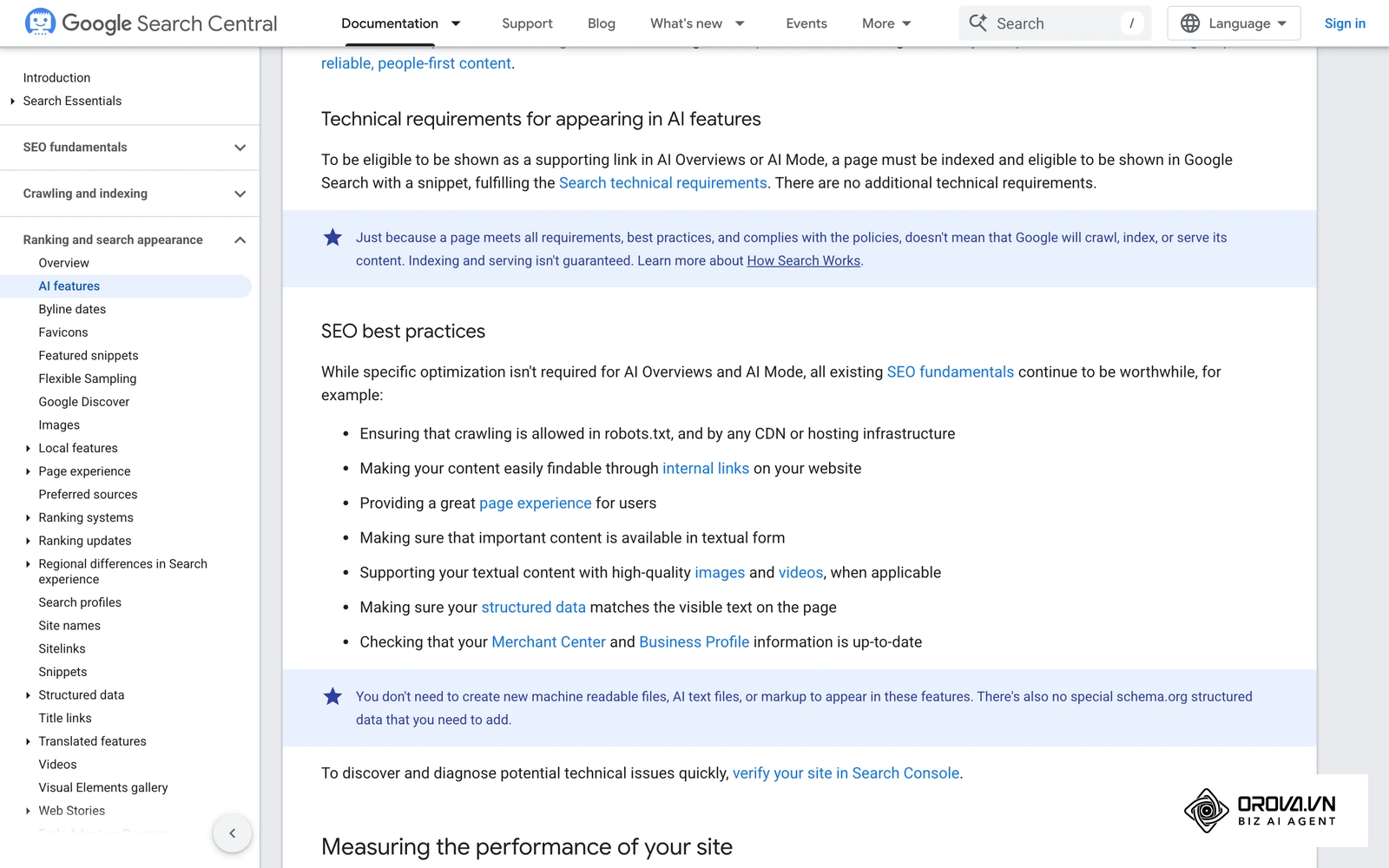
In reality, separating these three concepts will only drain your budget, fragment your data, and waste content resources. The optimal solution is to build a Unified Content Framework: A single article that satisfies Google's ranking algorithms, serves as a source for direct extraction by Answer Engines, and acts as a credible Source of Truth for Large Language Models (LLMs).
1. The Nature and Differences Between SEO, AEO, and GEO
To integrate them successfully, we must first understand the operating mechanisms, core objectives, and evaluation criteria of each method.
       ┌─────────────────────────────────────────────────────────┐
       │             THE MODERN MULTI-LAYER SEARCH FRAMEWORK     │
       ├─────────────────────────────────────────────────────────┤
       │ 1. SEO: Structural, technical & entity foundation       │
       │    └── Crawling, Indexing, Authority, Ranking Links     │
       │                                                         │
       │ 2. AEO: Direct answer extraction layer                  │
       │    └── Q&A Formats, Rich Snippets, Structured Data      │
       │                                                         │
       │ 3. GEO: Contextual & multidimensional synthesis layer   │
       │    └── Information Gain, Fact Density, Citations        │
       └─────────────────────────────────────────────────────────┘
Comprehensive Comparison: SEO vs. AEO vs. GEO
| Criteria | SEO (Search Engine Optimization) | AEO (Answer Engine Optimization) | GEO (Generative Engine Optimization) |
|---|---|---|---|
| Operating Environment | Traditional search engines (Google, Bing, Yahoo) | Featured Snippets, Google Assistant, Siri, Alexa, Zero-Click SERPs | LLMs, AI Search (ChatGPT, Perplexity, Google AI Overviews, Gemini) |
| Technical Nature | Crawling, Indexing, PageRank algorithms | Entity Extraction, Question-to-Answer matching | RAG (Retrieval-Augmented Generation), Vector Embeddings, Contextual Synthesis |
| Optimization Unit | Web page (URL), Keywords, Topic Clusters | Snippets, Q&A pairs, Micro-data | Factual Statements, data points, citations, semantic entities |
| Conversion Goal | Organic Clicks / Web Traffic | Instant brand presence (Brand Impressions, Voice Share) | Becoming a credible cited source (AI Citations, Brand Mentions) |
| User Behavior | Searching through lists of websites and filtering content manually | Seeking quick, definitive answers to specific questions | Conversing, seeking synthesized and highly personalized solutions for complex problems |
| Measurement Metrics | Keyword rankings, Organic Sessions, Bounce Rate, CTR | Rank #0 (Position Zero), Zero-click volume, Rich Results | Citation Share, AI Sentiment, Co-occurrence Frequency |
In-Depth Analysis of Each Pillar
SEO: The Infrastructure and Brand Authority
Traditional SEO is not dead; it has evolved into the technical infrastructure for all other forms of search. If a website cannot be smoothly crawled and indexed by Googlebot, it will not appear on SERPs, and AI search models (which rely on web indexes) will struggle to retrieve data from it. SEO ensures a clean page structure, fast loading speed, logical internal linking architecture, and robust E-E-A-T (Experience, Expertise, Authoritativeness, Trustworthiness) signals.
AEO: The Art of Condensing Information for Direct Questions
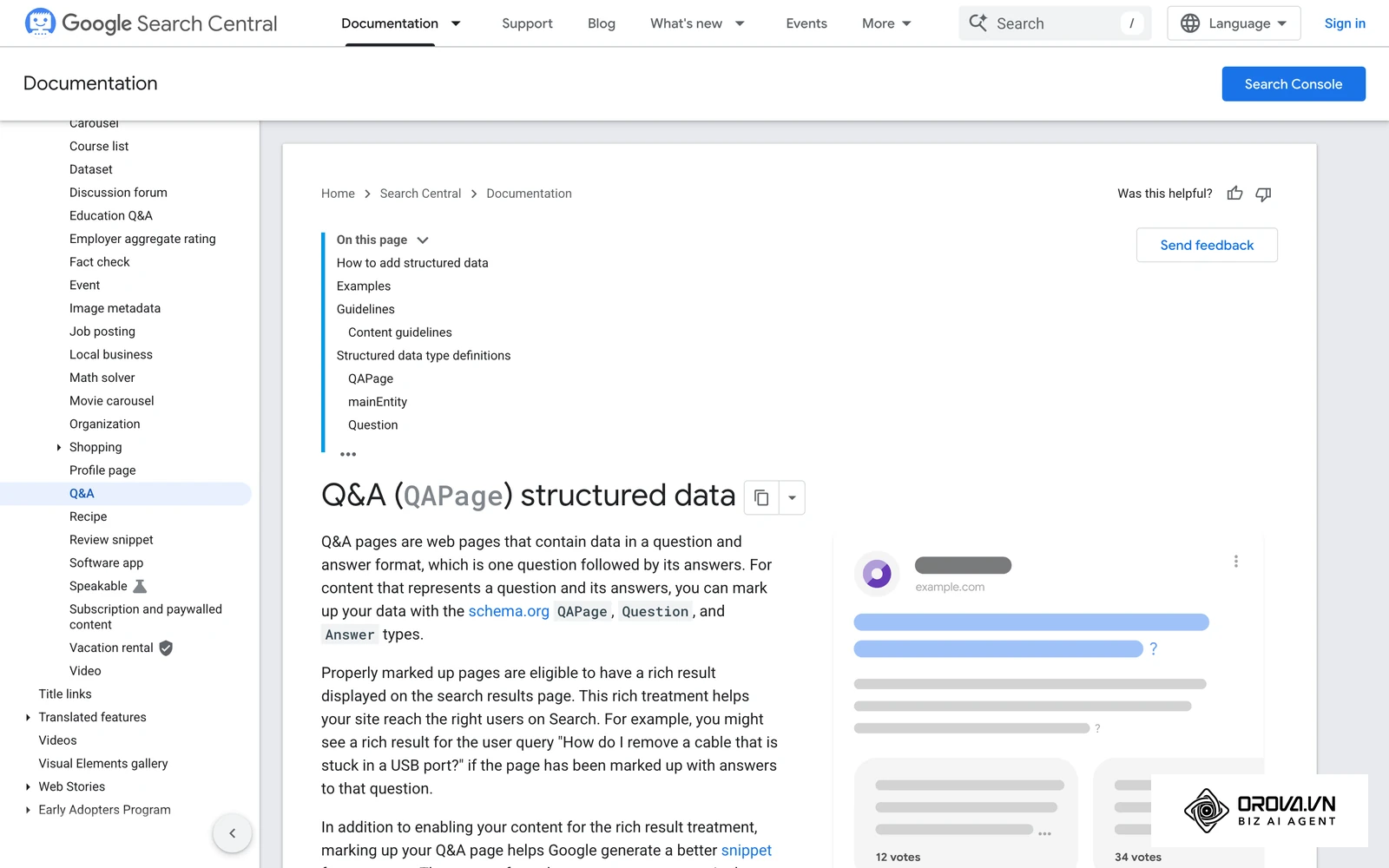
AEO focuses on resolving informational search intents as quickly as possible. When a user asks "What is GEO?" or "How much does AEO implementation cost?", AEO requires the content to provide a concise answer within 40–60 words, placed directly below a standard H2/H3 heading, combined with Schema Markup (FAQPage, HowTo, QAPage). AEO heavily serves voice search and prime real estate on mobile screens.
GEO: Optimizing Context and Reliability for AI Reasoning
GEO is not about "keyword stuffing" or "clickbait." It is about convincing AI models that your content is the most reliable information to include in their synthesized answers. Next-generation search engines (like Perplexity or Google Gemini) use RAG (Retrieval-Augmented Generation) architectures. When a user inputs a prompt, the system searches for the most relevant text passages, analyzes semantics via vector spaces, and synthesizes an answer. To win in GEO, your text must be rich in Original Data, feature coherent arguments, use precise industry terminology, and maintain a high density of factual information.
2. Why Optimize All Three Pillars in a Single Piece of Content?
The Business Problem of Wasted Resources
Many content departments currently divide their teams: one group writes traditional SEO articles, another optimizes FAQs/Snippets for AEO, and a third experiments with AI content. This approach reveals three major weaknesses:
- Tripled Production Costs: Creating multiple versions of the same topic wastes time and content creation budgets.
- Keyword Cannibalization: Different pages compete for the same entity cluster, confusing search engines about which page is the primary target.
- Fragmented Domain Authority: Instead of concentrating links, social signals, and citations into one core resource (Pillar Page), businesses dilute their authority across multiple fragmented pages.
The Benefits of a "3-in-1" Content Strategy
By integrating SEO, AEO, and GEO into a single article structure:
- Maximized Content Lifecycle: The article sustains long-term rankings on classic Google Search, consistently captures Top Rich Snippets, and serves as a default reference source for AI models for years.
- Catering to All Search Behaviors: It serves skimmers (via concise AEO answers), deep researchers (via comprehensive SEO analysis), and AI Assistant users (via GEO-optimized facts).
- Saving Up to 60% of Production Resources: The research, writing, and technical optimization processes only need to be executed once using a multi-layered structure.
Discover Orova.vn – a Biz AI Agent platform with OROVA SEO, a complete solution for every website. The system supports search engine optimization from A to Z with features including keyword research, writing new SEO-ready articles, optimizing existing content, rank tracking, plus competitor analysis and in-depth technical analysis. Sign up today to experience OROVA SEO completely free (offer valid through July 7, 2027).
3. The Layered Content Architecture
To smoothly integrate all three elements without making the article bloated or disjointed, apply the 4-Layer Content Framework:
┌──────────────────────────────────────────────────────────────┐
│ LAYER 1: THE DIRECT ANSWER LAYER (AEO Standard)              │
│ - 40-60 word definitions, data summary tables, Takeaways     │
│ - Serves: Featured Snippets, Voice Search, Quick AI Scans    │
├──────────────────────────────────────────────────────────────┤
│ LAYER 2: THE DEEP-DIVE & STRUCTURE LAYER (SEO Standard)      │
│ - Logical H2, H3 structures; Semantic Keywords; Internal Links│
│ - Serves: Search Crawlers, PageRank, User Read-Through       │
├──────────────────────────────────────────────────────────────┤
│ LAYER 3: THE INFORMATION GAIN LAYER (GEO Standard)           │
│ - Case studies, original statistics, expert perspectives     │
│ - Serves: Vector Embeddings, RAG Retrieval, LLM Citations    │
├──────────────────────────────────────────────────────────────┤
│ LAYER 4: THE MACHINE-READABLE LAYER (Technical Foundation)   │
│ - JSON-LD Schemas (Article, FAQ, HowTo, Organization)        │
│ - Semantic HTML5 (article, section, aside, table)            │
└──────────────────────────────────────────────────────────────┘
Detailed Implementation of Each Content Layer
Layer 1: The Direct Answer Layer (AEO)
- Place this immediately below each main heading (H2 or H3 that indicates a definition or solution).
- Writing Formula: [Concept/Problem] + [Direct Definition/Core Solution] + [Distinguishing Feature or Data Point].
- Formatting Standard: Enclose in a Callout/Quote block or a short paragraph of 45 to 55 words. Use clear bullet points if it is a step-by-step process.
Layer 2: Structure & Semantic Depth Layer (SEO)
- Build content that covers the entire topical entity (Topical Authority).
- Leverage LSI (Latent Semantic Indexing) and NLP Entities from Google Search Console and Google Cloud Natural Language API.
- Establish a multidimensional internal linking system: connect this article to satellite posts (Cluster Content) based on parent-child semantic relationships.
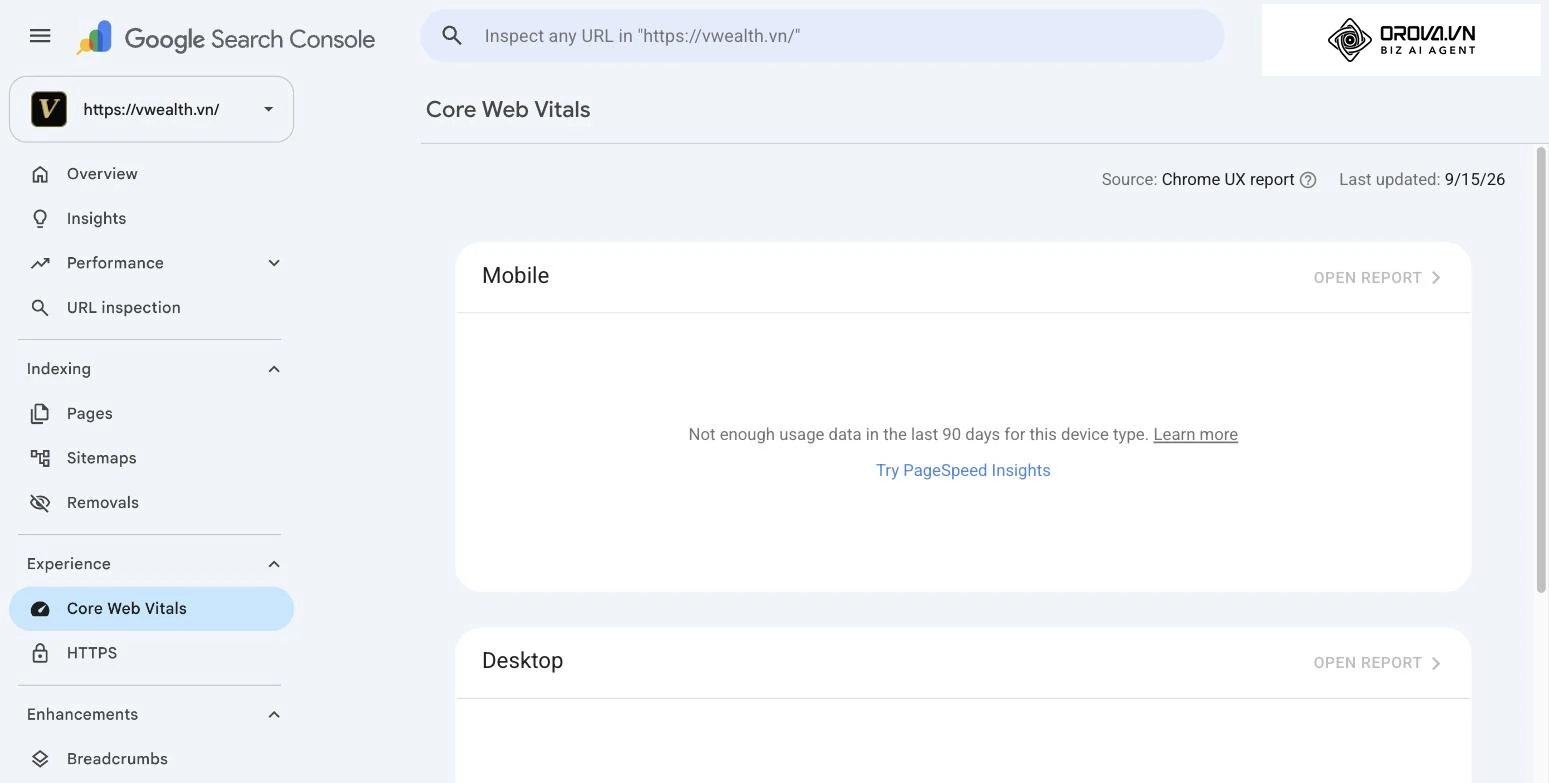
- Optimize Page Experience (Core Web Vitals), ensure canonical tags, OpenGraph data, and a friendly URL structure are in place.
Layer 3: The Information Gain Layer (GEO)
AI does not cite articles that merely regurgitate existing information on the web. Both Google's algorithms and RAG models prioritize web pages with high Information Gain (new information not found in other sources).
- Incorporate exclusive statistics, real-world surveys, or proprietary case studies from your business.
- Use quotes from recognized experts with clear credentials in the industry (linked to an E-E-A-T compliant author profile).
- Write in an assertive, coherent tone; avoid cliché or emotional phrasing that lacks factual substance.
Layer 4: The Machine-Readable Layer
Help both traditional search bots and LLMs accurately understand the relationships between entities in your article without guesswork:
- Implement multi-layered JSON-LD Schema combining Article, FAQPage, AboutPage, and Author.
- Identify key entities via the sameAs attribute, pointing to reputable knowledge bases (Wikidata, Wikipedia, LinkedIn).
4. The 6-Step Process for Producing SEO-AEO-GEO Optimized Content
To put the theoretical framework into practice, the content production process should be standardized through the following 6 closed-loop steps:
Step 1: Entity Research and Information Gap Analysis
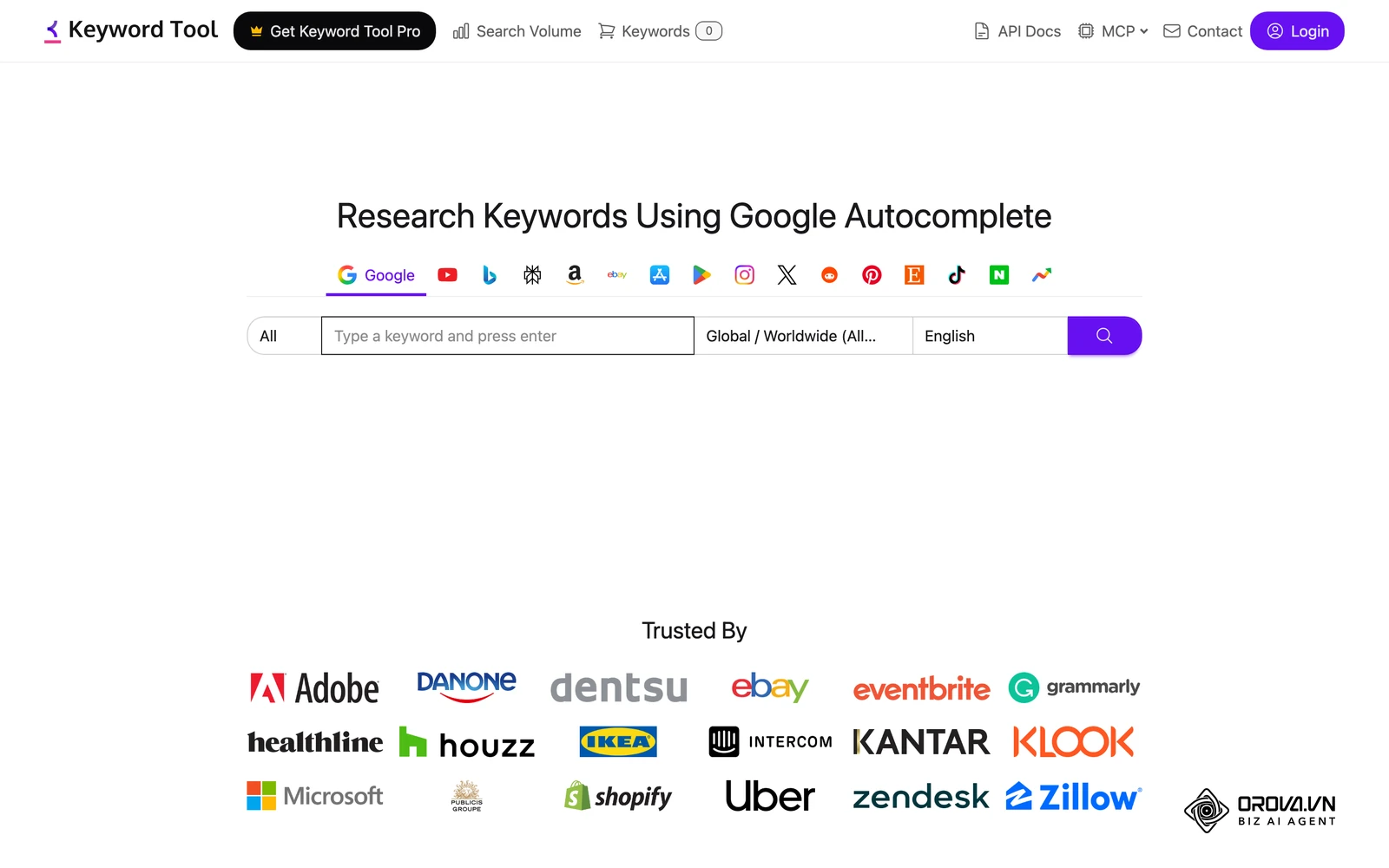
Instead of just typing keywords into tools like Ahrefs or SEMrush, expand your research process to AI tools:
- Search on SEO Tools: Determine Search Volume, Keyword Difficulty, and related secondary keywords.
- Query AI Search Engines (Perplexity, ChatGPT, Google AI Overviews): Ask broad questions about the topic and observe:
- Which sources is the AI citing?
- What information is missing from the AI's answer? (This is your opportunity to create Information Gain).
- Which aspects does the AI repeatedly mention? (These are mandatory entities to include in your article).
Step 2: Design the "3-in-1" Outline
The outline must clearly demarcate sections serving each objective:
# Article Title (Contains Main Keyword + Novel Perspective)

## H2: Core Concept (Goal: SEO Rank + AEO Snippet)
- 50-word direct definition paragraph (AEO)
- Glossary table explaining related terms (SEO & GEO)

## H2: Multidimensional Comparative Analysis (Goal: GEO Synthesis)
- Multi-attribute comparison table (Data Table for AI Parsing)
- In-depth analytical points for each perspective (GEO)

## H2: Practical Implementation Process (Goal: AEO How-to + SEO)
- Sequential list of steps (Numbered List for Snippets)
- Detailed instructions for each step with illustrations/examples (SEO)

## H2: Case Studies & Real-World Data (Goal: GEO Citation)
- Real-world survey data (Information Gain)
- Lessons learned with expert quotes (E-E-A-T)

## H2: Frequently Asked Questions (Goal: AEO FAQ Schema)
- 4-5 direct questions with concise answers
Step 3: Writing Techniques Optimized for AI and Humans
When drafting the content, writers should apply three modern editorial rules:
1. The Inverted Pyramid Rule
Place the conclusion, critical data, or core solution at the very beginning of each paragraph. This helps human readers grasp the information within the first 3 seconds while also helping search engine crawlers and RAG algorithms quickly locate the most valuable snippets.
The Ultimate Guide to Lean International SEO: Expanding Globally on a Shoestring Budget
2. Factual Density Technique
Avoid lengthy, fluff-filled writing that lacks information. Compare these two expressions:
- Traditional phrasing: "Currently, content optimization is very important and many businesses are investing in it to improve their rankings on the internet." (21 words but completely devoid of solid facts).
- GEO/AEO optimized phrasing: "According to Search Engine Journal's Q3 2025 survey, 72% of B2B businesses increased their GEO budgets to maintain brand presence as traditional SEO traffic dropped by 18% due to Google AI Overviews." (32 words, containing 4 specific quantitative entities).
3. Self-Contained Statements
RAG models often break down articles into short chunks (about 100–250 tokens) to store in vector databases. If your paragraph uses too many ambiguous pronouns ("it," "this," "we did that"), the AI will lose context when extracting that chunk from the article. Always explicitly name the subject and action in every important paragraph.
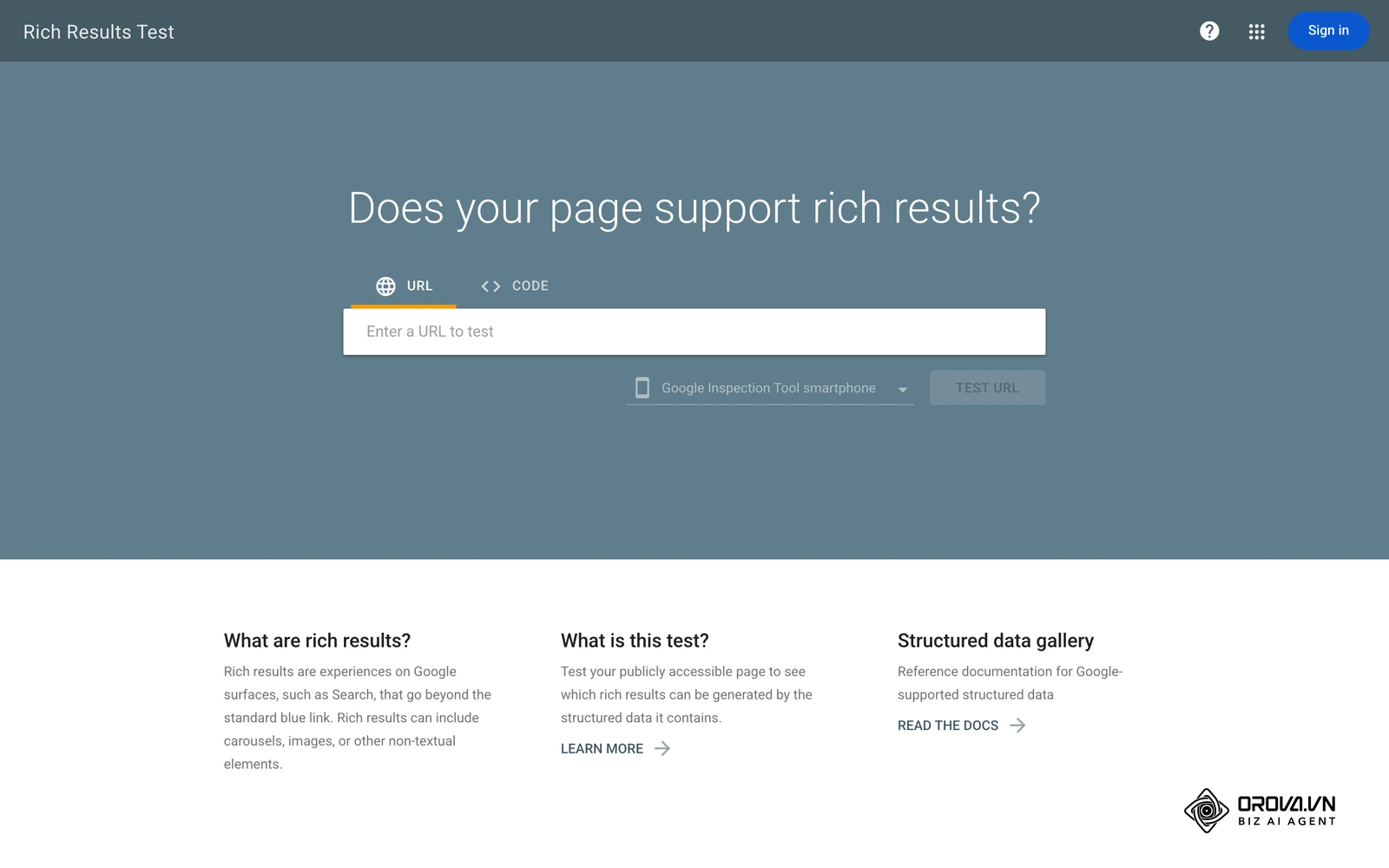
Step 4: Structured Data Optimization (Schema Markup)
Embed comprehensive Schema code into the article's source code to validate information with search engines. Below is a standard Schema template combining Article and FAQPage:
{
  "@context": "https://schema.org",
  "@graph": [
    {
      "@type": "Article",
      "@id": "https://domain.com/geo-seo-aeo/#article",
      "headline": "A Guide to Unifying SEO, AEO, and GEO: A Content Strategy",
      "description": "A detailed guide on how to combine SEO, AEO, and GEO to optimize resources and stay ahead of AI search trends.",
      "author": {
        "@type": "Person",
        "name": "John Doe",
        "jobTitle": "Head of Search Strategy",
        "sameAs": "https://www.linkedin.com/in/johndoe"
      },
      "publisher": {
        "@type": "Organization",
        "name": "ABC Enterprise",
        "logo": {
          "@type": "ImageObject",
          "url": "https://domain.com/logo.png"
        }
      },
      "datePublished": "2026-09-20",
      "dateModified": "2026-09-21"
    },
    {
      "@type": "FAQPage",
      "@id": "https://domain.com/geo-seo-aeo/#faq",
      "mainEntity": [
        {
          "@type": "Question",
          "name": "How is GEO different from traditional SEO?",
          "acceptedAnswer": {
            "@type": "Answer",
            "text": "Traditional SEO optimizes websites to rank higher on Google's link-based results pages, whereas GEO (Generative Engine Optimization) optimizes content to be cited directly by AI models (like ChatGPT, Perplexity, Gemini) in their synthesized answers."
          }
        },
        {
          "@type": "Question",
          "name": "Should small businesses prioritize SEO, AEO, or GEO?",
          "acceptedAnswer": {
            "@type": "Answer",
            "text": "Small businesses should adopt a unified strategy: build SEO-structured articles for a solid foundation, integrate concise AEO-compliant answers to capture Featured Snippets, and add real-world data points to earn AI citations via GEO."
          }
        }
      ]
    }
  ]
}
Step 5: Distribution and Building a Digital Footprint
AI models do not just read data on your website; they are trained on the entire expanse of the Internet. To increase the likelihood of AI citations (GEO), your content needs a multi-channel presence:
- Create Co-occurrence Links: Ensure your brand name appears alongside industry keywords on reputable forums, digital news outlets, academic papers, or podcasts.
- Leverage Open Platforms: Post research summaries on Reddit, LinkedIn Pulse, Quora, or GitHub. LLMs particularly value natural, objective discussions on professional social networking communities.
- Wikipedia & Wikidata: If your business qualifies, having an entity on Wikidata helps AI engines easily recognize your brand authority.
Step 6: Measuring Performance Across All Three Fronts
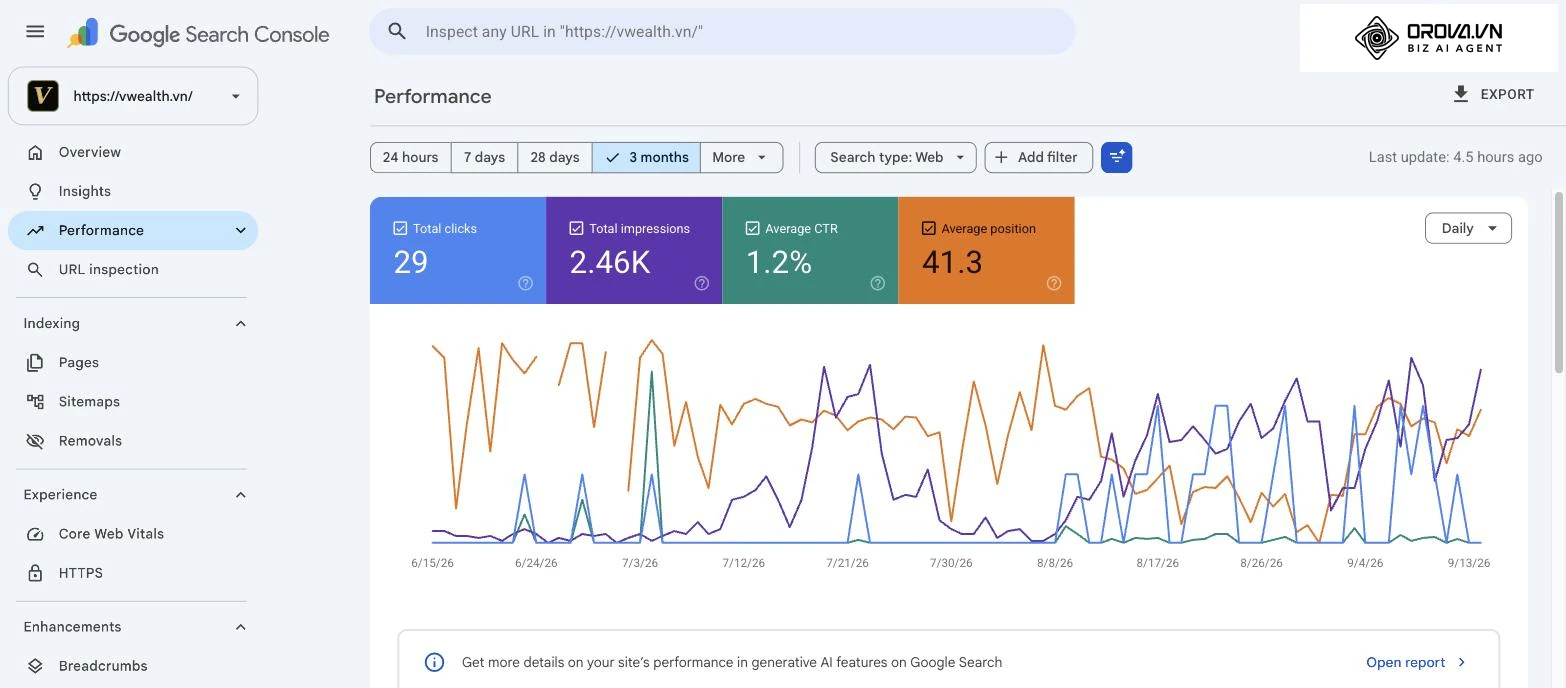
You cannot use traditional SEO metrics to evaluate the success of AEO and GEO. You need to establish a combined performance tracking dashboard:
┌────────────────────────────────────────────────────────────┐
│              UNIFIED TRACKING METRICS SYSTEM              │
├────────────────────────────────────────────────────────────┤
│ 1. SEO Measurement:                                        │
│    • Keyword Rankings (Top 3, Top 10)                      │
│    • Organic Impressions & Clicks (Google Search Console)  │
│    • Time on Page & Scroll Depth (Google Analytics 4)      │
├────────────────────────────────────────────────────────────┤
│ 2. AEO Measurement:                                        │
│    • Number of Featured Snippets acquired                  │
│    • Impression rate in People Also Ask (PAA)              │
│    • Traffic from voice queries (Voice Search)             │
├────────────────────────────────────────────────────────────┤
│ 3. GEO Measurement:                                        │
│    • Citation frequency on Perplexity                      │
│    • Brand recommendation rate in ChatGPT/Claude           │
│    • Referral Traffic from AI domains (chatgpt.com,        │
│      perplexity.ai, claude.ai)                             │
└────────────────────────────────────────────────────────────┘
With OROVA.VN and the OROVA SEO module, you put an end to the exhausting days of manual work for good. Instead of struggling for hours to write articles and compile reports, the entire process is now optimized and completed in just 5 minutes.
5. Resource Allocation Strategy by Business Size
A common mistake is trying to "tear down and rebuild" an entire content system at once. Depending on size and budget, resource allocation should be optimized as follows:
Scenario 1: Small Businesses & Startups (Limited Budget)
Resource Allocation: 50% Foundational SEO + 30% AEO + 20% GEO.
Action Focus:
- Focus on targeting Long-tail Keywords with specific search intents.
- Directly optimize short Q&A snippets (AEO) to quickly capture Position Zero without needing a massive backlink budget.
- Leverage real-world data from your own products/services to create uniqueness (Information Gain) for your articles.
Scenario 2: Medium-Sized Businesses (Stable Existing Traffic)
Resource Allocation: 35% SEO + 35% AEO + 30% GEO.
Action Focus:
- Conduct a comprehensive Content Audit on existing archives. Add Layer 1 (AEO Callouts) and Layer 3 (GEO Data Points) to articles currently ranking in Google's Top 10.
- Implement comprehensive Semantic Schema structures across the entire website system.
- Build industry mini-reports to attract organic citations from the press and AI.
Scenario 3: Large Enterprises & Corporations (Market Leaders)
Resource Allocation: 25% Maintenance SEO + 25% AEO + 50% GEO.
Action Focus:
- Focus on dominating AI Citation Share across the entire industry.
- Invest in large-scale research projects, exclusive market surveys, and open data releases for LLMs to ingest into their training datasets or RAG context libraries.
- Manage brand reputation across the entire digital landscape to ensure AI always generates Positive Sentiment regarding your products/services.
6. Mistakes to Avoid in Multi-Channel Content Optimization
While harmonizing all three disciplines, content marketers easily fall into these traps:
- Abusing AI to generate mass generic content: Using ChatGPT to churn out hundreds of articles with no fresh perspectives will only result in penalties from Google's Helpful Content updates and being ignored by AI search engines due to a zero Information Gain score.
- Sacrificing user experience for machine readability: Over-focusing on cramming AEO summaries or robotic data tables can make the article dry, stripping away brand voice and the ability to emotionally connect with human readers.
- Forgetting the ultimate conversion goal: Even if you appear at Position Zero on Google or get cited by AI, if the content does not skillfully integrate a Call to Action (CTA), a conversion solution, or unique brand value, that traffic will not translate into revenue.
- Neglecting Author Signals (Author E-E-A-T): AI tools are becoming increasingly strict in evaluating the identity of content creators. An article without clear author information and a professional profile has a significantly lower probability of being cited compared to an article signed by a reputable industry expert.
SEO is not disappearing, AEO is not a passing fad, and GEO is not some distant sci-fi technology. All three constitute a unified entity in the modern search marketing landscape: SEO builds the foundation, AEO captures the immediate moment, and GEO shapes the future of brand recognition in artificial intelligence.
By shifting from a "write to rank on Google" mindset to a "build accurate information resources for both humans and machines" mindset, businesses will not only protect their current traffic but also secure a leadership position in the generative search era.
Run your business with AI Agents
Orova is the always-on Biz AI Agent — it plans, runs, and optimizes the work for you.
Save time, unlock productivity.