
The Ultimate Guide to SEO Content Writing: Structure and Optimization for Top Rankings (2026 Edition)
In today's highly competitive digital landscape, having a well-designed website is simply not enough. To reach your target audience and generate organic traffic without relying constantly on paid advertising, you need a robust, data-driven content strategy.
This comprehensive guide serves as a pillar resource, breaking down the exact anatomy of standard seo articles and providing a step-by-step masterclass on seo content writing. Our ultimate goal is to help you craft material that not only captivates your human readers but also consistently dominates search engine results pages (SERPs).
Chapter 1: Understanding the Essence of "SEO Content"
Before diving into the technical mechanics, it is crucial to align our mindset with how modern search algorithms (like Google's Helpful Content Update and E-E-A-T guidelines) evaluate the web.
1.1. Defining High-Quality SEO Content
True seo content is not about awkwardly stuffing keywords into a robotic, unreadable wall of text. Instead, it is highly optimized material designed to achieve two primary objectives simultaneously:
- Serve the User: It provides accurate, valuable information that directly solves the reader's problem or satisfies their specific search query (search intent).
- Serve the Search Engine: It is structured clearly using standard HTML tags (Titles, Headings, Meta Data, Image Alt text) so that search engine crawlers can easily read, categorize, and index the page.
1.2. Why Are Your Articles Not Ranking?
Many talented writers create beautiful prose, yet their work remains buried on page 5 of Google. The reasons usually fall into these categories:
- Mismatched Search Intent: The user is searching for a "how-to guide," but you wrote a "product sales page." Google will always prioritize intent.
- Chaotic Structure: Failing to use proper Heading tags turns your post into a giant block of text, which frustrates both readers and bots.
- Thin Content: The article is too superficial and fails to cover the topic with the depth required to be considered an authoritative source.
- Poor On-Page Technicals: Neglecting to optimize the Title tag, Meta description, URL slug, or multimedia elements.
Chapter 2: The Golden Standard Structure for SEO Articles
Every successful post on a leading seo blog is built upon a solid technical framework. This structure not only helps Google understand the topic but also guides the reader's eye smoothly from top to bottom.
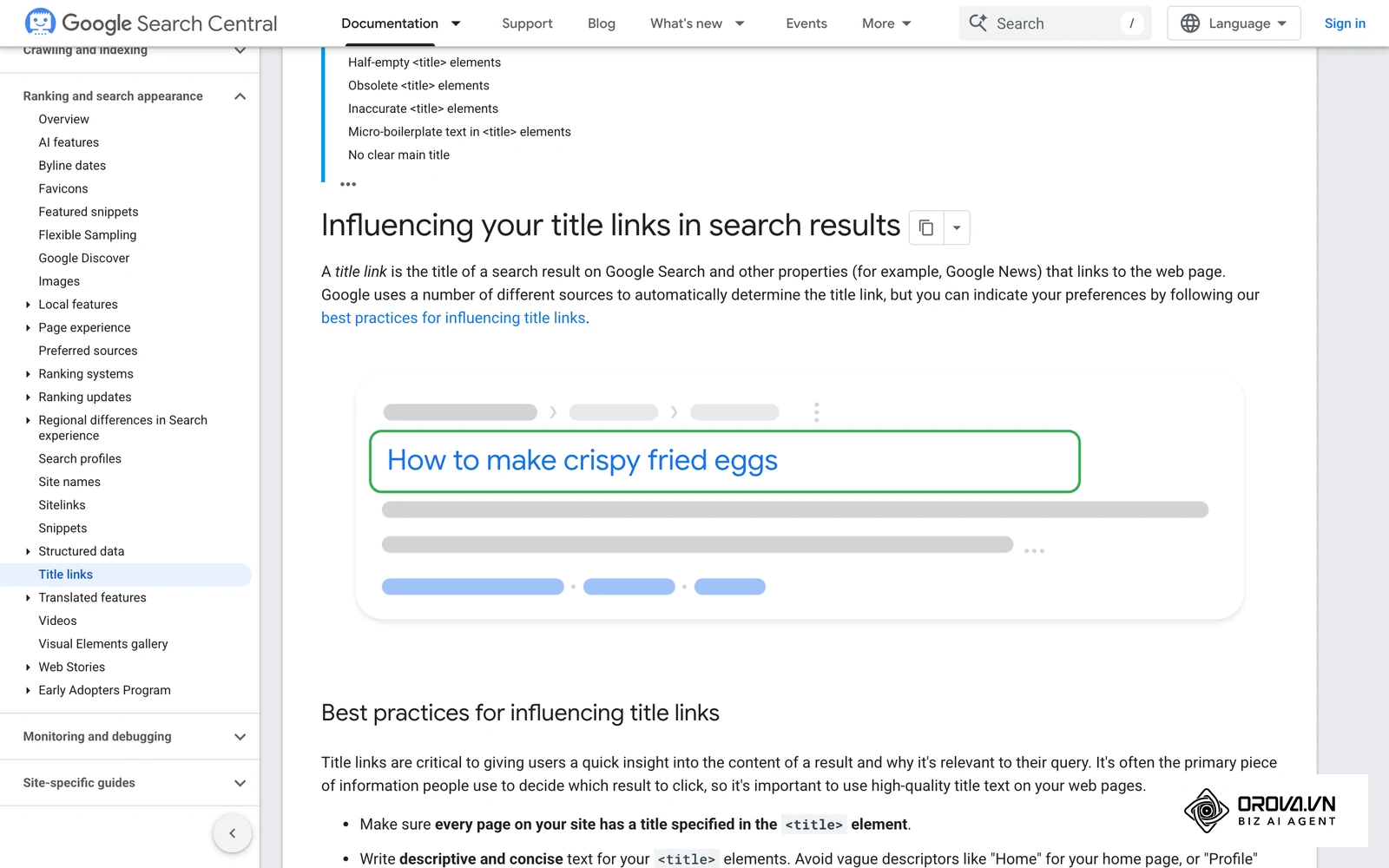
2.1. The Title Tag and H1 Heading
This is your first impression and the most critical on-page ranking factor.
- Front-load the Primary Keyword: Place your main keyword as close to the beginning of the title as possible (e.g., instead of "The Best Tips for SEO Content Writing", use "SEO Content Writing: The Ultimate Guide").
- Character Limit: Keep it between 55 - 60 characters to prevent truncation (the "..." effect) on the search results page.
- Use Click-Magnets: Safely increase your Click-Through Rate (CTR) by including numbers (Top 10), strong adjectives (Ultimate, Easy, Proven), or the current year.
H1 vs. Title Tag: The H1 is the title displayed directly on your web page. It can be slightly longer than the Title Tag, but remember: you should only ever have ONE H1 tag per page.
2.2. The SEO-Friendly URL Slug
Your URL should be clean, concise, and descriptive.
- Include the primary keyword, written in lowercase.
- Separate words with hyphens (-).
- Avoid auto-generated URLs with meaningless numbers or parameters (e.g., domain.com/?p=987).
Good Example: domain.com/seo-content-writing-guide
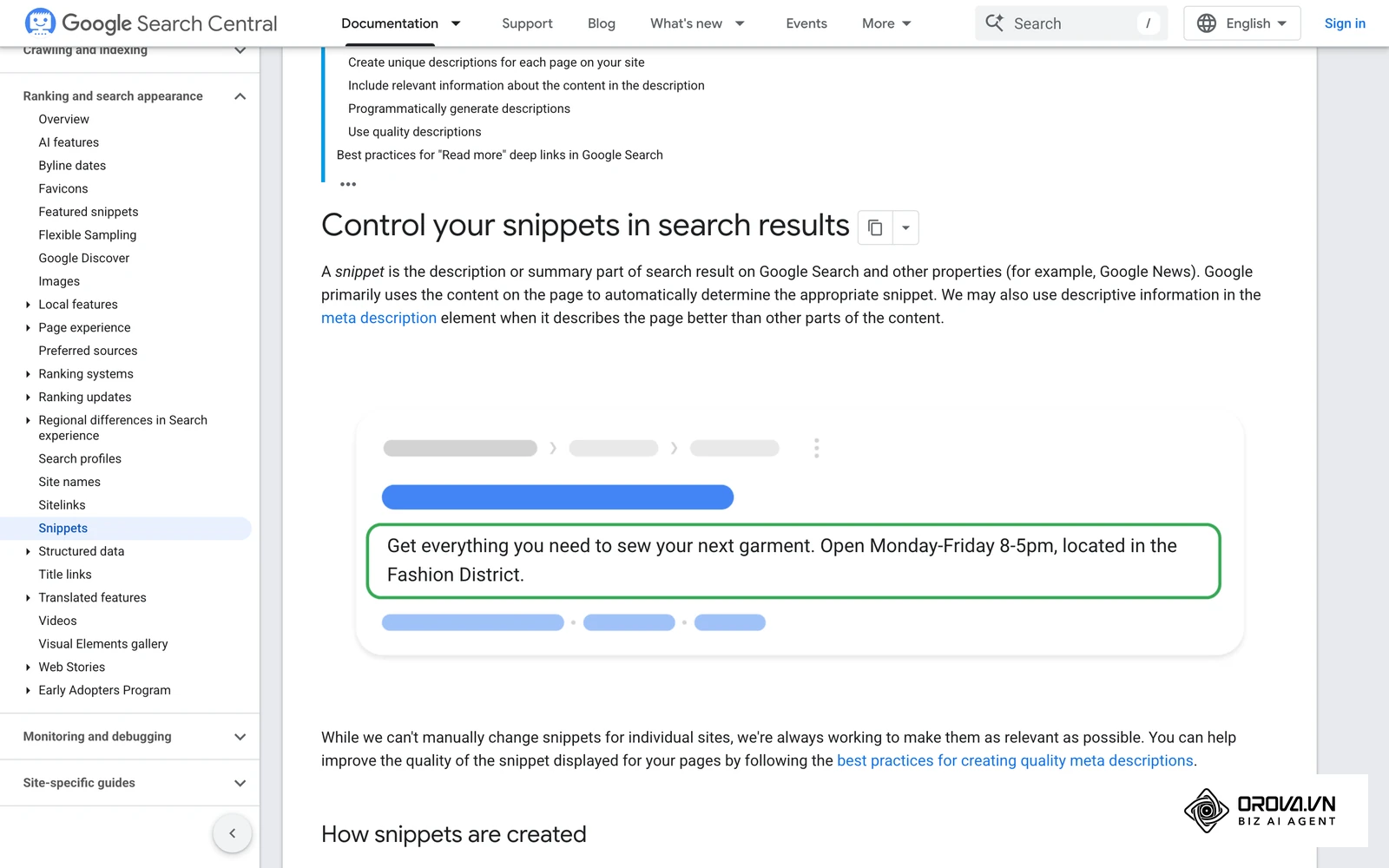
2.3. The Meta Description
While Google states that meta descriptions are not a direct ranking factor, they act as your organic ad copy and heavily influence whether someone clicks your link.
- Keep it under 160 characters.
- Summarize the core value of the article compellingly.
- Include the primary keyword (Google bolds it in the search results if it matches the user's query).
- End with a clear Call to Action (CTA) like "Read the full guide here!"
2.4. The Engaging Introduction (The Hook)
You have roughly three seconds to convince a visitor not to hit the "Back" button.
Use the APP Formula (Agree - Promise - Preview):
- Agree: Start with a statement the reader relates to, showing empathy for their problem.
- Promise: Guarantee that this specific article contains the solution they are looking for.
- Preview: Briefly outline what they will learn.
SEO Rule: Ensure your primary keyword appears naturally within the first 100 words of the text.
2.5. The Heading Hierarchy (H2, H3, H4)
Headings are the table of contents for your article.
- H2 Tags: Use these for the main sections or primary arguments of your post. This is the perfect place to naturally sprinkle in secondary (LSI) keywords.
- H3 and H4 Tags: Use these to break down the H2 sections into smaller, digestible sub-points.
A well-structured hierarchy means a reader should be able to skim your H2s and H3s and still grasp the core message of the article.
2.6. Deep Dive: Body Content Optimization
- Break Up the Text: Web users rarely read; they skim. Limit paragraphs to 3-4 lines maximum to create white space.
- Rich Formatting: Use bolding for key terms and italics for emphasis. Utilize bullet points and numbered lists to make data easy to consume.
- Keyword Density: Aim for a natural density of around 1% to 2%. If you are writing a comprehensive 2,000-word piece, your main keyword will naturally appear multiple times. Avoid "keyword stuffing" at all costs; use synonyms and related phrases instead.
2.7. Visuals and Multimedia
A text-only page is exhausting. Insert relevant images, infographics, or embedded videos every 300-400 words.
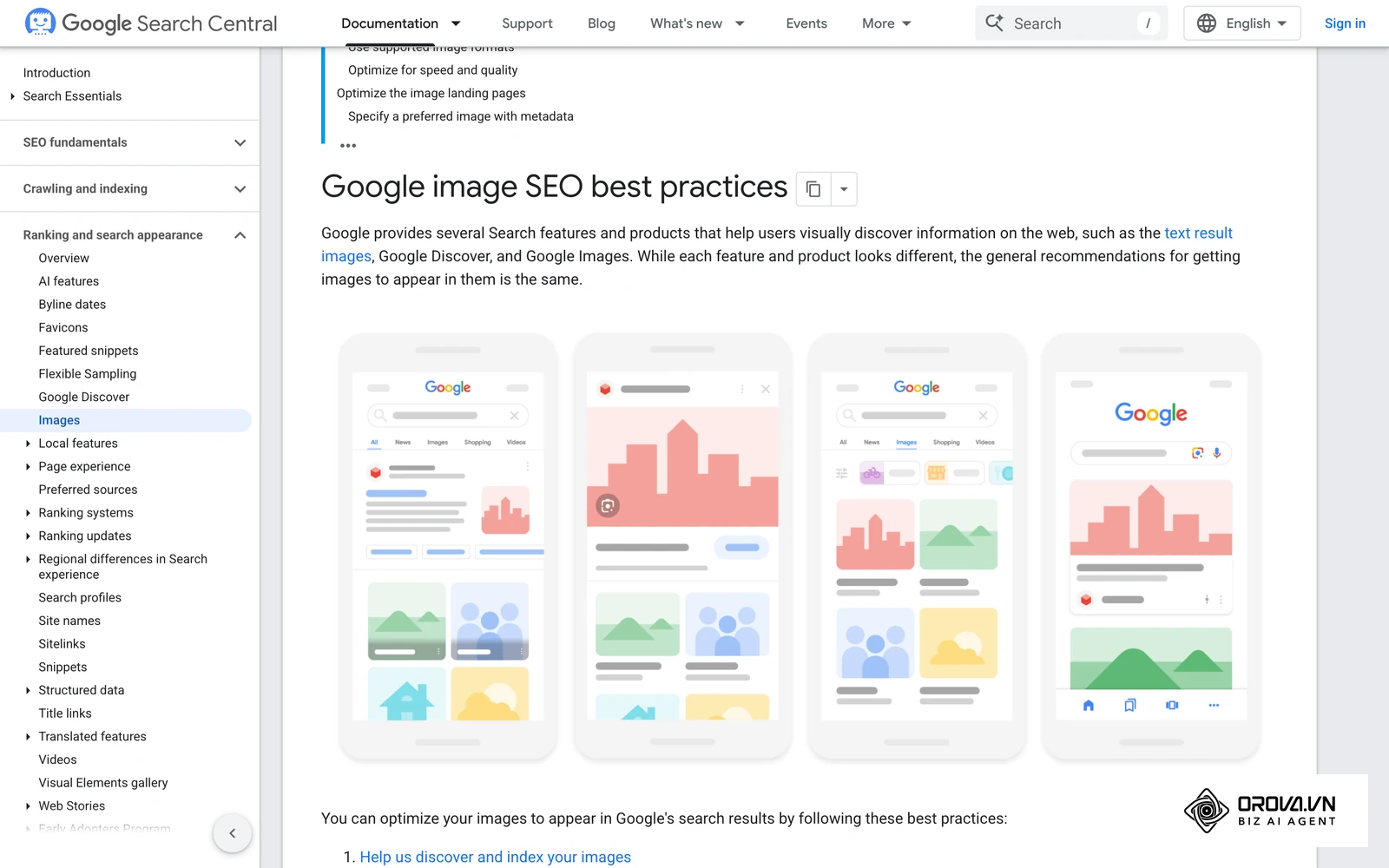
- File Names: Rename your image files with descriptive, hyphenated words before uploading (e.g., seo-content-structure.jpg).
- Compression: Compress images (keep them under 100KB if possible) to maintain fast page loading speeds.
- Alt Text: Search engines cannot "see" images. You must write descriptive Alt Text explaining what the image depicts, incorporating keywords where relevant and natural.
2.8. Strategic Linking
- Internal Links: Hyperlink to other relevant articles within your own website. This reduces bounce rates, increases time on site, and helps search engines crawl your site's architecture effectively, spreading "link juice."
- External Links: Do not be afraid to link out to highly authoritative domains (like .edu, .gov, or major industry publications) to back up your claims and statistics. This signals to Google that your content is well-researched and trustworthy.
Discover Orova.vn – a Biz AI Agent platform with OROVA SEO, a complete solution for every website. The system supports search engine optimization from A to Z with features including keyword research, writing new SEO-ready articles, optimizing existing content, rank tracking, plus competitor analysis and in-depth technical analysis. Sign up today to experience OROVA SEO completely free (offer valid through July 7, 2027).
Chapter 3: The Step-by-Step SEO Content Writing Workflow
Writing brilliant seo articles requires a systematic approach. Follow this 6-step workflow to turn content creation into a repeatable science.
Step 1: Data-Driven Keyword Research
Never guess what your audience wants. Let the data guide you.
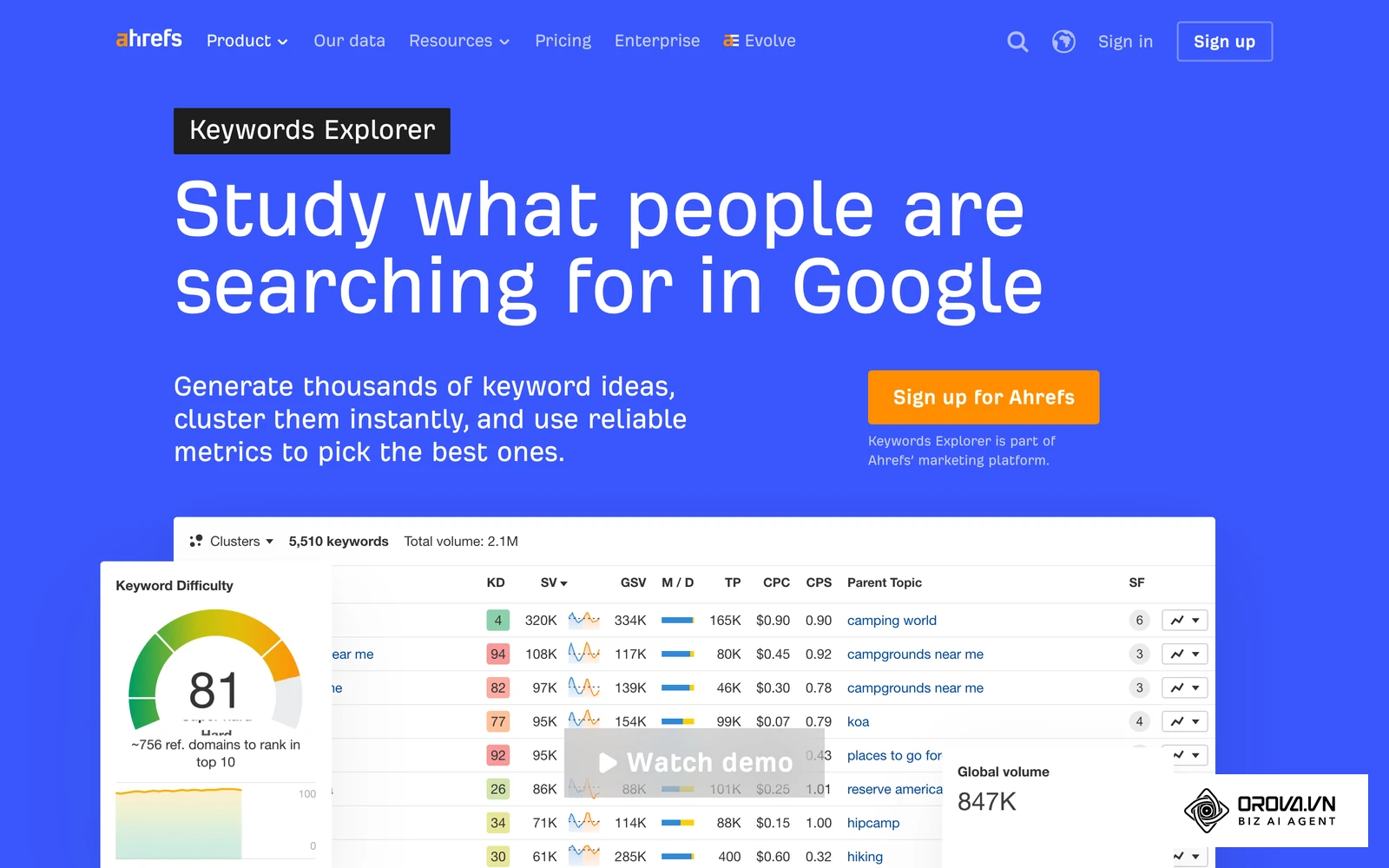
- Use tools like Ahrefs, SEMrush, or Google Keyword Planner.
- Identify one Primary Keyword (usually with solid search volume).
- Gather 5-10 secondary, long-tail, and LSI (Latent Semantic Indexing) keywords to enrich your vocabulary.
Step 2: Search Intent Analysis
Open an Incognito browser window, search for your primary keyword, and carefully analyze the top 10 ranking pages.
- What format are they using? (Listicles, Ultimate Guides, Reviews, or Product Pages?)
- How long is their content?
- What information are they missing that you can provide?
Your Goal: Use the "Skyscraper Technique." Make your article longer, more detailed, better formatted, and more visually appealing than the current top-ranking pages.
Step 3: Crafting the Outline
An outline prevents writer's block and keeps you from going off-topic. Map out your H2 and H3 tags based on the keyword groups you found in Step 1. A meticulous outline represents 50% of the work in creating successful seo content.
Step 4: The Drafting Phase
During this stage, ignore SEO entirely. Write as if you are a passionate expert speaking directly to a client. Focus on flow, emotion, clarity, and providing immense value. Do not stop to count how many times you have used a keyword.
Step 5: SEO Editing and Polish
Now, switch your brain from "Writer" to "SEO Editor." Review your draft:
- Check your Title tag, Meta Description, and URL.
- Ensure the primary keyword is in the introduction, at least one H2, and the image Alt text.
- Swap out repetitive words with synonyms (LSI keywords).
- Shorten long, complex sentences.
- Add your strategic internal and external links.
Step 6: Publishing and Monitoring
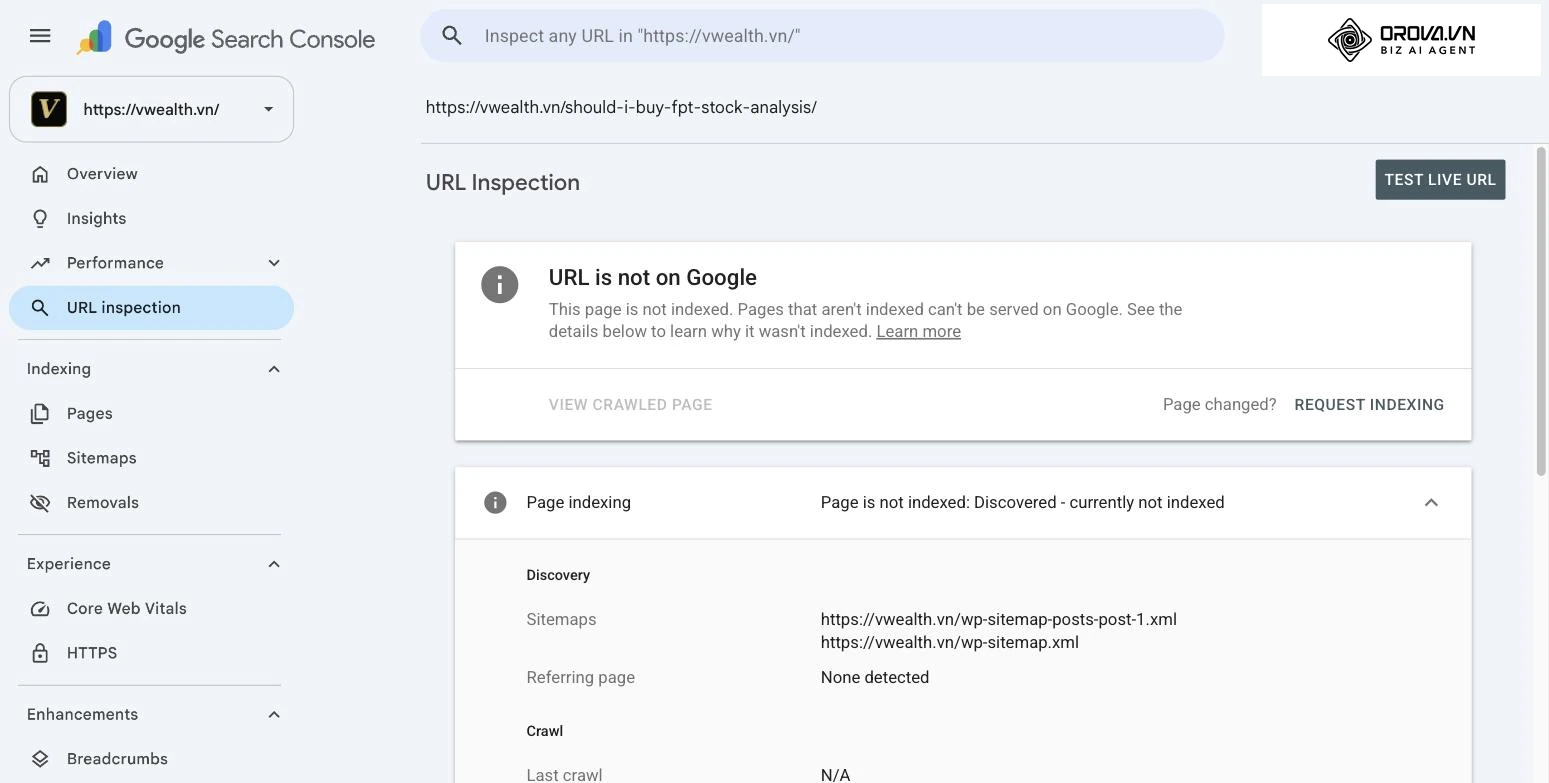
Once published, submit the URL to Google Search Console to request indexing. After 4-6 weeks, review the page's performance. See what secondary keywords it is naturally ranking for, and consider updating the content to target those new opportunities.
With OROVA.VN and the OROVA SEO module, you put an end to the exhausting days of manual work for good. Instead of struggling for hours to write articles and compile reports, the entire process is now optimized and completed in just 5 minutes.
Chapter 4: Advanced Tactics for Sustainable Rankings
Google's algorithms are vastly more sophisticated today than they were a few years ago. To stay ahead of the curve, focus on these advanced strategies.
4.1. Mastering E-E-A-T
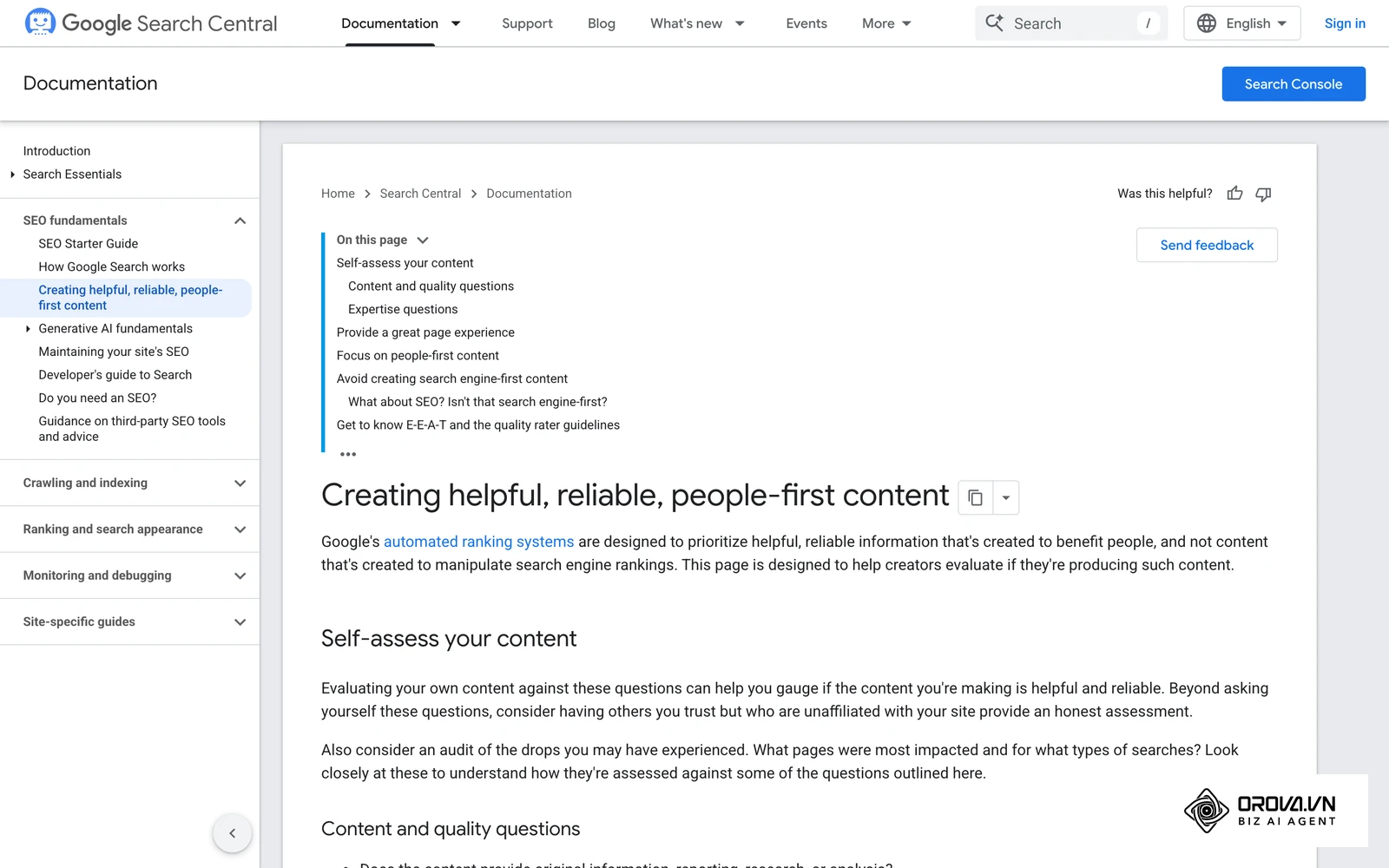
E-E-A-T stands for Experience, Expertise, Authoritativeness, and Trustworthiness. Google prioritizes content written by verified experts.
Actionable Step: Always include clear Author Biographies. Link the author's name to their professional LinkedIn profile or Twitter. Cite primary sources for any data you claim.
4.2. Leveraging Semantic Search
Google no longer just matches exact strings of text; it understands the context and relationships between words.
If you are writing an article about "Apple iPhone," semantic search expects to see related vocabulary like "iOS," "A16 Bionic chip," "battery life," "OLED screen," and "smartphone." Including this semantic vocabulary proves to the algorithm that your content has topical depth.
4.3. The Power of the Content Refresh
Articles have an expiration date. A fantastic post from two years ago will slowly lose its rank to newer, more updated content.
Every 6 to 12 months, audit your top-performing seo articles. Update old statistics, add new sections addressing recent industry trends, fix broken links, and update the "Published" date. This signals to Google that your content is fresh and relevant.
4.4. Targeting Featured Snippets (Position Zero)
The Featured Snippet is the highlighted answer box that appears at the very top of Google search results, stealing a massive amount of traffic.
How to win it: Find common questions related to your topic (What, Why, How). Place the question in an H2 or H3 tag. Immediately below it, provide a direct, succinct answer in a single paragraph of 40-50 words. Alternatively, use clean HTML tables or bulleted lists for step-by-step instructions.
Conclusion
Mastering seo content writing is not about tricking algorithms; it is a blend of persuasive copywriting, deep empathy for user intent, and disciplined adherence to technical formatting.
By applying the structures and step-by-step processes detailed in this guide, you are building a highly resilient foundation for your digital presence. Remember, SEO is a marathon. Consistently publish the highest quality content possible, and the reward of sustainable top-tier rankings and organic traffic will inevitably follow.
Run your business with AI Agents
Orova is the always-on Biz AI Agent — it plans, runs, and optimizes the work for you.
Save time, unlock productivity.