
What is SEO? A Complete Guide to SEO Search Engine Optimization & The Career of an SEO Specialist
In today’s hyper-connected digital landscape, having a beautiful website is simply not enough. If your potential customers cannot find you on Google, Bing, or Yahoo, your website is essentially a digital billboard hidden in the middle of a desert. This is where the power of organic visibility comes into play. But what exactly does it take to rank at the top?
In this comprehensive guide, we will dive deep into SEO search engine optimization, breaking down its core pillars, explaining why it is a critical investment for businesses, and detailing the everyday responsibilities of an SEO professional.
1. What is SEO? Understanding the Basics
1.1. The Definition of SEO Search Engine Optimization
To put it simply, SEO (Search Engine Optimization) is the strategic process of enhancing a website to improve its visibility and ranking on search engine results pages (SERPs).
When users type a query into Google, the search engine’s complex algorithms scour the internet to deliver the most relevant, authoritative, and user-friendly answers. The practice of SEO search engine optimization involves aligning your website’s content, technical structure, and online authority with what these algorithms (and your human users) are looking for.
The ultimate goal of SEO is not just to secure the #1 spot, but to drive high-quality, targeted organic traffic—visitors who are actively searching for the products, services, or information you offer.
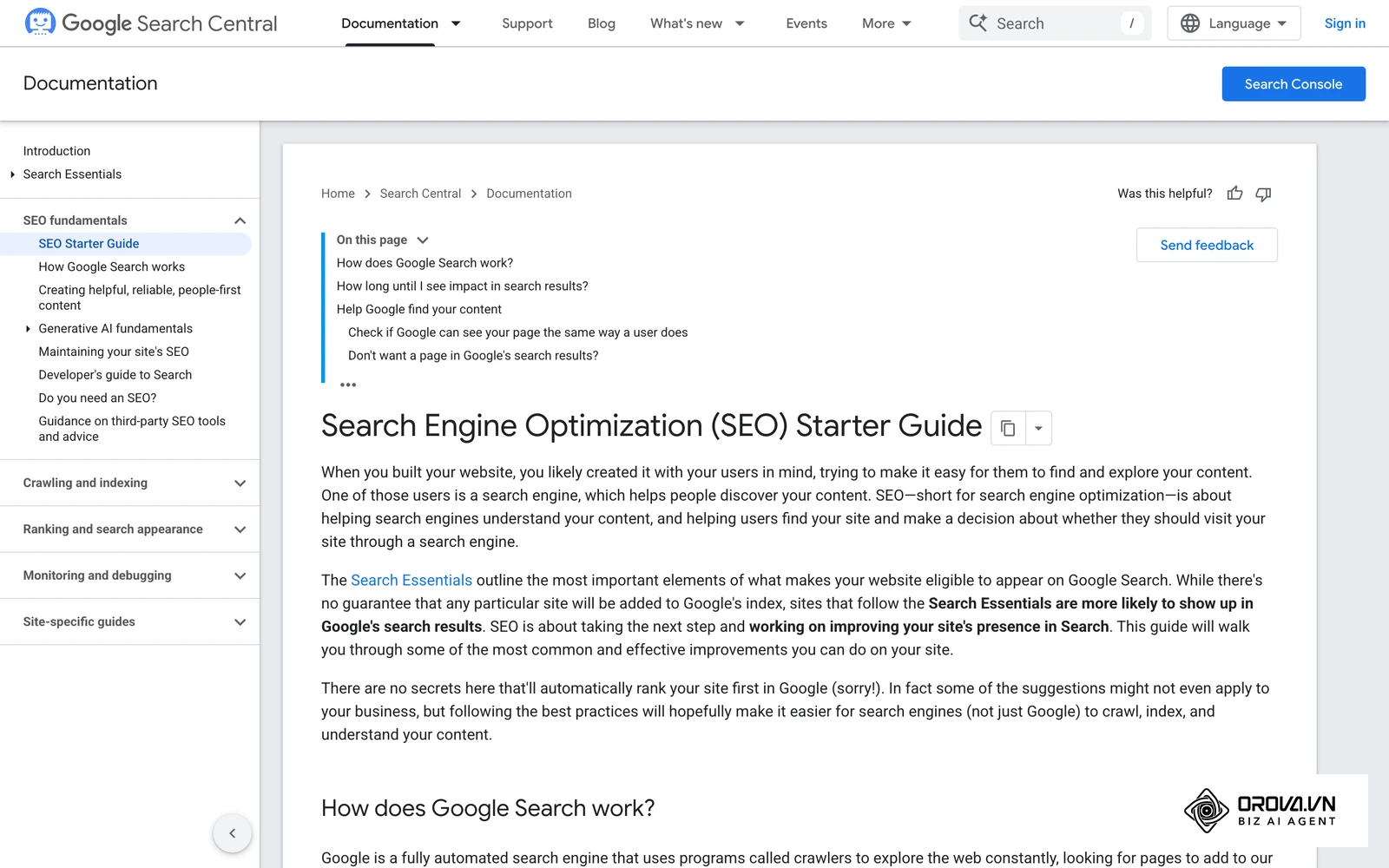
1.2. How Do Search Engines Actually Work?
To master SEO, you must understand the three fundamental steps search engines take to display results:
- Crawling: Search engines send out automated bots (spiders or crawlers) to discover new and updated pages on the web.
- Indexing: Once a page is crawled, the search engine tries to understand what the page is about. It stores this information in a massive database called the Index.
- Ranking: When a user performs a search, the search engine sifts through its index to provide the most relevant answers, ranking them from most to least useful based on hundreds of ranking factors.
1.3. SEO vs. SEM (Google Ads): What’s the Difference?
A common point of confusion for beginners is the difference between SEO and Paid Advertising (SEM/PPC).
- Google Ads (Paid): You pay for every click your website receives. Your site appears immediately at the top of the page with a "Sponsored" tag. However, the moment you stop paying, your traffic drops to zero.
- SEO (Organic): You do not pay Google for the clicks. Earning a top organic ranking requires a significant investment of time, content creation, and technical work. It can take months to see results, but once you rank, you enjoy continuous, sustainable traffic without paying per click.
2. Why is SEO Critical for Your Business?
Why do top global brands invest millions into SEO search engine optimization? Here are the undeniable business benefits:
2.1. Highly Targeted, High-Converting Traffic
Unlike traditional outbound marketing (like TV ads or billboards) where you interrupt people, SEO is an inbound marketing strategy. You are appearing exactly at the moment a user expresses a need. A user searching for "best accounting software for startups" is already at the bottom of the marketing funnel and ready to convert.
2.2. Incredible Long-Term ROI
While paid ads offer immediate gratification, their Customer Acquisition Cost (CAC) rises every year. SEO is the opposite. It requires upfront effort, but once a piece of content ranks well, it can generate passive traffic for years. Over time, the ROI of SEO compounds dramatically, lowering your overall marketing costs.
2.3. Brand Authority and Trust
Psychologically, users trust Google. If Google places your website at the top of the search results, users automatically perceive your brand as an industry leader and a credible source. High rankings build immense brand equity.
Discover Orova.vn – a Biz AI Agent platform with OROVA SEO, a complete solution for every website. The system supports search engine optimization from A to Z with features including keyword research, writing new SEO-ready articles, optimizing existing content, rank tracking, plus competitor analysis and in-depth technical analysis. Sign up today to experience OROVA SEO completely free (offer valid through July 7, 2027).
3. The Four Core Pillars of SEO
Successful SEO search engine optimization is never about manipulating the system with tricks. It is about building a holistic, high-quality website. To achieve this, you must master the four main pillars of SEO:
3.1. On-Page SEO (Content and Relevance)
On-page SEO refers to everything you do directly on your website to help search engines understand your content.
- Keyword Research & Targeting: Identifying the terms your audience searches for and strategically placing them in your Title tags, Meta Descriptions, Headers (H1, H2), and naturally throughout the body text.
- High-Quality Content Creation: Writing comprehensive, unique, and engaging content that perfectly satisfies the user's "Search Intent" (what they actually want to achieve by searching).
- Image Optimization: Compressing images for faster load times and using descriptive Alt Text so search engines can "see" your visuals.
- Internal Linking: Connecting your own pages together with hyperlinks to help users navigate your site and to establish a hierarchy of information.
3.2. Off-Page SEO (Authority and Trust)
Off-page SEO involves actions taken outside of your website to impact your rankings. The core of this pillar is Link Building.
- When a reputable, high-traffic website links back to your site (a backlink), search engines view this as a "vote of confidence."
- Earning high-quality backlinks from industry blogs, news outlets (Digital PR), and authoritative directories proves to Google that your website is a trustworthy entity.
- Off-page also includes Social Media marketing, brand mentions, and influencer outreach.
3.3. Technical SEO (Crawlability and Performance)
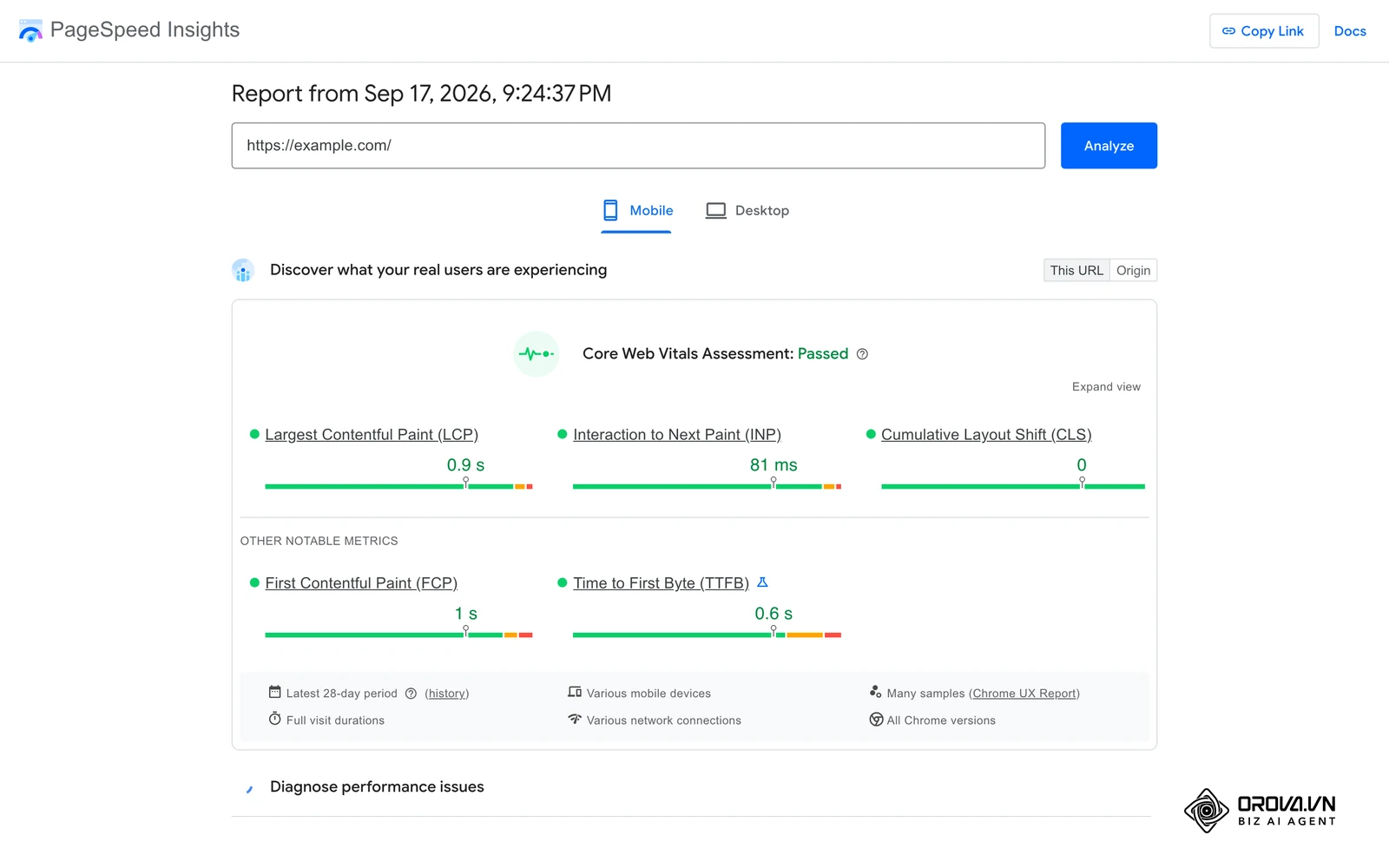
Even the best content won't rank if search engines can't access it. Technical SEO ensures your website meets the technical benchmarks set by Google.
- Site Speed: Websites must load blazingly fast (ideally under 2.5 seconds), especially on mobile networks.
- Mobile-Friendliness: With Google’s Mobile-First Indexing, your site must look and function flawlessly on smartphones and tablets.
- Site Architecture: Creating an XML Sitemap, using a clean URL structure, and ensuring there are no broken links (404 errors) or "orphan pages."
- Security: Securing your site with an SSL certificate (HTTPS) is a mandatory ranking factor.
3.4. Local SEO (For Brick-and-Mortar Businesses)
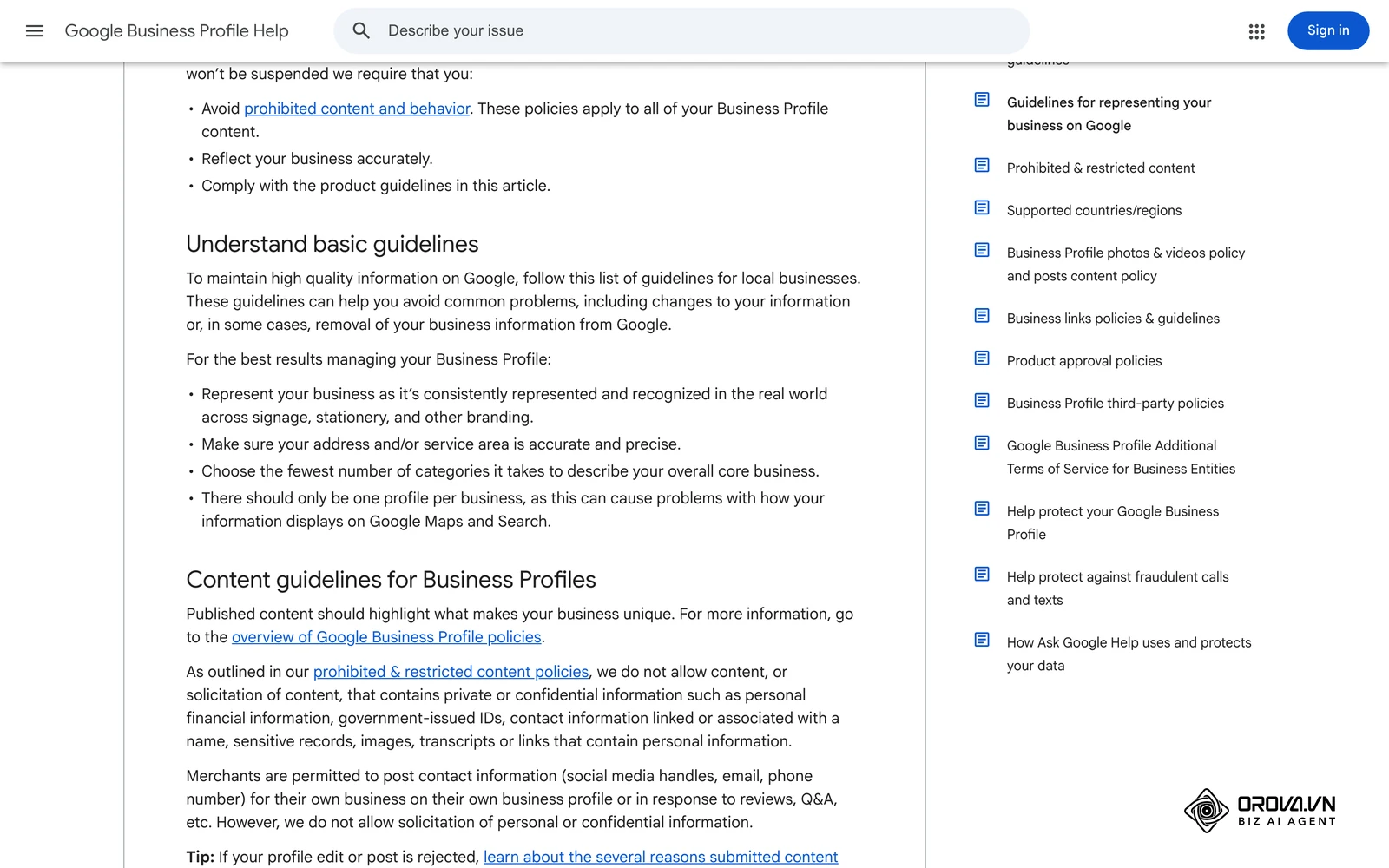
If you run a local business (e.g., a dental clinic, restaurant, or law firm), Local SEO ensures you appear in location-based searches like "plumber near me." The foundation of Local SEO is creating and optimizing a Google Business Profile, managing online reviews, and maintaining consistent NAP (Name, Address, Phone Number) across local directories.
With OROVA.VN and the OROVA SEO module, you put an end to the exhausting days of manual work for good. Instead of struggling for hours to write articles and compile reports, the entire process is now optimized and completed in just 5 minutes.
4. What Does an SEO Professional Do? (Daily Tasks & Workflows)
Understanding the theory of SEO search engine optimization is one thing, but what does an SEO Specialist actually do all day? The role requires a unique blend of analytical thinking, creativity, and technical know-how.
Here is a look into the lifecycle of an SEO project:
Phase 1: Research, Auditing, and Strategy (The Foundation)
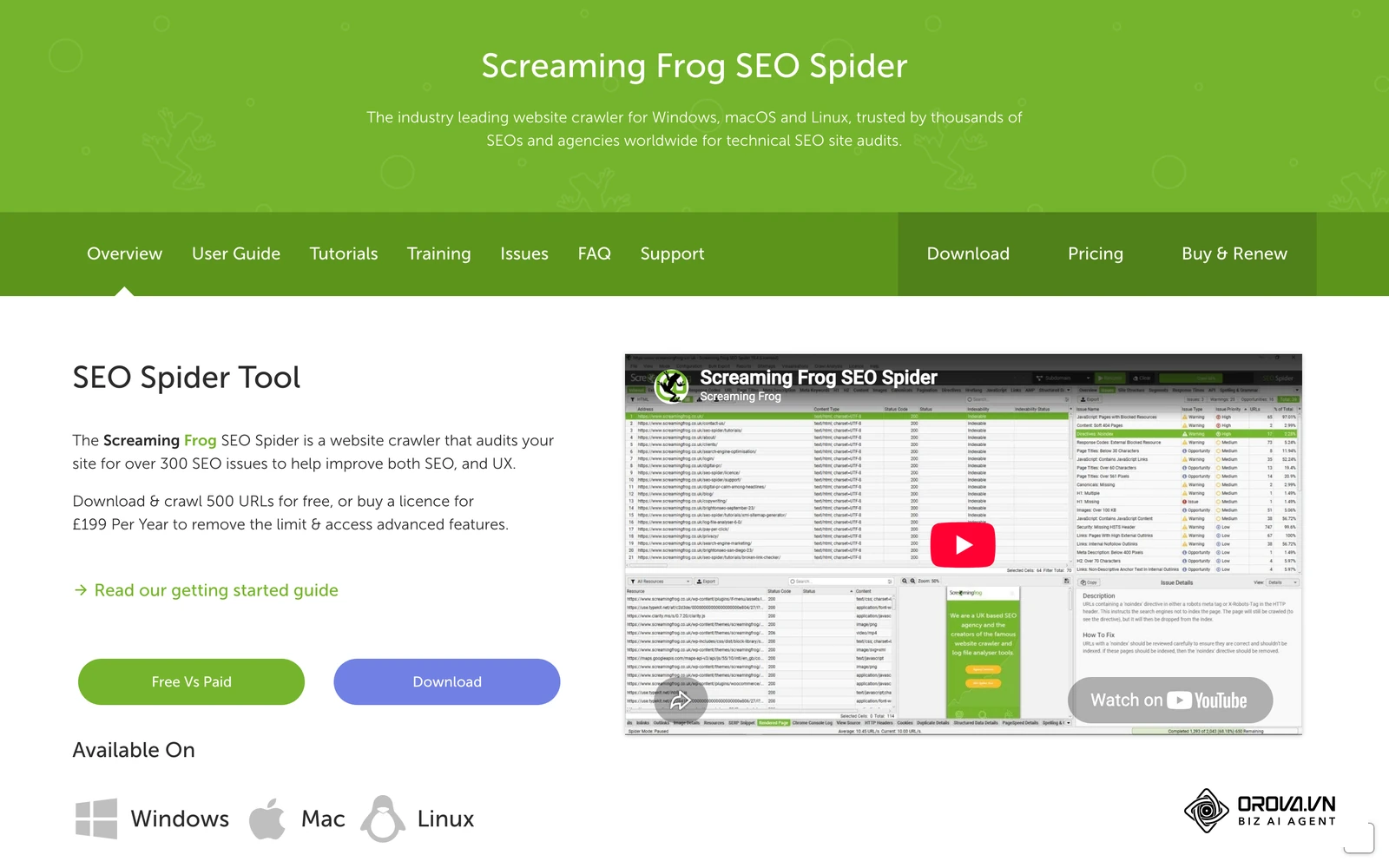
- Technical Website Audits: Using tools like Screaming Frog or Ahrefs to crawl a client's website, identifying technical roadblocks like toxic backlinks, duplicate content, or slow server response times.
- Comprehensive Keyword Research: Finding the "sweet spot" keywords—those with high search volume, manageable competition, and high business value.
- Competitor Analysis: Reverse-engineering the top-ranking competitors to see what content they are writing, where they get their backlinks, and where their weaknesses lie.
Phase 2: Execution and Optimization (The Heavy Lifting)
- Content Briefs & Creation: Creating detailed outlines for copywriters to ensure new blog posts or landing pages are perfectly optimized for target keywords and search intent.
- On-Page Implementation: Logging into the CMS (like WordPress) to optimize meta tags, fix headings, add schema markup, and improve the internal linking structure.
- Outreach & Link Building: Pitching guest posts to industry blogs, reaching out to journalists with data-driven PR campaigns, or fixing broken links on other websites to earn a backlink.
Phase 3: Measurement, Analysis, and Maintenance (The Continuous Loop)
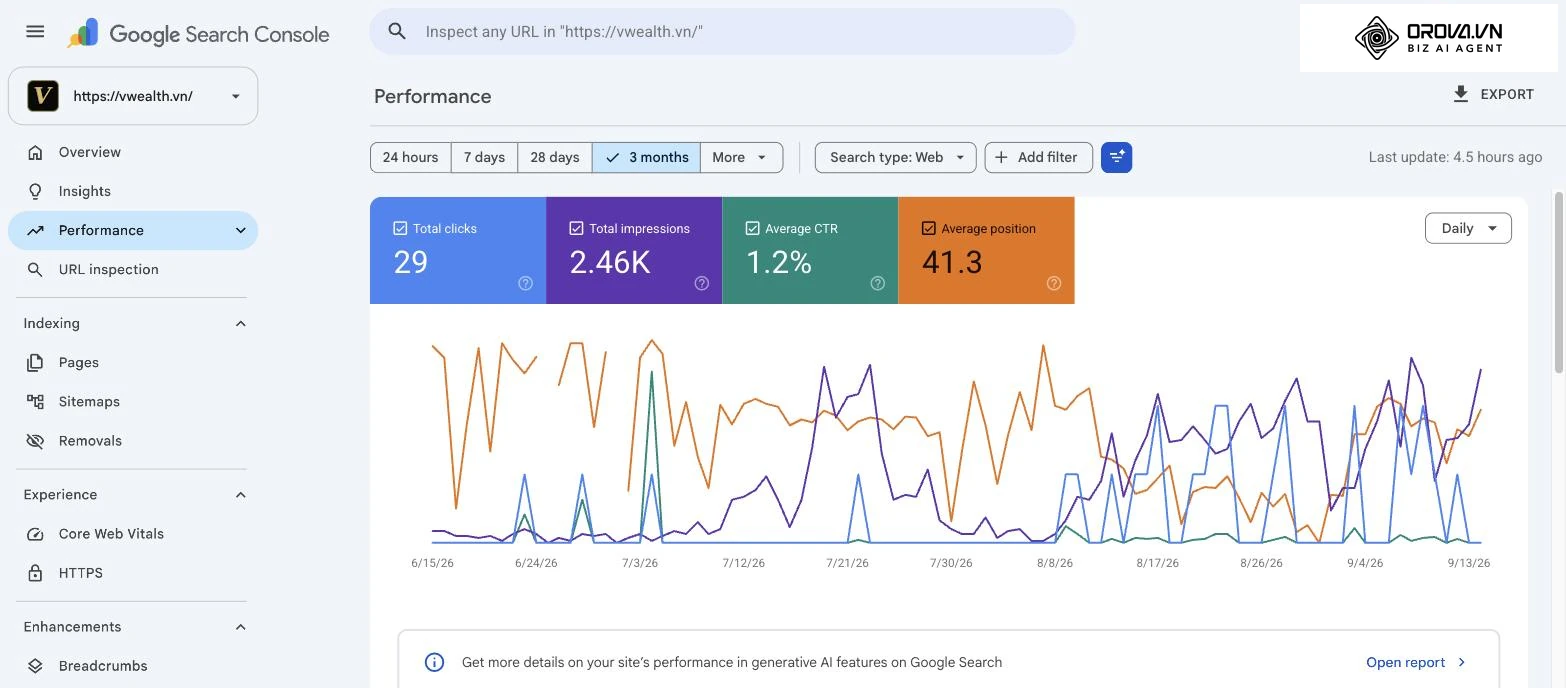
- Data Analysis: Monitoring Google Analytics and Google Search Console daily to track organic traffic, keyword position changes, and user behavior (like bounce rate and time on page).
- Conversion Rate Optimization (CRO): SEO doesn't stop at traffic. SEOers run A/B tests on call-to-action (CTA) buttons and page layouts to ensure that organic traffic actually converts into leads or sales.
- Algorithm Updates: Google updates its algorithm thousands of times a year. A dedicated SEO professional constantly reads industry news and adjusts strategies to recover from or capitalize on these core updates.
5. Essential Skills for a Successful Career in SEO
To thrive in the dynamic field of SEO search engine optimization, professionals need to cultivate a specific set of skills:
- Analytical Mindset: You must love data. The ability to look at a spreadsheet of traffic drops and diagnose the root cause is crucial.
- Empathy and Psychology: You need to understand the human being behind the screen. What is their real problem? What tone of voice are they expecting?
- Basic Coding Knowledge: While you don't need to be a software engineer, knowing basic HTML, CSS, and how JavaScript affects rendering is incredibly helpful.
- Adaptability and Continuous Learning: What worked in SEO five years ago might get your site penalized today. The willingness to constantly learn, test new theories, and adapt is the hallmark of a great SEOer.
Conclusion
SEO search engine optimization is neither a dark art nor a quick scheme; it is a fundamental, data-driven marketing discipline. It connects real people looking for solutions with the businesses that provide them. Whether you are a business owner looking to grow your brand's digital footprint, or an aspiring marketer curious about the profession, mastering the pillars of Content, Authority, and Technical stability will set you on the path to long-term success in the search engines.
Run your business with AI Agents
Orova is the always-on Biz AI Agent — it plans, runs, and optimizes the work for you.
Save time, unlock productivity.