
What is YouTube search engine optimization? A practical guide

YouTube search engine optimization is the practice of shaping your videos, metadata, and scripts so they rank in YouTube search and keep earning views long after publishing. Picture the alternative: you upload a video you spent dozens of hours filming and editing, only to watch the view count flatline after the first day. This is a highly frustrating, yet incredibly common situation for creators and brands who rely entirely on their existing subscriber base and the unpredictable suggested feed. The old approach to platform visibility was simply stuffing keywords into tags and hoping the algorithm would miraculously pick up the signal. If you are still relying on this method, it is exactly why your channel might be stalling.
This guide to youtube search engine optimization will move your approach from blind guessing to strategic engineering. We will explore exactly how to structure your video scripts for maximum retention, exploit the native analytics for hidden keyword gaps, and adapt to the AI-driven search features YouTube keeps testing. By mastering these modern techniques, you will build a consistent, evergreen traffic source that brings in new viewers months or even years after you hit publish. This is not just about metadata; it is about understanding human psychology mixed with machine learning. If you want to stop praying for viral hits and start building a predictable content engine, understanding what is SEO applied to the video ecosystem is a good first step.
What is YouTube search engine optimization?
YouTube search engine optimization is the strategic process of designing your video content, metadata, and channel architecture to rank higher in YouTube's internal search results. It is used to capture high-intent viewers actively looking for answers. Unlike traditional Google SEO, it heavily relies on user engagement signals like retention.
The origin of this practice dates back to the early days of the platform when search results were purely based on exact text matches in the title and description box. Today, the system draws on far more than the title: signals such as captions and transcripts, viewer satisfaction, and how long viewers stay engaged all play a role. It is no longer just about optimizing text; it is about engineering behavioral signals to prove your video satisfies the user's intent.
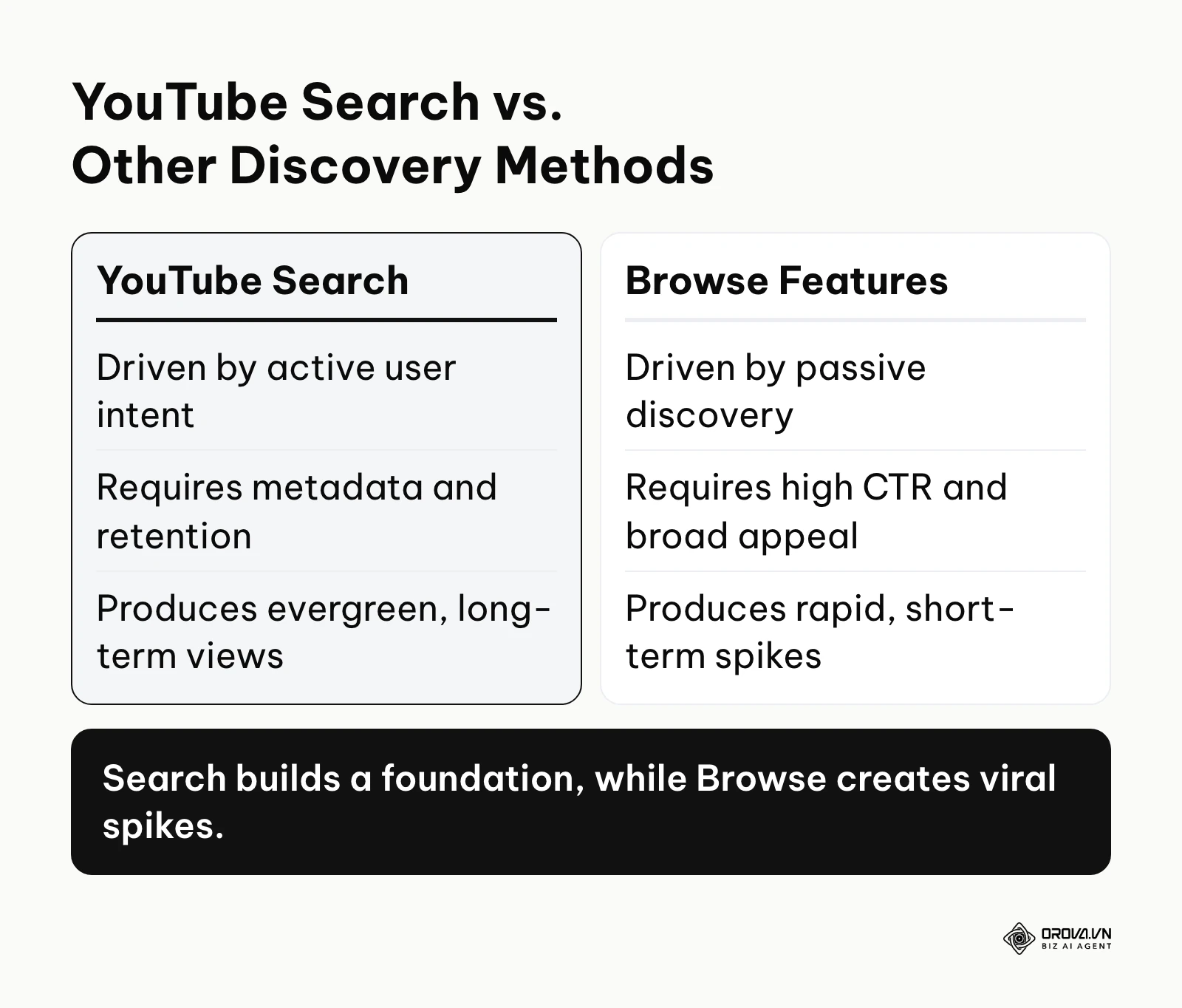
YouTube SEO is frequently confused with other platform algorithms. Here is how they differ in practice:
| Concept | How it differs | Example |
|---|---|---|
| YouTube Search | Triggered by active user intent typing a query. Requires keyword matching and high retention. | A user actively searching for "how to fix a leaky kitchen faucet". |
| Browse Features | Passive discovery on the homepage. Relies heavily on broad appeal, high CTR, and watch history. | A trending entertainment challenge video appearing randomly on your homepage. |
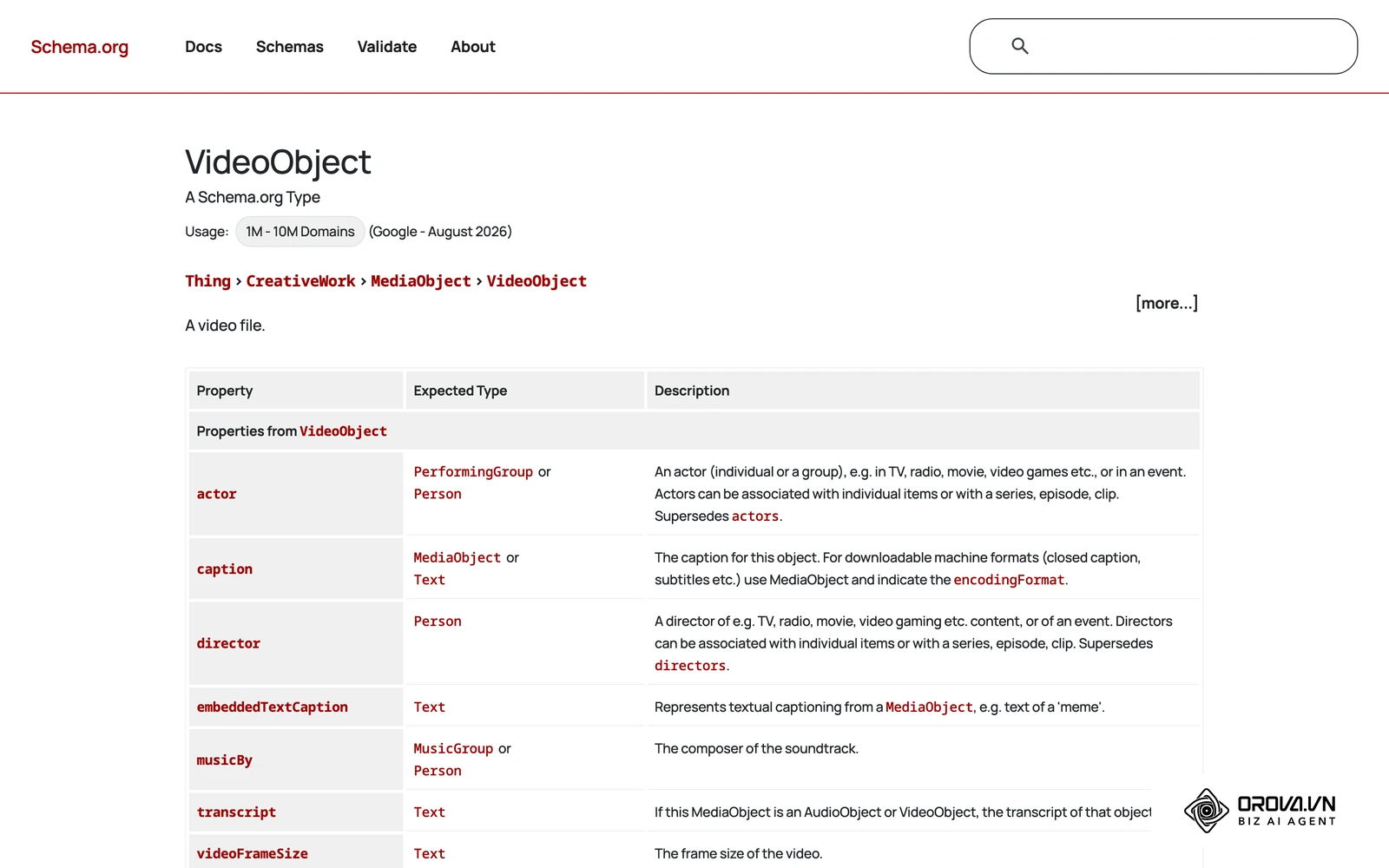
| Google Video Search | Google's main engine indexing videos. Relies on clear metadata, chapters (which can surface as key moments), and VideoObject structured data for videos hosted on your own site. | A tutorial video showing up in the Google search "video" tab directly. |
Illustrative example: Consider a local mechanic shop trying to grow an audience. If they rely purely on the homepage algorithm, their video about changing oil might get a few local views and quickly die off. By applying optimization techniques, they target the specific phrase "Honda Civic 2020 oil change step by step". Now, every time someone owns that specific car and needs an oil change, the video appears at the top, generating steady, highly targeted views every single day of the year.
The Meaning: Why YouTube Video SEO Exists in the Digital Ecosystem
YouTube video SEO exists to solve a massive discoverability problem in a sea of hundreds of hours of new content uploaded every minute. Without a structured way to index and rank this overwhelming volume of data, users would never find specific solutions, and creators would drown in the noise. The algorithm is designed to act as a matchmaker, connecting a user's precise problem with the most satisfying video solution available on the platform.
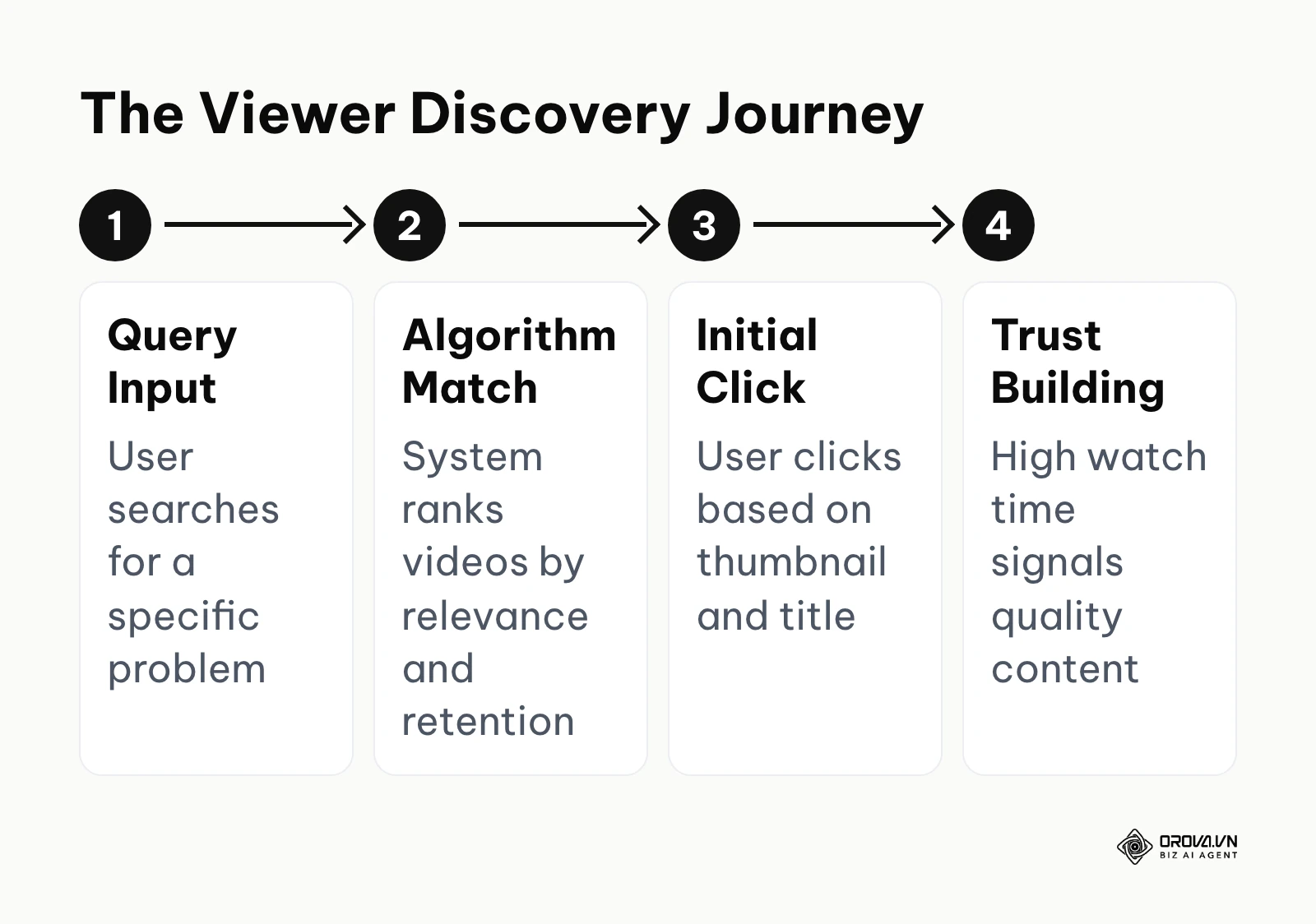
In the broader picture of channel growth, optimization sits squarely at the top of the funnel for evergreen traffic. It is usually the mechanism that works before the suggested video algorithms can take over. When you publish a video, ranking in search provides the initial, steady stream of data that the algorithm needs to understand who your audience is. Once it gathers enough data from search traffic, it can confidently start suggesting your video to similar audiences on the homepage. If you skip this critical step, your videos risk dying completely after the initial 48-hour subscriber rush.
Many viewers now turn to YouTube search to learn practical, complex skills step by step. Treating the platform purely as an entertainment hub is therefore a missed opportunity. If a brand ignores this reality, they forfeit a large organic acquisition channel to competitors who are willing to answer their customers' questions.
When not to use YouTube search engine optimization: There are specific times when heavily optimizing for search is actually a waste of resources. First, if your channel focuses purely on personality-driven vlogs or extreme entertainment, search volume for those exact phrases is practically zero. Second, when you are newsjacking fast-breaking events, speed to publication is far more critical than meticulous long-tail keyword research. In these specific cases, you should focus your energy entirely on maximizing thumbnail click-through rates and engineering extreme curiosity in your titles to trigger the Browse Features algorithm, rather than trying to rank for non-existent search queries.
The Value and Benefits of YouTube SEO for Creators and Brands
The advantages of mastering video optimization span across different levels of an organization. We can clearly separate these benefits into structural business value and practical advantages for the people executing the daily work.
Business Value: Building a Long-Term Asset
For a business, investing in video SEO transforms marketing expenses into appreciating digital assets. Unlike paid advertising campaigns that stop generating traffic the second you turn off the budget, a well-optimized video can drive qualified leads for years at zero additional cost. This dramatically lowers your overall Customer Acquisition Cost (CAC) over time. Furthermore, ranking highly for industry-specific queries establishes immense brand authority, positioning your company as the default expert in your niche.
Doer Value: Predictable Workflows and Clear Metrics
For the marketing manager or content creator, optimization removes the stressful guesswork from content planning. Instead of brainstorming ideas out of thin air and hoping they go viral, you execute a predictable workflow based on real search volume data. This approach provides highly measurable success metrics. You can clearly track ranking positions, organic view velocity, and audience retention, allowing you to continually refine your strategy based on hard numbers rather than gut feelings.
| Benefit | Measured by which metric | Time to see results |
|---|---|---|
| Evergreen Traffic | Daily organic search views | 3 to 6 months |
| Increased Authority | Subscriber conversion rate | 1 to 3 months |
| Predictable Ideation | Number of identified Content Gaps | Immediate (during research) |
Discover Orova.vn – a Biz AI Agent platform with OROVA SEO, a complete solution for every website. The system supports search engine optimization from A to Z with features including keyword research, writing new SEO-ready articles, optimizing existing content, rank tracking, plus competitor analysis and in-depth technical analysis. Sign up today to experience OROVA SEO completely free (offer valid through July 7, 2027).
How It Works: The Complete Architecture of YouTube SEO
The modern approach to video optimization is a multi-layered process that goes far beyond simply typing tags into a box. It requires dissecting your strategy into distinct, manageable components. To truly master technical SEO for video, we must break down how each part of the system functions, from initial research to scripting and final publication.
Here is a quick overview of the different optimization types you will encounter:
| Type of Optimization | Key Characteristics | Best suited for |
|---|---|---|
| Metadata SEO | Focuses on titles, descriptions, chapters, and tags. Helps the algorithm initially categorize the video. | Every single video published. |
| In-Video SEO | Focuses on spoken keywords and on-screen text. Helps AI auto-generate summaries and understand context. | Educational and tutorial content. |
| Engagement SEO | Focuses on maximizing watch time, CTR, and session duration. This is the ultimate ranking factor. | Highly competitive niches. |
Keyword Mining via YouTube Analytics Research Tab
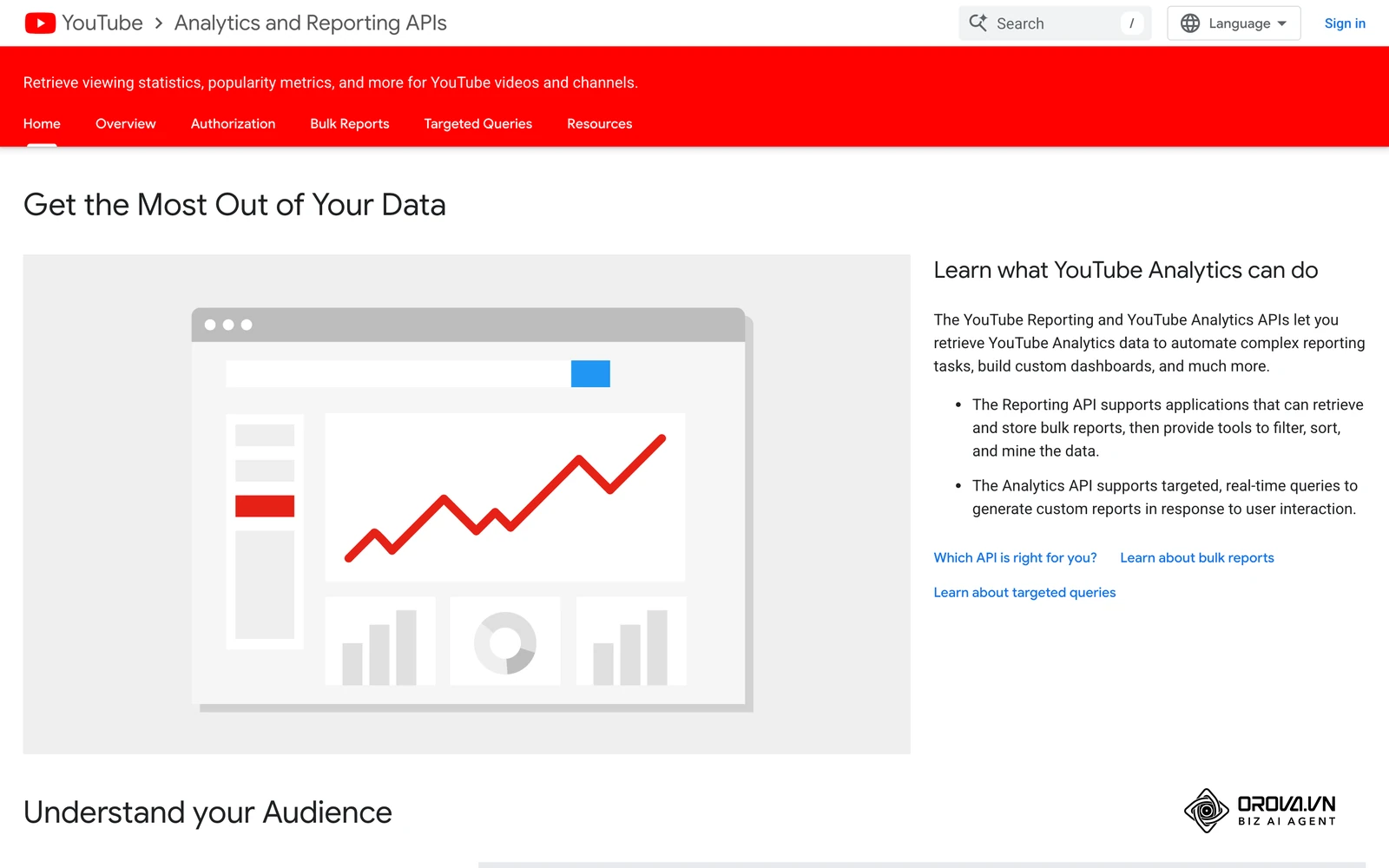
Most creators mistakenly believe they need expensive third-party tools to find good keywords. The reality is that YouTube provides an incredibly powerful, free tool right inside the Studio: the Research tab. This section shows you exactly what your current audience, and audiences across the platform, are actively typing into the search bar.
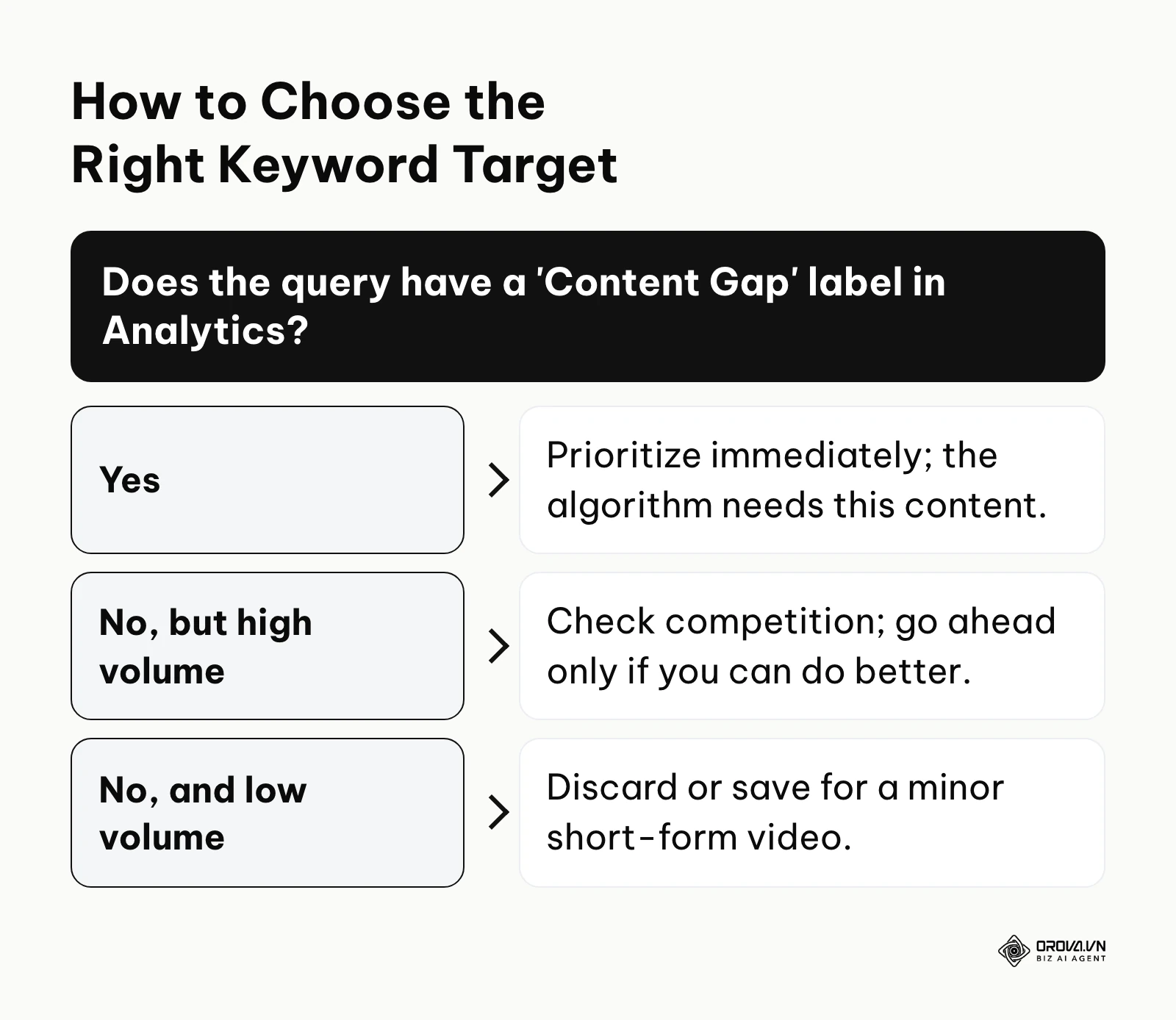
The goal here is to identify search terms that have a decent volume but suffer from a lack of high-quality answers. Your input is your broad niche topic, and your output is a validated list of targeted queries. The biggest point of failure in this step is choosing a keyword that is simply too broad, like "marketing tips," where you will be buried by massive established channels.
Illustrative example: Consider a mid-sized technology review channel struggling to gain traction on broad terms like "best smartphone". Steps taken: The team accessed the YouTube Studio Research tab, filtered their audience's recent searches, and identified a specific, low-competition query labeled as a content gap: "how to clean charging port iPhone 15". They created a targeted, three-minute tutorial exactly matching this query. Stumble and fix: Initially, they titled the video "Phone Cleaning Tips", which failed to rank; they quickly adjusted the title to exactly match the long-tail query they found in the analytics. Result: The video secured the number one spot for that specific search, generating a steady stream of 500 targeted views every day for the next six months.
To manage this process, you should build a tracking spreadsheet. This asset will serve as your content roadmap.
| Keyword Query | Your Channel Volume | Broad YT Volume | Current Ranking | Content Gap Type | Action Plan |
|---|---|---|---|---|---|
| how to format sd card mac | High | Medium | #12 | Missing modern OS | Create updated 2026 macOS version |
| fix leaky delta faucet | Medium | High | Not Ranked | Poor video quality on top results | Shoot 4K close-up tutorial |
| notion vs obsidian 2026 | High | High | #4 | Outdated information | Update video with new AI features |
Scripting for Maximum Audience Retention
You can have the most perfectly optimized title and description in the world, but if viewers leave your video after ten seconds, you will never rank. Audience retention is the single most important ranking factor in modern YouTube SEO. The algorithm heavily rewards videos that keep people watching because it keeps them on the platform longer, generating more ad revenue.
Therefore, your SEO content writing skills must translate directly into your video scripts. The input is your researched keyword, and the output is a tightly paced narrative designed to prevent viewers from clicking away. The most common fail point here is a long, rambling introduction that fails to immediately address the viewer's search intent.
Illustrative example: A B2B software company wanted to rank their product tutorials but suffered from terrible audience retention. Steps taken: They completely overhauled their video scripts using a strict retention formula. They cut out their 15-second animated logo intro entirely, replacing it with a direct three-second visual hook showing the final result of the tutorial, followed by immediate value delivery. Stumble and fix: They noticed a massive drop-off at the midpoint because the presenter was speaking monotonously; they fixed this by inserting pattern interrupts—like text pop-ups and camera angle changes—every 30 seconds or so. Result: Their average view duration doubled from two minutes to four minutes, sending a strong signal to the algorithm that pushed their videos to the top three results for their primary software terms.
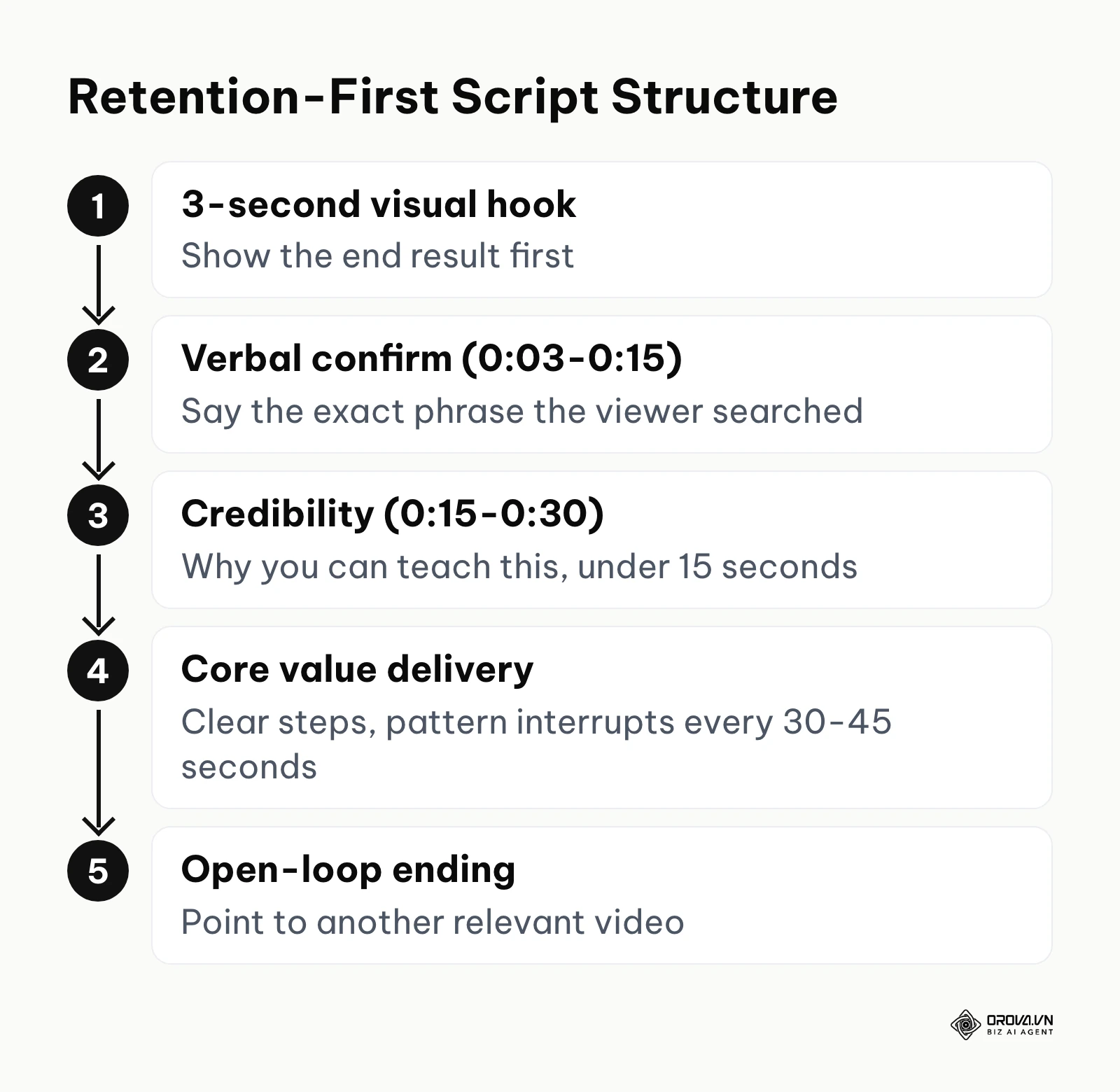
To replicate this success, utilize this proven Video Script Template for search-driven content:
- The 3-Second Visual Hook: Show, don't just tell, what the video is about. If it is a repair video, show the fixed item immediately.
- The Verbal Confirmation (0:03 - 0:15): Explicitly state the exact keyword phrase the user searched for. Tell them they are in the right place.
- The Credibility Marker (0:15 - 0:30): Briefly explain why you are qualified to teach this, but keep it under 15 seconds.
- The Core Value Delivery (Body): Deliver the promised information efficiently. Break it into clear steps.
- Pattern Interrupts: Every 30 to 45 seconds, change the visual pacing. Zoom in, add text, or use b-roll to reset the viewer's attention.
- The Open-Loop Conclusion: Do not say "in conclusion" or "thanks for watching." Abruptly end the core value and immediately point them to another relevant video to increase session watch time.
YouTube Shorts SEO Strategy
Shorts are no longer just an afterthought; they are a massive driver of search traffic, especially on mobile devices. However, optimizing for Shorts requires a completely different approach than long-form content. Because viewers rarely read a Short's description and swipe decisions happen in a second, signals such as whether viewers keep watching instead of swiping away, rewatches, and clear titles and hashtags carry more weight.
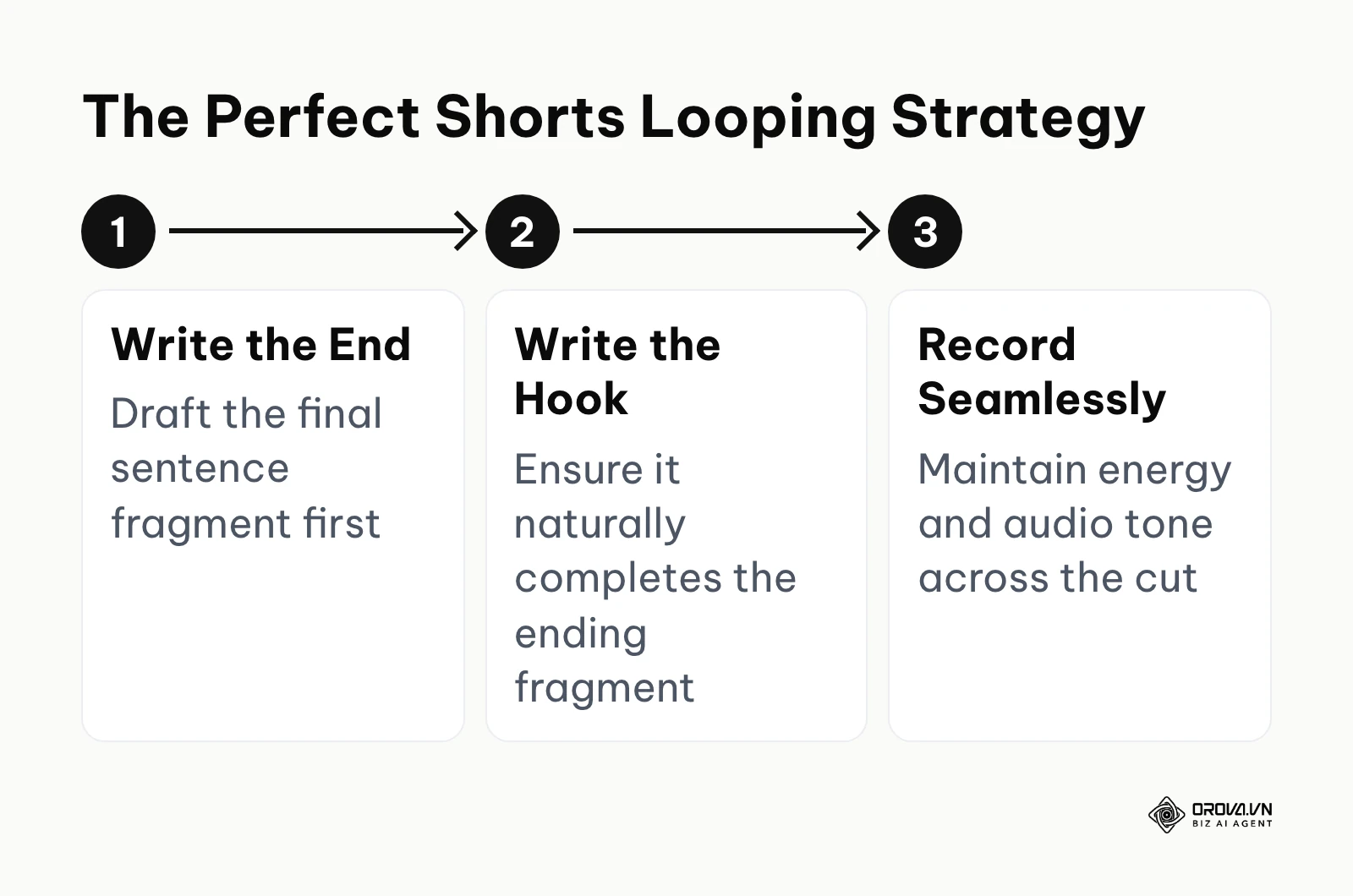
The goal is to dominate specific micro-queries. The input is a highly focused, single-point lesson, and the output is a short, looping vertical video that usually lands well under a minute. The main point of failure is treating a Short like a mini-vlog with a slow buildup, which guarantees viewers will immediately swipe to the next video.
Illustrative example: A local fitness coach wanted to use short-form content to capture local search traffic for personal training. Steps taken: They recorded a series of 15-second kettlebell swing tutorials specifically designed for vertical viewing. They structured the script to loop seamlessly by matching the ending sentence fragment with the beginning sentence, creating an infinite loop. Stumble and fix: At first, they used broad tags like #fitness, which brought irrelevant global traffic that didn't convert into clients; they refined their strategy to use location-specific tags like #AustinFitness and #TexasGym. Result: Thanks to the loop, average percentage viewed on their Shorts climbed above 100%, the videos surfaced more often for local fitness searches in the mobile app, and local gym sign-ups rose noticeably.
AI's Impact on YouTube SEO (Overviews and Auto-Summaries)
The integration of artificial intelligence into the search experience is fundamentally changing how videos are surfaced. Both Google and YouTube have been testing AI-generated summaries and answers on search results pages, and these features change often. The practical takeaway is stable: systems are not just reading your title; they increasingly draw on your transcript and captions to understand the context of your content.
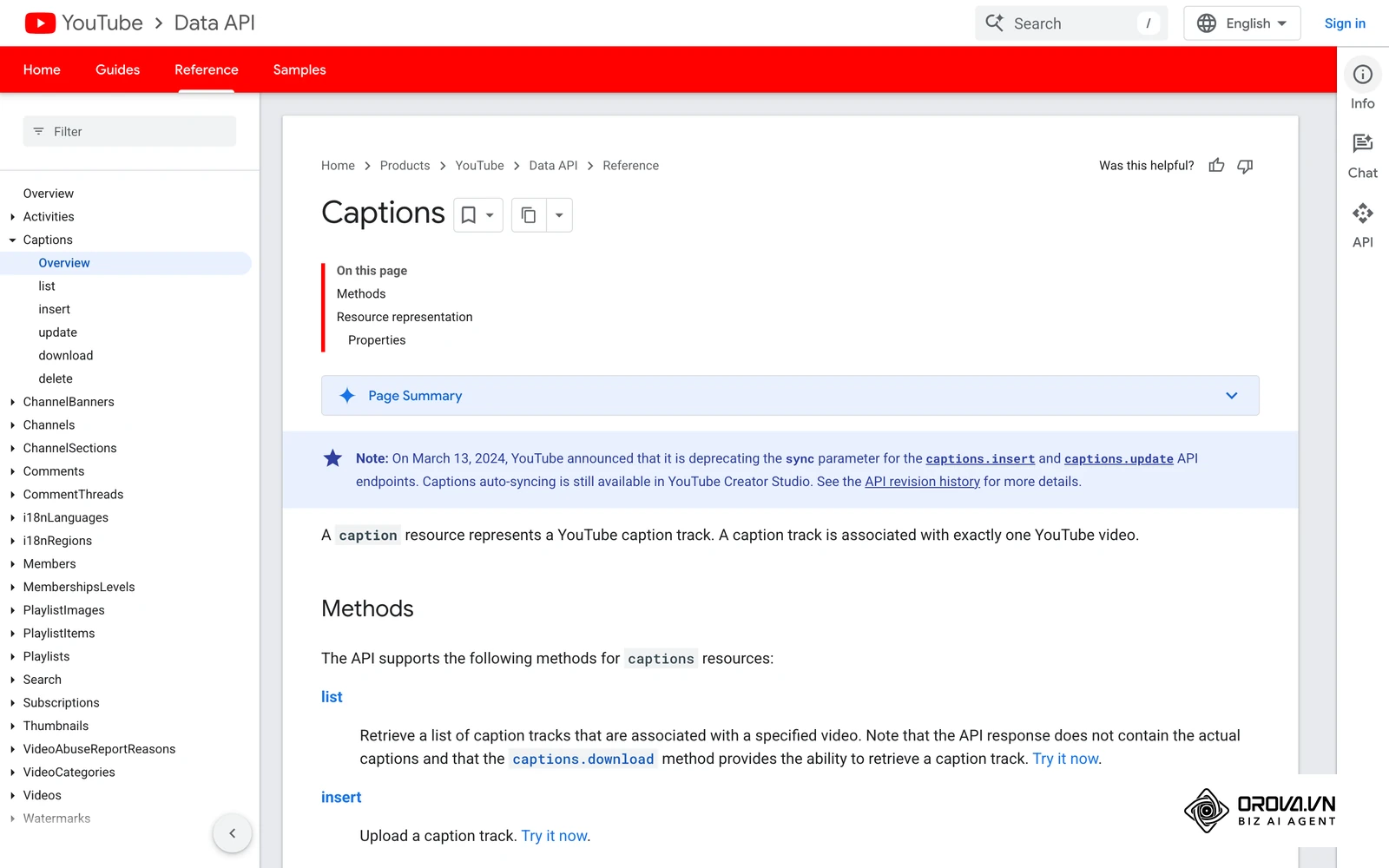
This shift mirrors the rise of generative engine optimization in text-based search. You must clearly enunciate your words and ensure your auto-generated captions are perfectly accurate. If automated systems cannot reliably understand your spoken audio, your video is less likely to be matched to complex queries. The biggest mistake creators make here is using poor quality microphones, which results in garbled transcripts that confuse the AI classification systems.
The Pre-Publish Optimization Process
Before you hit the publish button, you must run through a strict operational checklist. This ensures that every metadata signal is perfectly aligned with your target keyword and that you are maximizing your chances of a high initial click-through rate. The input is your final video file, and the output is a perfectly structured upload ready for indexing.
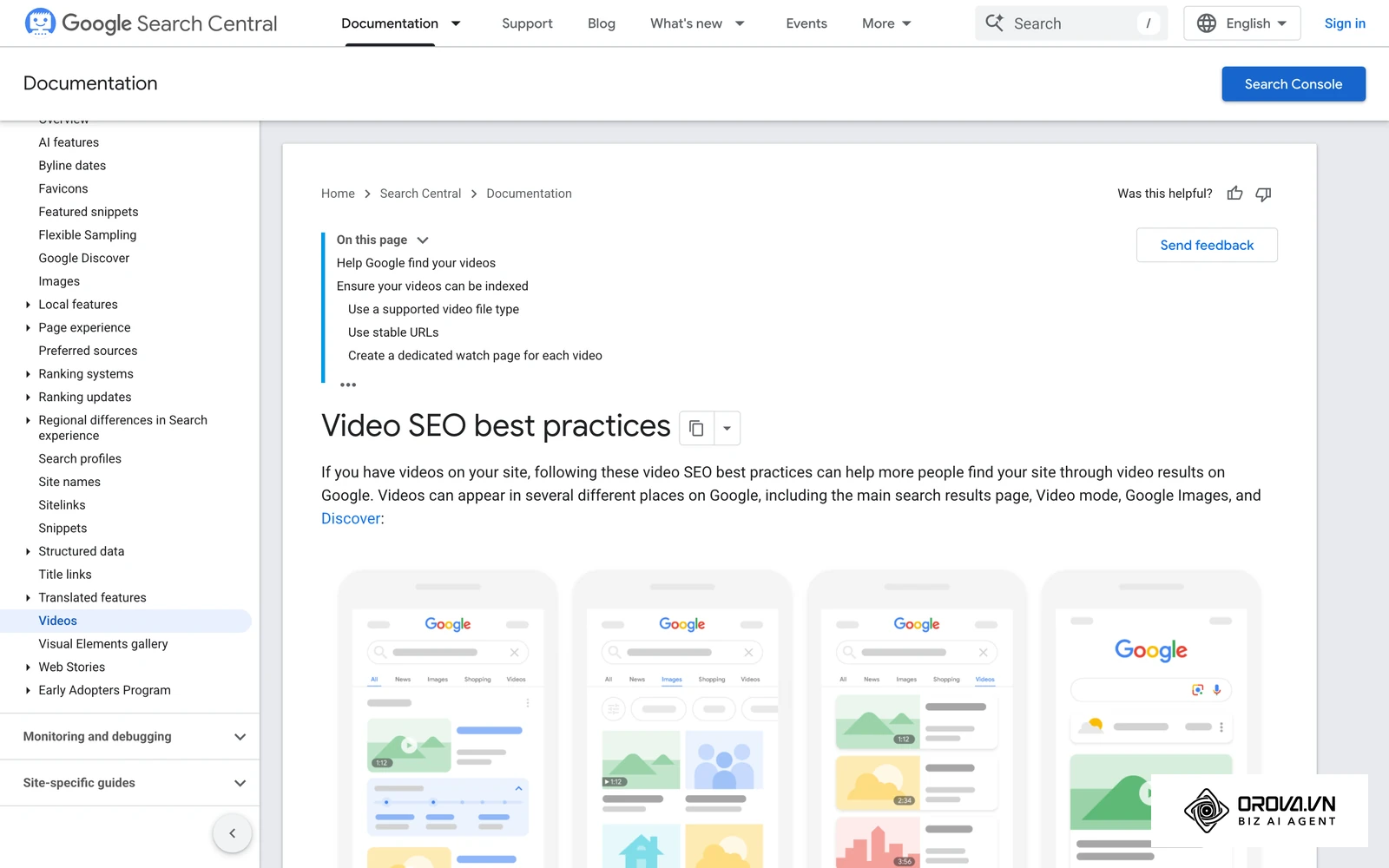
Failing to complete this checklist often results in a video underperforming simply because it lacked proper categorization or had a weak thumbnail. Use this 20-step checklist to guarantee consistency:
Phase 1: Metadata Research & Application
- Verify the exact target keyword in the YouTube Studio Research tab.
- Place the exact keyword naturally in the first 50 characters of the title.
- Write a compelling title that evokes curiosity, not just a robotic keyword string.
- Place the target keyword in the very first sentence of the description box.
- Write a 200-word natural language summary of the video in the description.
Phase 2: Visual & Audio Optimization
- Design at least two different thumbnail options for A/B testing.
- Ensure thumbnail text is massive and readable on small mobile screens.
- Verify that the thumbnail visual perfectly matches the title's promise.
- Review the auto-generated transcript for severe spelling errors and correct them.
- Ensure your audio levels are normalized so the AI can process speech clearly.
Phase 3: Structural Optimization
- Add manual Chapter timestamps starting exactly at 0:00.
- Use secondary long-tail keywords to name your chapter titles.
- Add 3 to 5 highly relevant hashtags to the bottom of the description.
- Place the video into a highly relevant, keyword-optimized Playlist.
- Add an end screen pointing to a related video to boost session time.
Phase 4: Post-Publishing Checks
- Pin a comment posing a question to drive early engagement.
- Share the video link to relevant community tabs or email newsletters.
- Monitor the CTR closely for the first two hours.
- Swap to the backup thumbnail (or use YouTube's built-in thumbnail testing where available) if the initial CTR falls below your channel average.
- Check analytics after 48 hours to confirm which search terms are actually driving traffic.
With OROVA.VN and the OROVA SEO module, you put an end to the exhausting days of manual work for good. Instead of struggling for hours to write articles and compile reports, the entire process is now optimized and completed in just 5 minutes.
How to Adapt to the New YouTube SEO Landscape
Adapting to these optimization strategies requires different approaches depending on your scale and resources. The tactics a solo creator uses will differ significantly from those deployed by a large corporate marketing team.
For Solo Creators and Small Businesses
Solo creators must prioritize efficiency above all else. You cannot afford to spend hours over-analyzing metadata. Focus 80% of your effort on crafting an incredible hook and delivering high-quality audio. Your primary task this week should be to spend one hour in the Research tab to find a single, high-intent Content Gap query, and film a rough, direct answer to it using your smartphone.
For In-House Marketing Teams
Internal teams often struggle with consistency and alignment. Your focus should be on building a scalable process that connects video topics to the company's broader content strategy. This week, you should audit your existing library, identify the top five videos that are currently ranking well, and update their descriptions to link back to relevant product landing pages to capture leads.
For Specialized Agencies and Freelancers
Agencies must demonstrate clear ROI to their clients. Your approach needs to be highly data-driven and focused on competitive analysis. Your immediate action step should be to build the tracking spreadsheet outlined earlier, populating it with your client's current rankings compared to their top three competitors, establishing a firm baseline for your optimization campaign.
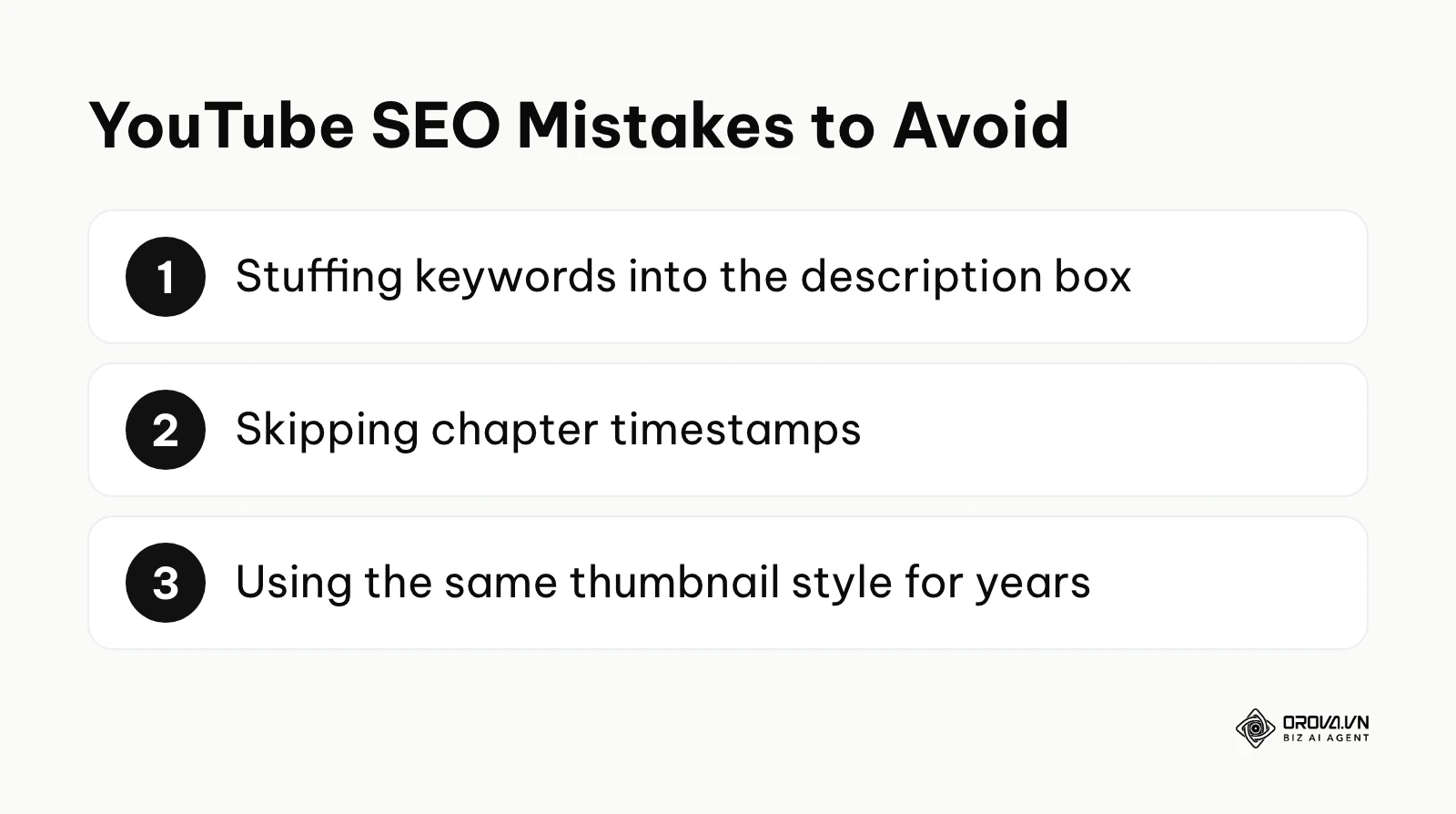
| Common Mistake | Consequence | How to Avoid It |
|---|---|---|
| Keyword stuffing in the description box | Algorithm flags the video as spam | Write natural, paragraph-style summaries |
| Ignoring Chapter timestamps | Missing out on key moments in Google video results | Always include chapters starting at 0:00 |
| Using the same thumbnail style for years | Declining CTR as viewers develop ad blindness | Continuously A/B test new visual layouts |
Where YouTube SEO is heading in the next few years: the author's take
These are opinions, not forecasts. Based on the signals visible today, here are three shifts I think are worth preparing for.
AI-Generated Video Summaries Will Dominate
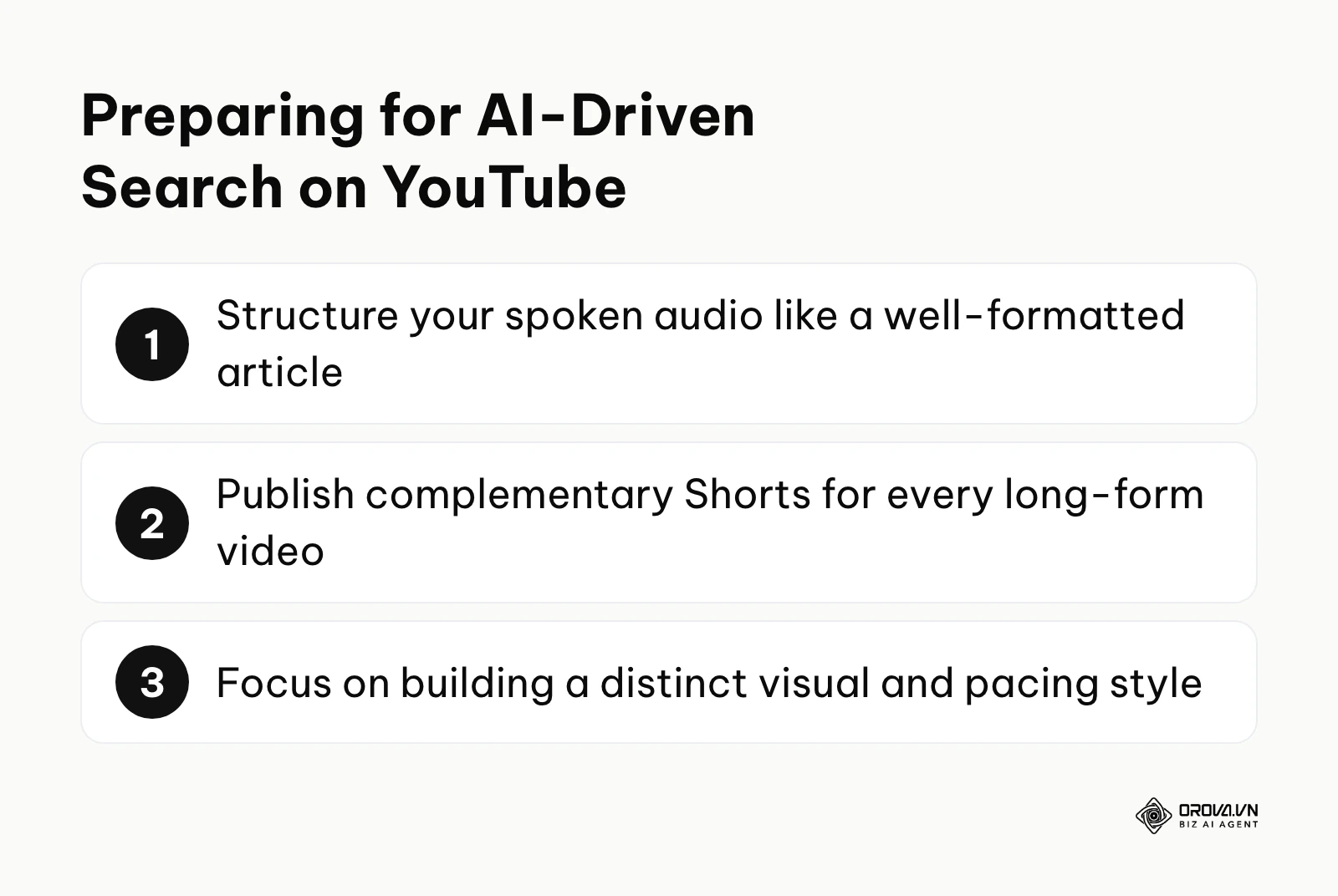
YouTube has already tested AI-generated summaries in search for some users, drawing on video content to answer queries before anyone clicks. My read is that over the next two to three years, summaries like these could become a common part of informational searches on the platform, and the system will likely favor videos that have clear, highly structured transcripts that are easy to parse and extract. To prepare for this, you must begin treating your spoken audio as structured data; clearly enunciate your main points, use verbal bullet points, and ensure your on-screen text aligns perfectly with the spoken script so the AI engine can confidently synthesize your content.
The Complete Merging of Shorts and Long-Form Search
Currently, YouTube search results often segment Shorts into a separate shelf, keeping the ecosystems somewhat divided. I think this barrier will keep thinning, moving toward a more unified experience where a 15-second Short and a 2-hour documentary compete for the same query based on what the user wants at that moment. The system will likely get better at predicting whether a user wants a quick answer or a deep dive. Creators should prepare by building "content clusters"—whenever you publish a long-form video, you must simultaneously release three to four interconnected Shorts targeting the exact same keyword pool to dominate all possible intent variations.
Hyper-Personalized Search Results
Two people searching for the same keyword on YouTube can already see different top results. I think the idea of a universal "number one ranking" will matter less and less, as rankings lean further on each user's watch history and channel affinities. If a user mostly watches fast-paced, highly edited content, slow academic videos may rank lower for them even with perfect metadata. You need to prepare by focusing relentlessly on defining a clear visual and pacing style for your channel, building a loyal core audience whose watch history will train the algorithm to push your videos to "lookalike" audiences in search.
Frequently asked questions about YouTube search engine optimization
Is YouTube search engine optimization still needed with AI?
Yes, it is arguably more important than ever. While AI might change how results are displayed, the underlying engine still relies on optimized metadata and clear transcripts to understand what your video is about. If you do not optimize your content, the AI will simply choose a competitor's video to summarize instead of yours.
How do you revive an old video that dropped in rankings?
You can often revive a stagnant video by giving it a complete metadata refresh. Start by changing the thumbnail to a more modern design, rewriting the title to better match current search trends, and updating the description with fresh timestamps. Once updated, drive a small burst of external traffic to it via a community post to signal the algorithm to re-evaluate the video.
Should you optimize for Search or Browse Features in 2026?
You should optimize for both, but sequence them correctly. Use search optimization to build a foundational, evergreen library that slowly attracts a highly targeted audience over time. Once you have a loyal base, pivot some of your effort toward broader, curiosity-driven topics designed to spike in the Browse Features for rapid, short-term growth.
How many tags are enough, and does keyword stuffing lead to shadowbans?
Tags hold very little weight in modern optimization, primarily functioning to correct common misspellings. Using 5 to 8 highly relevant tags is sufficient. Stuffing dozens of irrelevant tags or keywords into the description box goes against YouTube's spam policies and can result in your video being suppressed from search results, a phenomenon some refer to as a shadowban.
Does embedding videos on external sites help rankings?
It can help indirectly. Views from embeds count toward your video's views and watch time, and a relevant embed on a respected site brings in new, interested viewers. YouTube does not publish embeds as a ranking factor, so treat them as a distribution channel rather than a ranking shortcut.
Where to Start With Your YouTube SEO Journey?
The path to mastering video optimization depends entirely on your current situation. Do not try to implement every tactic at once. Identify which of these three states best describes you and execute the single recommended step.
If you are starting completely from scratch with no videos, your first step is purely analytical. Spend your first afternoon entirely inside the YouTube Studio Research tab. Type in broad concepts related to your niche and meticulously note down the exact long-tail phrases that show a "content gap" label. This guarantees your very first video will serve an existing demand.
If you have an existing channel but a scattered approach, your focus should be on leveraging historical data. Choose your three best-performing videos in terms of total watch time. Spend two hours rewriting their titles and updating their descriptions to perfectly align with the specific queries driving traffic to them, effectively doubling down on what already works.
If you are already doing basic SEO but not measuring the impact, you need to establish a tracking system. Set up a simple spreadsheet linking your primary target keywords to the specific video URLs. Spend an hour pulling the last 28 days of search traffic data from YouTube Analytics to establish a firm baseline, allowing you to confidently measure the results of your future youtube search engine optimization efforts.
About the author

Builder of Orova
Nguyễn Đỗ Trọng Ân has 8 years of experience in marketing, including 6 years managing market development across Asia. He builds Orova, a Biz AI Agent that never sleeps: it plans, runs and optimizes work for businesses.
Run your business with AI Agents
Orova is the always-on Biz AI Agent — it plans, runs, and optimizes the work for you.
Save time, unlock productivity.