
The Ultimate Guide to Internal and External Linking Strategies for SEO
Links are the foundational architecture of the World Wide Web, and they remain one of the most critical ranking factors in search engine optimization (SEO). While content dictates what your website is about, links determine how authoritative and accessible that content is.
A successful SEO campaign requires a synergistic approach to both internal linking (how your pages connect to one another) and external linking (how your site connects to the broader web, and how the web connects back to you). This comprehensive guide breaks down the mechanics, strategies, and best practices for mastering both pillars of link building.
1. Understanding the Link Ecosystem: How Search Engines Treat Links
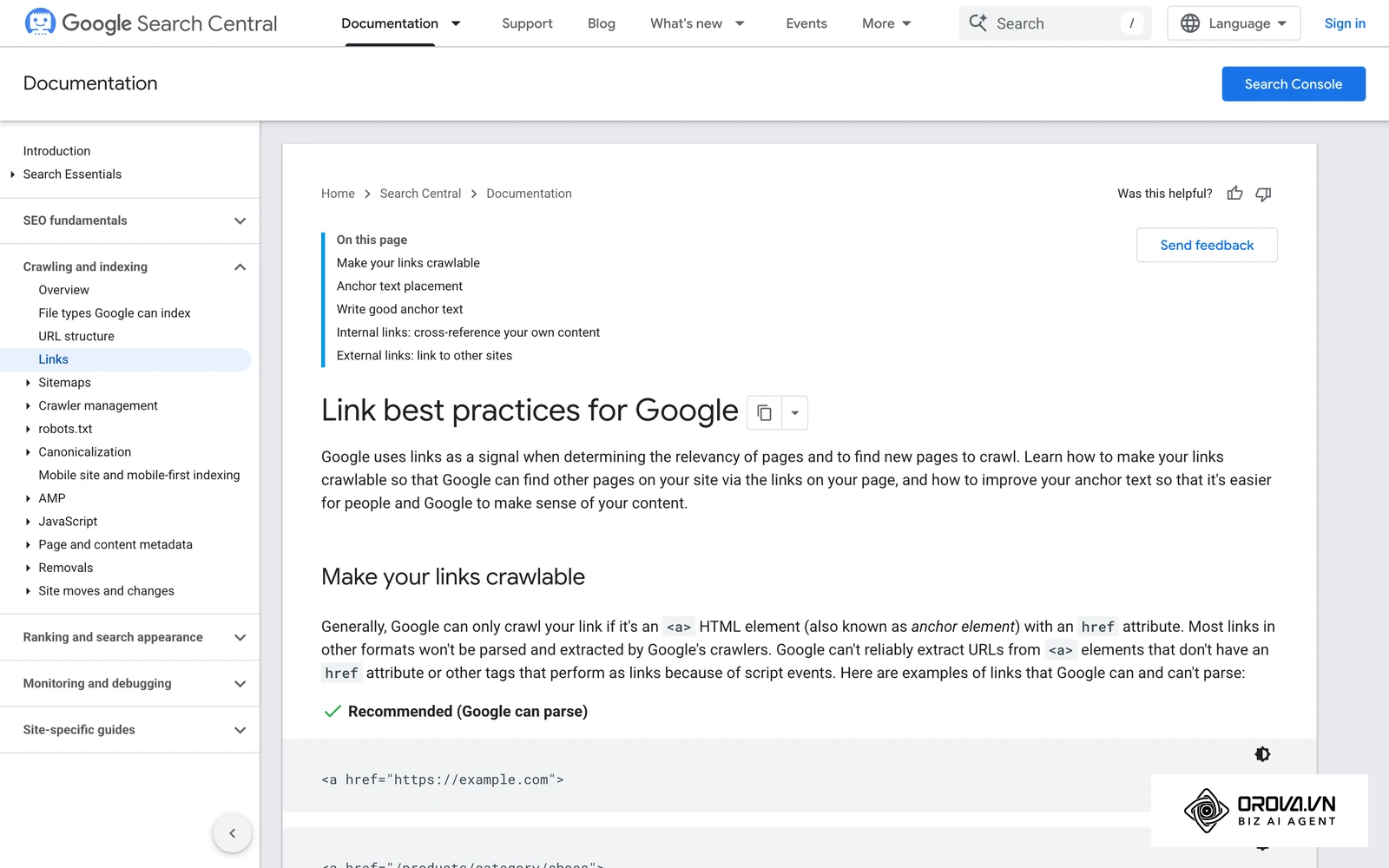
Before diving into specific strategies, it is essential to understand the underlying mechanics of how search engines—particularly Google—evaluate links.
Link Equity (Link Juice)
Link equity, commonly referred to as "link juice," is a search engine ranking factor based on the idea that certain links pass value and authority from one page to another. Every time a high-quality page links to another page, it passes a fraction of its authority. The more high-quality links pointing to a page, the more authoritative search engines consider it to be.
PageRank Algorithm
Google’s foundation is built on PageRank, an algorithm designed to measure the importance of a webpage by counting the quantity and quality of links to it. While Google no longer publicly updates the PageRank toolbar, the underlying mathematical concept still drives the core of its ranking engine. Links act as "votes of confidence."
Dofollow vs. Nofollow Attributes
- Dofollow: By default, all links are "dofollow." This means they pass link equity.
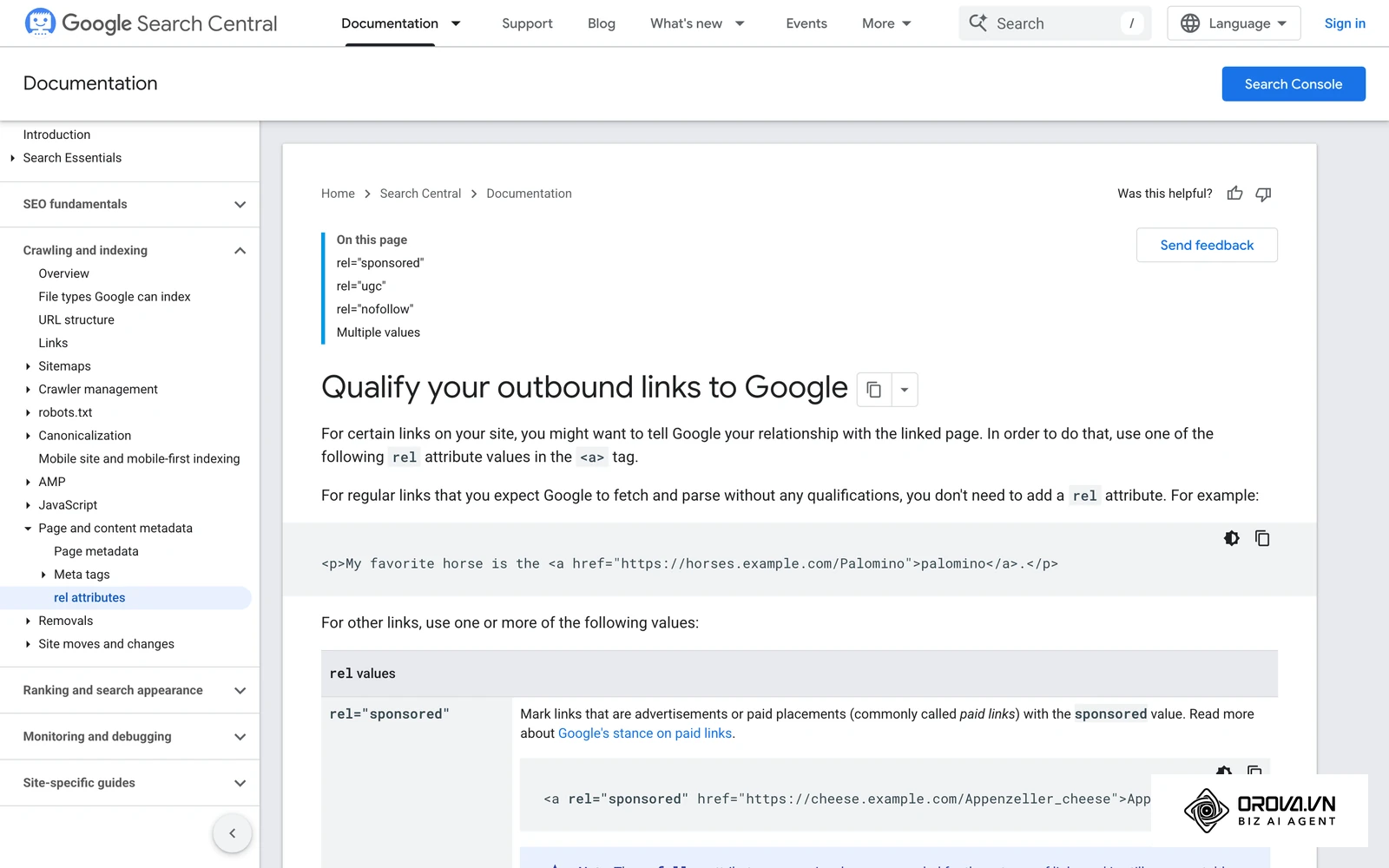
- Nofollow (rel="nofollow"): Introduced to combat spam, this HTML attribute tells search engines not to pass authority to the linked URL.
- Sponsored (rel="sponsored"): Used for paid or affiliate links.
- UGC (rel="ugc"): Used for user-generated content like blog comments or forum posts.
2. Internal Linking Strategy: Building Your Site's Architecture
Internal links are hyperlinks that point from one page on a domain to a different page on that same domain. They are entirely within your control, making internal linking one of the fastest and most effective ways to boost your SEO performance.
What is SEO? A Complete Guide to SEO Search Engine Optimization & The Career of an SEO Specialist
Why Internal Linking Matters
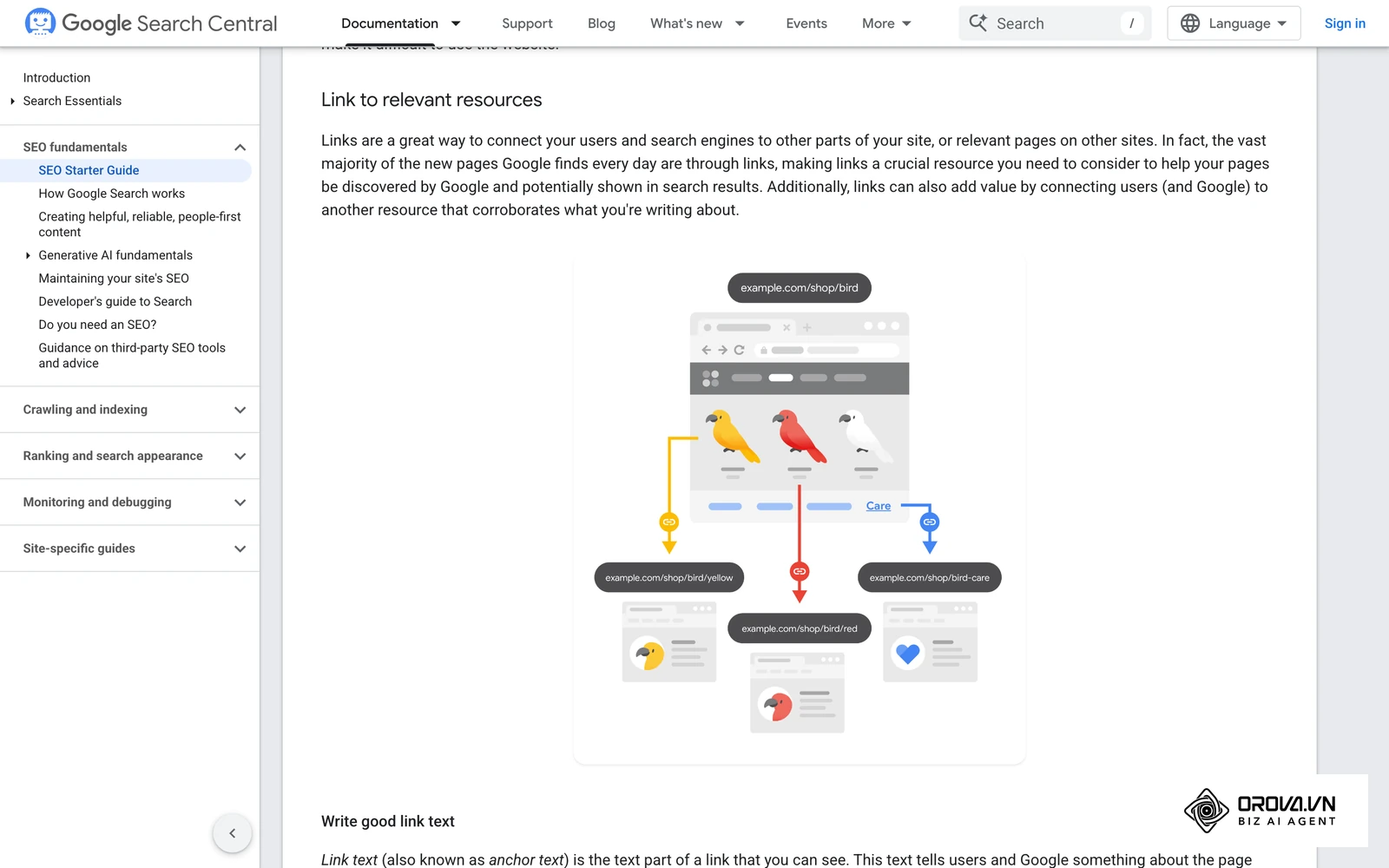
- Improves Crawlability: Search engine bots (like Googlebot) use internal links to discover new content. A robust internal link structure ensures no page is left uncrawled.
- Distributes Link Equity: Internal links spread ranking power across your site. You can use high-authority pages (like your homepage) to boost lower-tier pages (like a new blog post).
- Enhances User Experience (UX): Relevant internal links keep visitors on your site longer, reducing bounce rates and increasing the chances of conversion.
- Establishes Information Hierarchy: Links communicate the relationship between different pages and signal to Google which pages are the most important.
Core Internal Linking Strategies
A. The Hub and Spoke Model (Topic Clusters)
The hub and spoke model (or topic cluster model) is the gold standard for structuring content.
- The Hub (Pillar Page): A comprehensive, top-level page covering a broad topic (e.g., "The Ultimate Guide to Digital Marketing").
- The Spokes (Cluster Pages): In-depth articles covering specific subtopics (e.g., "SEO Basics," "Social Media Strategy," "Email Marketing").
- The Linking Mechanism: The hub links out to all the spokes, and every spoke links back to the hub. This closed-loop signals to Google that your site possesses topical authority on the subject.
B. Strategic Anchor Text Optimization
Anchor text is the clickable text in a hyperlink. For internal links, you have complete control over this text, and you should use it strategically to provide context to search engines.
- Use Descriptive Keywords: Instead of linking the phrase "click here," use "read our guide on technical SEO."
- Avoid Over-Optimization: While exact-match anchor text is acceptable for internal links, using the exact same phrase hundreds of times can look unnatural. Mix it up with partial-match and latent semantic indexing (LSI) keywords.
C. Passing Authority to High-Value Pages
Identify the pages on your site that generate the most revenue or leads (often bottom-of-the-funnel product or service pages). Then, identify your pages with the most inbound backlinks (often top-of-the-funnel blog posts). Strategically place internal links from those high-authority blog posts directly to your high-value conversion pages.
D. Fixing Orphan Pages
An orphan page is a webpage that has no internal links pointing to it. Because it is disconnected from your site's architecture, users cannot find it, and search engines struggle to crawl and index it.
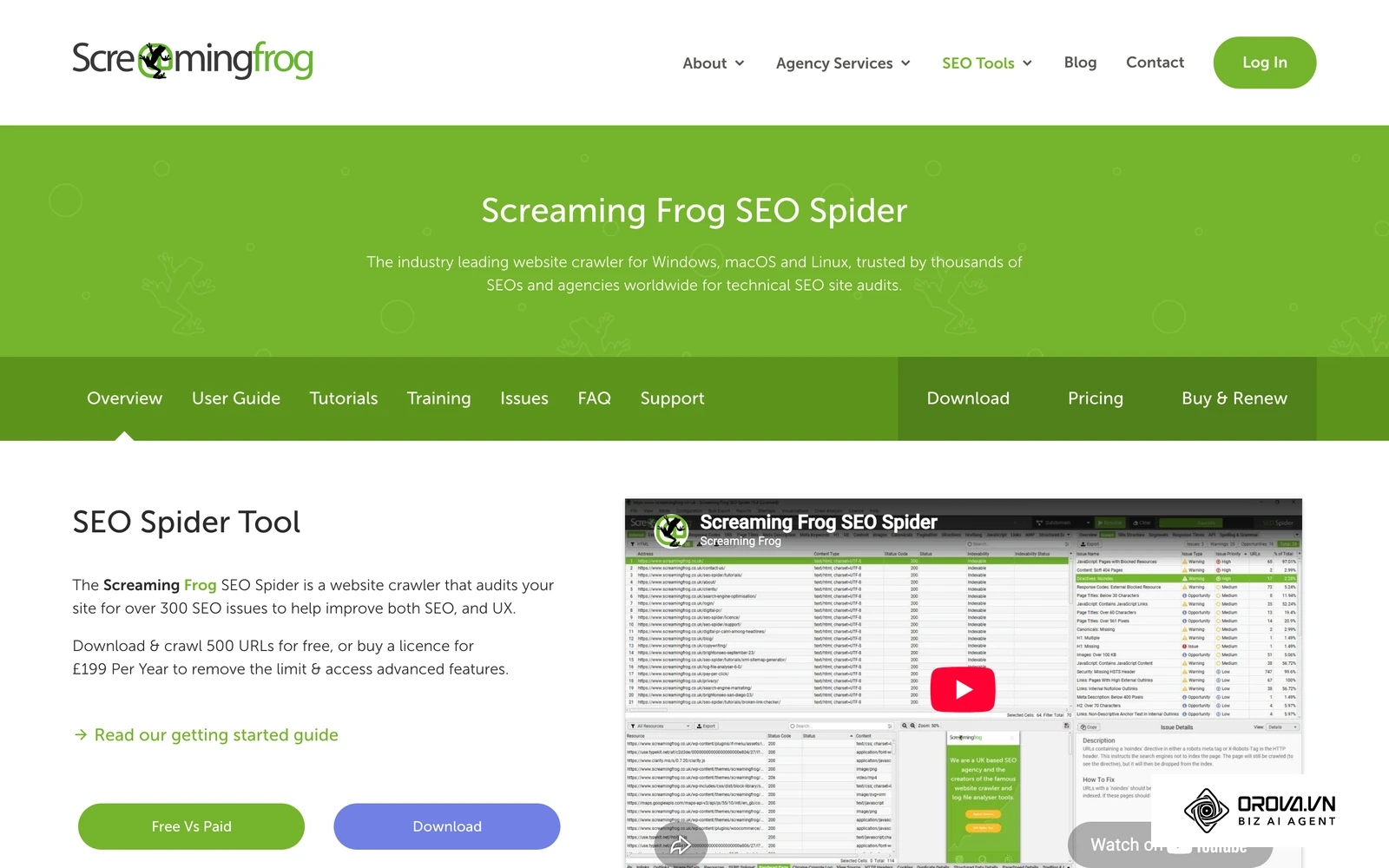
The Fix: Run a site crawl using tools like Screaming Frog, Ahrefs, or Sitebulb to identify orphan pages. Add relevant internal links from established pages to these orphans.
E. Managing Link Depth (Click Depth)
Link depth refers to the number of clicks it takes to reach a page from the homepage.
Best Practice: No important page on your website should be more than 3 clicks away from the homepage. A flat site architecture ensures that link equity flows efficiently and users find what they need quickly.
Discover Orova.vn – a Biz AI Agent platform with OROVA SEO, a complete solution for every website. The system supports search engine optimization from A to Z with features including keyword research, writing new SEO-ready articles, optimizing existing content, rank tracking, plus competitor analysis and in-depth technical analysis. Sign up today to experience OROVA SEO completely free (offer valid through July 7, 2027).
3. External Linking Strategy: Outbound Links
External linking has two sides: links pointing out from your site to others (outbound links), and links pointing from other sites to yours (inbound links, or backlinks). First, let's explore outbound linking.
Why Outbound Links Matter
Many webmasters are terrified to link out to other websites, fearing they will "bleed" link equity. This is a myth. Strategic outbound linking is highly beneficial.
- Builds Trust and Credibility: Linking to authoritative, high-quality sources (like university studies, government data, or industry reports) proves to users and search engines that your content is well-researched and factual.
- Contextual Relevance: Outbound links help search engines understand the topic of your page through association. If you link to Wikipedia and Neil Patel, Google understands your page is likely about digital marketing or SEO.
- Relationship Building: Linking out to influencers and non-competing businesses can put you on their radar, opening the door for future networking and reciprocal linking.
Best Practices for Outbound Links
- Link to Authoritative Sources: Only link to reputable sites with high Domain Authority (DA) or Domain Rating (DR). Avoid linking to spammy, low-quality, or penalized websites.
- Make it Contextual: Outbound links should naturally fit within the sentence and provide genuine value to the reader.
- Open in a New Tab: To ensure you don't lose your visitor, configure external links to open in a new browser tab (target="_blank").
- Use Nofollow for Untrusted Content: If you must link to a site but do not want to vouch for its authority, use the rel="nofollow" attribute.
4. External Linking Strategy: Inbound Links (Backlinks)
Inbound external links—backlinks—are arguably the most challenging and impactful aspect of SEO. When other websites link to yours, it serves as an independent endorsement.
The Ultimate Guide to the Best Keyword Research Tools for SEO Dominance
Anatomy of a High-Quality Backlink
Not all backlinks are created equal. A single link from The New York Times will do more for your rankings than 100 links from obscure, low-quality directories.
| Characteristic | Why It Matters |
|---|---|
| Domain Authority | Links from highly authoritative, established sites pass significantly more link equity. |
| Topical Relevance | A link from a site in your exact industry carries more weight than a link from an unrelated niche. |
| Placement | A link placed contextually high up in the body of an article is far more valuable than a link buried in a footer or sidebar. |
| Dofollow Status | The link must be "dofollow" to pass direct ranking value (though nofollow links still drive referral traffic and brand awareness). |
| Anchor Text | Natural, descriptive anchor text helps signal what your page is about to search engines. |
Proven Backlink Acquisition Strategies
A. Digital PR and Data-Driven Content
The most scalable and natural way to earn high-tier backlinks is to create something worthy of being linked to. Digital PR involves creating newsworthy content, data studies, or industry surveys and pitching them to journalists and industry bloggers.
Execution: Conduct original research, compile the data into an attractive infographic or comprehensive report, and use tools like HARO (Help a Reporter Out) or direct email outreach to pitch journalists who cover your industry.
B. The Skyscraper Technique
Pioneered by Brian Dean, this strategy involves finding content in your niche that has already acquired a massive number of backlinks, creating a significantly better version of that content, and then reaching out to the right people.
- Find a piece of popular content with lots of links.
- Create a piece of content that is longer, more up-to-date, better designed, and more thorough.
- Use SEO tools to find all the websites linking to the original piece.
- Email those webmasters, letting them know about your superior, updated resource.
C. Broken Link Building
The internet is full of "link rot"—links pointing to pages that no longer exist (404 errors). This strategy provides value to webmasters by helping them fix broken elements on their site.
- Find resource pages or blog posts in your niche.
- Use a Chrome extension (like "Check My Links") to find dead links on the page.
- If the dead link points to content you have already created (or can create), email the webmaster to alert them of the broken link and suggest your link as a replacement.
D. Guest Podcasting and Guest Blogging
While mass, low-quality guest blogging is discouraged by Google, contributing high-quality, original content to respected sites in your niche remains highly effective. Similarly, appearing as a guest on industry podcasts almost always results in a backlink from the podcast's show notes page.
E. Unlinked Brand Mentions
Often, journalists or bloggers will mention your brand, product, or executives in an article but forget to include a hyperlink.
The Fix: Set up Google Alerts or use mention-tracking software. When you find an unlinked mention, send a polite email thanking the author for the coverage and gently requesting that they turn the mention into a clickable link.
With OROVA.VN and the OROVA SEO module, you put an end to the exhausting days of manual work for good. Instead of struggling for hours to write articles and compile reports, the entire process is now optimized and completed in just 5 minutes.
5. Measuring Success and KPIs
To ensure your internal and external linking strategies are working, you must track the right metrics.
Key Performance Indicators (KPIs)
- Domain Rating (DR) / Domain Authority (DA): Provided by Ahrefs and Moz, these metrics estimate your site's overall backlink authority. Watch for steady growth over time.
- Referring Domains: The total number of unique websites linking to you. This is often more important than the total number of backlinks (e.g., getting 10 links from 10 different sites is better than 10 links from 1 site).
- Organic Traffic Growth: The ultimate goal of link building is higher rankings and more traffic. Use Google Analytics and Google Search Console to track organic traffic to the pages you are actively building links to.
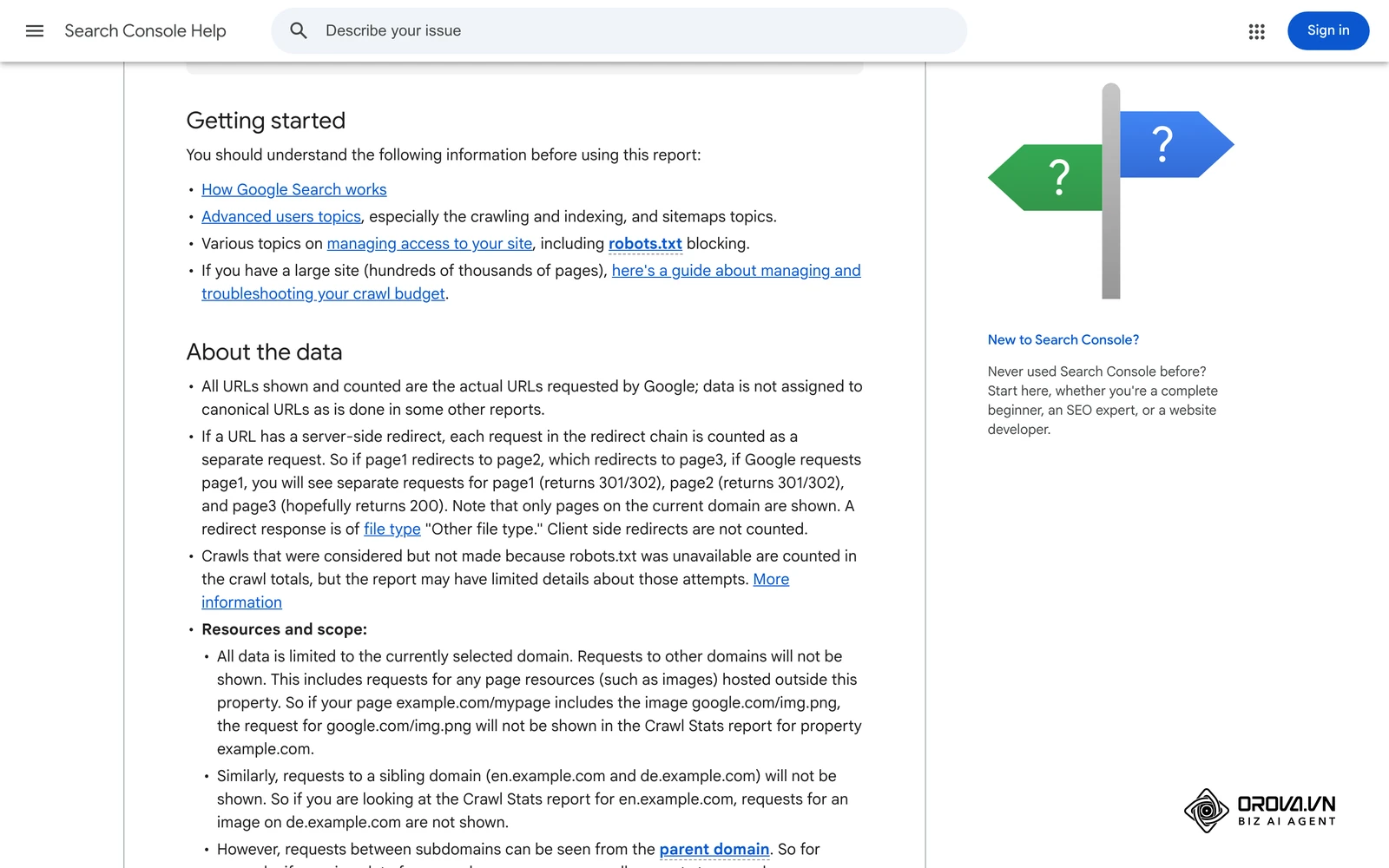
- Crawl Stats: Monitor Google Search Console to ensure Googlebot is frequently and successfully crawling your site—a sign of a healthy internal link architecture.
6. Common Pitfalls to Avoid
As you execute your strategy, steer clear of these dangerous linking practices that can result in a manual penalty from Google.
- Buying Links: Paying for links (unless clearly marked with rel="sponsored") is a direct violation of Google's Webmaster Guidelines.
- Private Blog Networks (PBNs): Using a network of artificially created sites to funnel links to a main domain is a black-hat tactic that Google's algorithms are adept at identifying and penalizing.
- Sitewide Footer Links: Stuffing your footer with keyword-rich internal or external links looks spammy and can trigger over-optimization penalties.
- Exact Match Anchor Text Spam: Repeatedly building inbound links using the exact same commercial keyword as the anchor text (e.g., "buy cheap shoes online") is unnatural and will lead to ranking drops.
Conclusion
A holistic SEO linking strategy requires balancing the things you can control entirely (internal links) with the things you must earn (external backlinks).
By establishing a logical, flat internal architecture centered around topic clusters, you ensure that search engines can crawl your site and understand your content hierarchy. By simultaneously executing white-hat outreach strategies to earn high-quality backlinks, you inject the authority needed to push those well-structured pages to the top of the search engine results pages (SERPs).
Treat your links as pathways of value—directing both users and search engines to the most authoritative, relevant, and helpful information available.
Run your business with AI Agents
Orova is the always-on Biz AI Agent — it plans, runs, and optimizes the work for you.
Save time, unlock productivity.