
What is multi touch attribution? Models, framework and roadmap

You are pouring thousands of dollars into search ads, social media campaigns, and content marketing. Yet, when you look at your analytics dashboard, almost all your sales are credited to direct traffic or a branded search query. Multi touch attribution exists to fix exactly this problem. The frustrating scenario happens because traditional measurement systems only look at the final step a customer took before buying, completely ignoring the complex journey of discovery and consideration that happened beforehand. You know your top-of-funnel marketing is working, but you cannot mathematically prove it to your finance team. This article explains how multi touch attribution works, how to pick a model that fits your sales cycle, and how to roll it out step by step as browsers share less tracking data.
What is Multi Touch Attribution?
Multi touch attribution is a marketing measurement method that evaluates all touchpoints a customer interacts with before making a purchase, assigning fractional credit to each channel. It helps marketers understand the entire customer journey, differing from single-touch models which only credit the first or last click.
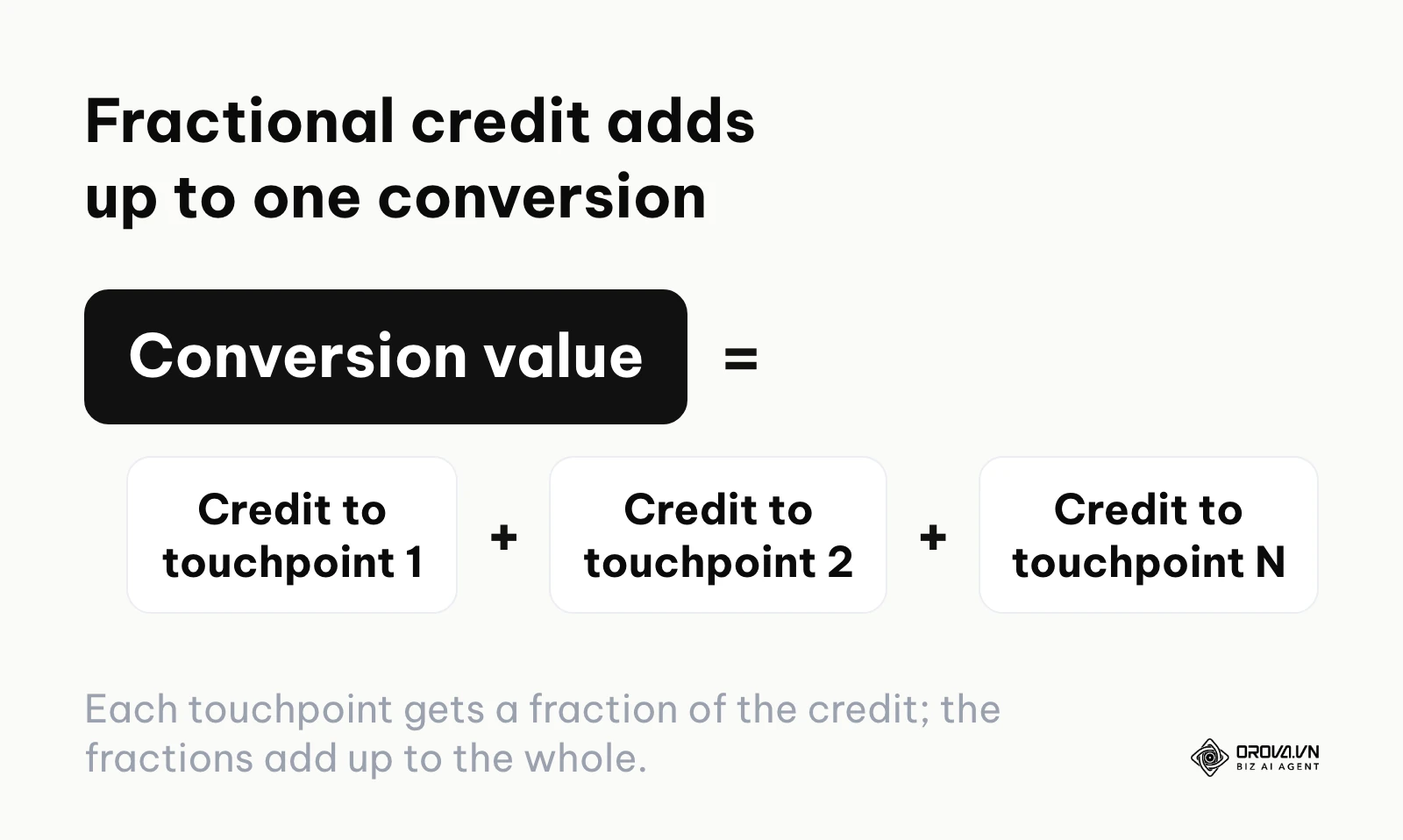
Historically, digital marketing relied heavily on "last-click" measurement simply because it was technologically easiest to track the final referring URL. However, as consumers began using multiple devices and taking weeks to decide on a purchase, this rudimentary method became glaringly inaccurate. Marketers needed a system that acknowledged the team effort of various campaigns.
To fully grasp the concept, it is crucial to understand how multi touch attribution differs from other closely related analytical concepts that are frequently confused in the industry.
| Concept | How it differs | Practical Example |
|---|---|---|
| Multi Touch Attribution (MTA) | Tracks specific user paths and divides conversion credit among individual touchpoints. | A user clicks a Facebook ad, reads a blog, then searches Google to buy. All three get partial credit. |
| Media Mix Modeling (MMM) | Uses high-level, aggregate historical data and statistical analysis to estimate channel impact without user tracking. | Analyzing two years of total ad spend versus total regional sales to predict future budget allocations. |
| Single-Touch Attribution | Assigns 100% of the conversion value to only one event (usually the very first or very last interaction). | The Google search gets 100% of the credit, ignoring the Facebook ad completely. |
Imagine you are watching a football game. The last-click model only records the player who scores the final goal. Multi touch attribution, on the other hand, records the defender who intercepted the ball, the midfielder who carried it forward, and the forward who made the final assist, recognizing that the goal would not have happened without the entire sequence of plays.
The Strategic Meaning of Multi Touch Attribution
The fundamental problem multi touch attribution solves is the misallocation of capital. Business leaders and marketing directors constantly struggle with the question of where to invest their next dollar to maximize growth. When you rely on outdated measurement systems, you are essentially making financial decisions while wearing blinders. You might cut the budget for an awareness campaign because it shows zero direct sales, entirely unaware that this specific campaign is starting a large share of your customer journeys.
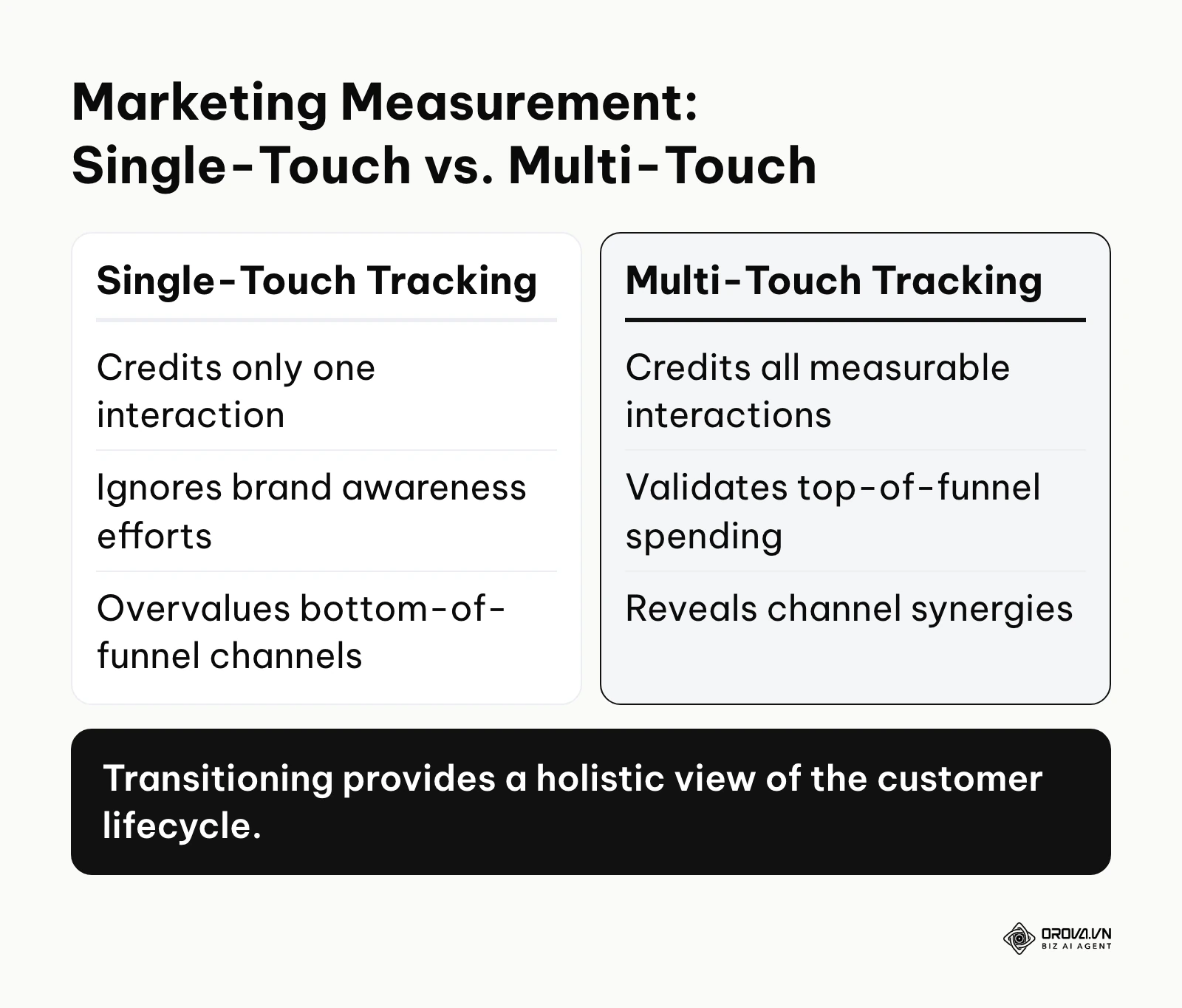
In the broader picture of business operations, multi touch attribution sits exactly between campaign execution and financial forecasting. First, your team executes campaigns across various platforms. Next, the attribution system collects and analyzes the data from those fragmented sources. Finally, the processed insights feed into your financial planning, dictating how budget should be distributed in the upcoming quarter. It is the analytical engine that turns raw interaction data into strategic business intelligence.
If you choose to ignore this evolution in tracking, your business faces a significant risk of optimization failure. You will inevitably over-invest in bottom-of-funnel tactics like retargeting ads and branded search, leading to a saturation point where growth stagnates because you have starved the top-of-funnel activities necessary to acquire net-new audiences.
When you do not need multi touch attribution yet: If your business relies on a very short, single-session sales cycle—such as selling low-cost consumer goods directly from a single social media ad—implementing this complex tracking is a waste of resources. Additionally, if your marketing budget is entirely concentrated on a single channel without any omnichannel strategy, or if your team lacks the basic technical capability to standardize UTM parameters, you should stick to platform-native metrics and simple last-click tracking until your operational maturity improves.
The Business Value and Marketer Benefits of Multi Touch Attribution
Implementing a sophisticated tracking architecture yields distinct advantages that can be categorized into overarching business values for leadership and tactical benefits for the marketing practitioners executing the daily work.
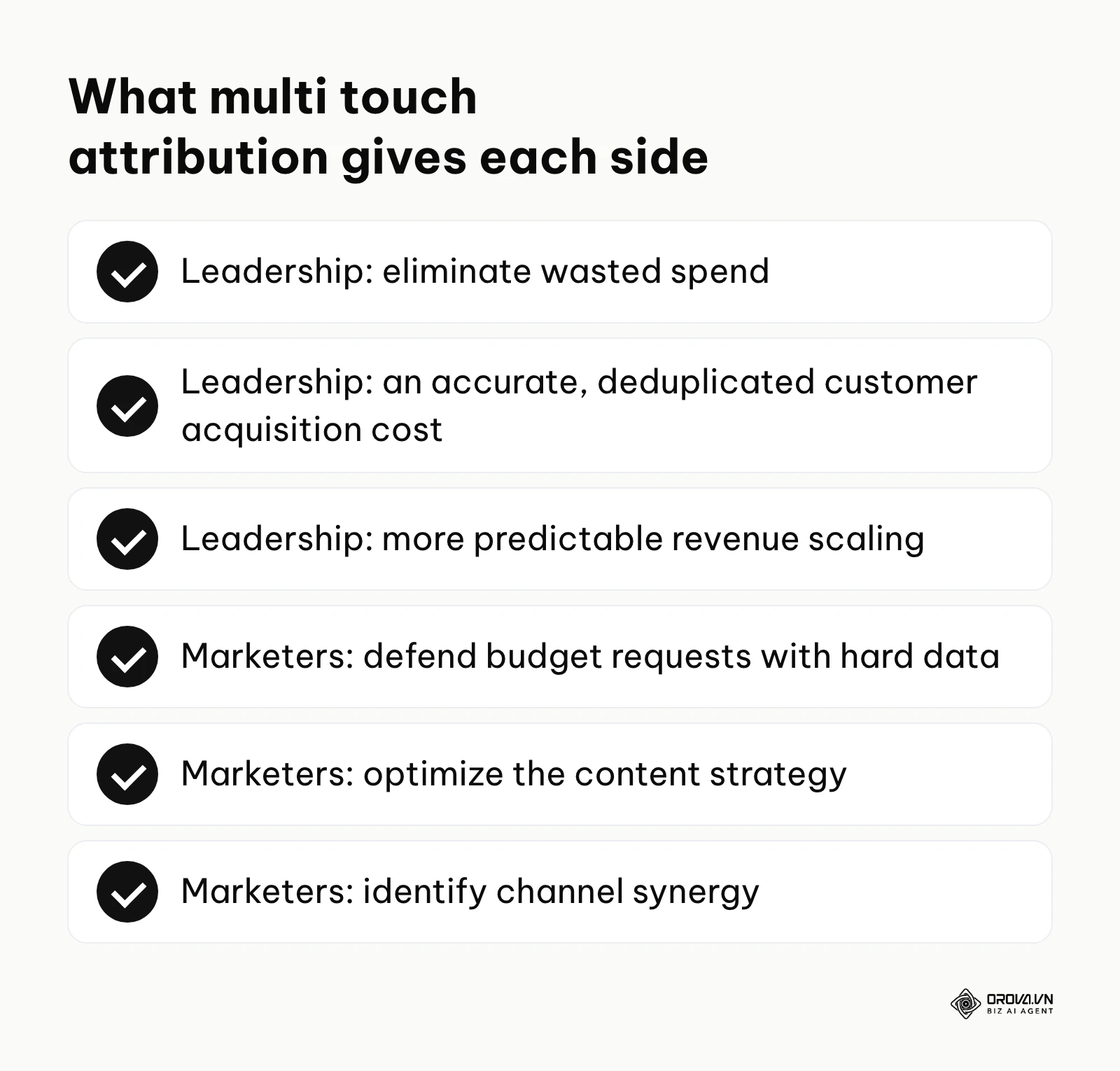
Business Value: Eliminating Wasted Spend
For the executive team, the primary value is financial efficiency. By understanding exactly which combinations of channels lead to high-value conversions, a business can swiftly eliminate wasteful spending on campaigns that look good on platform reports but fail to contribute to actual closed revenue.
Illustrative example: Context: A mid-sized software company was spending heavily on both LinkedIn ads and industry sponsorships. Steps taken: The finance director mandated the integration of their CRM with a new attribution framework, mapping all touchpoints across a 90-day window. Stumbling block: Initially, automated email follow-ups were aggressively overwriting organic search discovery credits due to improper tagging. They fixed this by explicitly excluding internal retention emails from the acquisition paths. Result: The executive dashboard revealed that industry sponsorships were assisting in 40% of enterprise deals, a fact previously hidden by last-click metrics, allowing them to confidently double their event budget.
Business Value: Accurate Customer Acquisition Cost
Calculating the true Cost Per Acquisition (CPA) is nearly impossible when channels operate in silos. Multi touch attribution provides a consolidated, deduplicated view of customer acquisition, ensuring that you do not count the same user multiple times across different advertising platforms, which artificially inflates your perceived success and distorts your financial reality.
Business Value: Predictable Revenue Scaling
When a business understands the precise sequence of interactions that predictably leads to a sale, scaling revenue becomes a mathematical exercise rather than a creative gamble. Leadership can forecast how an increase in top-of-funnel spending today will impact closed-won revenue three months down the line, significantly reducing the risk of aggressive growth strategies.
Marketer Benefit: Defending Budget Requests
For the marketing manager, one of the greatest benefits is the ability to defend budget requests with hard data. When asked to justify spending on content marketing or PR, the marketer no longer has to rely on vague metrics like "brand awareness." Instead, they can clearly show how early-stage content initiatives consistently initiate journeys that eventually convert through other channels.
Marketer Benefit: Optimizing the Content Strategy
By analyzing which specific pieces of content frequently appear in the middle of successful conversion paths, marketers can optimize their content calendars effectively. If a particular whitepaper consistently accelerates the journey from a lead to an opportunity, the marketing team knows exactly what type of content to produce next. This ties closely into conversion rate optimization efforts, as you learn precisely what messages resonate at specific stages.
Marketer Benefit: Identifying Channel Synergy
Marketers often view channels in isolation. Multi touch attribution reveals channel synergies—how two channels perform exponentially better when used together. For instance, data might show that users who see a video ad and later receive an email convert at a noticeably higher rate than those who only receive the email.
| Benefit Category | Measured By Which Metric | Visible Impact After |
|---|---|---|
| Eliminating Waste | Return on Ad Spend (ROAS) | 2 to 4 weeks |
| Accurate CPA | Consolidated Cost Per Acquisition | 4 to 6 weeks |
| Defending Budget | Assisted Conversion Value | 2 to 3 months |
| Channel Synergy | Path Conversion Rate | 1 to 2 months |
Attribution only works when your channel data sits in one place. With Orova Insight, you can connect GA4, Meta Ads and your CRM via API or Webhook, then ask a question in plain language and let AI build the chart on a drag-and-drop dashboard.
How Multi Touch Attribution Works: The Implementation Mechanics
Understanding the internal mechanics of a multi touch attribution system is essential for trusting the data it outputs. It is not magic; it is a highly structured process of data collection, identity stitching, and algorithmic calculation. To truly leverage this technology, you must understand its anatomical components.
Data Collection and Identity Resolution
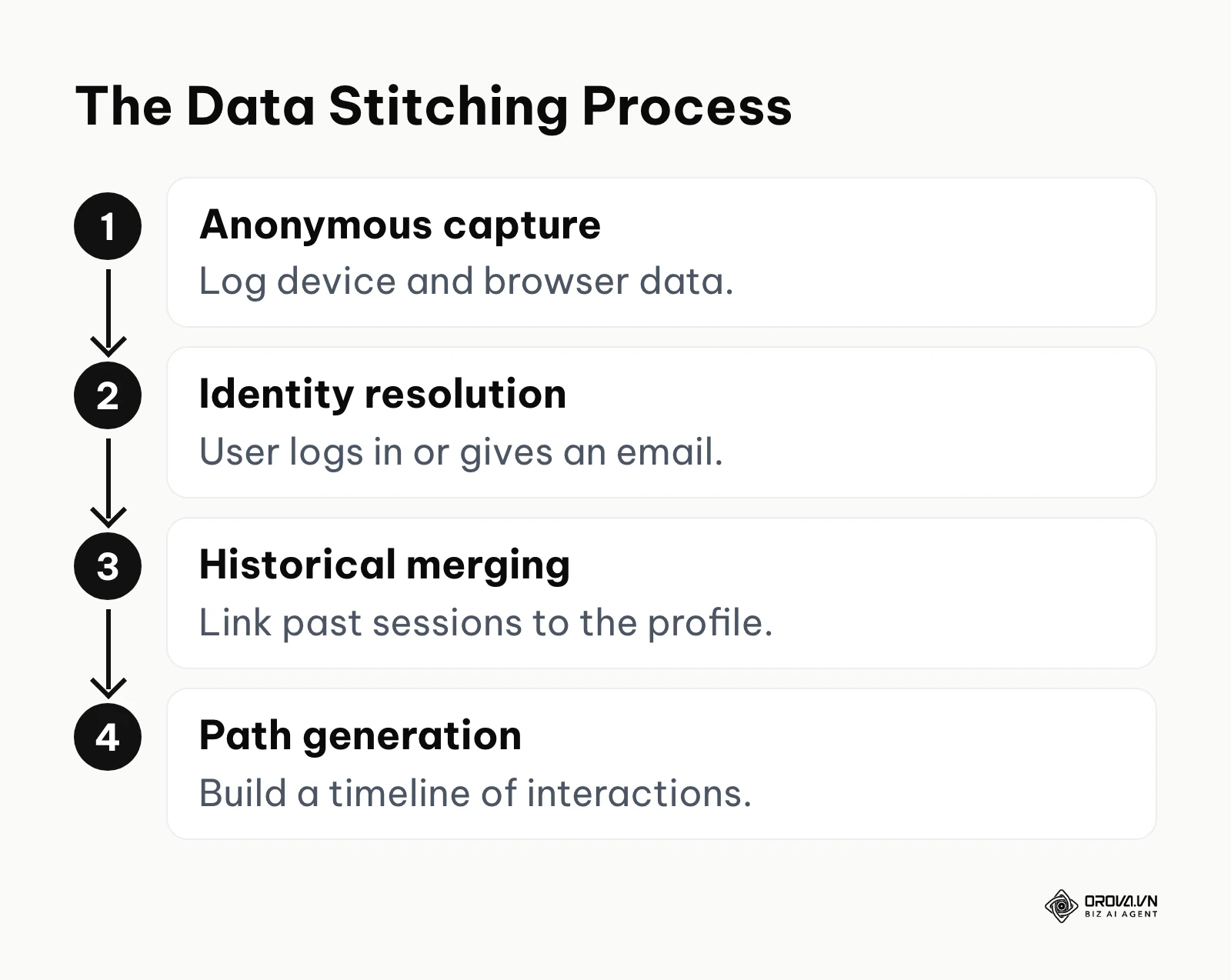
The absolute foundation of any attribution system is its ability to accurately collect interaction data across the web. This process involves deploying tracking codes, pixel tags, and server-side scripts across all your digital properties. Every time a user interacts with a touchpoint—whether it is clicking an ad, opening an email, or browsing a pricing page—the system logs a timestamped event.

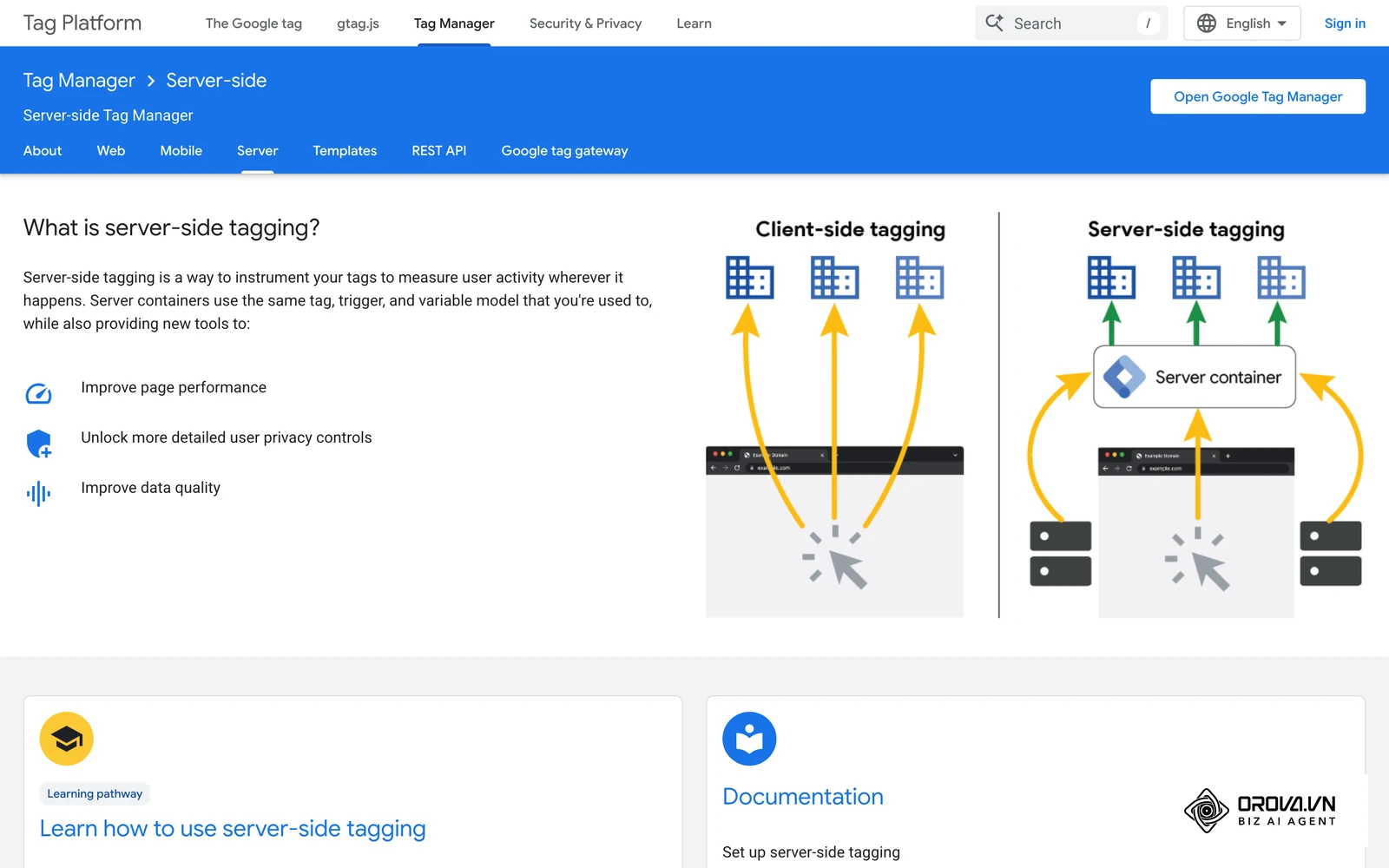
However, collecting raw events is useless if you cannot tie them to a specific human being. This is where identity resolution comes into play. The system uses a combination of first-party cookies, IP addresses, and logged-in user IDs to connect disparate sessions across different devices. In practice, modern tracking leans on a combination of first-party cookies and server-side tagging to limit the data loss caused by browser restrictions.
The most common failure point in this stage is cross-device tracking. If a user discovers your product on their smartphone via a social media app while commuting, and then completes the purchase on their work laptop three days later, basic systems will record this as two entirely separate users. Advanced systems mitigate this by prioritizing deterministic matching—relying on absolute identifiers like an email address provided during a newsletter signup or a login event to bridge the gap between devices.
Path Aggregation and Session Stitching
Once the raw data is collected and identities are resolved, the system must organize this information chronologically. This phase is known as path aggregation or session stitching. The attribution engine queries its database to reconstruct the exact historical timeline of events for every individual who eventually triggered a conversion event.
This process requires defining strict parameters, most notably the "lookback window." A lookback window determines how far back in time the system should search for interactions to include in the path. A standard window is often 30 to 90 days. If an interaction occurred 95 days before the purchase and your window is set to 90, that initial touchpoint is ignored and receives zero credit.
The frequent breakdown here occurs due to siloed databases. If your email marketing platform does not communicate seamlessly with your CRM or web analytics, the path aggregation process is interrupted, creating fractured timelines. This is why standardizing UTM parameters across all platforms is non-negotiable; UTMs serve as the universal connective tissue that allows the system to identify traffic sources accurately. If organic search matters to you, the same logic applies: an SEO attribution model simply decides how much credit organic visits receive when they appear early or in the middle of a path, which only works if those visits are stitched correctly.
Credit Calculation Rules (The Models)
After the entire customer journey is mapped out from the first click to the final conversion, the system must apply a mathematical rule to decide how much financial credit each touchpoint receives. These rules are the actual "attribution models." Choosing the right model dictates how your business views the success of its marketing efforts.
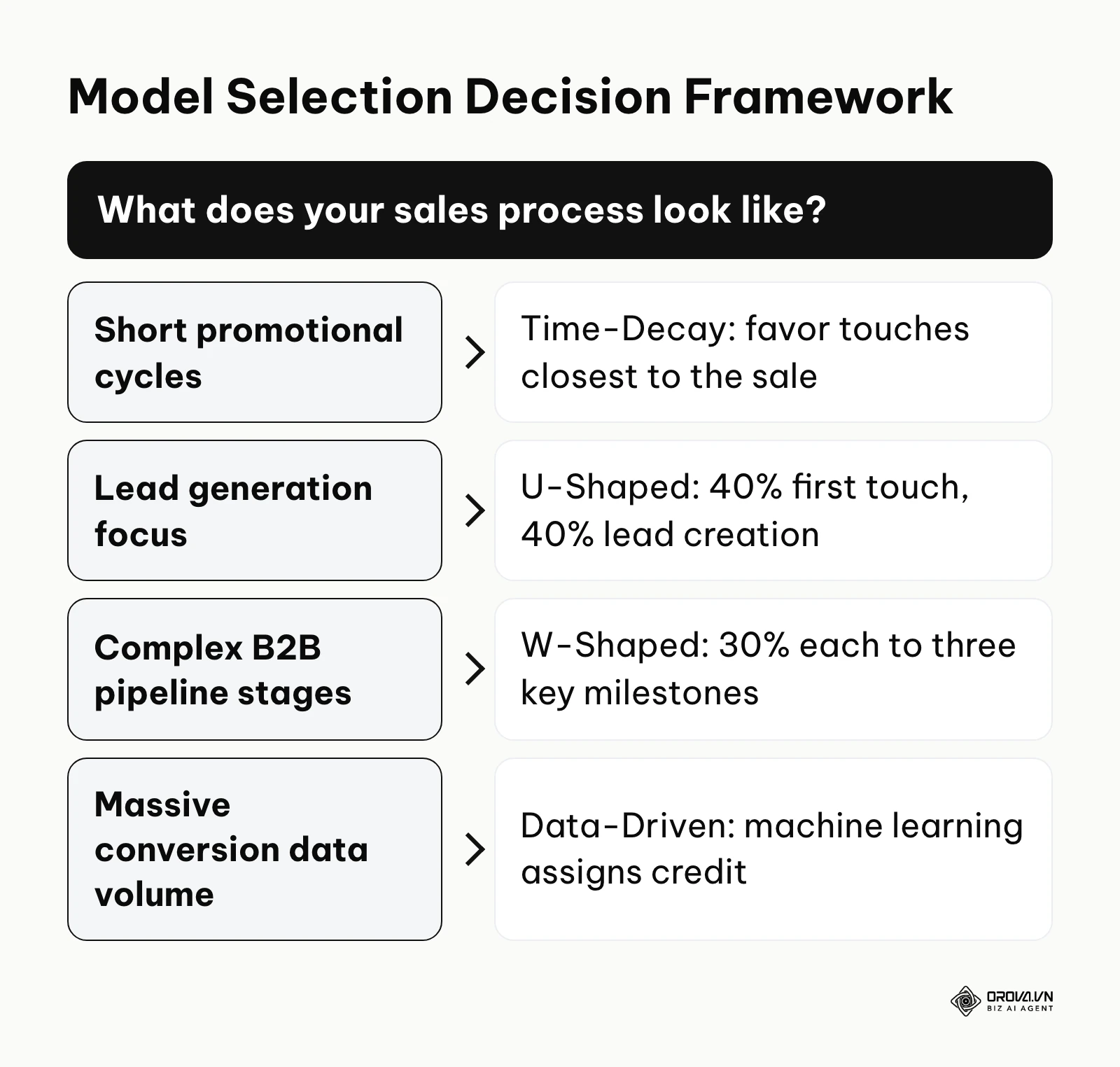
Different models reflect different strategic priorities. A business focused on rapid growth and brand awareness will value early interactions differently than a business focused strictly on bottom-line efficiency.
| Types of Attribution Models | Defining Characteristic | Who It Fits Best |
|---|---|---|
| Linear Model | Distributes credit equally across all touchpoints in the journey. | Long sales cycles where every stage requires constant nurturing. |
| Time-Decay Model | Gives more credit to touchpoints closer in time to the final conversion. | Short promotional cycles, flash sales, or urgent service industries. |
| U-Shaped Model | Gives 40% to first touch, 40% to lead creation, and 20% distributed in between. | Lead generation focused companies prioritizing discovery and capture. |
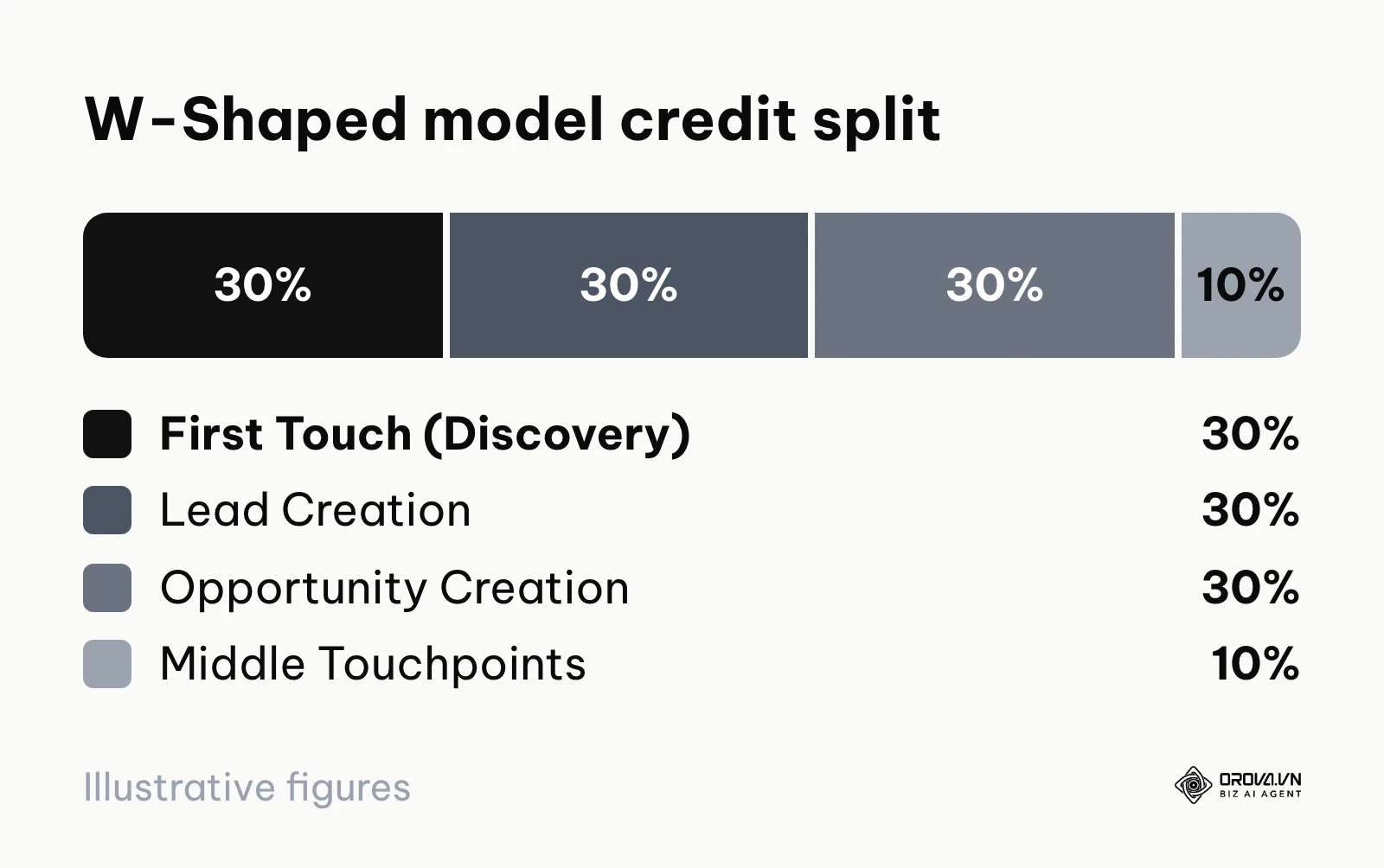
| W-Shaped Model | Gives 30% to first touch, 30% to lead creation, 30% to opportunity, 10% rest. | Complex B2B organizations with clearly defined pipeline stages. |
| Data-Driven Model | Uses machine learning algorithms to dynamically assign credit based on historical impact. | Enterprise companies with massive volumes of conversion data. |
Selecting the wrong model is a critical strategic error. If a B2B enterprise with a nine-month sales cycle uses a Time-Decay model, they will drastically undervalue the foundational whitepapers and webinars that initiated the relationship months prior, leading them to cut budgets for their most vital lead generation engines.
Output Generation and Reporting
The final component of the mechanics is output generation. The attribution engine takes the calculated credit and visualizes it in dashboards that human marketers can actually read and interpret. This is where you see reports comparing Return on Ad Spend (ROAS) across different channels based on the selected model.
A high-functioning output layer allows users to toggle between different models instantly. By comparing how a specific channel performs under a First-Touch model versus a Last-Touch model, marketers can clearly identify whether a channel functions primarily as an awareness driver or a closing mechanism.
Illustrative example: Context: An e-commerce store owner managing a diverse inventory was struggling to justify Facebook ad spend, which looked terrible on last-click metrics. Steps taken: They configured a U-shaped attribution model and carefully mapped out touchpoints connecting Facebook ads, Google search, and email flows. Stumbling block: They noticed cross-device tracking was dropping out severely on mobile browsers due to aggressive cookie blocking. They fixed this by aggressively incentivizing user accounts, implementing strong user-ID tracking upon login. Result: The newly generated reporting interface clearly proved a mobile-first discovery pattern, showing that Facebook ads initiated 65% of customer journeys that eventually concluded via desktop organic search.
If your inputs are flawed, the output is merely a beautifully visualized lie. Managing the data flowing from platforms like Facebook Ads Manager requires rigorous hygiene before it ever reaches the reporting dashboard.
Roadmap: 5 Steps to Implement Multi Touch Attribution by Team Type
Transitioning from basic analytics to a robust multi touch attribution framework is a significant operational shift. The implementation process varies drastically depending on the size of the organization, the available technical resources, and the complexity of the sales funnel.
The Blueprint for Small Business Owners
For small business owners with limited budgets and tight margins, the goal is to establish baseline visibility without drowning in technical debt. You do not need expensive enterprise software; you need rigorous process discipline.
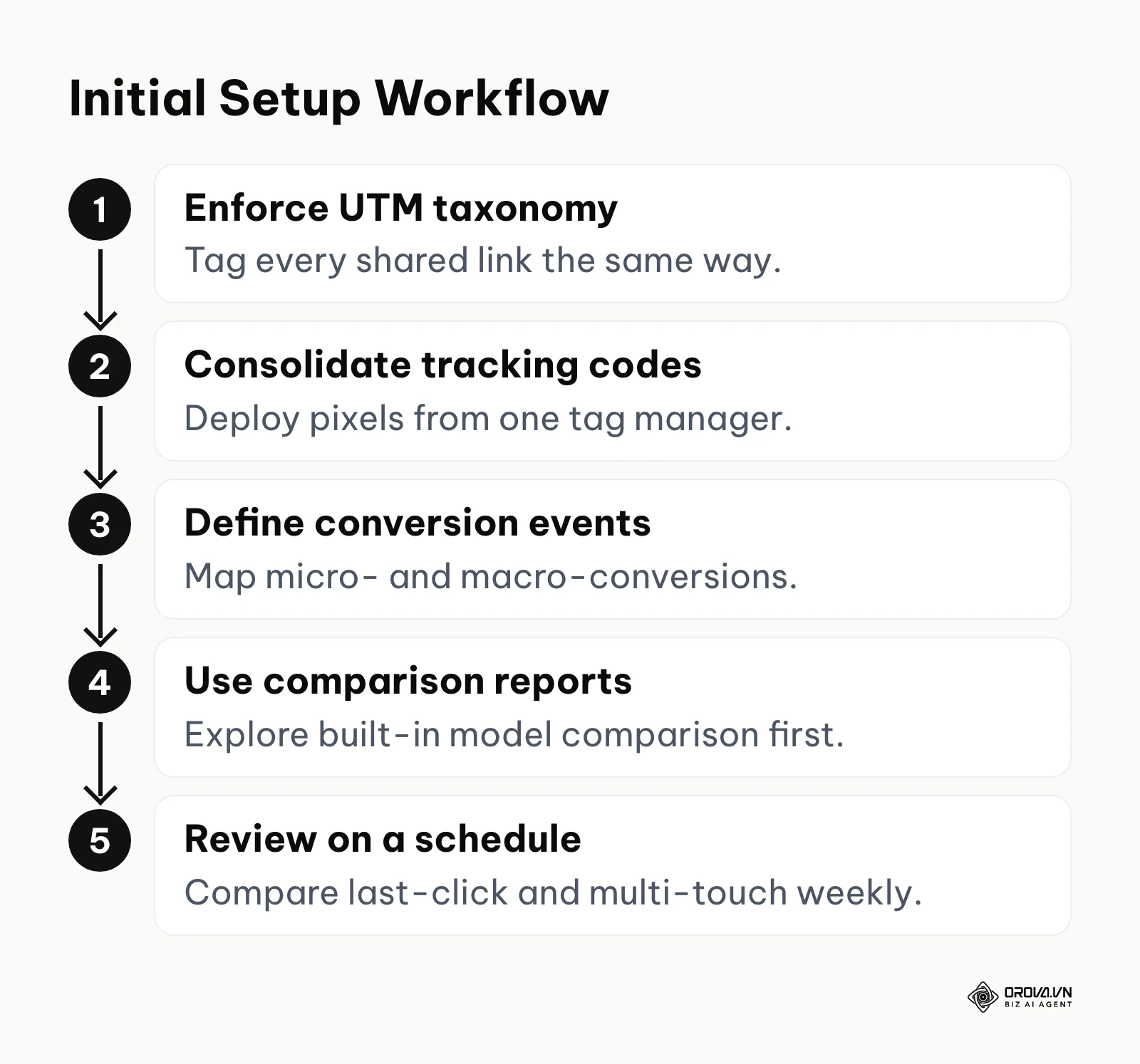
- Enforce Strict UTM Taxonomy: Create a shared spreadsheet defining exactly how every link shared on social media, in emails, or via ads must be tagged. Consistency is your most powerful tool.
- Consolidate Tracking Codes: Use a tag management system to deploy all your marketing pixels from a single location, ensuring pages load quickly and tracking fires reliably.
- Define Core Conversion Events: Clearly map out the micro-conversions (newsletter signups) and macro-conversions (purchases) in your primary analytics platform.
- Utilize Built-in Comparison Reports: Before buying new software, explore whatever model comparison features your current analytics platform already offers to understand basic pathing.
- Review Paths on a Fixed Schedule: Set a weekly slot to compare how each channel looks under last-click versus a multi-touch view, and note which channels consistently start journeys.
The Blueprint for In-house Marketing Leads
Marketing leads operating within mid-sized companies face the challenge of bridging the gap between marketing data and sales outcomes. Your focus must be on integration and data normalization.
- Audit Data Silos: Identify every platform that touches a customer (marketing automation, advertising networks, customer support software) and evaluate their export capabilities.
- Establish CRM Connectivity: Work with operations to ensure that marketing data flows seamlessly into the CRM, and crucially, that closed-won revenue data flows back into the marketing analytics environment.
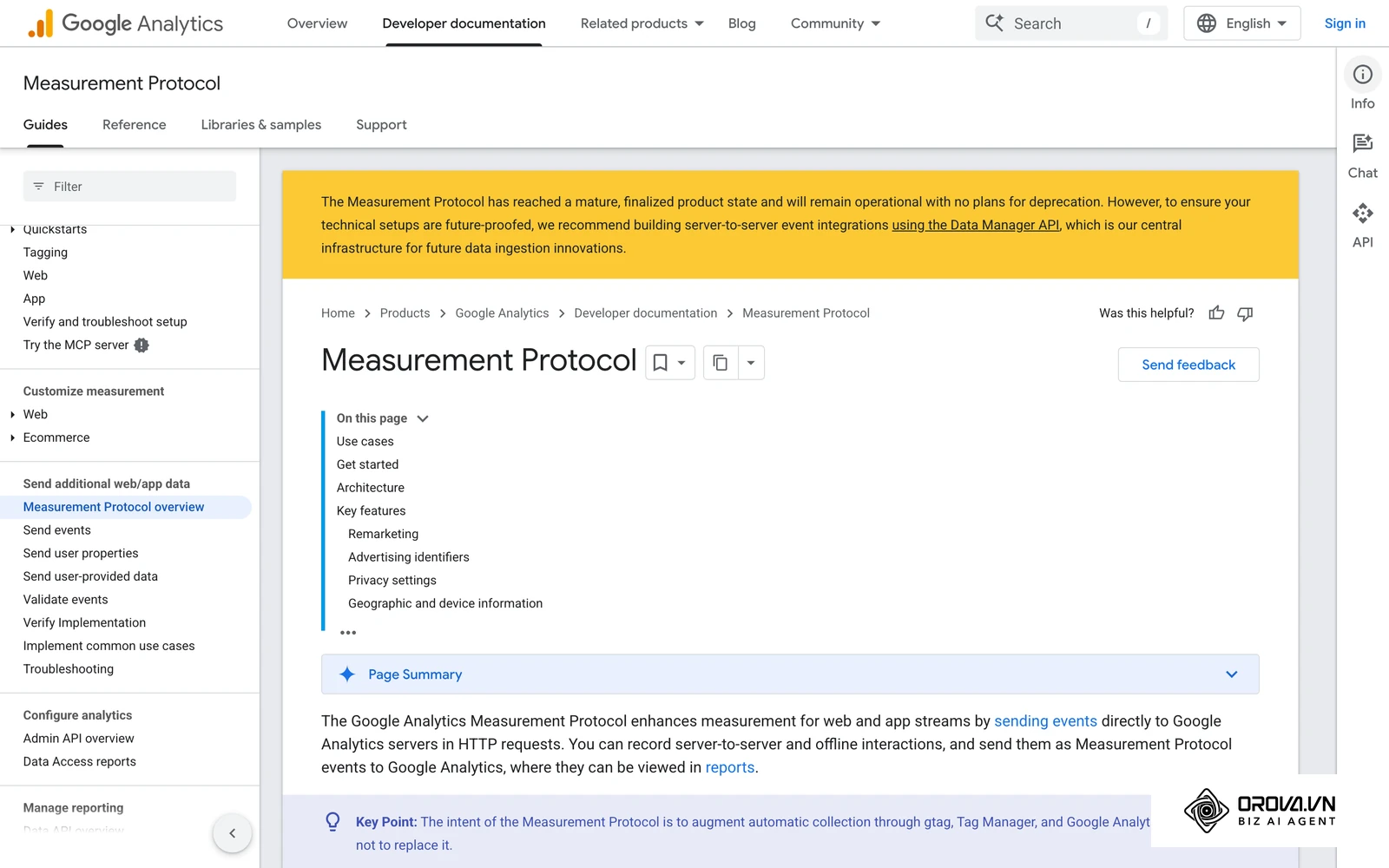
- Implement Server-Side Tracking: Move away from relying solely on browser-based pixels. Set up server-side conversion API connections to send conversion data directly from your server to the advertising platforms to ensure data integrity against ad blockers.
- Select a Baseline Model: Choose a rule-based model (like U-shaped or W-shaped) that logically aligns with your documented sales stages and stick with it for at least one full quarter to establish a benchmark.
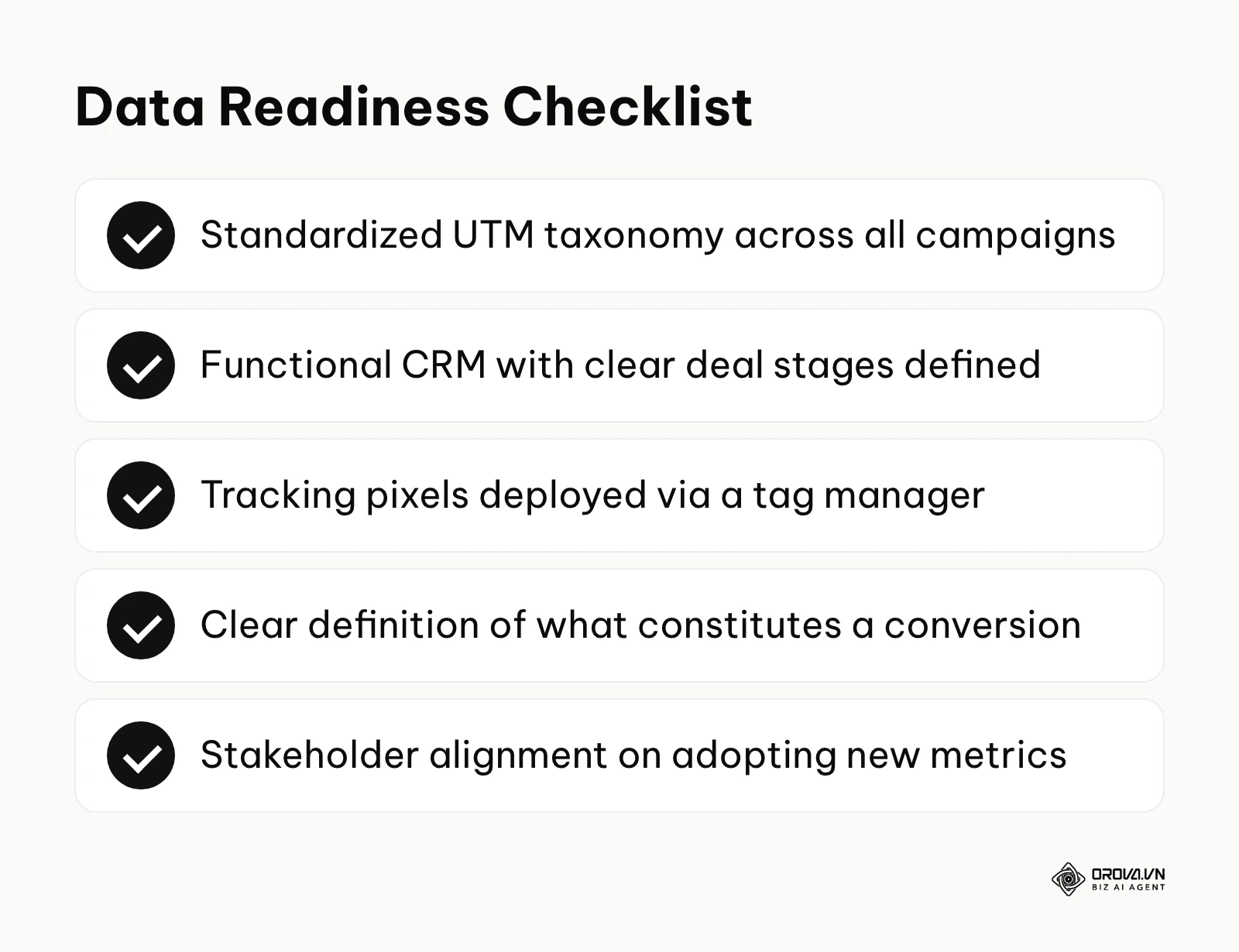
- Train the Stakeholders: Conduct dedicated workshops for the sales and finance teams to explain why the new metrics differ from historical reports, securing their buy-in on the new measurement methodology.
The Blueprint for Agency Professionals
Agencies face the unique challenge of implementing attribution across multiple disparate client environments. Your roadmap must prioritize standardization, secure data handling, and proving tangible ROI quickly.
- Conduct a Data Readiness Assessment: Before promising advanced attribution, audit the client's existing tracking infrastructure to identify broken links, missing pixels, or inconsistent tagging.
- Standardize the Onboarding Architecture: Develop a universal deployment framework utilizing webhooks and APIs that can be adapted quickly to various client tech stacks.
- Map the Complex Journeys: Work closely with the client to understand their unique omnichannel touchpoints, including factoring in offline events or direct mail campaigns where possible.
- Build Custom Dashboards: Create role-specific reporting views. The client's CEO needs a high-level ROAS summary, while their marketing manager needs granular channel performance data.
- Establish Regular Review Cadences: Do not just deliver the dashboard; schedule monthly analytical reviews to interpret the data and recommend specific budget reallocations based on the attribution insights.
| Common Implementation Mistakes | Immediate Consequences | How to Avoid and Fix |
|---|---|---|
| Ignoring Offline Touchpoints | Skews data entirely towards digital, undervaluing events and sales calls. | Create specific CRM protocols to log physical interactions as trackable events. |
| Inconsistent UTM Tagging | Creates fragmented data pools labeled "Direct" or "Unassigned." | Use automated link builders and restrict manual link creation. |
| Changing Models Constantly | Prevents the establishment of historical baselines for accurate comparison. | Lock in a single primary model for a minimum of 90 days for strategic analysis. |
Illustrative example: Context: A B2B agency account director needed to prove the value of their top-of-funnel content strategy to a skeptical client. Steps taken: The team conducted a complete audit of the client's data hygiene, standardized all UTMs retroactively where possible, and built a data warehouse connection via Webhook to sync marketing interactions with the client's rigid legacy CRM. Stumbling block: The client's sales team was manually overriding the "lead source" field based on their own conversations, destroying the digital tracking continuity. They fixed this by locking the system source field and creating a separate "Sales notes" text field for human input. Result: The clean data flow finally allowed the agency to present a dashboard showing the exact percentage of closed-won deals that were initially sparked by their early-stage educational webinar series.
Make budget conversations easier with reports everyone can read. Orova Insight lets you schedule recurring report delivery, define your own metrics for your funnel, and present dashboards in presentation mode with permission controls. Free until July 7, 2027.
Where multi touch attribution is heading in the next few years: the author's take
As privacy regulations tighten and technology rapidly evolves, the landscape of marketing measurement is undergoing a massive structural shift. Based on current developments up to 2026, here is how I see the future of multi touch attribution unfolding.
The Rise of Blended Measurement Frameworks
Currently, there is a fierce debate between advocates of granular user-tracking and proponents of high-level Marketing Mix Modeling (MMM). I believe that over the next two to three years, this either-or debate will matter less and less, and more teams will blend both methods. As individual user tracking becomes increasingly difficult due to privacy mandates, platforms will use multi touch attribution for short-term tactical optimization (where user consent is granted) and layer it securely over MMM data for long-term strategic budget forecasting. Marketers should prepare by familiarizing themselves with basic statistical modeling concepts, rather than relying solely on deterministic tracking.
Navigating the Cookieless Reality with Server-Side Tracking
Tracking prevention in browsers such as Safari and Firefox, limits on third-party cookies, and stricter mobile app privacy rules have already reduced the accuracy of traditional pixel-based tracking. My read is that measurement will keep shifting toward first-party and aggregated, privacy-preserving data rather than user-level tracking across sites. I think server-side tracking will move from an advanced tactic to a baseline expectation for any business spending money on ads. If your setup relies entirely on the browser to send data, you will gradually lose sight of more of the journey. The practical preparation is to start building server-to-server connections now so your data stays continuous.
AI-Driven Predictive Attribution
We are seeing the early signs of artificial intelligence processing vast amounts of disparate marketing data. I suspect that the next step for attribution will be to look forward, not just backward. AI can analyze historical multi touch pathways and estimate the likelihood of conversion for journeys that are still in progress. Instead of only telling you that a Facebook ad assisted a sale, such a system could adjust bidding because it recognizes a specific user's pattern matches a high-value conversion path. However, this prediction relies entirely on the quality of historical data; if your data hygiene is poor today, AI will only amplify your existing errors tomorrow.
Frequently Asked Questions about Multi Touch Attribution
Is multi touch attribution still necessary when we have AI?
Yes, absolutely. AI is incredibly powerful at processing data and identifying patterns, but it requires massive amounts of clean, structured input to function correctly. Multi touch attribution provides the necessary architectural framework and raw data points that train the AI models. Without a structured attribution system collecting accurate interaction data, any AI-driven marketing tool will suffer from the "garbage in, garbage out" phenomenon, rendering its predictions useless.
Should SMEs with small budgets attempt to implement this?
It depends entirely on the complexity of the sales cycle, not just the budget size. If an SME sells complex B2B services that require multiple touchpoints over several months, establishing a foundational tracking framework is crucial, even using free tools and manual processes. However, if the SME sells low-cost impulse items via single channels, their limited resources are better spent on creative testing and platform optimization rather than complex data integration.
How do we measure offline touchpoints like billboards or events?
Measuring offline touchpoints requires bridging the physical and digital worlds using specific capture mechanisms. For events, this means utilizing unique QR codes, specific landing page URLs used nowhere else, or dedicated promo codes. When a user interacts with these specific mechanisms, the system logs a digital event that is directly tied to the offline activity, allowing it to be integrated into the broader digital attribution pathway.
What are the limits of Data-Driven MTA?
Data-Driven attribution models rely on sophisticated machine learning algorithms to distribute credit. The primary limitation is data volume. These models require thousands of conversion events to train the algorithm effectively and establish statistical significance. If a company only processes a few dozen high-value conversions a month, the algorithm will not have enough historical data to learn from, resulting in erratic, inaccurate credit distribution. In such cases, rule-based models remain far superior.
How does this impact our content planning?
Attribution data directly informs your content strategy by revealing which types of assets are most effective at different stages of the funnel. If data shows that a specific case study frequently acts as the final touchpoint before a sale, you know to prioritize similar formats in your upcoming content calendar to accelerate deals.
Where Should You Start with Multi Touch Attribution?
Moving toward a comprehensive measurement framework is a journey of increasing maturity. Attempting to leap from basic reporting directly to AI-driven algorithmic modeling is a recipe for organizational chaos. You must start exactly where you are today.
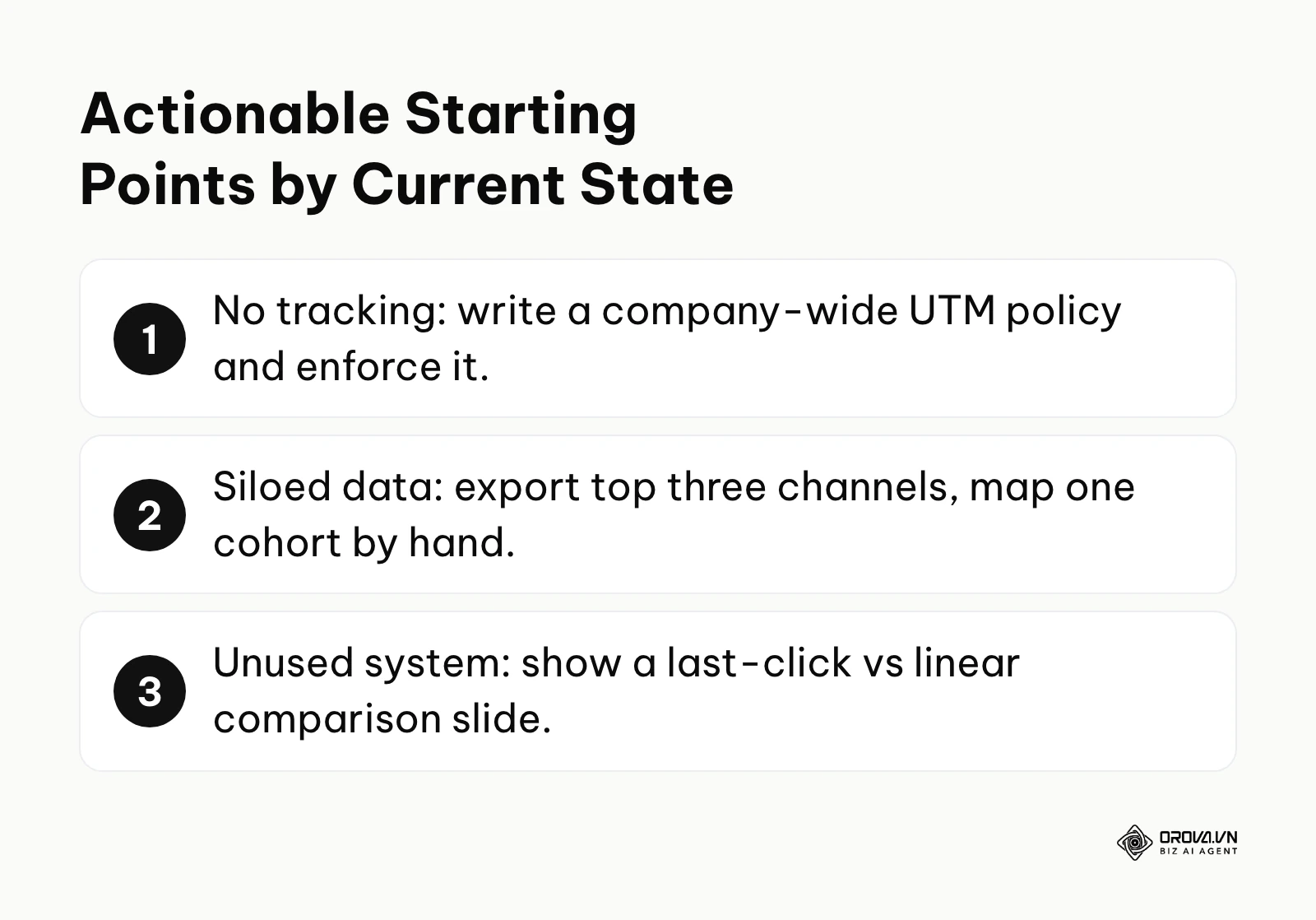
If you have no tracking system in place
Your absolute first step is governance, not software. Create a standardized UTM parameter document and mandate its use across the entire company. Every single link shared externally must be tagged correctly. Without this foundational data hygiene, no software in the world can accurately stitch together your customer journeys. This single step, which requires zero budget, solves the majority of future data fragmentation issues.
If you have data, but it is highly siloed
If your marketing automation platform, CRM, and advertising networks contain data but do not communicate, your next step is manual intersection mapping. Choose your three most important channels. Export the data for a specific high-value customer cohort and manually map their interactions in a spreadsheet. This exercise will not scale, but it will immediately reveal the gaps in your data flow and highlight exactly which platform integrations you need to build first via APIs or Webhooks.
If you have an attribution system, but are not using the insights
If the data is flowing but leadership is still making decisions based on old metrics, your next step is a controlled perspective shift. During your next performance review, present your standard reporting, but include a single slide showing a Model Comparison report—specifically contrasting Last-Click against a Linear or Position-Based model. Highlighting the stark differences in how channels are valued under different lenses is often the catalyst required to change organizational thinking.
About the author

Builder of Orova
Nguyễn Đỗ Trọng Ân has 8 years of experience in marketing, including 6 years managing market development across Asia. He builds Orova, a Biz AI Agent that never sleeps: it plans, runs and optimizes work for businesses.
Run your business with AI Agents
Orova is the always-on Biz AI Agent — it plans, runs, and optimizes the work for you.
Save time, unlock productivity.