
What is a TikTok smart performance campaign? A 2026 scaling guide

A tiktok smart performance campaign is TikTok's automated campaign type that hands targeting, bidding, and creative delivery to the platform's machine learning so you can focus on the videos. If you are staring at your advertising dashboard, wondering why your carefully crafted manual ad groups are suddenly underperforming, this is the campaign type worth understanding. You have spent countless hours tweaking audience interests, manually adjusting bids by a few cents, and rotating creatives on a rigid schedule, but the return on ad spend simply keeps dropping. The traditional way of micromanaging every single variable on the platform is no longer efficient or sustainable. The underlying algorithm has evolved drastically, and relying entirely on human adjustments often leads to significant wasted time and severely fragmented budgets. This guide shows you how this campaign type can help solve that problem. You will deeply understand the technical mechanics behind the automation, learn how to implement a sophisticated hybrid strategy, and discover the advanced techniques required to scale your spend safely without breaking the sensitive algorithmic learning phase.
What is a TikTok smart performance campaign?
A TikTok smart performance campaign is an automated advertising solution that uses machine learning to manage targeting, bidding, and creative delivery. It is designed to maximize conversions by finding the most likely buyers across the platform. It differs from manual campaigns by removing the need for human intervention in ad group adjustments.
The name of this feature originates from the platform's overarching push towards performance-based marketing. The goal is to provide a "smart" system that essentially thinks and reacts on behalf of the human media buyer. By feeding the system your daily budget and a diverse pool of creative assets, the machine takes over the heavy lifting of finding the exact right audience at the precise moment they are ready to purchase.
To understand this tool completely, we need to distinguish it clearly from other familiar advertising concepts that you might currently be using.
| Concept | Difference | Example |
|---|---|---|
| Smart Performance Campaign | Fully automates targeting, bidding, and creative combinations at the overarching campaign level. | Uploading 10 raw videos and letting the system independently find the buying audience. |
| Automated Creative Optimization | Only automates the combination of videos and text elements, but you still tightly control the audience targeting. | Setting the targeting to "Women 18-24" but letting the system mix your headlines dynamically. |
| Custom Audiences | A static, historical list of users that you must manually upload, refresh, or build rules for. | Retargeting past users who added a specific item to their shopping cart yesterday. |
Think of this system like hiring a highly experienced taxi driver in a completely new city. Instead of giving the driver stressful, turn-by-turn directions at every single intersection (which represents manual targeting), you simply give them the final destination and let them choose the absolute fastest route based on real-time traffic conditions (which represents the automated algorithm).
The strategic meaning of automation in advertising
This level of automation exists to solve the immense complexity of media buying on a hyper-fast-paced platform. Human media buyers simply cannot process the volume of user signals an ad auction sees. Delivery algorithms weigh many user behavior signals at once to predict how likely each person is to convert. This campaign type exists specifically to help businesses bypass the tedious, expensive testing phase and reach actual buyers much faster. It primarily serves performance marketers, massive e-commerce brands, and lead generation agencies who desperately need to focus their limited energy on creative strategy rather than endless button-clicking in a dashboard.
In the larger picture of your digital marketing ecosystem, this automated tool sits firmly at the absolute bottom of the funnel. Before you even think about activating it, you must have strong brand positioning, highly compelling offers, and exceptionally high-quality video assets already in place. Once those foundational elements are secured, the automated system takes over to convert that potential energy into actual, measurable sales. If you decide to ignore this massive shift towards automation, you fundamentally lose your ability to scale. Your competitors will aggressively utilize machine learning to bid more efficiently than you, effectively pricing you out of the auction for the highest-converting users. You will find yourself spending hours managing complex spreadsheets while competing teams focus entirely on producing better, more engaging videos.
For a deeper dive into constructing these foundational overall advertising strategies before turning on automation, refer to this advanced tiktok ads guide 2026.
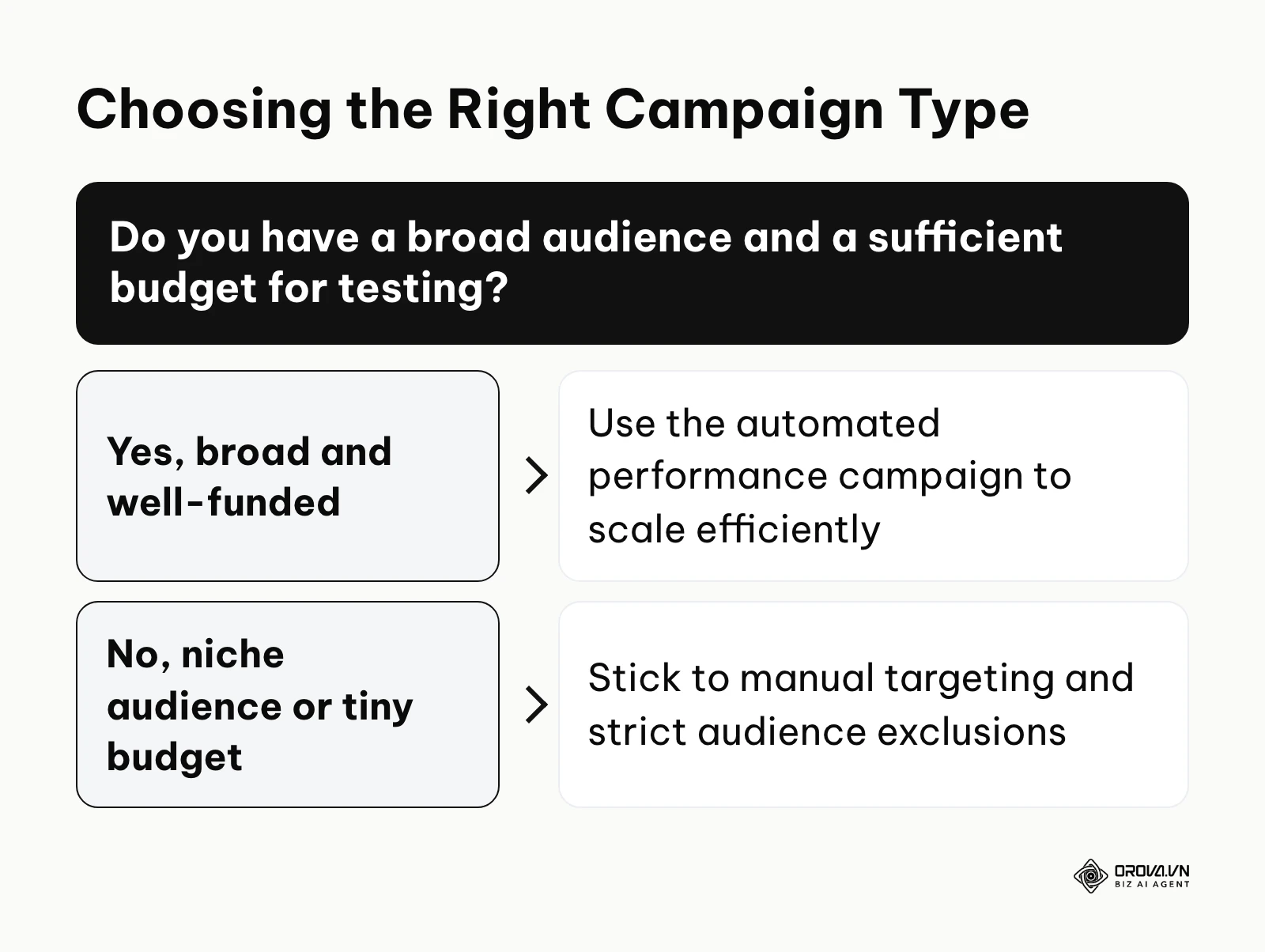
When you do not need a fully automated campaign yet: You should not use a smart performance campaign when you have an extremely limited budget that mathematically cannot exit the learning phase within a week. It is also highly wasteful when you are promoting a very niche B2B software product with a tiny total addressable market, where strict manual exclusion lists are absolutely critical to survival. Finally, if you are running a highly localized campaign for a physical retail store restricted to a strict two-mile radius, manual control prevents disastrous budget waste on broad, irrelevant audiences. In these specific cases, you must stick to manual targeting.
Core values and benefits for your business
Transitioning to automated campaigns delivers two distinct layers of benefits. One layer directly impacts the overarching business metrics, such as gross revenue and operational risk management, while the other layer directly improves the daily working conditions of the media buyers actively running the accounts.
Business value: financial risk mitigation and infinite scale
For the overarching business, the primary value is purely mathematical efficiency. The machine learning model is inherently, demonstrably better at predicting conversion probabilities than any human ever could be. This means your hard-earned budget is strictly spent on users who are statistically more likely to pull out their credit cards and buy. It massively reduces the financial risk of testing new geographical markets or demographic segments because the algorithm will quickly abandon non-performing clusters before wasting too much money. Furthermore, it unlocks massive scale. When a heavily restricted manual campaign inevitably hits a performance ceiling, an automated one can often easily push past it by finding hidden, obscure audience pockets that a human marketer would never even think to target.
Direct benefits for the media buyer's workflow
For the actual person managing the ads day-to-day, the absolute biggest benefit is the reclamation of time. You no longer have to wake up in the middle of the night to adjust bids downward or panic-pause underperforming ad groups before they drain the daily budget. The immense mental energy saved can be completely redirected into writing significantly better video scripts, deeply analyzing competitor creatives, and planning broader marketing strategies. You transition your career from being a tactical button-pusher to a highly strategic director of creative assets. To fully understand how to accurately measure these workflow improvements, you should review our comprehensive ad performance metrics guide.
| Benefit | Measured by | Seen after |
|---|---|---|
| Drastically reduced management time | Total hours logged actively inside the Ads Manager dashboard | 1 week |
| Significantly lower Cost Per Acquisition | The primary CPA or Cost Per Lead metric | 2 to 3 weeks |
| Much higher creative testing volume | The total number of active, distinct ads running concurrently | 1 month |
OROVA ADS applies AI Agent to automate and optimize ad performance on Google, Meta and TikTok. Scale your budget safely, monitor 24/7 and expand your business quickly.
Experience the solution at orova.vn/ads
How a TikTok smart performance campaign works under the hood
The entire system operates as an incredibly sophisticated black box, taking your raw inputs and continuously optimizing the delivery. Understanding exactly how this black box functions internally is absolutely critical for maximizing its financial potential and knowing when to intervene.
The automated targeting and bidding mechanics
When you launch this specific campaign type, you do not select any user interests, behaviors, or specific demographic traits. Instead, the algorithm relies entirely on the data flowing from your conversion pixel and the deep historical performance data of your account. The primary input consists solely of your daily budget, your strict target cost per action, and the specific conversion event you desperately want to optimize for (such as a completed purchase). The output is the highly calculated, real-time placement of your video ads in front of specific users who exhibit buying signals.
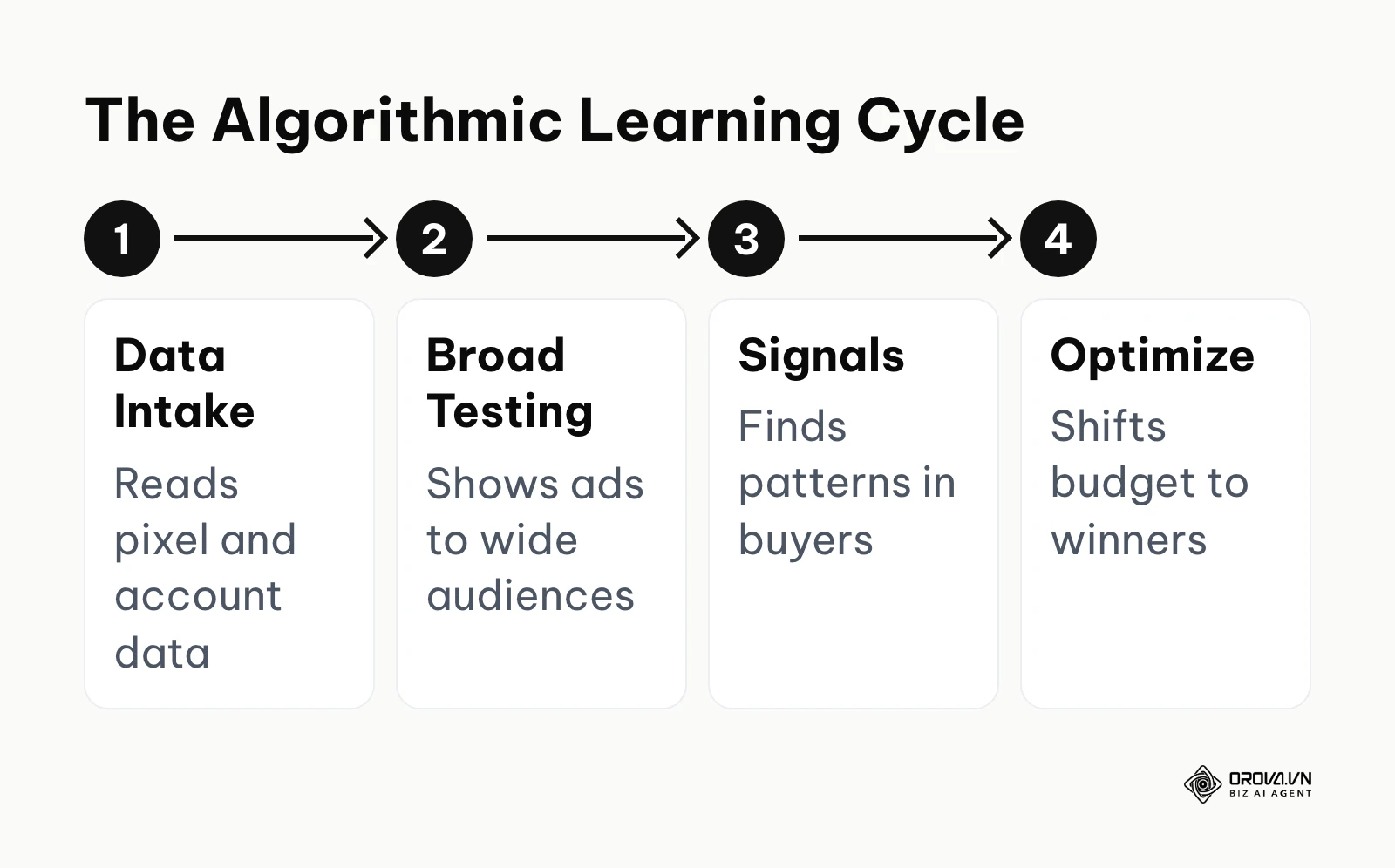
However, this system frequently breaks or stalls entirely if the input data is weak or corrupted. If your tracking pixel is brand new and has absolutely no conversion history, the algorithm has absolutely no mathematical baseline to learn from. This lack of direction results in erratic spending patterns, where the machine randomly tests wildly different audiences, often burning through your budget without generating a single sale.
Dynamic creative assembly and distribution
The creative deployment process is also fully and relentlessly automated. You upload a set of distinct videos, several ad text variations, and call-to-action options into a single pool (the exact limits are shown in Ads Manager and can change). The system's primary input is this specific pool of raw, unedited assets. Its output is many combinations of those assets, delivered to the users most likely to respond. The algorithm rapidly learns which specific video, when paired with which specific headline, drives the absolute cheapest conversions for a particular demographic subset.
This process completely fails if the input assets are too homogenous. If you upload ten videos that feature the exact same creator, standing in the exact same room, delivering the exact same script, the algorithm cannot learn anything meaningful. It needs extreme visual and narrative diversity to test different psychological triggers effectively.
The ultimate hybrid strategy: tiktok smart performance campaign vs manual
A very common, highly destructive misconception is that you must definitively choose between full automation and full manual control. On the platform, the most effective, scalable approach is a sophisticated hybrid strategy. You allocate a large portion of your total budget to the automated campaign to drive core sales volume and overall efficiency. Simultaneously, you run a much smaller, highly controlled manual campaign specifically designed for testing completely new creatives or highly specific niche audiences without risking the main budget.
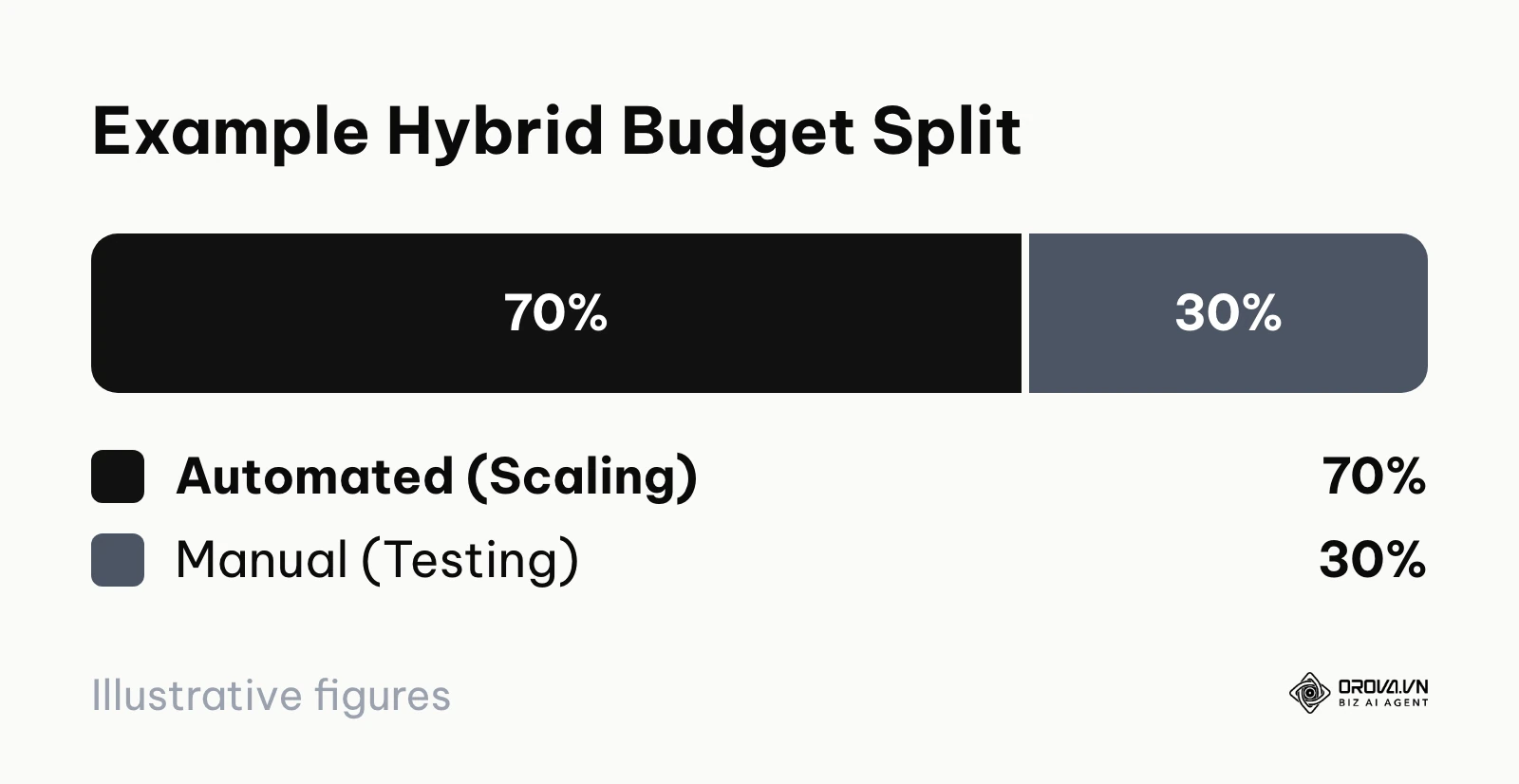
Illustrative example: You are a senior media buyer for a mid-sized e-commerce apparel brand. You securely allocated 70 percent of your daily budget to an automated campaign that was performing well, and you kept 30 percent for a strict manual testing campaign. The manual campaign was used to test brand new video angles featuring different clothing styles. However, you quickly noticed a massive audience overlap; both campaigns were showing ads to the exact same people, driving up your overall costs aggressively. You fixed this severe issue by completely excluding the past 30-day purchasers and all recent website visitors from the manual campaign, forcing it to prospect entirely cold users. The final result was a stabilized cost per acquisition across the board and a very clear pipeline of proven winning videos to continually feed into the main automated campaign.
To ensure you avoid accidentally bidding against yourself in this complex setup, carefully read our detailed audience overlap guide.
Safe techniques for how to scale tiktok smart performance campaign
Scaling an automated campaign requires immense patience and strict discipline. If you increase the daily budget too quickly or by too much, you aggressively force the delicate algorithm back into the volatile learning phase, which almost always spikes your conversion costs instantly. The absolute golden rule of media buying is gradual, controlled scaling. You must wait until the campaign has consistently achieved your desired target cost per acquisition for at least three consecutive days before touching anything. Then, and only then, raise the budget in a small, gradual step rather than doubling it. You should then wait another two to three days for the algorithm to digest the new budget before making any further financial adjustments.
Illustrative example: You act as a performance marketer for a newly funded mobile app startup. You started a smart campaign that quickly hit the strict target cost per install within four days. Feeling confident, you decided to double the daily budget instantly to maximize weekend traffic. The campaign re-entered the learning phase and your cost per install jumped sharply. You resolved this by reverting the budget to its original level, waiting three full days for stability, and then scaling it in small increments every few days instead. The result was a steady, predictable increase in daily installs while perfectly maintaining the target cost per install without breaking the underlying algorithm.
Evaluating creative fatigue within the AI black box
Because the automated system handles all the targeting, your absolutely only true point of leverage is the creative quality. However, the automated reporting often heavily aggregates data, making it incredibly hard to see which specific individual video is failing and causing the whole system to drag. You must establish a rigid framework to evaluate this hidden fatigue.
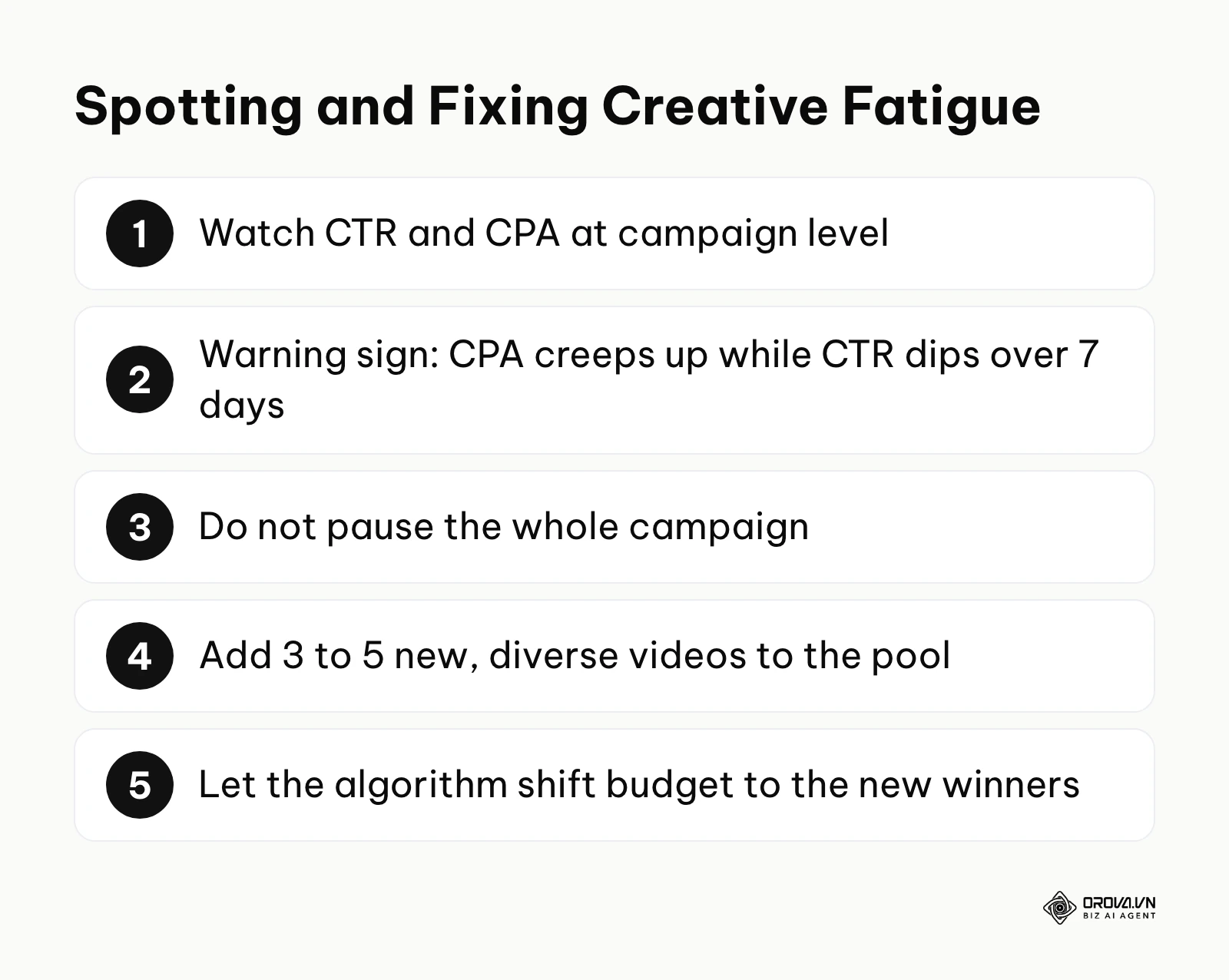
Monitor the overall click-through rate and the cost per acquisition relentlessly at the overarching campaign level. When the cost begins to slowly creep up over a rolling seven-day period, and the click-through rate dips simultaneously, it is a massive, undeniable indicator of deep creative fatigue. Do not panic and pause the whole campaign, as this destroys all historical learning. Instead, introduce three to five completely new, highly diverse videos directly into the existing asset pool and quietly let the algorithm slowly shift the budget away from the dying ads to the new winners. Understanding the deep psychology of tiktok hooks is absolutely essential to creating these new videos that successfully combat this inevitable fatigue.
Troubleshooting checklist when campaigns stall
Even the best-planned automated campaigns will inevitably hit roadblocks and stop spending money. Here is a highly systematic way to troubleshoot the problem without destroying the account:
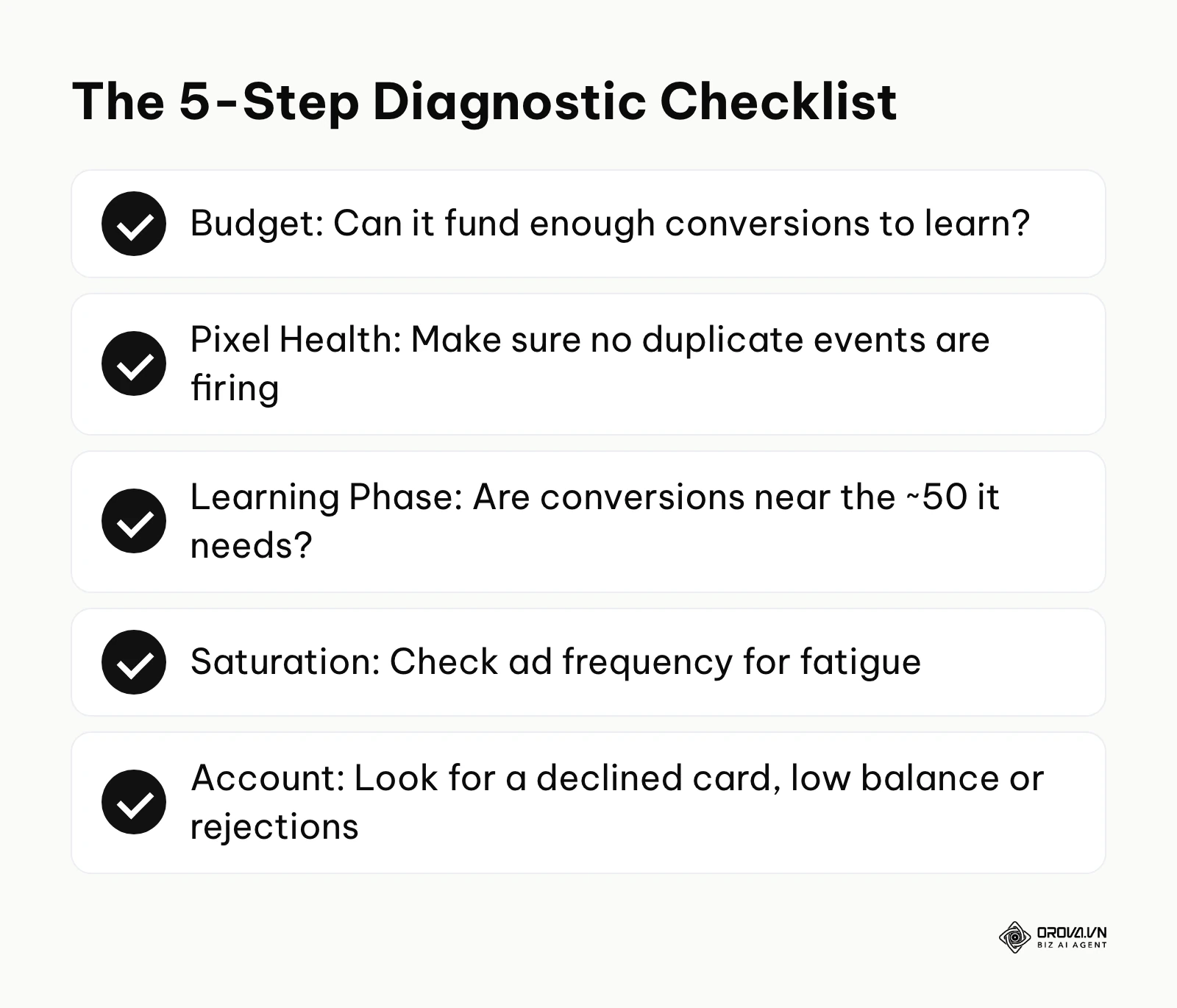
- Verify the budget against your target CPA. If the daily budget can only pay for a handful of conversions, the system does not have enough runway to collect data.
- Check the pixel health thoroughly. Ensure absolutely no duplicate events are firing, which severely confuses the algorithm and inflates reported revenue.
- Review the learning phase status objectively. If a full week has passed and the campaign is still far from the conversion volume TikTok's learning-phase guidance asks for (around 50 conversions), it likely needs restructuring.
- Analyze audience saturation carefully. Look at the frequency metrics; if users are seeing the exact same ad too many times in a week, you urgently need fresh creatives.
- Check the account balance and ad rejections. Very often, the simplest, most embarrassing issues—like a declined credit card—cause the biggest stops.
| Campaign Type | Key Characteristic | Best Suited For |
|---|---|---|
| Smart Performance Campaign | Fully automated targeting, bidding, and dynamic creative delivery. | Rapidly scaling proven products with broad, mass-market appeal. |
| Smart+ Campaign | TikTok's newer end-to-end automated campaign solution; availability depends on your account and region. | Advertisers wanting maximum hands-off automation and minimal daily input. |
| Manual Campaign | Strict, granular control over specific audiences, demographics, and placements. | Highly niche B2B products, strict local businesses, or accounts with severe budget constraints. |
What you need to do to start and adapt
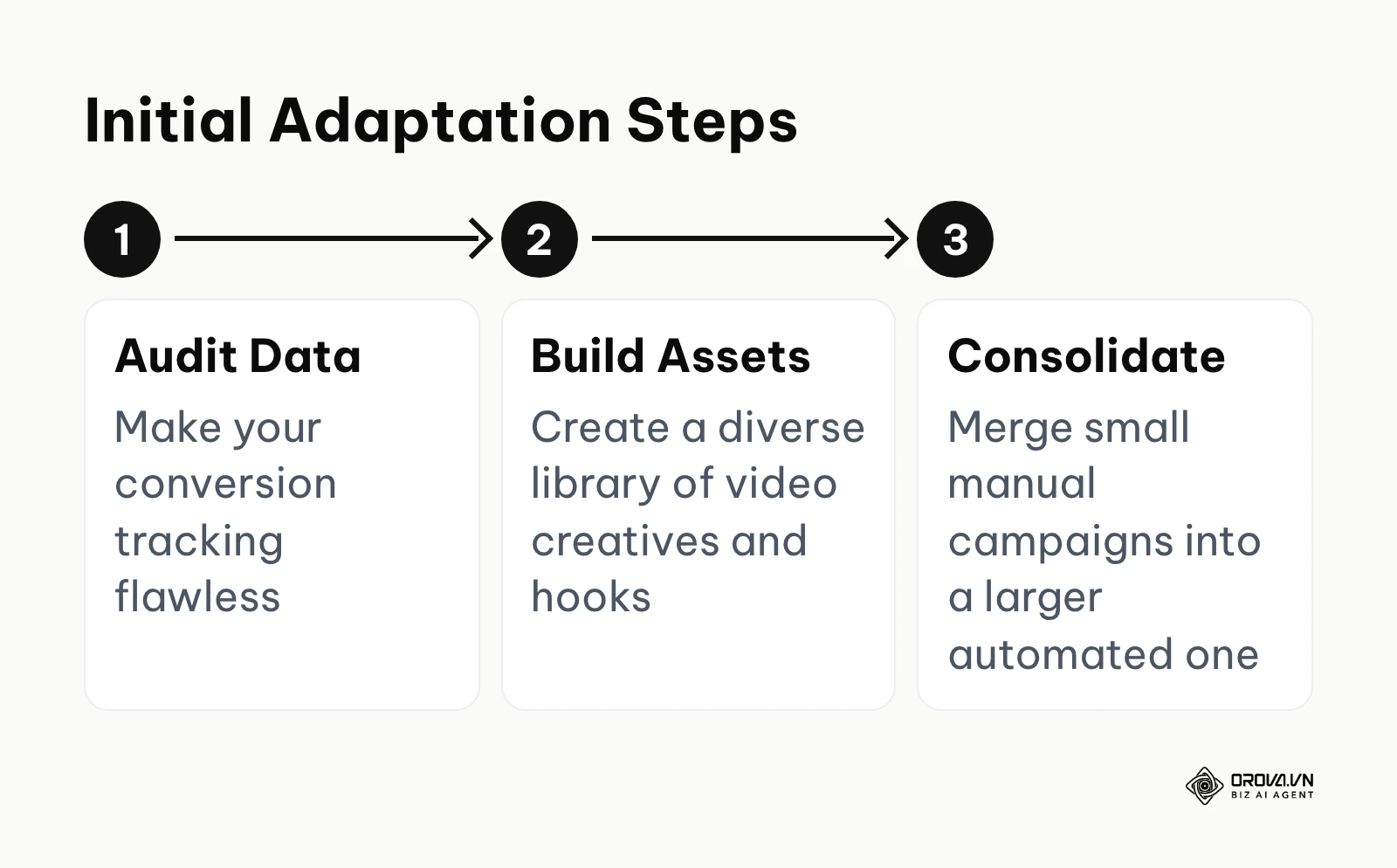
Adopting this highly automated system requires fundamentally different operational steps depending entirely on your specific role within the business structure.
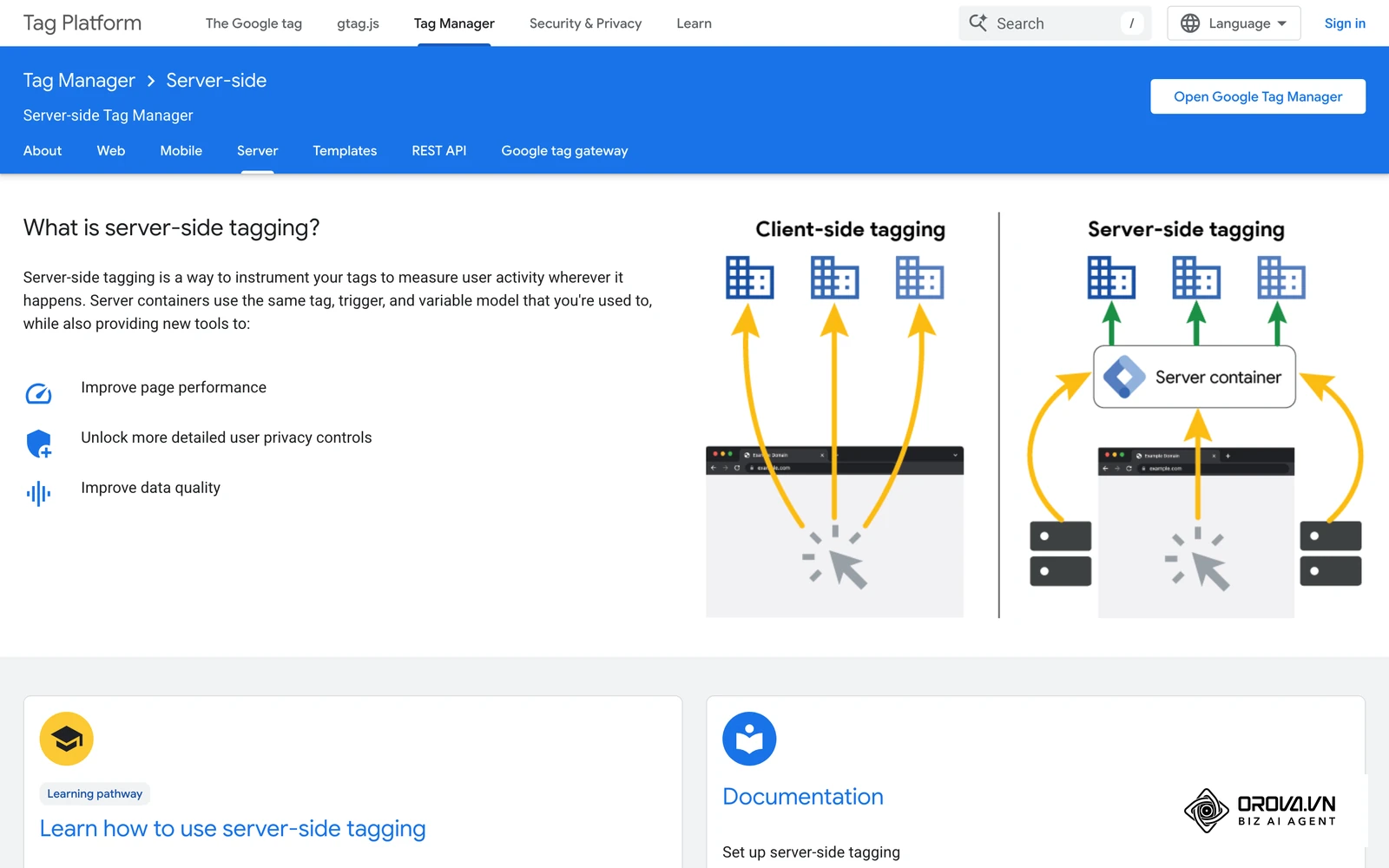
For small business owners
If you are running the entire business yourself, you need to drastically simplify your approach to advertising. First, ensure your core product tracking is absolutely flawless. Without perfect data, the AI is completely blind and will burn your cash. Second, focus all your limited energy on filming highly authentic, user-generated style content with your phone rather than worrying about complex dashboard settings. If an organic post or a creator's video is already resonating, read how TikTok Spark Ads let you promote that native content. Third, set a daily budget you are fully comfortable losing during the initial learning week, as the system will make many expensive mistakes while it learns your audience. Finally, strongly resist the overwhelming urge to check the metrics every single hour; you must give it at least three full days to stabilize before passing any judgment.
For in-house marketers
As a dedicated in-house marketer, your daily job shifts completely from micro-optimization to strategic asset management and broader business alignment. First, meticulously build a structured creative calendar to ensure a constant, steady supply of high-quality new videos. Second, implement a mathematically strict naming convention for all your raw assets so you can easily track broader creative trends and visual themes over a long period. Third, set up automated rules within the platform to instantly alert you via email if the overall cost per acquisition exceeds your absolute maximum threshold, protecting the company's bottom line. Fourth, perfectly align your specific advertising goals with the broader company revenue targets, ensuring your campaigns are driving actual, profitable growth, not just cheap, useless clicks.
For agency media buyers
Agency buyers face the unique, stressful challenge of managing multiple client expectations while navigating this black-box system. First, proactively educate your clients heavily on the realities of the learning phase; they must understand that the first few days might look highly unprofitable. Second, actively consolidate smaller client budgets into fewer, much larger automated campaigns to aggregate data significantly faster. Third, develop a highly clear reporting structure that highlights creative performance and business ROI rather than just useless audience vanity metrics. Fourth, deliberately build a strict hybrid testing environment to constantly validate new concepts before feeding proven assets into the main automated campaign.
Illustrative example: You are an agency owner managing multiple client accounts across different industries. You launched several smart campaigns for a new client, but they only provided a very small daily budget. The campaigns failed to gather enough conversions in the first week, and the client was unhappy. You carefully gathered the data and realized the fragmented budget was simply too low relative to the high product price. You solved this immediately by consolidating three small, distinct campaigns into one massive, broad campaign, giving it the full, unified budget. The consolidated campaign gathered conversions faster, exited the learning phase, and gave the client clearer results to judge.
| Common Mistake | Consequence | How to Avoid |
|---|---|---|
| Constantly editing the live campaign | Instantly resets the delicate algorithmic learning phase. | Make major changes only after a full 7 days of absolute stability. |
| Uploading visually identical videos | The AI cannot learn what specific elements actually work. | Provide massively diverse camera angles, psychological hooks, and formats. |
| Setting the daily budget far too low | The system fails to gather enough conversion data to learn. | Size the budget so it can realistically fund the conversions the learning phase needs. |
Want to scale your budget but afraid of breaking performance? 📉
Integrate OROVA ADS now - an AI Agent that automatically monitors and optimizes Google, Meta, TikTok ads 24/7. Now, expanding and replicating your Performance Ads team is just one click away.
🚀 Try it now at: orova.vn/ads
TikTok smart+ campaign update 2026 and future trends: the author's view
The entire landscape of digital advertising is moving rapidly toward total automation. Based on the direction platforms have taken up to 2026, they are steadily taking more control away from the human operator. Here is how I read that direction, as opinion rather than certainty.
The complete dominance of AI-generated assets
I believe advertising platforms will move from testing our uploaded creatives toward helping build them. The tiktok smart+ campaign update 2026 points in that direction. It seems plausible that systems will increasingly be able to take a single static product image, autonomously generate a highly persuasive dynamic video script, synthesize a perfectly natural human voiceover, and piece together a fully functioning, high-converting ad without any human intervention whatsoever. You should prepare immediately by ensuring your core brand guidelines, fonts, and raw product photography are flawlessly organized, as these basic elements will become the primary inputs for the AI engine.
The death of granular audience targeting
I suspect that manual interest targeting will matter less and less over time, even if it does not disappear. The underlying algorithms are now so incredibly adept at finding buyers purely through contextual creative analysis that manual human inputs actually hinder overall performance. Viewing behavior on the video itself is becoming a stronger signal than old interest labels. You must stop relying on outdated audience hacks and start relying heavily on deep psychological hooks in your videos.
Cross-platform algorithmic synchronization
I lean towards a complex future where the proprietary algorithms of completely different advertising platforms begin to indirectly communicate and synchronize through third-party data aggregation. If a specific user exhibits strong buying behavior on one platform, automated campaigns elsewhere may increasingly reflect that signal in how they bid. This means your daily job will shift entirely toward managing the overarching, holistic business economics rather than focusing on platform-specific tactical execution. You should actively start unifying your data pipelines now to prepare for this highly integrated future.
For more strategic insights on navigating the complex future of advertising automation, you should read our comprehensive ai ads guide.
Frequently asked questions about TikTok smart performance campaigns
These are the most common, pressing questions advertisers have when making the difficult transition to fully automated systems.
What happens if I only upload one single video to the campaign?
The campaign will technically launch and run, but it entirely defeats the entire foundational purpose of the system. The machine learning algorithm absolutely needs a wide variety of inputs to systematically test and find the best possible combinations. If you only provide one video, the system cannot optimize anything, and your specific audience will experience severe creative fatigue very rapidly, driving your costs through the roof. Always upload at least three to five highly distinct, high-quality videos.
How do I evaluate a single ad video when reports are completely aggregated?
While the main dashboard interface predominantly shows aggregated data, you can still glean critical insights by looking deeply at the specific asset-level reporting. You must focus intensely on the spend distribution. The algorithm is entirely ruthless; it will rapidly funnel the vast majority of your daily budget toward the specific video that is yielding the absolute best mathematical results. If a video has consumed zero budget after three full days, the algorithm has definitively deemed it a loser, regardless of what you personally think of the video quality.
Does this highly automated campaign type actually work for high-ticket products?
Yes, it certainly does, but it requires highly realistic expectations and a larger budget. High-ticket items inherently have a much longer customer journey and a significantly higher cost per acquisition. TikTok's own learning-phase guidance in its Business Help Center points to roughly 50 conversions to exit the learning phase. For expensive, high-ticket items, you might not mathematically hit this volume within a week unless your budget is massive. You must strategically optimize for slightly higher-funnel events, like "add to cart" or "lead generation," rather than a direct final purchase, to give the algorithm enough data points to function.
Is this campaign format still needed when we already have powerful external AI tools?
Yes, it is still absolutely necessary. External generative AI tools can easily help you write brilliant scripts, edit videos flawlessly, and analyze external market data, but they cannot directly manipulate the internal, real-time bidding auction of the actual advertising platform. The smart campaign is the native, deeply integrated AI engine embedded directly within the platform itself. You strictly use external AI to create the assets faster, and you use the native algorithmic AI to distribute those assets efficiently to the right buyers.
Where to start right now?
Getting started with automation does not require a massive, disruptive overhaul of your entire marketing department in one day. You simply need to honestly assess your current operational state and take one highly decisive action this afternoon.
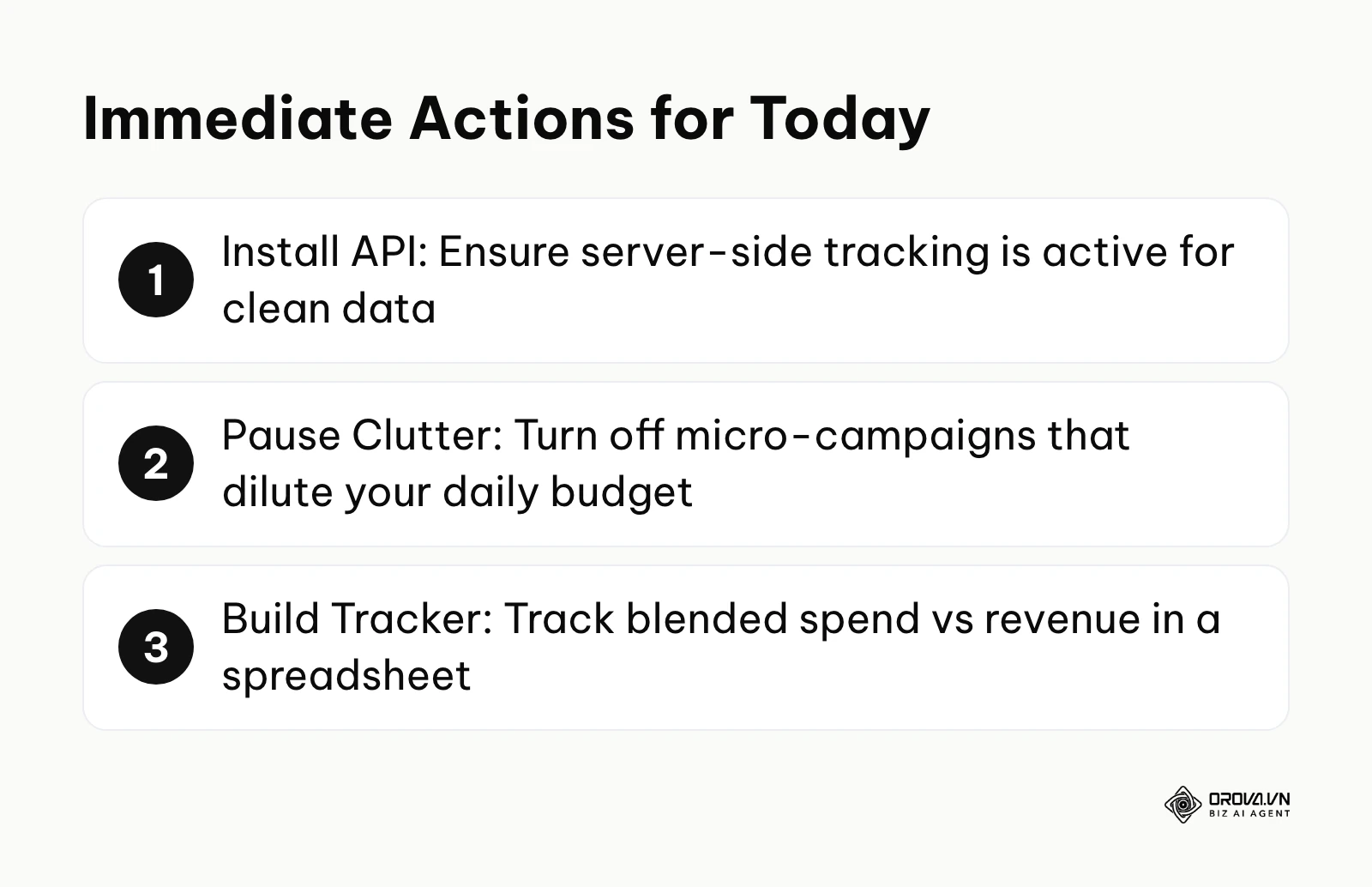
If you have absolutely nothing set up and are entirely new to the platform, your first step is purely technical. Spend one full afternoon properly installing the tracking pixel on your website and setting up the complex API connections. Do not worry about shooting videos or planning budgets yet. Just ensure that every single button click, add to cart, and purchase on your website is accurately recorded and sent flawlessly back to the advertising platform. Without this clean data, automation is entirely impossible.
If you have existing campaigns running, but they are highly disconnected and mostly manual, your immediate step is aggressive consolidation. Take a hard look at your account and identify three or four small, low-budget manual campaigns targeting slightly different interests for the exact same product. Pause them all immediately. Combine their small budgets into one single, massive automated campaign, upload all the historical winning videos from those paused manual campaigns, and let it run completely untouched for one full week.
If you have already tried automated campaigns in the past but are not measuring them properly, your critical step is building a holistic reporting framework. Stop nervously looking at the daily, volatile fluctuations inside the advertising dashboard. Create a simple, external spreadsheet that strictly tracks your total blended ad spend against your total daily revenue from all sources. This gives you the true, unvarnished health of your overall business economics, allowing you to confidently scale the automated campaign when the overall holistic numbers are undeniably green.
Ultimately, truly mastering a tiktok smart performance campaign is about letting go of outdated micro-management habits and deeply trusting the data-driven process. By focusing all your energy entirely on generating incredible creative assets and maintaining a steady, disciplined scaling strategy, you can fully leverage this powerful tool to drive massive, consistent growth.
About the author

Builder of Orova
Nguyễn Đỗ Trọng Ân has 8 years of experience in marketing, including 6 years managing market development across Asia. He builds Orova, a Biz AI Agent that never sleeps: it plans, runs and optimizes work for businesses.
Run your business with AI Agents
Orova is the always-on Biz AI Agent — it plans, runs, and optimizes the work for you.
Save time, unlock productivity.