
What are lead form ads? A practical guide to lead quality and acquisition

Lead form ads let people send you their contact details without leaving the platform where they saw your ad. Imagine you have just launched an incredible new software product, and you are running digital advertisements to capture potential buyers. You see thousands of clicks pouring into your dashboard, but your final conversion rate remains dismal. The core problem often lies in the friction of redirecting users to an external website, where they must wait for the page to load, navigate complex menus, and manually type in their personal details. Historically, marketers accepted this massive drop-off as the standard cost of doing business, assuming that anyone who abandoned the page simply lacked genuine purchase intent. However, this outdated mindset completely ignores the reality of mobile-first browsing, where users expect instant gratification and seamless experiences. This comprehensive guide will explore how lead form ads solve this exact problem by keeping the user strictly native to their current platform. By the end of this article, you will understand how to bypass the traditional website bottleneck, implement strategic friction to filter inquiries, and integrate these modern campaigns seamlessly into your broader digital ecosystem.
What are lead form ads?
Lead form ads are a digital advertising format designed to collect user information directly within the social media or search platform without redirecting traffic to an external website. They use pre-populated fields to streamline the submission process, differing from standard ads by removing the friction of a slow-loading external page.
The origin of this format stems directly from the rapid shift toward mobile internet usage over the past decade. Advertising platforms noticed a heavy drop-off when mobile users clicked external links on slow cellular networks. This behavioral shift prompted the creation of native solutions designed to capture consumer intent instantly, before the user could lose patience.
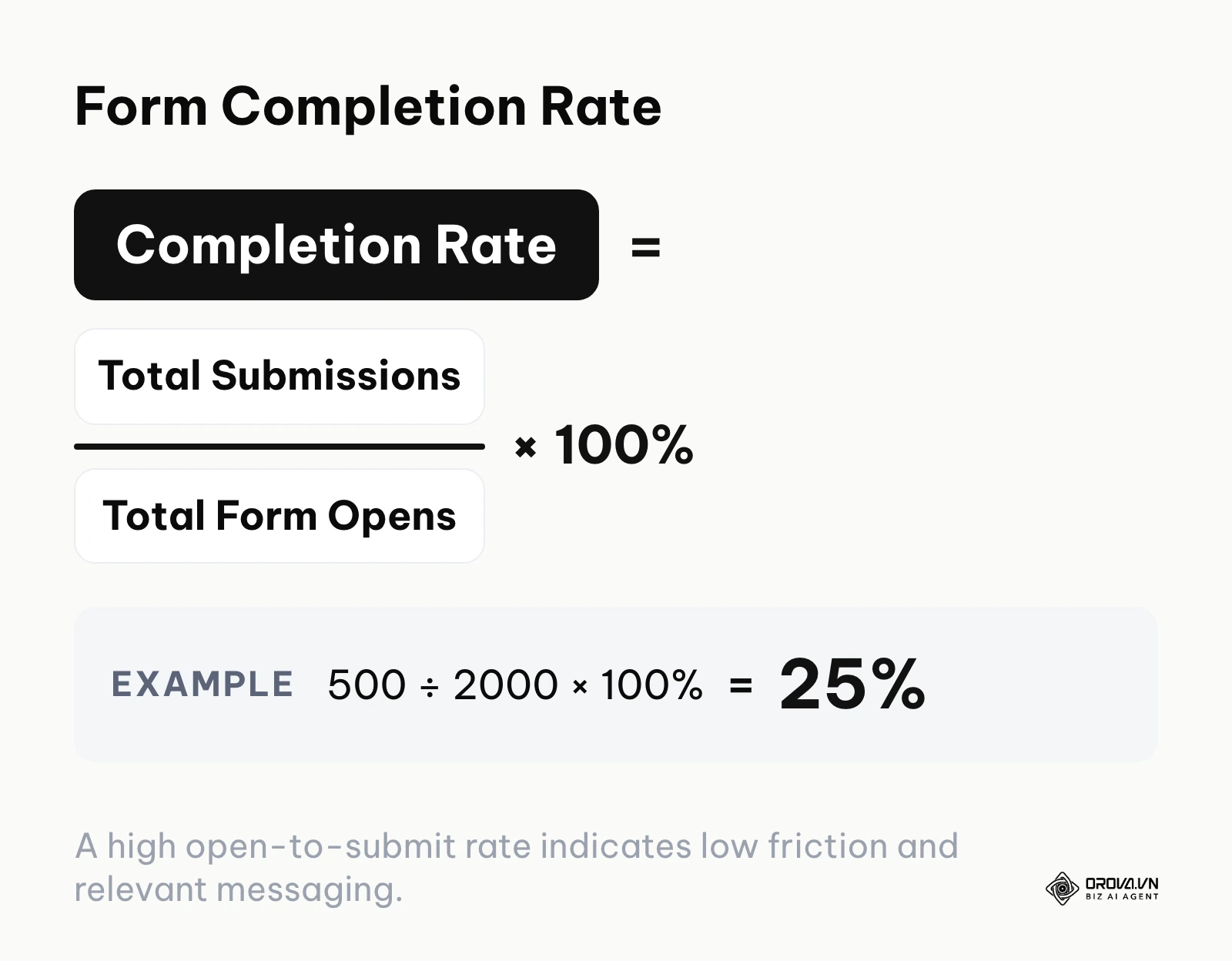
To judge how well a form performs, divide total submissions by total form opens and multiply by 100. For example, 500 submissions from 2,000 form opens gives a 25% completion rate.
This specific format is distinct from other common digital advertising methods. The table below highlights these core differences to clarify their unique position.
| Concept | Where it differs | Example |
|---|---|---|
| Native forms | Keeps the user entirely on the original platform | A Meta ad featuring an instant pop-up interface |
| Standard conversion ads | Sends the user away to an external destination | A Google Search ad linking to a dedicated webpage |
| Message ads | Opens a direct chat conversation for qualification | A WhatsApp or Messenger sponsored message |
Illustrative example: Imagine casually scrolling through your social media feed during a commute and seeing an advert for a local fitness center. Instead of clicking a link, waiting for the gym's heavy website to load, and navigating their menus, you simply tap the image. A native interface immediately pops up with your name and email address already filled in from your platform profile. You hit submit, and you resume scrolling through your feed in less than five seconds.
The meaning of lead form ads in customer acquisition
The primary reason this format exists is to bridge the massive gap between high mobile traffic volumes and historically low mobile conversion rates. The main audience for this tool includes performance marketers, agency professionals, and business owners who require a steady, predictable stream of inquiries without relying on the unpredictable performance of web hosting and external page design. It democratizes data collection by removing the technical barrier of building highly optimized, mobile-responsive landing pages.
In the larger picture of a marketing funnel, this tactic sits firmly at the middle or bottom of the funnel. Before deploying it, you must have established some level of brand awareness and crafted a highly compelling offer, such as a free consultation or a valuable downloadable asset. If your offer is a guide or report, the principles of lead generation content marketing help you decide what content is worth exchanging for contact details. After the form is submitted, you must have a robust customer relationship management system and a responsive sales team ready to follow up immediately. The native interface is simply the bridge; it cannot replace the foundational elements of a good business offering.
Without utilizing this native capability, a business loses a significant portion of impulse buyers or high-intent prospects who simply do not have the time or patience to navigate a clunky mobile website. You risk leaving money on the table by forcing modern consumers through an outdated, friction-heavy acquisition process.
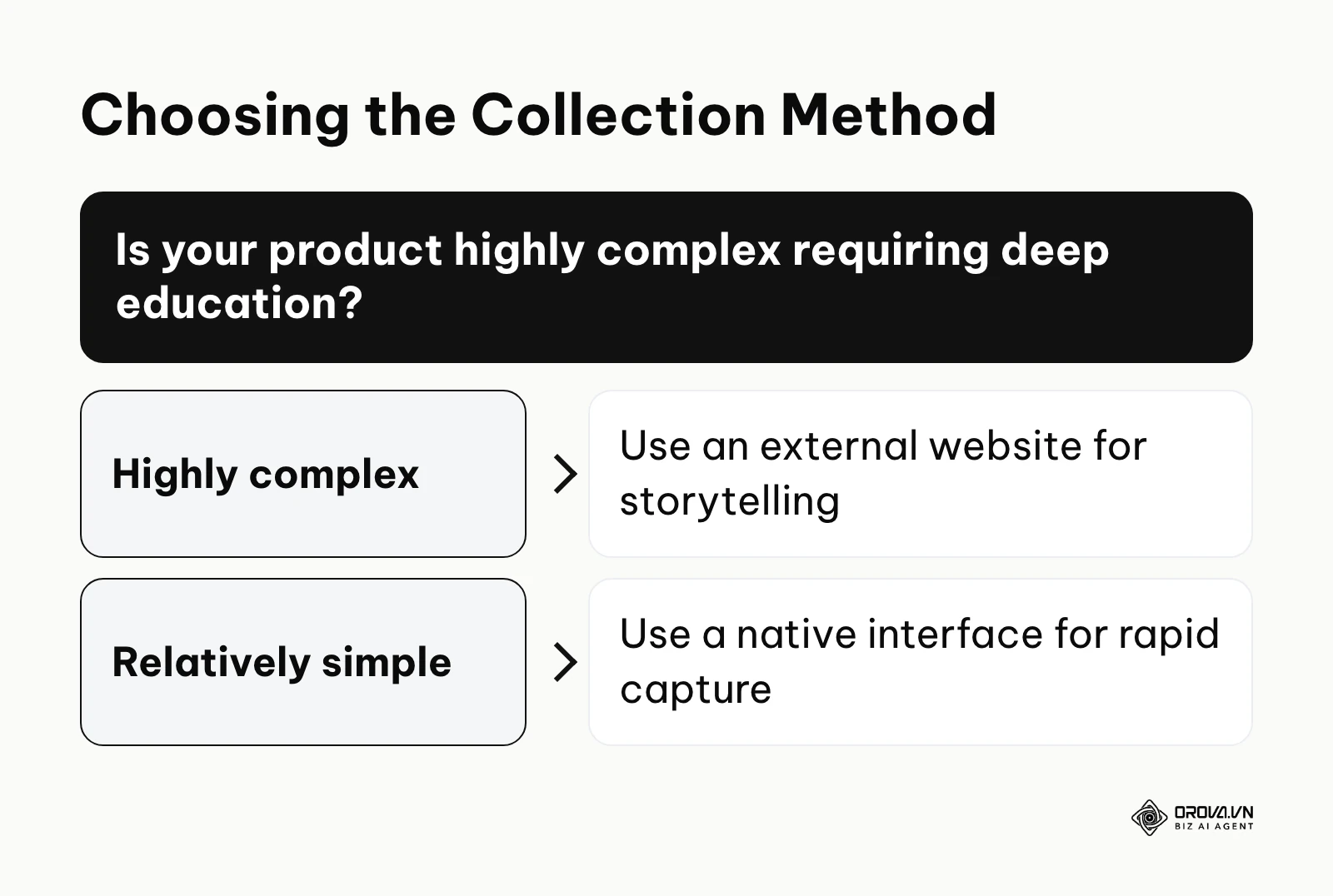
When you do not need lead form ads: There are specific situations where utilizing these instant formats is a waste of resources. First, if your product is highly complex, such as enterprise ERP software requiring deep education, a native form cannot provide enough context, and you should use a detailed webpage instead. Second, if your sales team lacks an automated CRM to handle instant inquiries, collecting native leads will result in cold, neglected prospects. Finally, if you are running top-of-funnel brand awareness campaigns, asking for contact information immediately is premature.
The value and benefits of implementing lead form ads
The implementation of native data collection brings distinct advantages that ripple across an organization. These benefits can be broadly categorized into strategic value for the overarching business and operational benefits for the direct marketing practitioner.
Strategic value for the business organization
For the business as a whole, the primary value lies in dramatic cost efficiency. By removing the drop-off associated with external page loads, businesses often see a lower cost per submission. Reducing friction at the moment of conversion is one of the most direct ways to increase overall inquiry volume. This format accelerates time-to-market because the marketing department does not need to wait weeks for a front-end web developer to design, code, test, and optimize a new webpage for every single campaign iteration.
Furthermore, it provides substantial risk mitigation regarding data privacy regulations. Because the form runs inside the platform and asks you to link your own privacy policy, consent is captured in a standard flow, which can be simpler than managing cookie banners and tracking scripts on your own external domain. You still remain responsible for how you store and use the data.
Operational benefits for the direct practitioner
The direct practitioner, such as a media buyer or campaign manager, benefits immensely from the streamlined workflow. They can launch intricate A/B tests on specific questions, headlines, and creative elements within minutes, entirely within the platform's native interface. This agility allows for rapid iteration and optimization without relying on cross-departmental support.
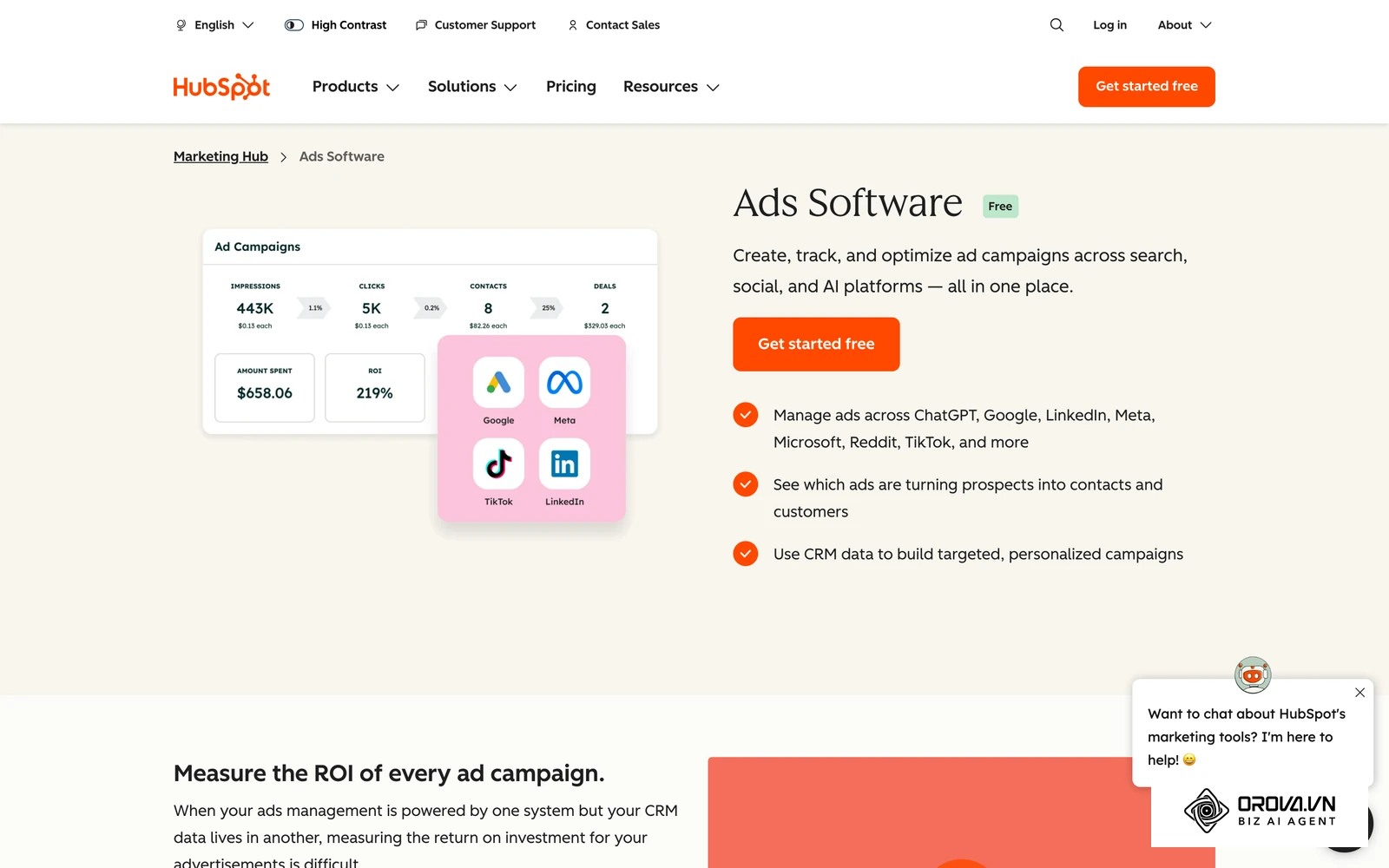
Moreover, practitioners face far fewer technical issues with cross-domain tracking, which has become notoriously unreliable due to browser privacy updates. For professionals deeply involved in advanced PPC ad management, retaining user data natively ensures much more accurate attribution, as the conversion event happens on the very platform serving the ad.
Illustrative example: Consider a marketing manager at a mid-sized B2B software firm struggling with a high cost per acquisition. The context was that their search ads were driving expensive traffic to a slow-loading, text-heavy website. The manager took specific steps: first, they mapped out the absolute essential data points needed (name, email, company size); second, they launched a native campaign offering a downloadable industry report directly on the social platform; third, they integrated the native interface with their marketing automation tool via a standard webhook. The initial hurdle was a flood of generic personal email addresses, which they addressed by replacing the default email field with a work email field. The visible result was a steady influx of 50 new, qualified inquiries per week directly appearing in the sales pipeline, entirely bypassing the website bottleneck.
| Benefit | Measured by which metric | Time to see results |
|---|---|---|
| Reduced acquisition cost | Cost per submission (CPS) | Once the first submissions accumulate |
| Faster campaign deployment | Time from idea to launch | Immediately |
| Improved data tracking | Attribution match rate | After one or two full reporting cycles |
OROVA ADS applies AI Agent to automate and optimize ad performance on Google, Meta and TikTok. Scale your budget safely, monitor 24/7 and expand your business quickly.
Experience the solution at orova.vn/ads
How lead form ads work: A comprehensive breakdown
Understanding the mechanics of native data collection requires dissecting the process into its core technical and strategic components. A successful campaign is an orchestrated sequence of events, from the initial visual hook to the final database entry.
Component 1: The ad creative and the initial hook
The journey begins with the creative element—the image, video, or text that first captures the user's attention in their feed. The input here involves high-quality visual assets, concise copywriting, and a very clear call-to-action button, such as "Download Now" or "Get Quote". The desired output is user engagement in the form of a click that triggers the native interface to open.
A common failure point at this stage is utilizing clickbait tactics that misalign with the actual offer presented in the subsequent steps. If the visual promises a free trial but the interface asks for a credit card, the user will immediately abandon the process. Setting up the creative correctly requires mastering the nuances of the platform; for instance, understanding Facebook Ads Manager is essential for aligning the visual hook with the correct campaign objective.
Component 2: The auto-fill mechanism and intentional friction
Once the user clicks the ad, the native interface opens. The input here relies heavily on the user's existing platform profile data, which automatically populates standard fields like name and email. The output is a completed submission containing both pre-filled profile data and user-typed information.
However, relying solely on default fields is where many campaigns fail. Marketers constantly ask how to improve lead form quality when dealing with auto-filled data. Because platforms auto-fill details so effortlessly, a user can submit their information accidentally or without genuine purchase intent, leading to a pipeline full of 'junk' data. The strategic solution is intentional friction. By adding custom questions that cannot be auto-filled, you force the user to stop, think, and manually type an answer.
For example, a B2B SaaS company should ask "What is your current monthly software budget?". A local real estate agency should ask "Are you looking to buy within the next 3 months?". This strategy actively discourages low-intent clickers, deliberately sacrificing total submission volume in order to drastically increase the percentage of highly qualified prospects.
Component 3: Data routing and CRM integration
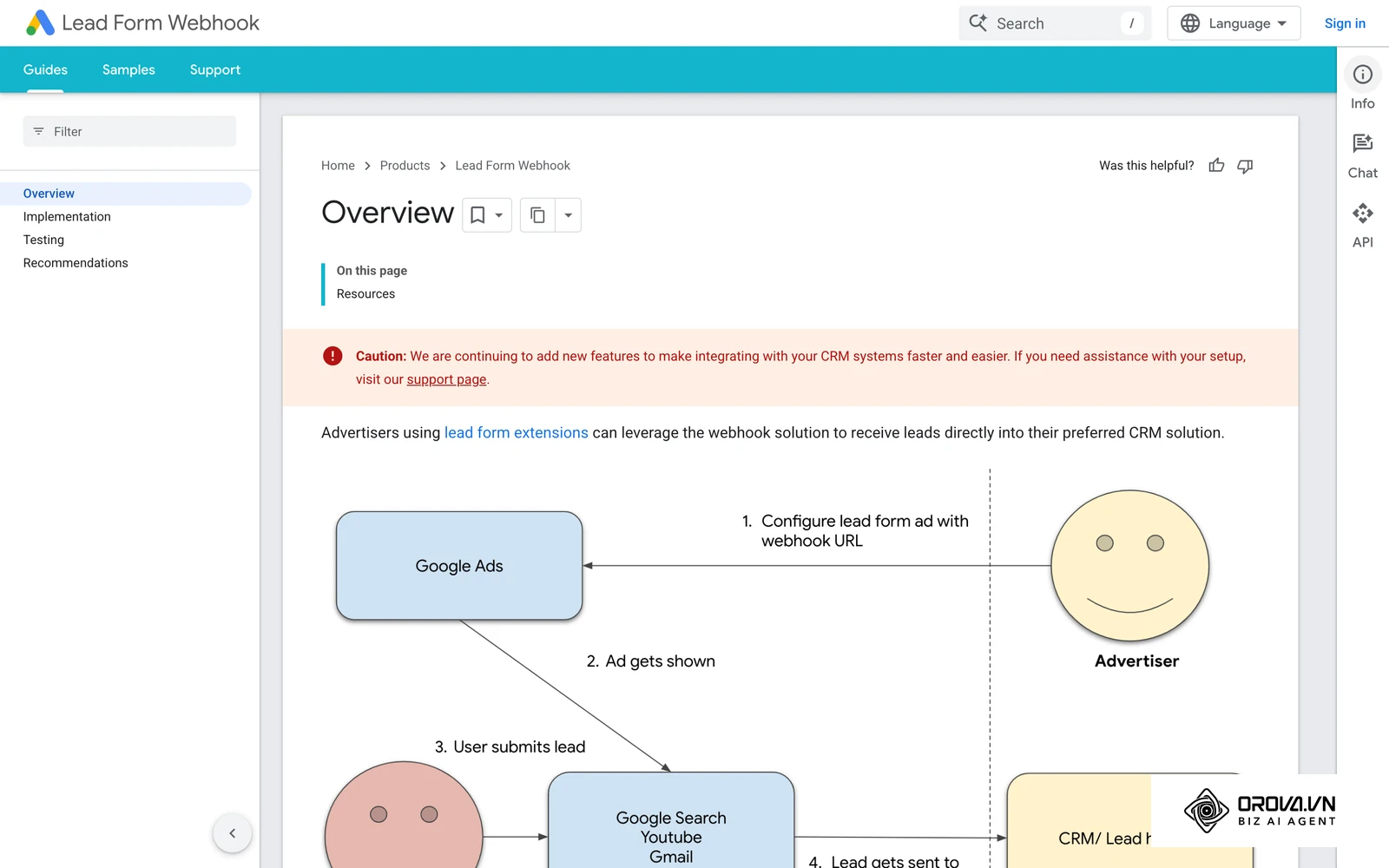
Collecting the data is only the first half of the battle; the second half is moving that data efficiently. The input at this stage is the raw JSON data packet transmitted from the advertising platform the moment the user hits submit. The output is a structured, actionable contact record created inside your internal CRM system.
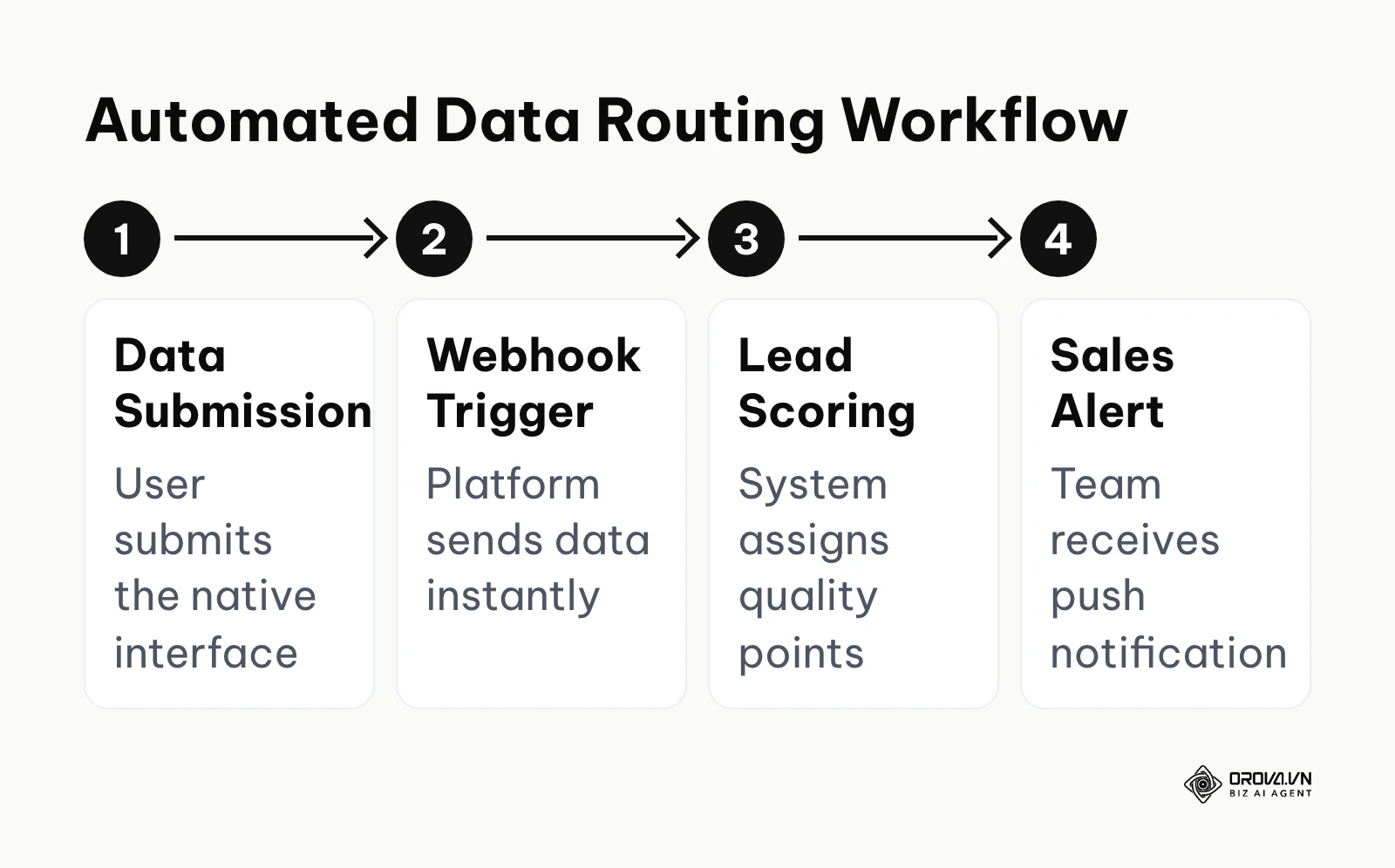
The most common failure point here is relying on manual CSV data downloads. If a marketer downloads the data only once a day, the inquiries sit idle, causing the prospect's intent to go cold. To resolve this, a robust lead scoring framework must be implemented immediately upon data collection. When a webhook transfers the data to your system, it should automatically assign quality points based on the custom answers provided. If a prospect indicates a high budget, the system might add 50 points; if they provide a generic email, it might subtract 20 points.
Illustrative example: A sales operations lead at a regional real estate agency was tasked with distributing inquiries to a team of 20 active brokers. The context was that native inquiries were being downloaded manually by an assistant once a day, causing massive delays in follow-up. The operations lead executed specific steps: they connected the advertising platform to their CRM using a middleware tool, mapped the custom fields to the corresponding CRM properties, and set up an automated routing rule based on the prospect's selected budget tier. The main hurdle was that the platform occasionally sent blank fields due to a technical mapping error, which they resolved by strictly standardizing the field API names across both systems. The visible result was that brokers received instant push notifications on their mobile phones the second a high-budget prospect submitted their details, cutting response time from 24 hours to under five minutes.
Component 4: Multi-platform strategy: facebook vs google lead ads
Diversifying your data collection across different networks is vital for scaling. The input here is the strategic allocation of your advertising budget across diverse ad networks. The output is a diversified sales pipeline capturing consumers at different stages of their buying journey. A common failure point is treating all platforms with the exact same messaging and expectation.
When developing a multi-channel approach, understanding the nuances of facebook vs google lead ads is critical for budget allocation. Google campaigns generally capture active demand; the user is actively typing a search query, meaning they possess high intent but expect immediate, highly relevant solutions. Pairing that intent with a short, native form removes one more step between the search and the inquiry. Conversely, Meta or LinkedIn campaigns generate passive demand; you are interrupting their scrolling experience, meaning you must sell the problem before you can sell the solution. A comprehensive strategy balances this by using Google for bottom-of-funnel capture and social networks for middle-of-funnel education. Monitoring your Google Ads Quality Score ensures your active demand campaigns remain cost-effective.
Component 5: Lead form ads vs landing page: Weighing cost against lead quality
The final component involves evaluating the effectiveness of the native approach against traditional methods. The input is typically a split-test campaign dividing traffic equally between a native interface and an external website. The output provides comparative metrics on true acquisition costs and final close rates. A common mistake is terminating the analysis at the initial cost per click, ignoring the downstream sales data.
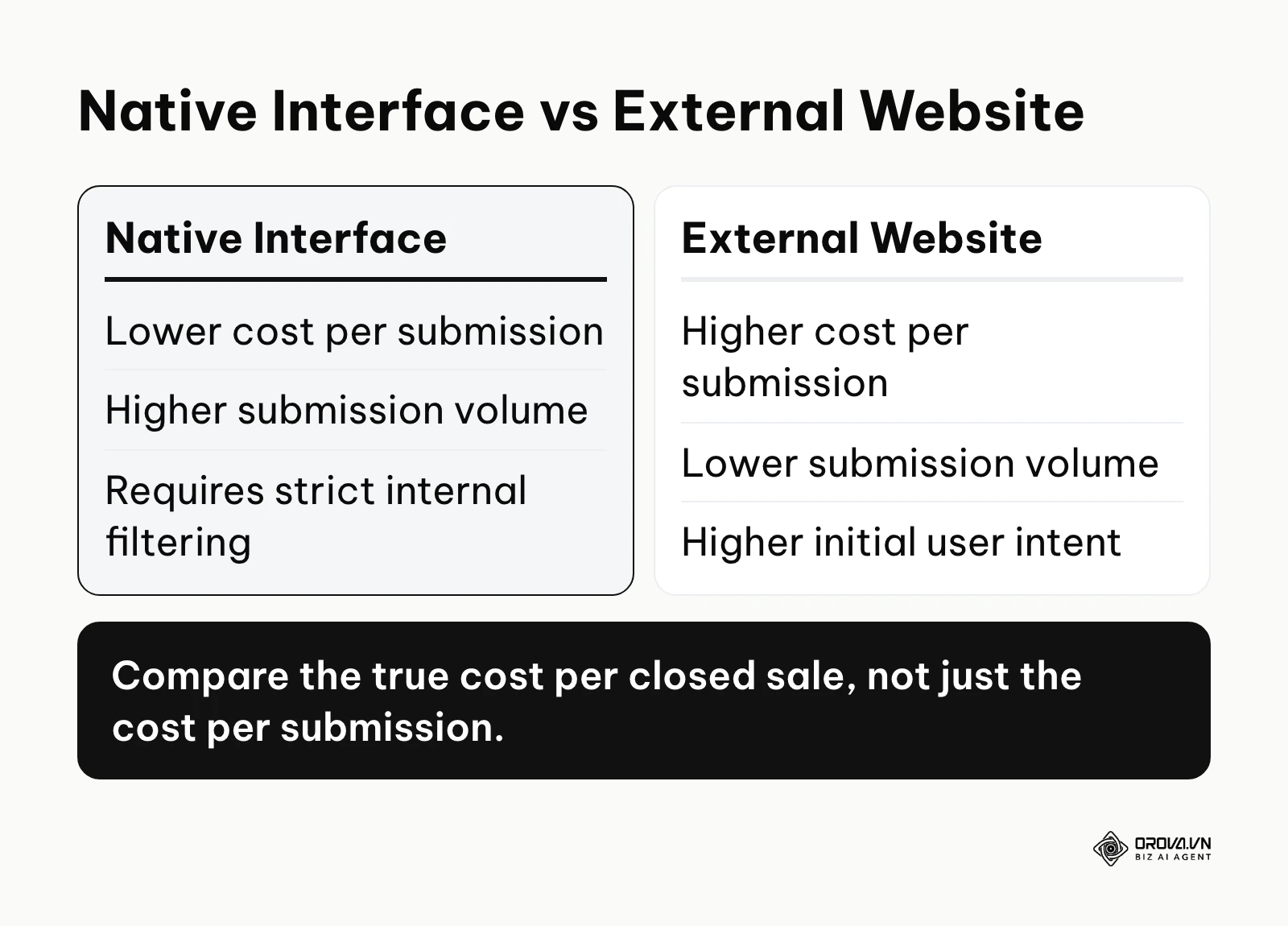
The debate between lead form ads vs landing page often centers on the fundamental trade-off between volume and intent. Advertisers frequently assume that because native submissions are cheaper, they are inherently superior. However, a closer look reveals a more nuanced reality. Native submissions often cost less per inquiry than traffic sent to an external website. Yet, an external website often produces a higher conversion rate from the initial inquiry to the final sale, primarily due to the extensive education and storytelling provided on a full webpage. Therefore, businesses must calculate their true final cost, factoring in the time their sales team wastes calling unqualified native submissions versus the higher initial cost of driving traffic to a website.
| Type of Format | Key Characteristics | Best Suited For |
|---|---|---|
| High Intent Volume | Uses default auto-fill, minimal questions | Simple newsletter signups, low-barrier offers |
| Custom Friction | Includes 1-3 mandatory short-answer questions | High-ticket B2B services, complex consulting |
| Dynamic Conditional | Questions change based on previous answers | Diverse product catalogs, multi-tier pricing models |
What you need to do to start or adapt to lead form ads
Transitioning to or optimizing a native data collection strategy requires distinct actions depending on your role within the business ecosystem. The approach a small business takes will differ significantly from a specialized agency.
For small business owners
Small business owners often operate with limited budgets and require immediate results. Your focus should be on rapid deployment and strict cost control.
- Define your core offer clearly before touching the advertising platform. A weak offer will fail regardless of the format.
- Select only one platform (either search or social) that aligns best with where your target audience spends their time.
- Create a simple native campaign asking for only three essential pieces of information: name, phone number, and one qualifying question.
- Set up an automated email response that triggers the moment the data is submitted, ensuring the prospect receives immediate acknowledgment.
For in-house marketing managers
In-house managers must balance volume with the capacity of their sales team. Your focus should be on integration and quality control.
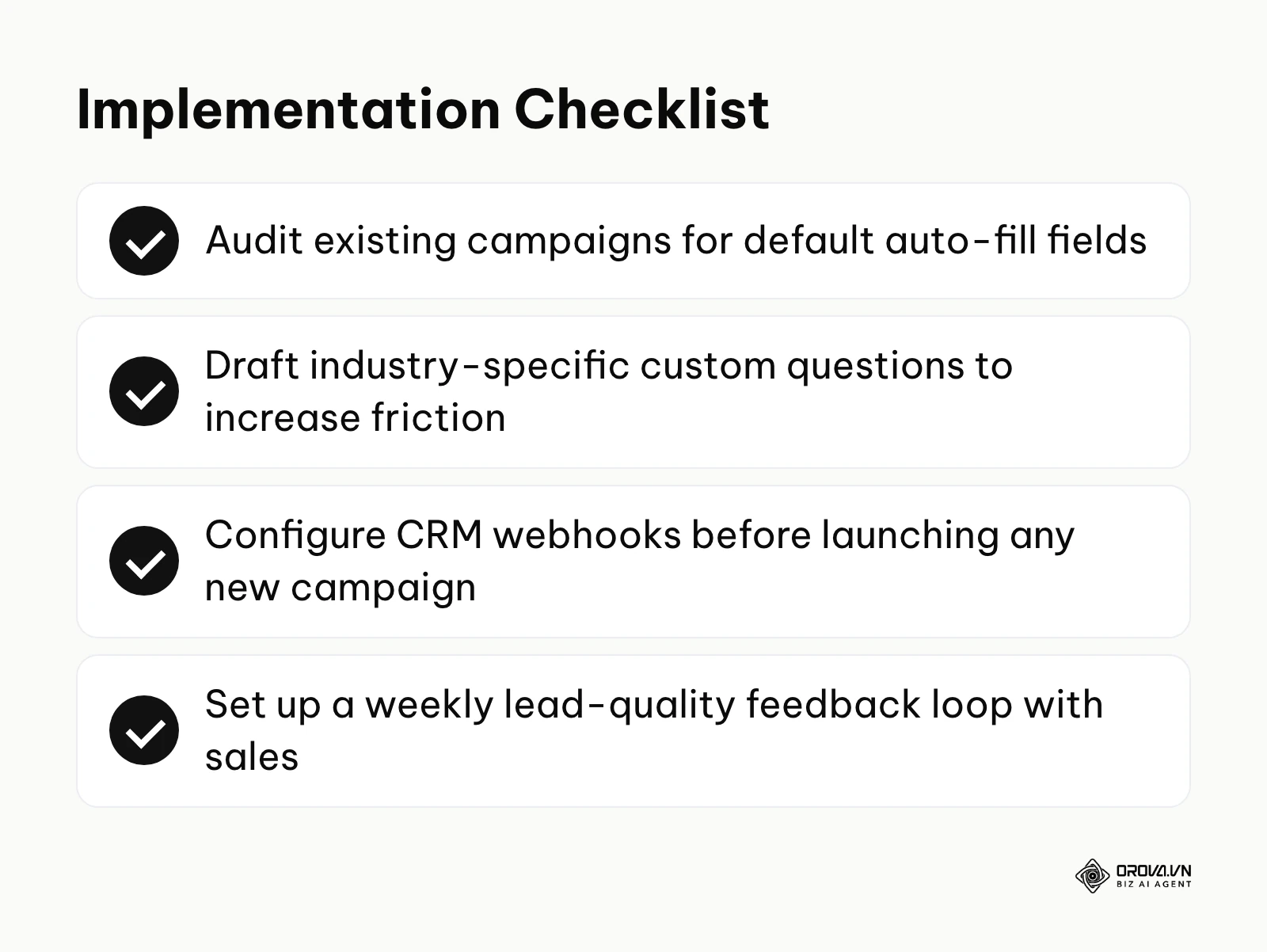
- Audit all existing campaigns to identify instances where external websites are causing severe mobile drop-off.
- Collaborate with the sales department to determine the exact custom questions required to qualify a prospect properly.
- Configure robust webhooks to ensure data flows directly into the CRM without manual intervention.
- Establish a feedback loop where the sales team reports the quality of the inquiries back to the marketing department weekly.
For agency professionals and freelancers
Agencies must manage multiple clients with diverse needs while proving return on investment clearly. Your focus should be on scalability and demonstrating true value beyond basic metrics.
- Standardize your webhook integration process so it can be deployed rapidly for any new client onboarding.
- Build industry-specific templates of custom questions proven to generate high-intent inquiries (e.g., templates for real estate, templates for dental clinics).
- Educate your clients on the difference between submission volume and submission quality, setting realistic expectations.
- Implement tracking that measures the final closed sale, not just the initial data submission, to prove long-term value.
Illustrative example: An agency owner managing accounts for local fitness centers faced severe client churn because the generated inquiries were considered low quality. The context involved clients constantly complaining that prospects never answered the phone. The agency owner implemented a strict new protocol: first, they audited the existing campaigns and removed all default auto-fill phone number fields; second, they replaced them with a short-answer text field forcing users to manually type their number; third, they added a multiple-choice question asking about the prospect's preferred workout time. The major hurdle was convincing clients to accept a lower total volume of inquiries, which was resolved by visually demonstrating the higher contact rate during a monthly review. The visible result was that clients reported a doubled show-up rate for gym tours, stabilizing the agency's client retention significantly.
| Common Mistake | Direct Consequence | How to Avoid It |
|---|---|---|
| Asking too many questions | Massive drop-off rate before completion | Limit mandatory custom questions to a maximum of three. |
| Ignoring the CRM integration | Prospects go cold waiting for a manual follow-up | Set up webhooks before activating the campaign budget. |
| Using generic ad copy | High click rate but low intent submissions | Ensure the ad copy clearly states the next steps. |
Want to scale your budget but afraid of breaking performance? 📉
Integrate OROVA ADS now - an AI Agent that automatically monitors and optimizes Google, Meta, TikTok ads 24/7. Now, expanding and replicating your Performance Ads team is just one click away.
🚀 Try it now at: orova.vn/ads
Lead form ads trends in the next few years: Author's perspective
As the digital landscape evolves, the mechanisms we use to collect data must adapt. Based on the technological shifts observed as of 2026, I believe native data collection will gradually move away from static templates and toward highly intelligent, interactive experiences. However, these predictions rely on the assumption that major advertising platforms will maintain their current API structures; significant regulatory changes could alter this trajectory.
The shift towards conversational and AI-driven interfaces
I expect traditional static inputs to give way, step by step, to conversational experiences powered by AI. We are already seeing the early signs of this today, with platforms testing chat-based collection methods. Over the next few years, I think more users who click an ad may see a short conversation instead of a rigid list of fields. The AI will ask contextual questions based on the user's real-time responses, qualifying them much like a human sales development representative would. Marketers should prepare by exploring AI ads strategies now, learning how to craft prompts rather than just static copy.
Hyper-personalization of dynamic questions
I think the days of showing the exact same questions to every user are ending. Currently, most advertisers use a one-size-fits-all approach. Looking ahead, I expect platforms may use the signals they already hold to adjust the custom questions presented based on the user's known behavioral profile. If the system recognises a small business owner, it could ask questions relevant to smaller companies; for an enterprise user, the questions could shift accordingly. Advertisers should prepare by building segmented question banks rather than single templates.
Stricter privacy regulations forcing first-party data reliance
Finally, I think tightening privacy rules will make native data collection an increasingly important source of first-party data. As browser restrictions and consent requirements make external tracking harder, businesses are likely to lean more on data collected natively on the platforms. I believe that organizations that master intentional friction and CRM integration today will be better placed if external tracking keeps weakening. You must build your internal data infrastructure now to handle this incoming shift.
Frequently asked questions about lead form ads
Are lead form ads still needed when we have AI?
Yes, they are still fundamentally necessary. While AI can optimize bidding, generate creative, and even converse with prospects, the business still requires a structured, compliant mechanism to capture and store verified user contact information securely. AI enhances the collection process, but it does not replace the need for the data itself.
Which specific industries should avoid native forms entirely?
Industries selling highly complex, enterprise-level solutions (like custom manufacturing equipment or multi-year corporate software contracts) should generally avoid them. These buyers require extensive education, case studies, and deep technical specifications that simply cannot be conveyed within a small native interface.
How quickly do I need to contact a prospect after submission?
As fast as you reasonably can, ideally within minutes rather than hours. The longer you wait, the colder the intent becomes, as the user has likely moved on to another task or is actively researching your competitors.
Can I retarget users who opened the interface but did not submit?
Yes, most major advertising platforms allow you to build custom audiences based on user interaction with the native interface. You can create a specific audience of users who opened the interface but abandoned it, and serve them a different, perhaps more compelling, advertisement to bring them back.
Why am I receiving submissions with outdated phone numbers?
This occurs because the native interface auto-fills the data based on the user's platform profile, which they may not have updated in years. To counter this, you must change the phone number field from an auto-fill setting to a manual short-answer text field, forcing them to type their current number.
Where should you start with lead form ads?
Diving into native data collection can feel overwhelming, but progress is made by identifying your current operational state and taking one specific, targeted action. Attempting to overhaul your entire marketing architecture at once usually leads to paralysis.
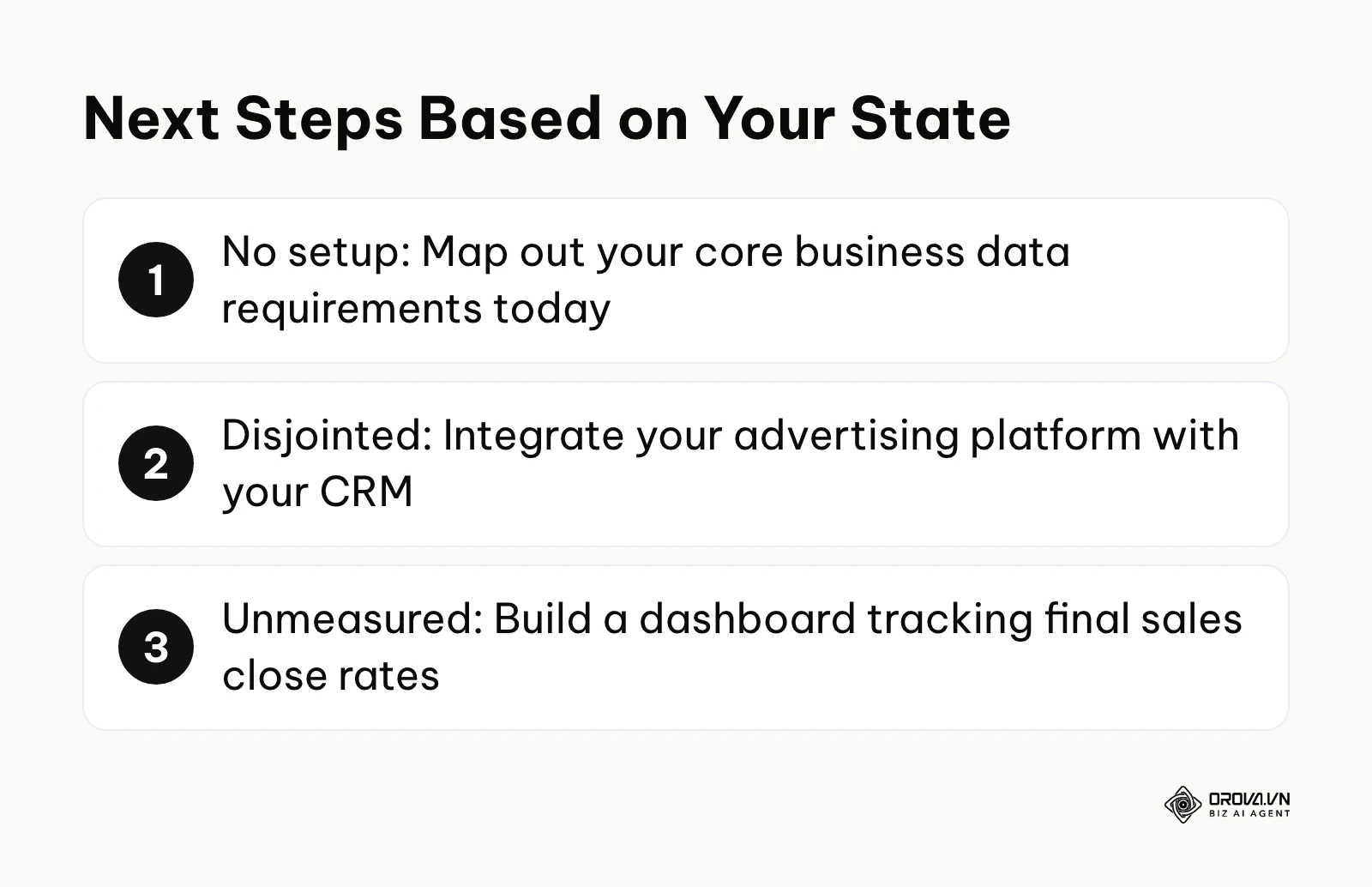
If you currently have no setup and are relying entirely on a slow website, your first step is not to launch a campaign, but to map out your absolute core data requirements. Sit down with your sales team for one hour and determine the minimum viable information needed to qualify a prospect. Restrict this list to three items. By defining this constraint today, you prevent building an overly complex, high-friction campaign tomorrow.
If you are already running native campaigns but your data is disjointed from your sales team, your immediate step is to integrate your advertising platform with your CRM using a webhook. Spend one afternoon configuring a middleware tool to ensure that the moment a user hits submit, that data appears in your sales dashboard automatically. Eliminating the manual CSV download is the highest leverage action you can take.
If you are running connected campaigns but remain unmeasured regarding final quality, your next step is to build a basic dashboard tracking the final close rates of your native inquiries. Stop looking at the cost per click. You must trace the data from initial collection through to the final closed-won revenue to truly understand the effectiveness of your lead form ads.
About the author

Builder of Orova
Nguyễn Đỗ Trọng Ân has 8 years of experience in marketing, including 6 years managing market development across Asia. He builds Orova, a Biz AI Agent that never sleeps: it plans, runs and optimizes work for businesses.
Run your business with AI Agents
Orova is the always-on Biz AI Agent — it plans, runs, and optimizes the work for you.
Save time, unlock productivity.