
What is social proof? The psychological engine of trust

You have likely stared at a checkout screen, hesitating to enter your credit card details, until you scrolled down and read a glowing review from someone exactly like you. That moment of relief is the direct result of social proof: the tendency to treat what other people choose as evidence of what is safe to choose. Marketers have long understood that human beings look to their peers when navigating uncertainty. However, the old approach of simply pasting a few fabricated quotes onto a landing page no longer works. Modern consumers are skeptical and can spot forced endorsements quickly. They demand authentic, verifiable evidence that your product delivers on its promises.
This comprehensive guide breaks down the exact mechanics of leveraging peer validation to drive conversions. You will learn the psychological triggers that make testimonials effective, how to systematically collect high-quality feedback without annoying your customers, and the specific frameworks needed to measure the impact of these assets on your bottom line. We will move past basic definitions and provide actionable templates that you can implement in your marketing workflows today to build immediate and lasting brand trust.
What is social proof? The psychological engine of trust
Social proof is a psychological phenomenon where people assume the actions of others reflect correct behavior for a given situation. It serves to validate purchasing decisions by showing that peers have already trusted a brand, differing from direct advertising by relying entirely on third-party validation and authentic user experiences.
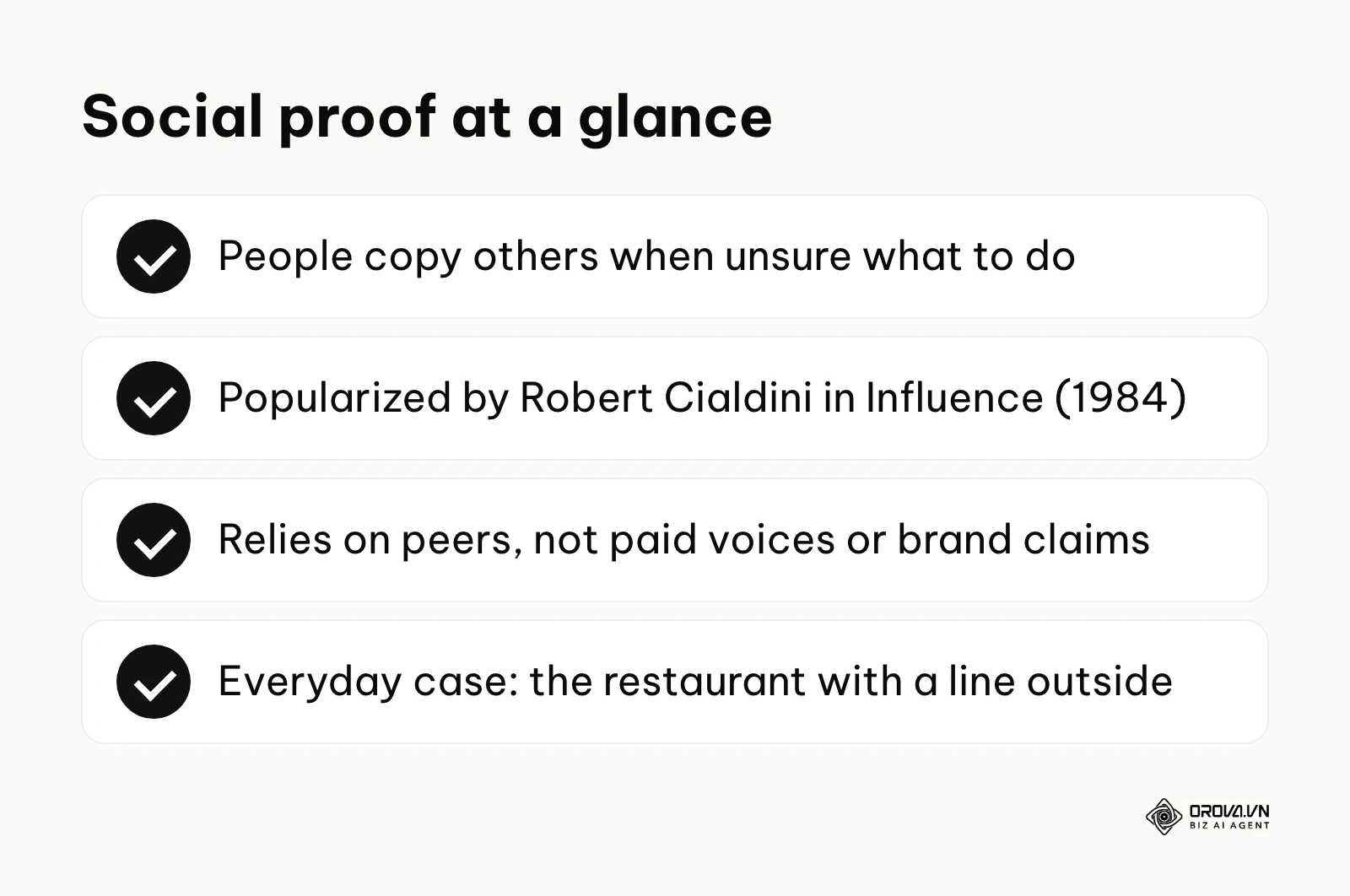
The term was popularized by psychologist Robert Cialdini in his seminal 1984 book, Influence. He observed that in situations where people are unsure of what to do, they look outward to the crowd for cues on how to act appropriately. The same shortcut shows up every day in digital commerce, from star ratings to "most popular" labels.
To fully understand this concept, we must distinguish it from similar marketing strategies that often cause confusion.
| Concept | How it differs | Everyday example |
|---|---|---|
| Social Proof | Relies on the aggregate behavior of normal peers or specific verifiable users. | A product displaying "4.8 stars based on 1,200 reviews" on an eCommerce site. |
| Influencer Marketing | Relies on a paid relationship with a person who has a large, pre-existing audience. | A popular fitness YouTuber holding a protein shake and reading a sponsored script. |
| Brand Advertising | Relies on the company directly stating its own value proposition and features. | A billboard created by the brand stating their software is "The fastest on the market." |
Consider a simple everyday example. You are walking down a street looking for a place to eat dinner. You see two restaurants side by side. One is completely empty, and the other has a line of people waiting out the door. Without reading a menu or knowing the prices, you naturally assume the busy restaurant has better food. The line of people acts as undeniable validation of quality.
The meaning behind the concept: Why it exists
At its core, external validation exists to solve the universal problem of consumer risk. Whenever a buyer considers a purchase, they are mentally calculating the potential downside. Will this software actually save my team time? Will this shirt shrink in the wash? Will this agency deliver the leads they promised? Direct claims made by a company can never fully alleviate this anxiety because buyers know the company has a financial incentive to highlight only the positives.
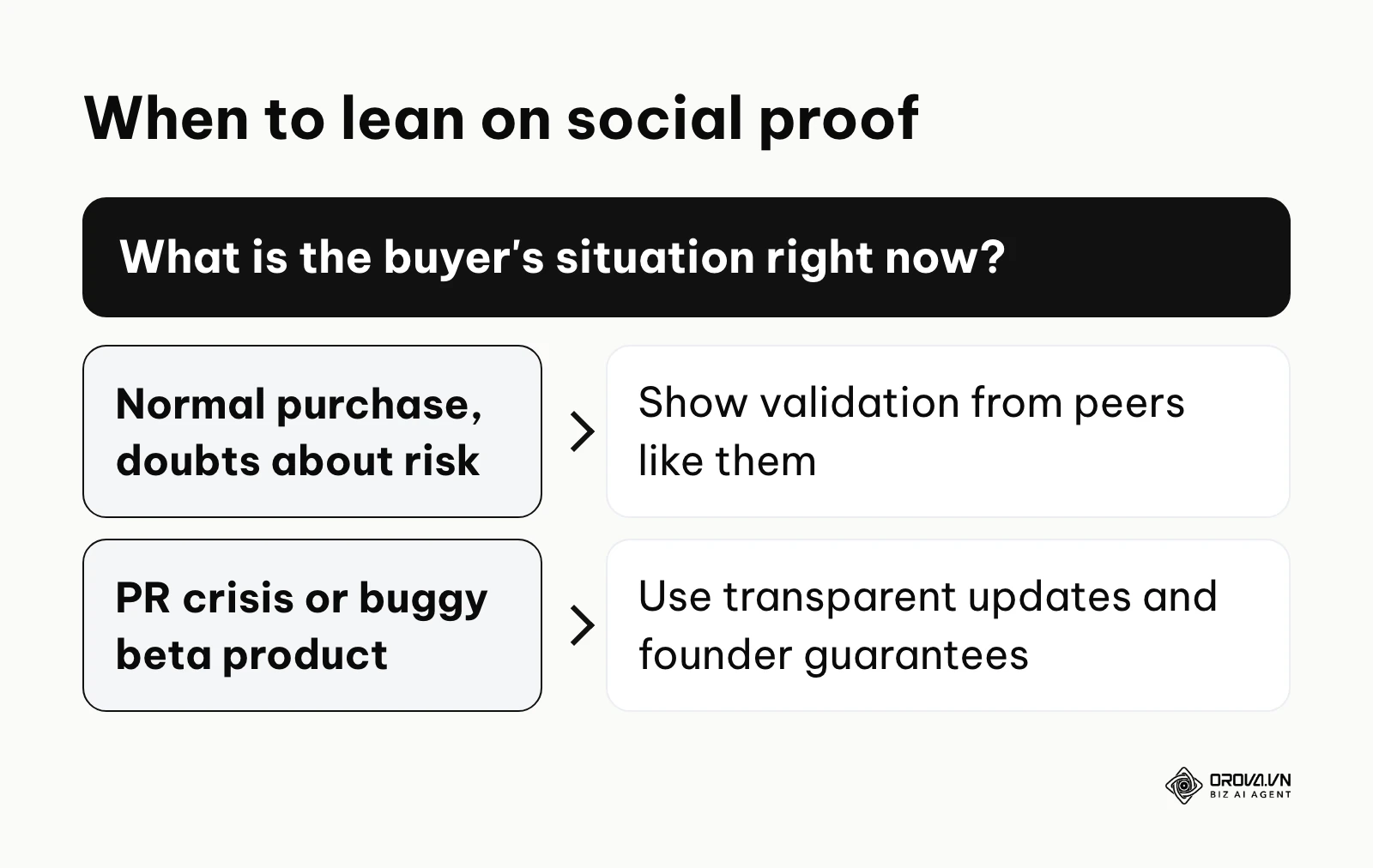
In the broader picture of a marketing funnel, validation acts as the critical bridge between desire and action. A user might arrive at your landing page because of a compelling advertisement (desire), but they will only click the buy button if they feel safe doing so (action). Buyers tend to give more weight to what people like them say than to what a brand says about itself.
If you choose to ignore this psychological need, you lose the ability to reduce friction at the exact moment a buyer is ready to convert. Your marketing team will have to work twice as hard, and spend twice as much on advertising, to force a conversion through sheer repetition rather than organic trust. The absence of peer validation silently kills conversion rates because it leaves the buyer alone with their doubts.
When you should not use social proof is during a severe public relations crisis or when launching a highly experimental beta product with known bugs. Displaying generic positive reviews while users face critical outages creates a tone-deaf brand image. Additionally, using low-number counters, like showing only two people bought an item, triggers negative social proof, making the item seem undesirable. In these cases, focus on transparent communication and direct founder guarantees instead of relying on external validation.
Value and benefits of implementing validation
Implementing a robust system for collecting and displaying feedback generates distinct layers of value, impacting both the overarching business metrics and the daily efficiency of the marketing team.
Business value: Mitigating risk and driving revenue
For a business, the primary value of external validation is a lower Customer Acquisition Cost (CAC). When users trust your landing pages more, a higher percentage of your paid traffic converts. This means you spend less money to acquire each new customer. Furthermore, strong validation shortens the sales cycle. Prospects spend less time requesting reference calls or deliberating over competitors because the evidence of success is already visible.
Illustrative example: A mid-market B2B SaaS company struggled with a prolonged sales cycle because enterprise prospects hesitated to adopt unproven software. The marketing director began by interviewing three key early adopters to extract specific workflow changes. They documented these changes and placed the resulting case studies directly into the sales enablement portal for the account executives to use during initial pitches. The primary hurdle was getting legal approval from clients to share data, which the team resolved by anonymizing exact revenue figures while displaying percentage improvements. The result was a noticeably shorter negotiation phase, with prospects asking fewer basic security questions and moving to pilot phases much faster.
Practitioner value: Streamlining marketing efficiency
For the marketing practitioner, user-generated assets provide an endless stream of high-converting content. Instead of constantly brainstorming new ad copy or design concepts, marketers can leverage the exact words used by happy customers. This not only saves time but also ensures the messaging resonates perfectly with the target audience, as it is written in their own language.
| Benefit | Measured by metric | Where to read it |
|---|---|---|
| Increased page conversions | Landing page conversion rate (%) | Web analytics for the page |
| Lower acquisition costs | Cost Per Acquisition (CPA) | Ad platform cost reports |
| Accelerated sales cycles | Average days to close | CRM deal records |
Managing your brand reputation across networks can be overwhelming. Orova Social lets you compose your customer success stories once and publish them to eight channels. AI writes captions in your brand voice, in multiple languages, so your testimonials always sound consistent.
How the social proof engine actually works
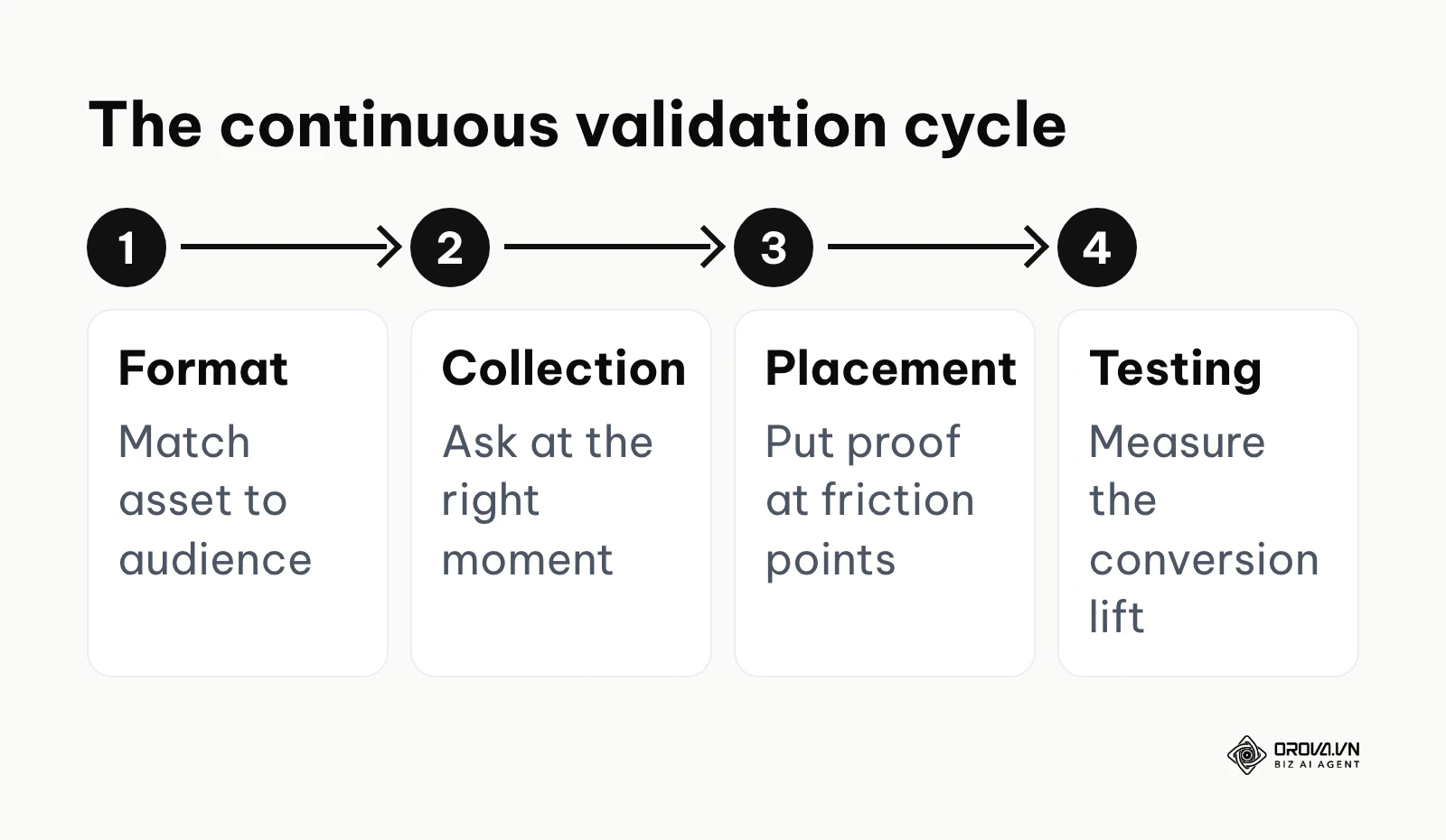
Building a high-converting validation system is not about randomly asking people for favors. It requires a systematic engine that categorizes, collects, places, and measures assets continuously.
Format selection and the decision matrix
The first component of the engine is selecting the correct format for your specific audience. You must match the depth of the validation asset to the level of friction involved in the purchase. The input here is your business model and your customer's typical buying journey. The output is a clear directive on which format to prioritize. A common failure point is choosing the wrong format, such as relying entirely on short star ratings to sell a complex, high-ticket enterprise software solution.
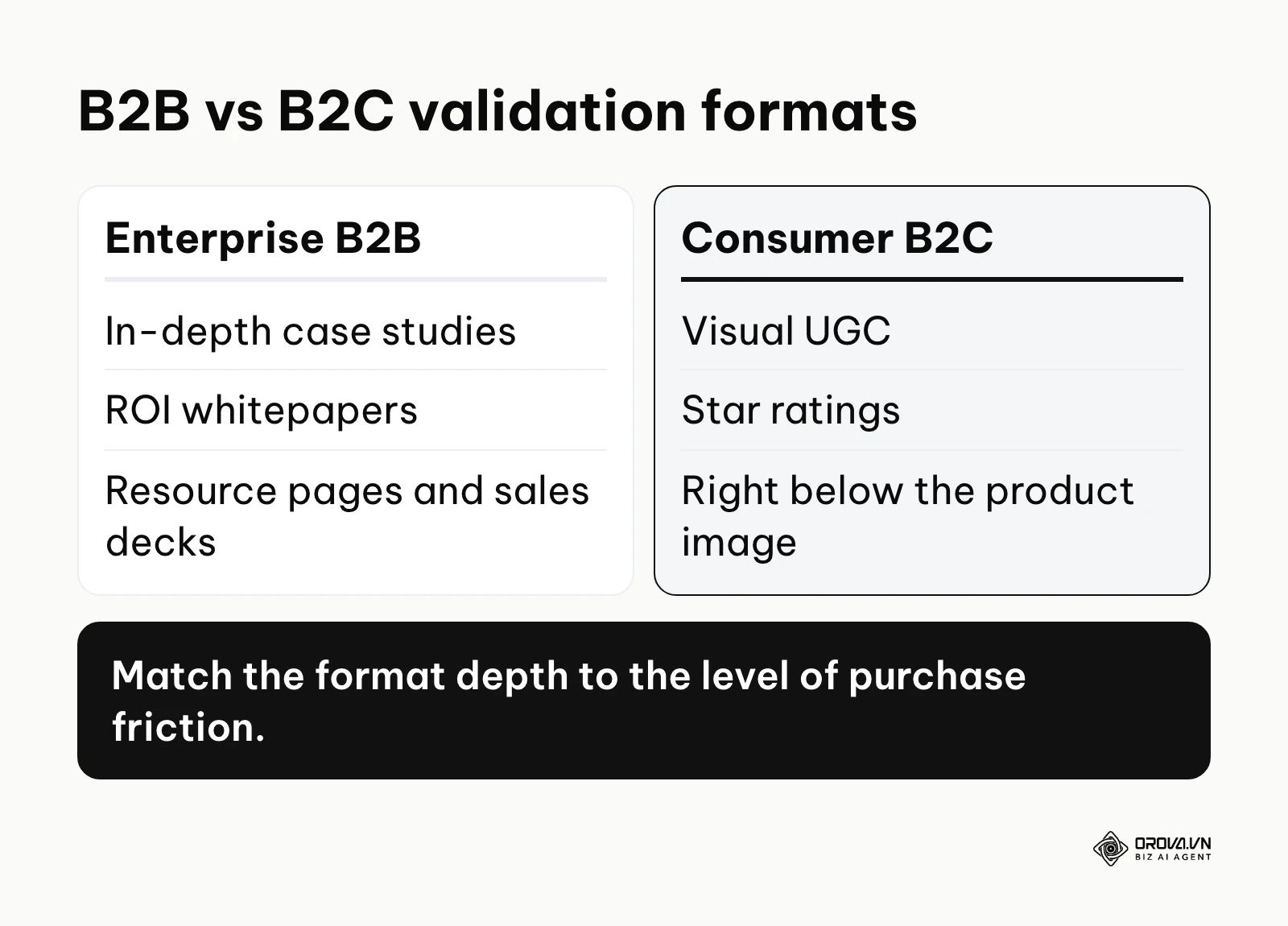
To simplify this, use the following decision matrix to align your industry with the optimal format.
| Business Model | Primary Format | Ideal Placement | Key Metric to Watch |
|---|---|---|---|
| Enterprise B2B | In-depth case studies and ROI whitepapers | Dedicated resource pages, sales decks | Pipeline velocity |
| eCommerce B2C | Visual User-Generated Content (UGC) and star ratings | Directly below the product image | Add-to-cart rate |
| Local Services | Video testimonials and local directory reviews | Homepage above the fold | Lead form submissions |
| High-ticket Consulting | Long-form founder interviews and client podcasts | Distributed via email sequences | Discovery call bookings |
If you plan to turn customer photos and videos into paid creative, the user generated content ads playbook covers how to source, brief and test that content.
The asset collection process
The most critical operational step is the systematic gathering of reviews. You cannot rely on customers to organically leave feedback; you must orchestrate the ask. The input is a targeted list of customer emails and specific behavioral triggers. The output is a database of usable testimonials. The primary failure point here is timing. Asking for a review immediately after a user signs up for a complex software tool will yield nothing because they have not experienced the value yet.
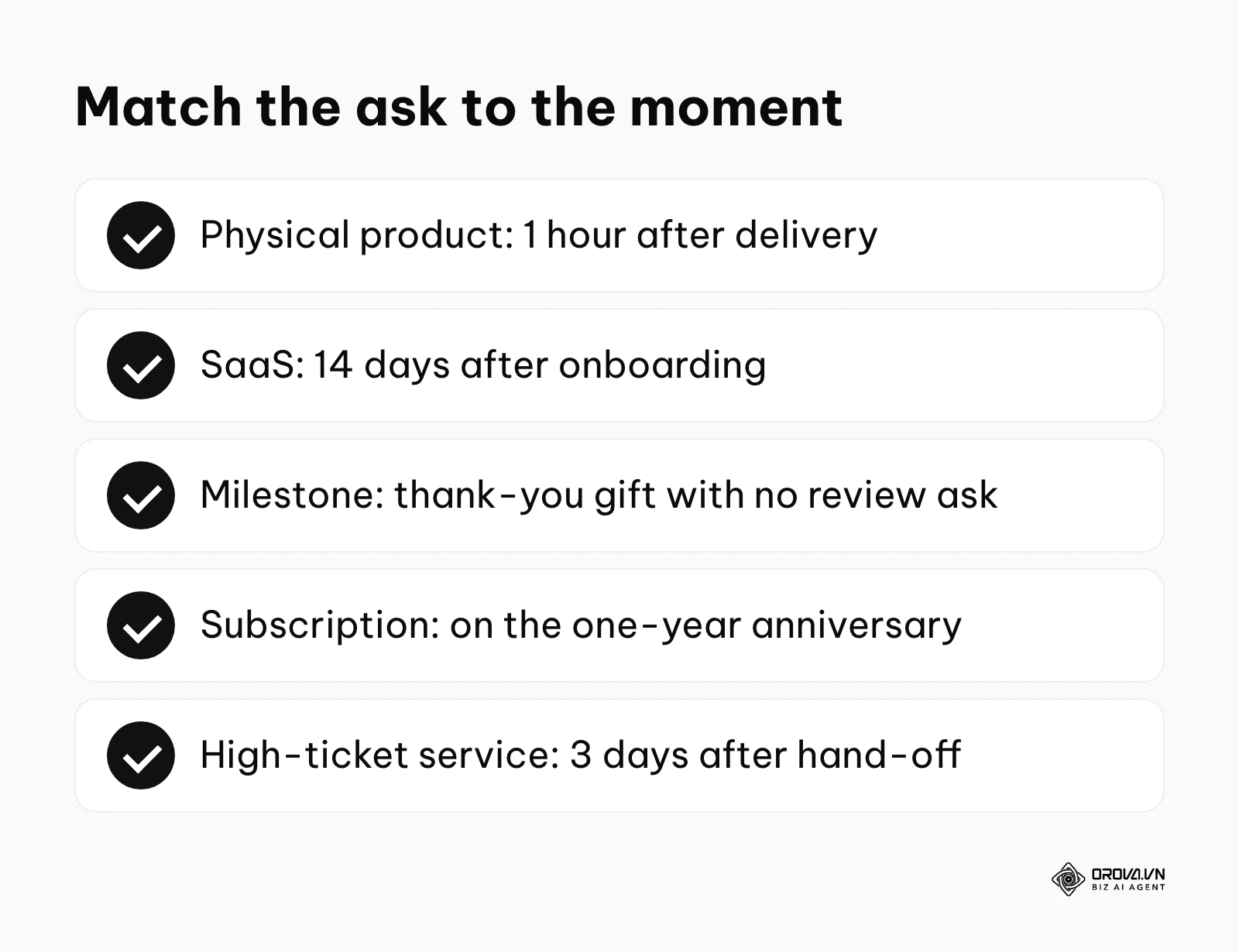
To solve the collection problem, implement these five automated email templates based on behavioral psychology.
Template 1: The Immediate Post-Purchase Hype (Impulse) Use this for physical products or simple digital downloads. The goal is to ask while the excitement of unboxing is still fresh.
- Timing: 1 hour after the confirmed delivery notification.
- Subject: How does it look?
- Body: "Hi [Name], your package just arrived. We are a small team and we love seeing our gear out in the real world. Could you snap a quick photo with your phone and reply to this email? It takes 10 seconds and makes our day."
Template 2: The Value Realization Check-in (SaaS/B2B) Use this when the customer has had enough time to achieve a specific result with your software.
- Timing: 14 days after the user completes the core onboarding sequence.
- Subject: Checking in on your workflow.
- Body: "Hi [Name], I noticed you have been using the reporting dashboard heavily this week. I am curious, what is the biggest point of friction this feature has eliminated for your team? A quick sentence is fine. Your feedback directly shapes our product roadmap."
Templates for loyal, long-term and high-ticket customers
The next three templates go to customers who already have a deeper relationship with you, which is exactly where the line between gratitude and incentive needs to stay clear.
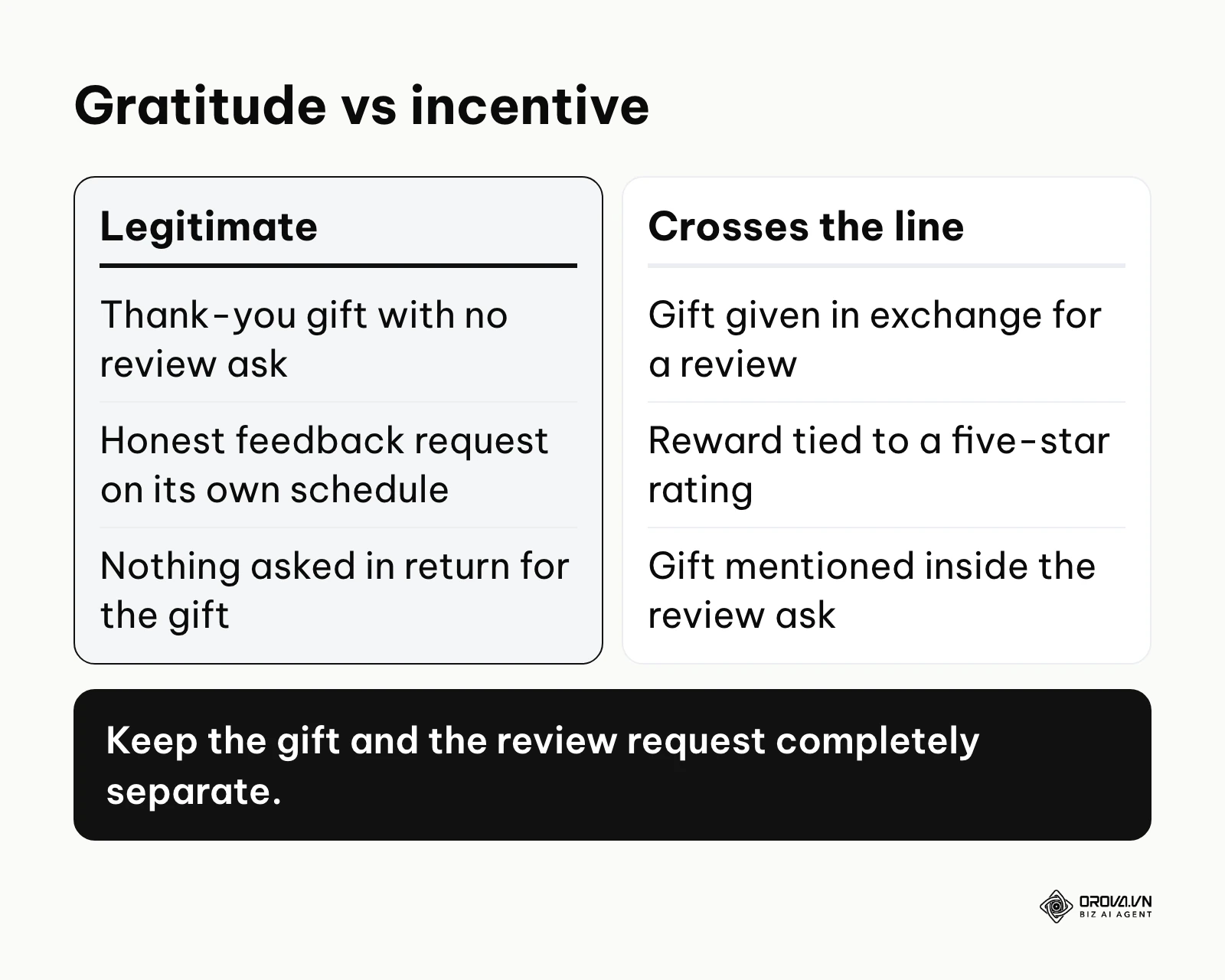
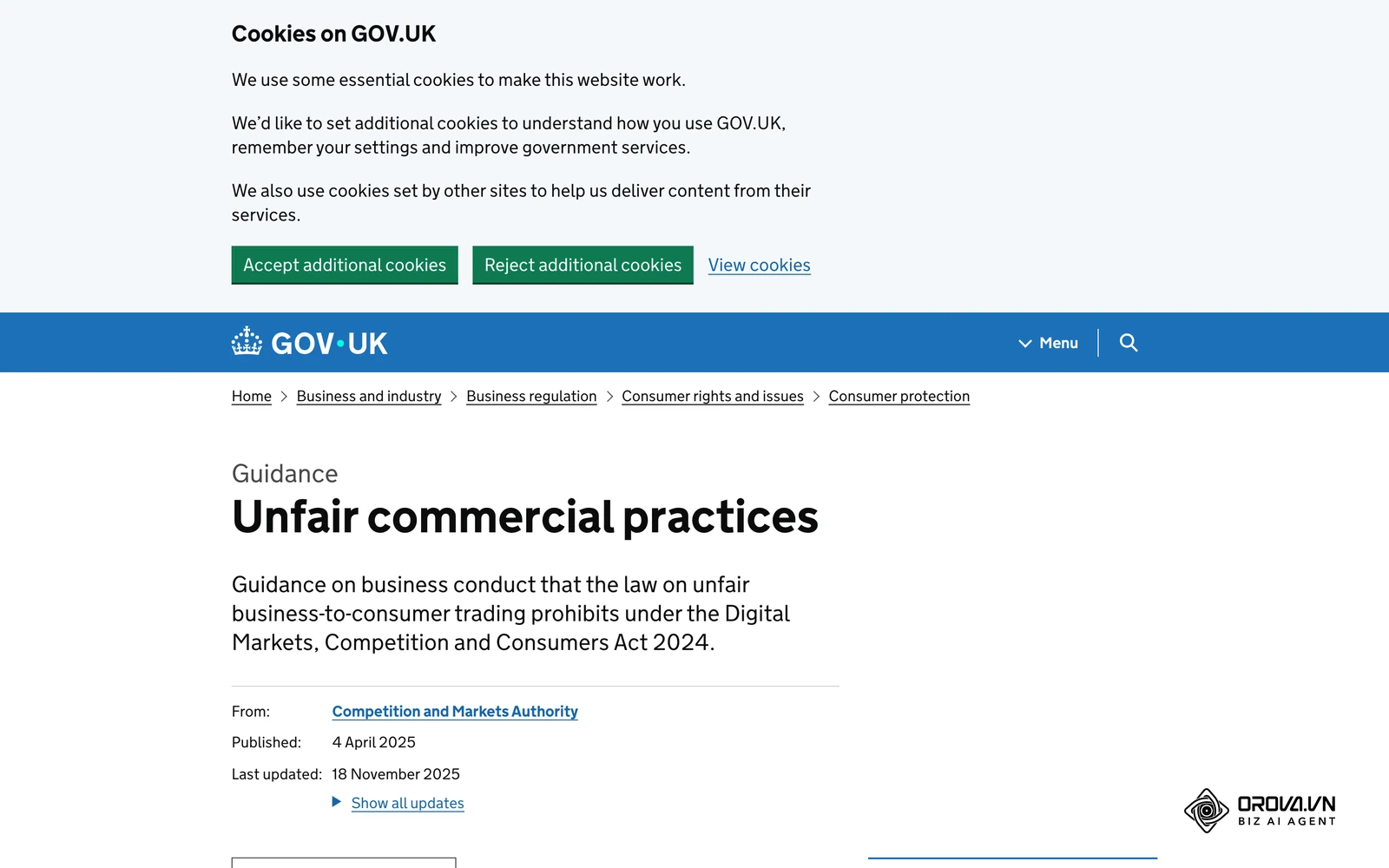
Template 3: The Loyalty Thank-You (Reciprocity, no review attached) Use this to reward loyal customers. Cialdini describes reciprocity as the urge to return a favor, but a gift that is tied to a review, or to a five-star rating, crosses the line: major review platforms such as Google and Amazon prohibit incentivized reviews, and consumer protection rules in many markets treat them as deceptive. Keep the gift and the review request completely separate.
- Timing: When a user hits a high-usage milestone (e.g., 10th order or 100th login). Send the honest-feedback request (Template 2 or 4) on its own schedule, without mentioning the gift.
- Subject: A thank-you for being with us.
- Body: "Hi [Name], you just hit a big milestone with us. As a thank you, I have added a small credit to your account. There is nothing you need to do in return. Enjoy it!"
Template 4: The Milestone Celebration Use this for long-term retainers or subscriptions to capture deep narrative feedback.
- Timing: The one-year anniversary of their subscription.
- Subject: Happy anniversary! Look how far we have come.
- Body: "Hi [Name], it has been exactly one year since you joined us. Looking back at where your metrics started versus today is incredible. If you were giving advice to someone just starting out in your industry today, how would you describe the impact our platform had on your growth?"
Template 5: The Founder's Personal Request (High-ticket) Use this after delivering a high-touch, expensive service. It relies on the personal relationship built during the project.
- Timing: 3 days after the final project hand-off meeting.
- Subject: A quick personal favor.
- Body (Plain text, no logos): "Hi [Name], it was a privilege working with your team on this project. As a founder, the hardest part of growing this agency is conveying the real impact we have to new prospects. Would you be open to writing a two-sentence endorsement I could feature on my personal LinkedIn profile? Let me know if that is okay."
Illustrative example: A direct-to-consumer apparel brand faced stagnating conversion rates on their primary product pages despite high traffic. The eCommerce manager implemented an automated post-purchase email sequence triggered exactly three days after the confirmed delivery date. They requested an honest photo review of the customer wearing the item, with no discount or reward tied to posting it. Initially, the open rate was incredibly low because the subject line resembled a generic shipping update. The manager fixed this by changing the sender name to the founder and using a personalized subject line asking for honest feedback. The result was a steady influx of visual reviews that populated the product pages, creating a more vibrant and trusted shopping experience.
Strategic placement architecture
Once you have collected the assets, you must position them for maximum visibility. The input is your landing page wireframe, and the output is a high-converting layout. A common failure point is burying your best testimonials at the very bottom of the page, where only a fraction of your traffic ever scrolls.
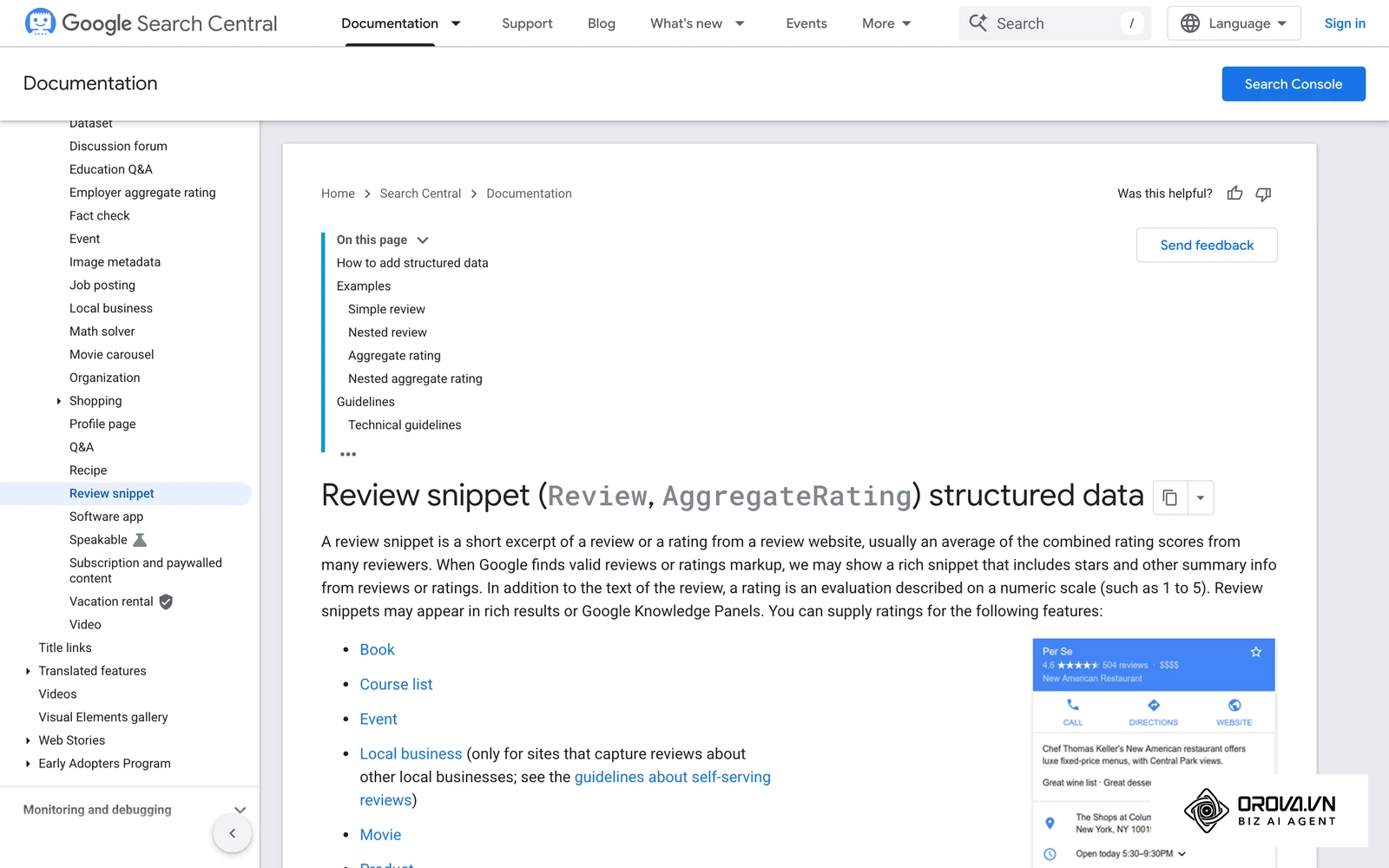
Your placement strategy should mirror the user's emotional journey down the page. Place a strong, punchy quote immediately near the main headline to establish immediate authority. Further down the page, near the pricing table, position longer case studies that address specific financial objections. Integrating these elements smoothly requires a solid seo website design workflow to ensure the assets do not slow down page load times or break the mobile experience.
Performance measurement and A/B testing
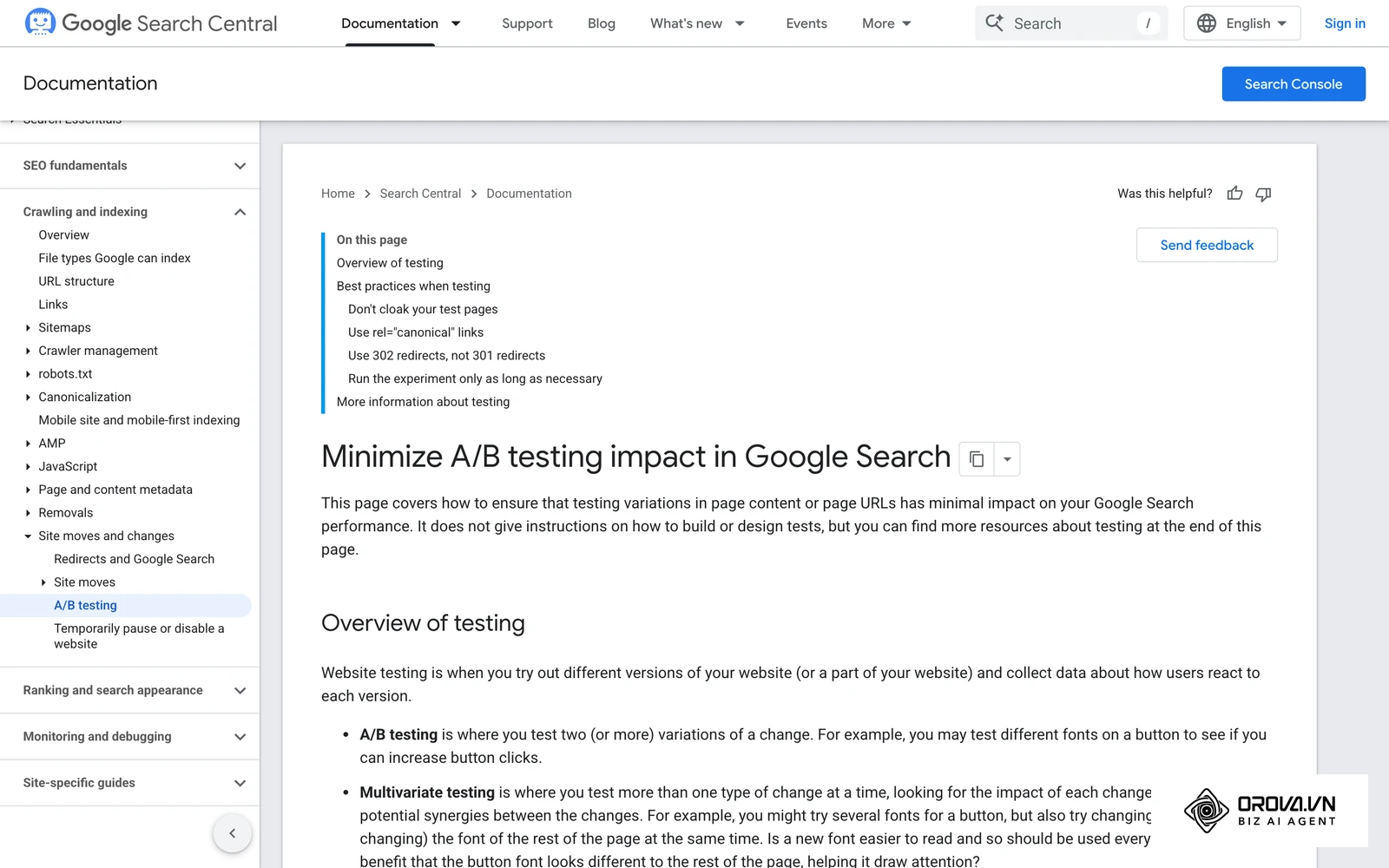
The final component is quantifying the conversion lift. You cannot assume a review is working; you must measure it. The input is two variations of a landing page receiving equal traffic. The output is a mathematically significant winner. A major failure point is testing too many variables at once, making it impossible to know which change caused the improvement.
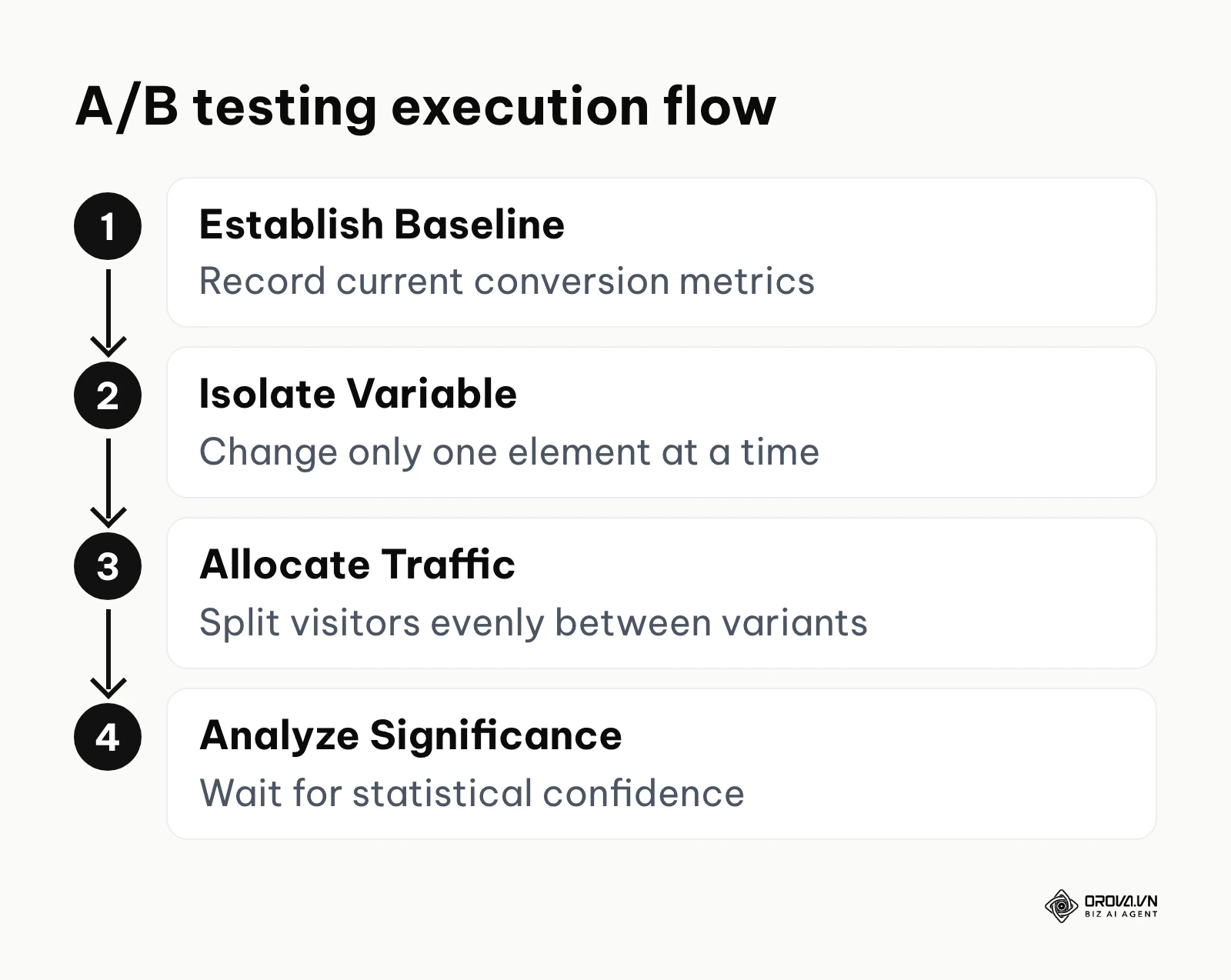
To set up a rigorous A/B test for your validation assets, create a tracking spreadsheet with the following logic:
- Define the baseline: Record your current conversion rate before making any changes.
- Isolate the variable: Create Variation B. Change only one thing, such as swapping a text review for a video review.
- Track the data: Use your analytics tools to monitor the performance. If you want to see exactly how users are interacting with a review carousel, setting up proper click tracking is essential to know if the design itself is flawed.
- Record the columns: In your spreadsheet, track the Date Started, Page URL, Variable Tested, Traffic Volume per variant, Conversion Rate A, Conversion Rate B, and the Statistical Confidence Level. A common convention is to wait for at least 95% confidence before declaring a winner.
How to adapt and start using validation today
The way you implement this engine depends entirely on your current scale and resources. Here is how different groups should approach the initial setup.
Small business owners and solo founders
When you are just starting, you have minimal traffic and zero automation budget. Your goal is sheer hustle and direct outreach.
- Task 1: Identify your three most engaged early users or beta testers.
- Task 2: Send them a highly personalized, plain-text email asking for a quick quote.
- Task 3: Take screenshots of positive mentions on social media (with permission) and manually embed them on your homepage.
- Task 4: Run a pilot project with a respected person in your niche, agree up front that the results will be documented as a case study, and disclose that arrangement when you publish it.
Illustrative example: A local digital marketing agency started with zero portfolio pieces and found it impossible to close high-value retainer contracts. The founder decided to treat their own agency as the first client and meticulously documented their internal growth strategies. They created public performance dashboards showing their own lead generation results and shared these as ongoing case studies on social media. The challenge was proving that these internal numbers were authentic and not fabricated, which they overcame by recording live screen walkthroughs of their analytics platforms. The result was an established baseline of industry authority that directly led to securing their first three long-term clients.
In-house marketing managers
For managers inside an established company, the problem is usually disorganized data rather than a lack of it. Your goal is centralization and testing.
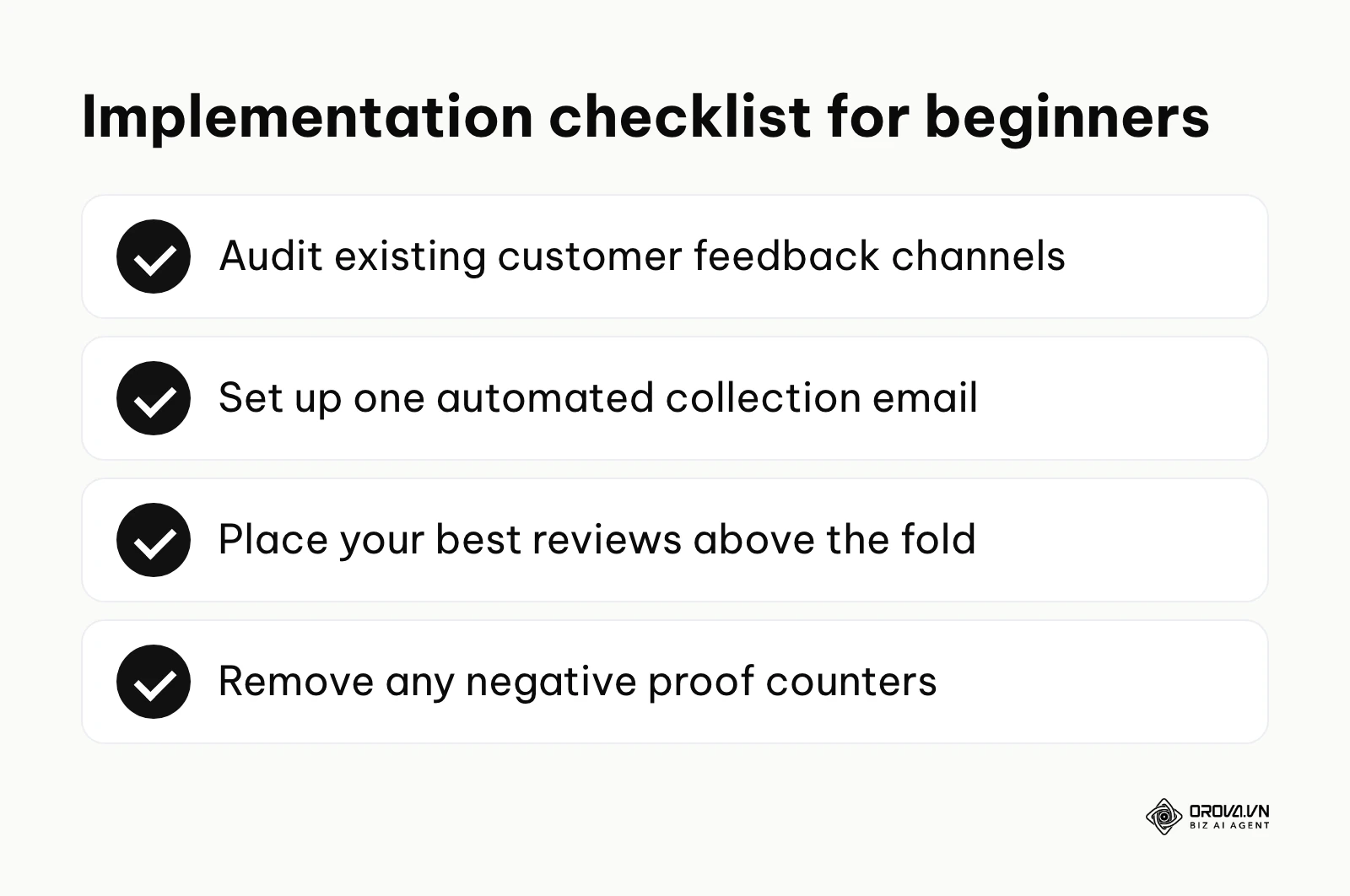
- Task 1: Audit all sales calls, support tickets, and old emails to extract hidden positive feedback.
- Task 2: Set up an automated post-purchase email sequence using the templates provided earlier.
- Task 3: Launch an A/B test specifically testing the placement of reviews above the fold versus below the fold.
- Task 4: Create a centralized repository where the sales team can easily search for case studies by industry.
Freelancers and digital agencies
Agencies must build validation systems not just for themselves, but for their clients. Your goal is creating repeatable frameworks.
- Task 1: Standardize a client off-boarding process that automatically triggers a request for a LinkedIn recommendation.
- Task 2: Build a swipe file of high-converting landing page layouts that heavily feature customer quotes.
- Task 3: Educate your clients on the dangers of using fake reviews, emphasizing the long-term damage to brand equity.
| Common mistake | Immediate consequence | How to avoid it entirely |
|---|---|---|
| Displaying fake or generic reviews | Instant loss of trust, platform penalties and legal risk | Only use real customers' names, photos, and verifiable details, with their permission. |
| Buying followers, likes or reviews | Platforms remove the fake accounts and the inflated numbers expose the brand | Grow proof only from real customers and disclose any partnership or free product. |
| Offering gifts for five-star ratings | Reviews get removed and the brand looks manipulative | Ask every customer for an honest review, and never tie rewards to a rating. |
| Using negative proof counters | Visitors assume the product is unpopular and leave | Hide purchase counters until you hit a significant threshold. |
| Burying testimonials at the footer | Many visitors never scroll far enough to see your best validation | Place high-impact quotes near primary calls to action. |
Start turning real customer feedback into posts your audience will see. With Orova Social, you can download your scheduling calendar to Excel for clear team reporting and apply consistent brand profiles to every post. It is free until July 7, 2027, and no card is required.
Trends in social validation over the next few years
As consumer skepticism grows and technology evolves, the mechanisms of trust are shifting rapidly. Based on current market signals observed up to 2026, I believe the landscape of peer validation will change in three distinct ways. It is important to note that rapid shifts in privacy regulations could alter these timelines, but the general trajectory is clear.
Hyper-personalized proof engines driven by AI
Currently, most websites show the exact same static reviews to every visitor. I believe that AI will increasingly be used to filter and present testimonials based on the visitor's specific demographic or browsing behavior. If an enterprise CFO lands on your pricing page, the page could surface case studies from other CFOs in similar industries, ignoring the reviews from small business owners. To prepare for this, it is worth tagging your customer feedback database by job title, company size, and specific use case today.
The rapid decline of static text testimonials
We are already seeing the impact of generative AI making text incredibly cheap to produce. Because consumers know that a machine can write a perfect five-star review in seconds, I lean toward the conclusion that plain text testimonials without accompanying verifiable details will carry less and less weight. I think consumers will increasingly look for visual, unedited proof, such as raw video and verified usage results. It makes sense to start shifting part of your collection effort from text toward video and verifiable outcomes. If you are struggling to measure the impact of this shift on your external channels, consulting a framework for social analytics tools can help you track engagement with these new visual formats.
Stricter verification of reviews
The proliferation of deepfakes and AI-generated avatars means that even video reviews will face intense scrutiny. I expect major platforms and ad networks to tighten verification for user-generated content. Brands may increasingly need to show that a review came from a real, paying customer who actually used the product. Marketers should begin integrating their review platforms directly with their payment gateways now to establish an unbroken chain of verified purchase history for every piece of feedback they display.
Frequently asked questions about social proof
How do you build trust from scratch with zero customers?
When you have zero customers, you cannot rely on traditional reviews. Instead, you must leverage borrowed authority and extreme transparency. Document your building process in public, sharing your failures and lessons learned to build an authentic audience. You can also give early access to a small group of respected professionals in your niche, ask for brutally honest feedback, and disclose the free access whenever you publish what they say. The key is to validate the problem you are solving, even if the product itself is brand new.
Where is the best place to position testimonials?
The best position is exactly where the user experiences the highest psychological friction. This is usually near the pricing table, immediately below the main value proposition above the fold, and right next to the final checkout button. Do not isolate all your reviews onto a separate "Testimonials" page, because standalone testimonial pages tend to get far less traffic than core product pages, which you can confirm in your own analytics. Weave the validation directly into the narrative flow of the main page. Implementing this effectively is a core component of advanced ppc ad management, where maximizing the conversion rate of paid traffic is critical.
Does video review ROI justify the higher production cost?
In most cases, yes, but conditionally. For high-ticket B2B software or expensive consulting services, a professionally edited video case study can help shorten a long sales cycle, which is where the higher cost is easiest to justify. However, for a low-priced eCommerce product, spending thousands on video production is a waste of resources. For low-cost items, raw, unedited smartphone videos shot by the users themselves often work well because they feel more authentic and cost little to produce.
Is social proof still needed when AI can generate everything?
Yes, it is needed more than ever, precisely because AI can generate everything. As the internet floods with synthetic, perfectly polished marketing copy, consumers will retreat entirely from brand claims. Authentic, messy, human validation will become one of the few signals buyers still trust. The format of the proof will evolve to become harder to fake, moving toward cryptographically verified purchases and live data streams, but the underlying psychological need to see other humans validate a decision will never disappear.
How do you recover from negative social proof?
Recovering from negative validation requires immediate, radical transparency. If your product fails and garners bad reviews, do not attempt to delete them or cover them up with fake positive reviews, as this will destroy any remaining credibility. Instead, publicly acknowledge the failure, explain exactly what went wrong from a technical or operational standpoint, and outline the precise steps you are taking to fix it. Turn the negative event into a public demonstration of your company's commitment to customer service and continuous improvement.
Where to begin your validation journey?
Choosing your first step depends entirely on the current state of your marketing operations. Attempting to build a complex A/B testing matrix before you have a steady stream of feedback will only lead to frustration.
If you have zero existing assets, your first step is to implement Template 1 (The Immediate Post-Purchase Hype) into your email sequence today. Do not worry about formatting or design; simply get the automated request firing. Your sole objective is to prove that you can generate at least one piece of genuine feedback per week. Once you have a handful of quotes, place the strongest one directly under the main headline on your homepage.
If you have feedback scattered across various channels, your first step is centralization. Dedicate one afternoon to auditing your social media mentions, old email threads, and support desk tickets. Extract every positive comment and organize them into a simple spreadsheet, categorized by the specific feature or pain point they address. This instantly gives your sales and marketing teams a searchable database of objections to handle in their daily workflows.
If you are already displaying reviews but not tracking their impact, your first step is to launch a basic A/B test. Take your highest-traffic landing page and duplicate it. On the new variant, simply move your best testimonial from the bottom of the page to directly above the primary call-to-action button. Run the test until you reach statistical significance, and you will know whether placement matters on your page.
About the author

Builder of Orova
Nguyễn Đỗ Trọng Ân has 8 years of experience in marketing, including 6 years managing market development across Asia. He builds Orova, a Biz AI Agent that never sleeps: it plans, runs and optimizes work for businesses.
Run your business with AI Agents
Orova is the always-on Biz AI Agent — it plans, runs, and optimizes the work for you.
Save time, unlock productivity.