
Automated ads explained: a 2026 playbook for scaling safely

You are staring at the Ads Manager screen at 11 PM, manually tweaking bids, duplicating ad sets, and pausing underperforming creatives. This is a familiar scenario for many marketers trying to forcefully control acquisition costs. However, manual optimization simply cannot keep pace with real-time auction dynamics across billions of daily impressions. You might have heard that automated ads, where you step back and let machine learning take the wheel, are the ultimate solution, yet the fear of losing budget control keeps you hesitant. The old way of micromanaging every single placement is no longer sustainable, but blindly handing your credit card to an algorithm without guardrails is a recipe for disaster. This comprehensive guide will walk you through exactly how the underlying systems function, how to structure your assets safely, and how to scale your return on investment using intelligent automation without losing sleep over rogue algorithms.
What are automated ads?
Automated ads are campaigns where machine learning algorithms take over the execution of media buying, including bidding, audience targeting, and creative placement optimization, based on a predefined goal. They are used to maximize campaign efficiency at scale. Unlike traditional manual campaigns, automated ads require broad constraints rather than micro-management rules.
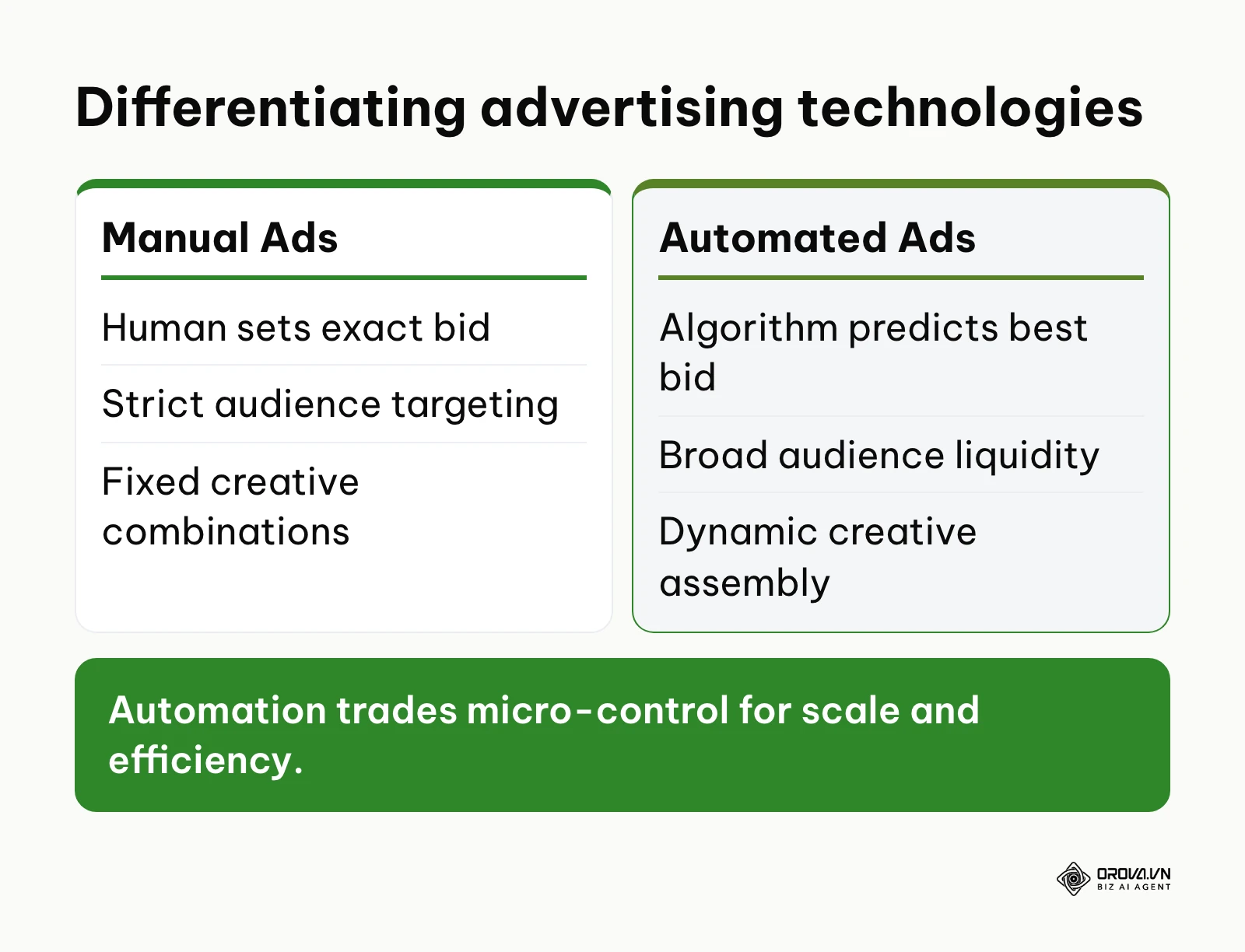
The concept evolved rapidly over the last decade. Early iterations involved simple rules-based programmatic buying (e.g., "if cost exceeds a set amount, pause the ad"). Today, the landscape is dominated by predictive AI models that analyze thousands of real-time signals before an auction even happens. A useful working definition: a truly automated campaign adjusts at least two core variables on its own, such as bidding and creative placement, without manual intervention during delivery.
To clarify, marketers often confuse automated ads with similar technologies, especially automated rules that only trigger the actions you define. Here is how they differ:
| Concept | How it differs from true automated ads | Example |
|---|---|---|
| Programmatic Ads | Focuses on buying ad space across the open web via software, but targeting can still be heavily manual. | Buying display banners on news sites via a Demand Side Platform (DSP). |
| Dynamic Ads | Automatically changes the product image based on user history, but the bid and audience might still be manually restricted. | Retargeting a user with the exact pair of shoes they left in their cart. |
| Automated Rules | Simple "If/Then" triggers set by a human to manage an otherwise manual campaign | Pausing an ad set if it spends a set amount without a purchase. |
For an everyday example, imagine you are trying to bake the perfect chocolate chip cookie. In a manual campaign, you explicitly dictate every step: exactly 150 grams of sugar, exactly 12 minutes in the oven at 350 degrees. If the flour is slightly damp that day, the cookies fail because the rules were rigid. Automated ads operate like giving an expert chef the goal of "make the most delicious cookie possible" along with a pantry of ingredients. The chef dynamically adjusts the baking time, temperature, and ingredient ratios based on real-time feedback and environmental conditions to guarantee the best outcome.
Why automated ads matter in the modern acquisition ecosystem
The primary purpose of automation in advertising is to solve the problem of signal loss and auction complexity. Over the past few years, privacy updates have drastically reduced the granular data marketers can manually target. We can no longer isolate highly specific micro-demographics easily. Automated ads exist to bridge this gap by utilizing vast amounts of aggregated, anonymized data to find patterns that a human media buyer could never spot.
In the broader marketing picture, automated campaigns sit between your creative production and your backend sales data. They are the execution engine. You supply the raw creative materials and the business goals (like a target Cost Per Acquisition), and you connect your backend system to feed real conversion data back to the platform. By utilizing an automated sales report, you can ensure that the algorithm is optimizing for actual closed revenue, rather than just cheap front-end clicks.
If you choose to ignore this shift and stubbornly stick to manual micro-targeting, you lose a critical competitive advantage known as "liquidity." Liquidity refers to the algorithm's freedom to spend budget wherever the cheapest conversions are hiding at any given millisecond. Manual constraints block liquidity. Your competitors, who embrace automation, will enter more auctions, find cheaper pockets of audience intent, and ultimately price you out of the market.
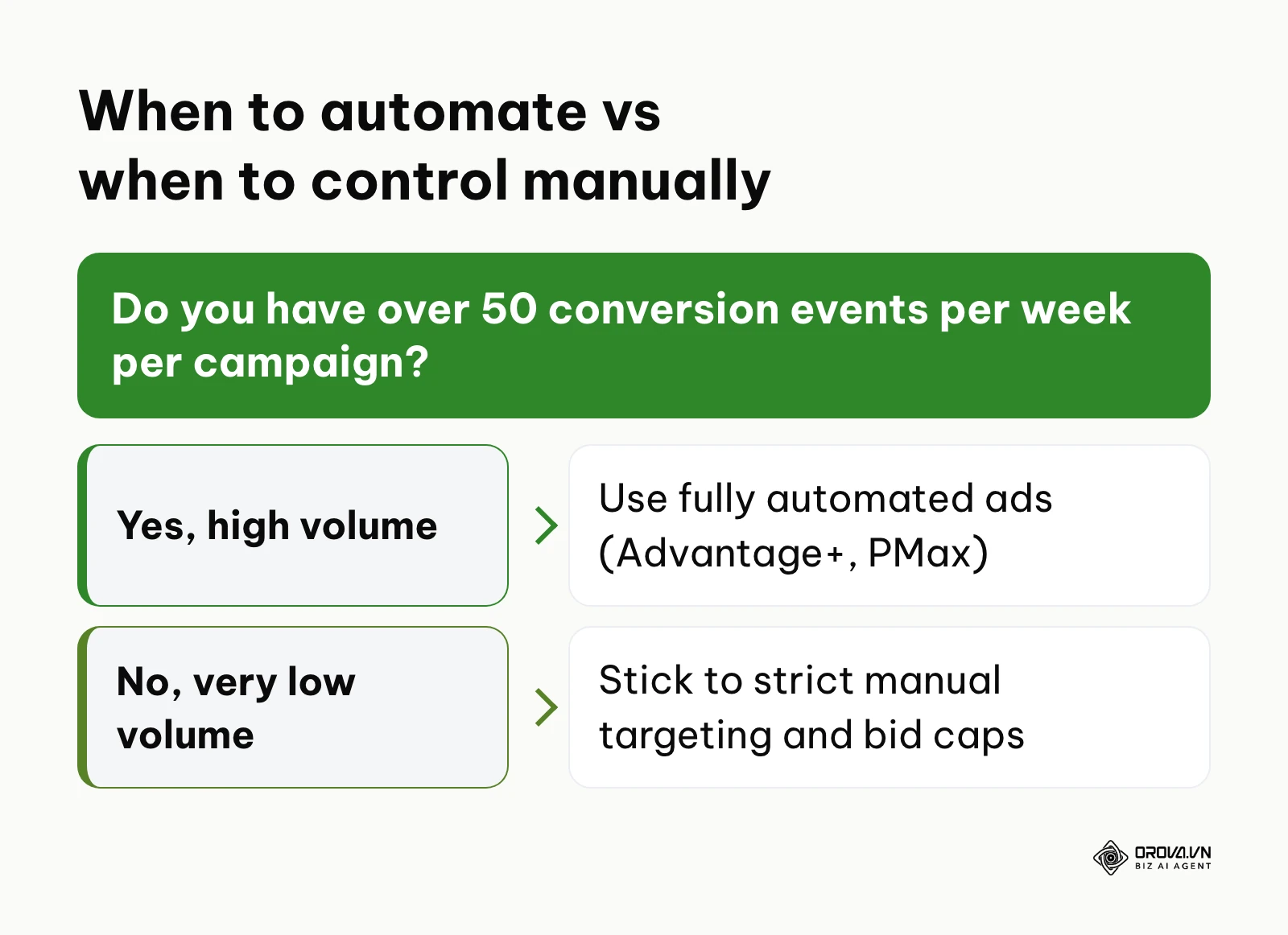
When you do not need automated ads: First, if you are a hyper-local business with a very small daily budget, automation algorithms simply will not receive enough conversion data to exit the learning phase. Second, if you are running a highly targeted B2B account-based marketing campaign aimed at a predefined list of fifty executives, relying on machine learning to find new audiences is a waste of money. In these specific cases, strict manual targeting and direct placements yield far better control and prevent the system from spending outside your rigid parameters.
The real value of automated ads: Beyond time saving
When discussing the value of machine learning in media buying, the conversation usually stops at "it saves time." While true, this barely scratches the surface. The real value is split into massive business advantages and transformative career benefits for the practitioners executing the work.
Business value: Predictability and risk mitigation
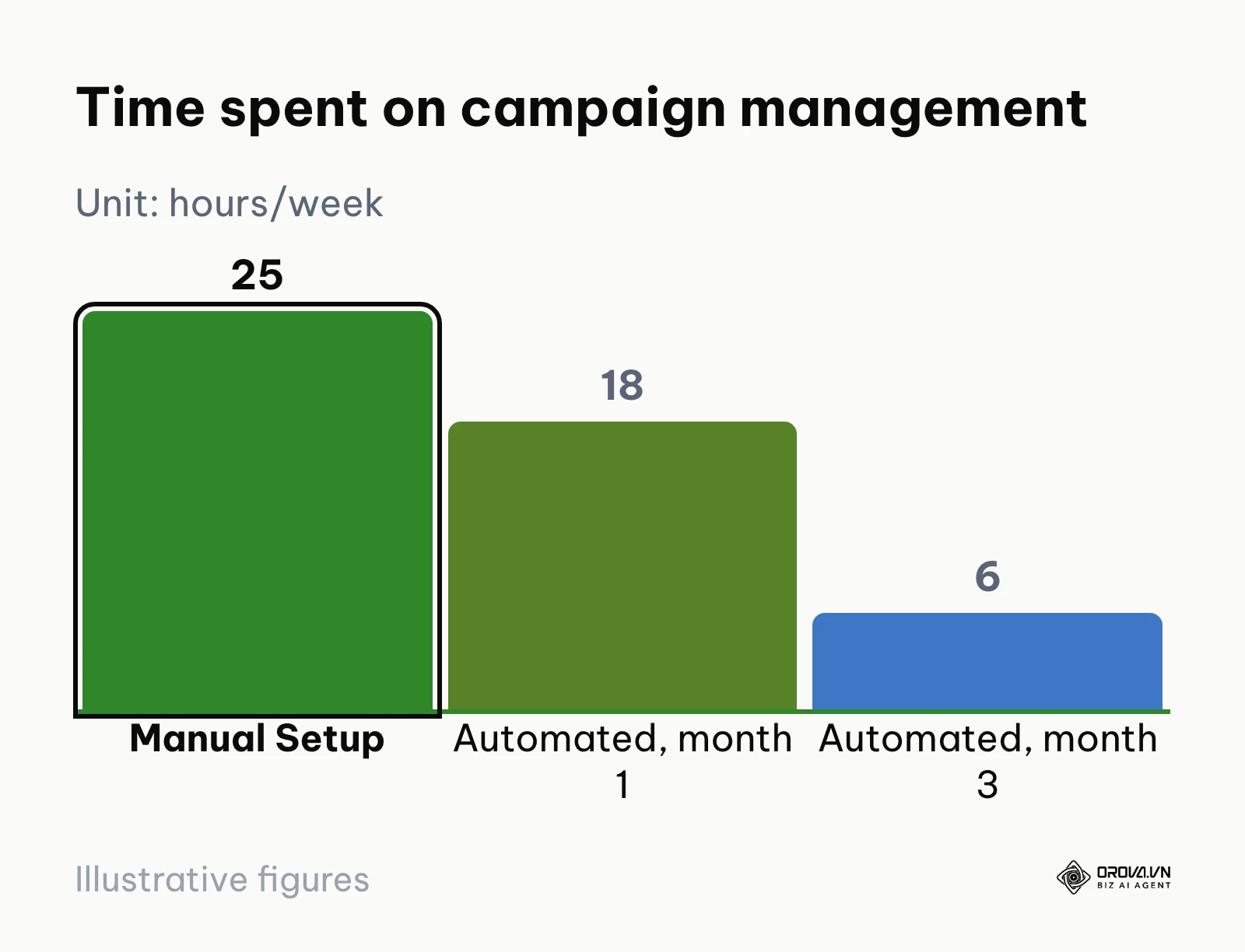
For a business, the primary value of an automated ad strategy is financial predictability at scale. When you rely on a human to manually duplicate ad sets and guess which demographic will convert on a Sunday evening, you introduce extreme volatility. Automation smooths out this volatility by optimizing continuously, 24/7, across platforms. In practice, algorithmic bidding usually reaches a stable target cost per acquisition (CPA) with less manual effort than constant hand-tuned bid adjustments.
Illustrative example: a mid-sized ecommerce retailer was struggling with high CPA volatility during the holiday season. The marketing director decided to transition from manual ad sets to a Meta Advantage+ sales campaign (the format that replaced Advantage+ shopping campaigns in 2025). They consolidated ten manual ad sets into a single automated campaign, fed it fifty different creative assets, and set a strict return on ad spend (ROAS) target. Initially, the algorithm spent aggressively on broad audiences, causing a temporary panic. To fix this, they implemented a cost cap constraint to restrict overspending on untested demographics during the first three days. The visible result was the campaign stabilizing rapidly; the team could clearly see their ads appearing on entirely new placements like Instagram Reels, bringing in a steady stream of new customer orders that were previously missed by their manual targeting constraints.
Practitioner benefits: From button-clicker to strategist
For the media buyer, automation forces an evolution. Instead of spending hours staring at spreadsheets trying to determine if men aged 25-34 perform better than women aged 35-44 on mobile devices, practitioners are elevated to the role of business strategists. You focus on creative psychology, offer structuring, and financial unit economics. You dictate the rules of the game, and the machine plays it.
To help transition your mindset from manual budgeting to automated financial governance, here is an "Automated Ads Cost Limits & Projected ROI Tracker" you should build in your spreadsheet (illustrative figures, in your account currency):
| Campaign / Product Line | Target CPA (Goal) | Absolute CPA Ceiling (Kill-switch) | Minimum ROAS Floor | Daily Uncapped Budget Limit |
|---|---|---|---|---|
| Flagship SaaS Product | 45 | 75 | 3.5x | 500 |
| Ebook Lead Gen | 5 | 12 | N/A (Lead gen) | 100 |
| E-commerce High Ticket | 120 | 180 | 4.0x | 1,000 |
Measuring the real benefits
How do you know if the transition to automation is actually working? You must track the right metrics over the correct time horizon.
| Benefit | Measured by which metric? | Timeframe to see clear results |
|---|---|---|
| Improved Auction Efficiency | Decrease in overall CPA and increase in ROAS | 14 to 21 days (Post-learning phase) |
| Creative Discovery | Volume of impressions served to new, previously untested ad variations | 7 to 10 days |
| Operational Scale | Total budget successfully deployed without decreasing efficiency | 30 to 60 days |
OROVA ADS applies AI Agent to automate and optimize ad performance on Google, Meta and TikTok. Scale your budget safely, monitor 24/7 and expand your business quickly.
Experience the solution at orova.vn/ads
How automated ads work under the hood
To truly master automated ads vs manual control, you must understand the anatomical structure of how these algorithms function. It is not magic; it is a rapid series of mathematical calculations occurring in milliseconds. The system can be broken down into four distinct operational steps.
Step 1: Feeding the algorithm with first-party data
An algorithm is only as intelligent as the data it consumes. In the past, marketers relied heavily on front-end browser pixels to track events like page views or button clicks. Today, because of privacy blockers, pixels lose massive amounts of data. Automated systems require deep, robust integrations directly from your server or Customer Relationship Management (CRM) software. This is why many high-performing teams connect their CRM data directly to their advertising platforms, so the machine learning models receive high-quality signals.
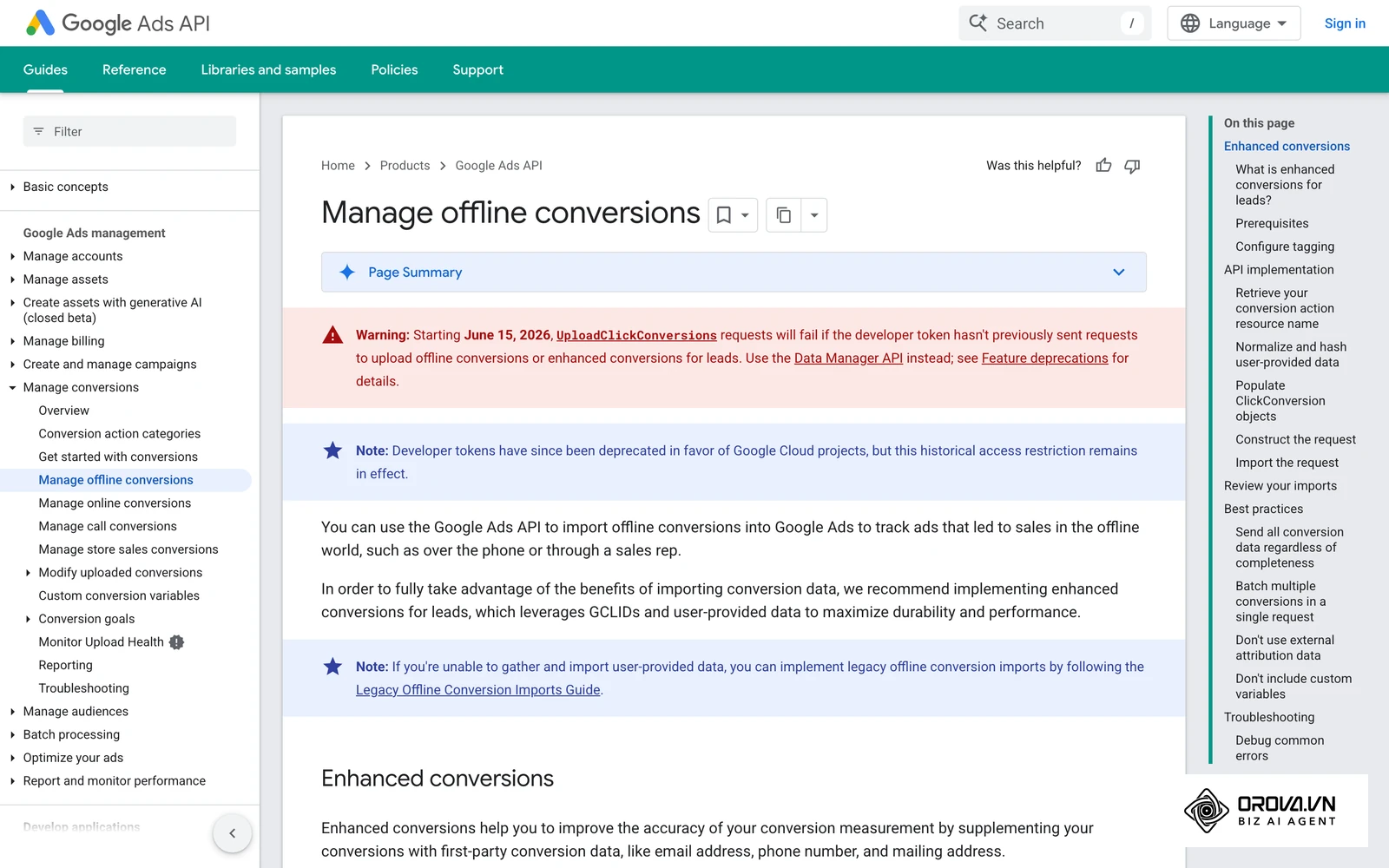
When you sync your CRM via a Conversions API (CAPI), you tell the algorithm exactly who purchased, what their lifetime value is, and who ended up returning a product. This allows the system to bid higher for users who share characteristics with your best historical customers, rather than just users who like to click links.
Step 2: Dynamic bidding and auction participation
Once the system knows what a good customer looks like, it enters the auction. Every time a user scrolls their feed or types a search query, a micro-auction takes place. The automated system evaluates thousands of signals—time of day, device type, recent browsing behavior, semantic context of the page—to predict the probability of that specific user converting.
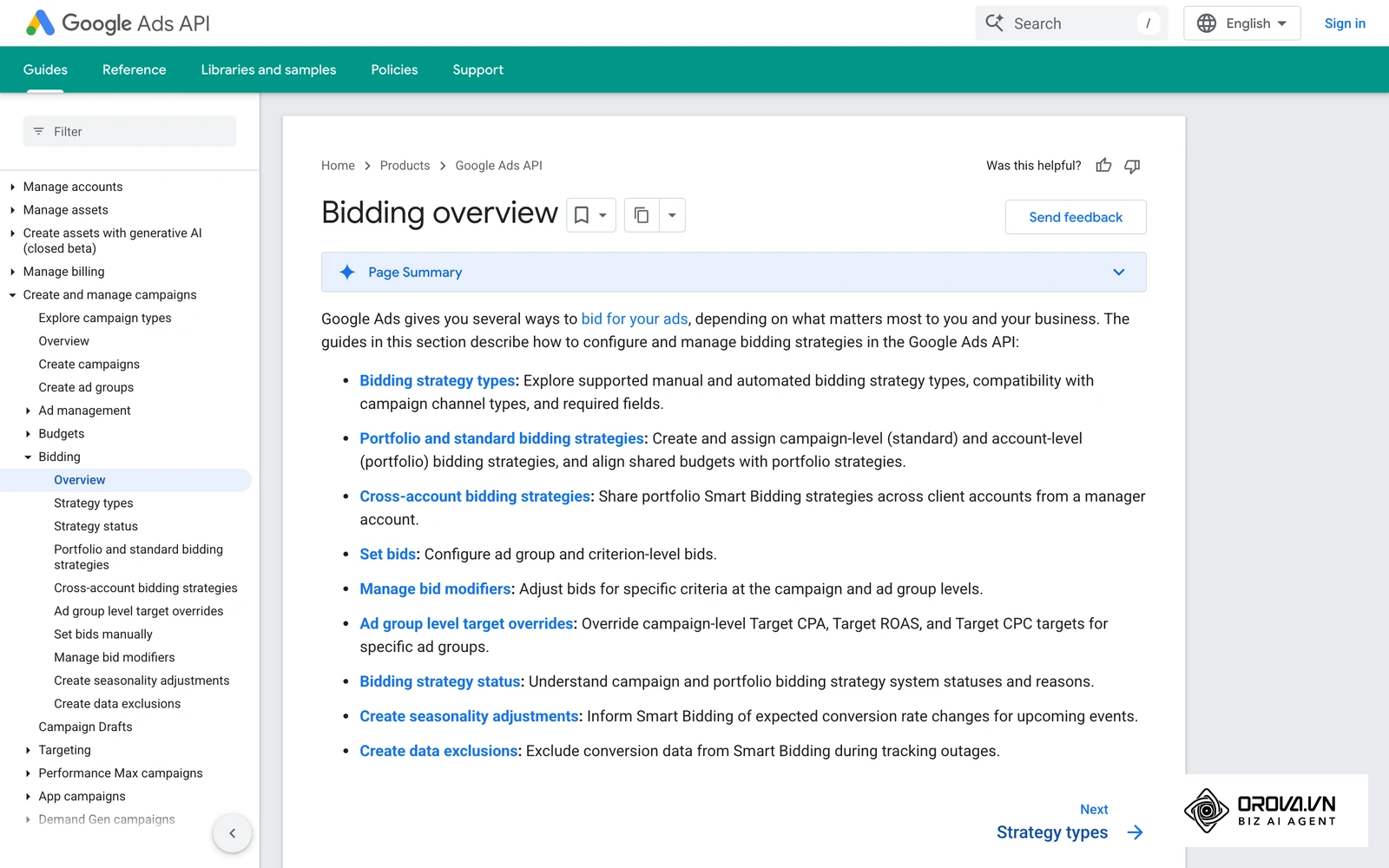
If the probability is high, the system bids aggressively. If the probability is low, it skips the auction entirely to save your budget. This is where tools like Facebook ads cost cap become essential. A cost cap acts as a strict guardrail, telling the automated system, "Find me as many conversions as possible, but do not bid in auctions where the predicted cost will exceed this specific amount."
Illustrative example: a SaaS company was trying to generate B2B leads via Google Ads. The media buyer set up a Performance Max campaign to capture both search and display traffic. They uploaded their customer list, added a variety of text headlines and video assets, and chose 'Maximize Conversions' as the bidding strategy. The hiccup occurred when the system started generating incredibly cheap, but low-quality leads from irrelevant display network gaming sites. The buyer fixed this by tightening the URL expansion settings and feeding specific negative keywords into the account-level settings to block junk traffic. The visible result was a dramatic shift in incoming lead quality, with the sales team suddenly receiving demo requests from actual decision-makers rather than students accidentally clicking banners.
Step 3: Creative assembly and optimization
Traditional ads require you to build a final, polished image with text permanently burned into it. Automated systems utilize "modular creative." You upload raw ingredients: 5 distinct headlines, 3 primary text descriptions, 4 images, and 2 videos. The system then rapidly mixes and matches these assets to create thousands of unique combinations, serving the exact combination it predicts will resonate best with a specific user.
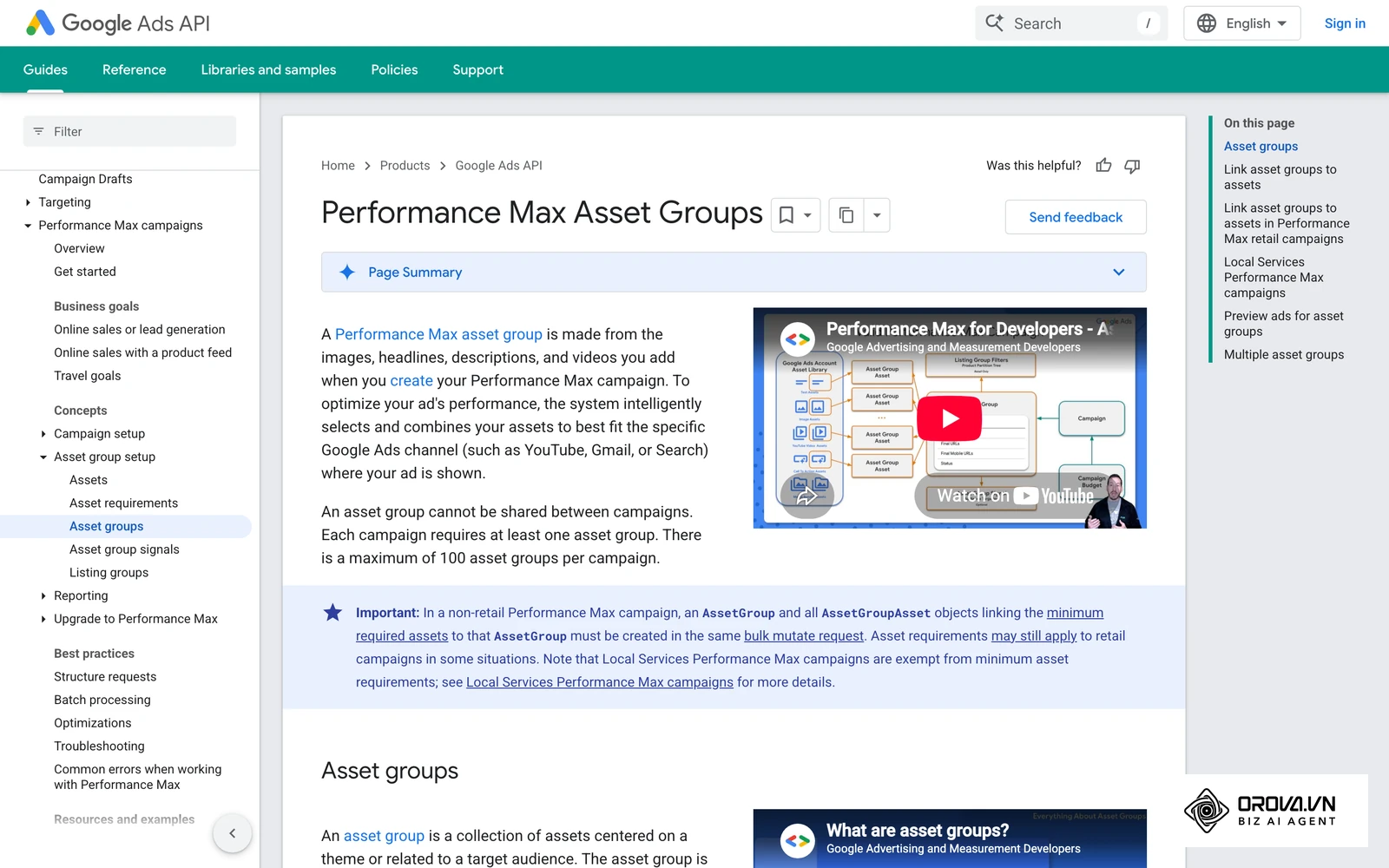
To feed this beast, you need massive volume. Here are two ChatGPT prompt templates you can use right now to generate varied modular copy for your automated campaigns:
Prompt 1: Generating distinct marketing angles (Headlines)
"Act as a direct response copywriter. My product is [Insert Product/Service]. Our target audience is [Insert Audience]. Provide 5 completely distinct marketing angles (e.g., fear of missing out, logical savings, status elevation). For each angle, write 3 punchy ad headlines under 40 characters that highlight the core benefit."
Prompt 2: Generating primary text variations
"Using the angles generated above, write 3 variations of primary ad text (under 125 words each). Variation A must be a storytelling format. Variation B must be a bulleted list of features. Variation C must be a direct, aggressive discount offer. Include a clear Call to Action in each."
Step 4: The feedback loop and learning phase
When you launch an automated campaign, it enters a critical period known as the "Learning Phase." During this time, the algorithm is intentionally spending money on diverse audiences to gather statistical significance. It generally needs around 50 true conversion events within a 7-day period to stabilize. The biggest mistake marketers make is panicking on day two and manually pausing the campaign because the CPA is high. You must let the system fail small to win big.
The different types of automated campaigns
As of 2026, the major advertising platforms have heavily branded their automated solutions. For TikTok's format specifically, see this TikTok Smart+ campaign guide.
| Platform | Campaign Type | Core Characteristics | Best Suited For |
|---|---|---|---|
| Google Ads | Performance Max (PMax) | Spans Search, Display, YouTube, Maps from one goal. Heavy reliance on broad match and asset groups. | E-commerce catalogs, local lead generation. |
| Meta (Facebook) | Advantage+ sales campaigns (formerly Advantage+ shopping) | Replaces many manual ad sets with one campaign. Targeting is largely broad, so creative does most of the work of finding buyers. | Direct-to-consumer products and online sales. |
| TikTok Ads | Smart+ campaigns (successor to Smart Performance Campaign) | Automates targeting, creative combinations and bidding for short-form video delivery. | App installs, trending e-commerce items. |
How to set up automated ads safely
If you are ready to launch an Advantage+, PMax or Smart+ campaign, follow this exact sequence to avoid disaster:
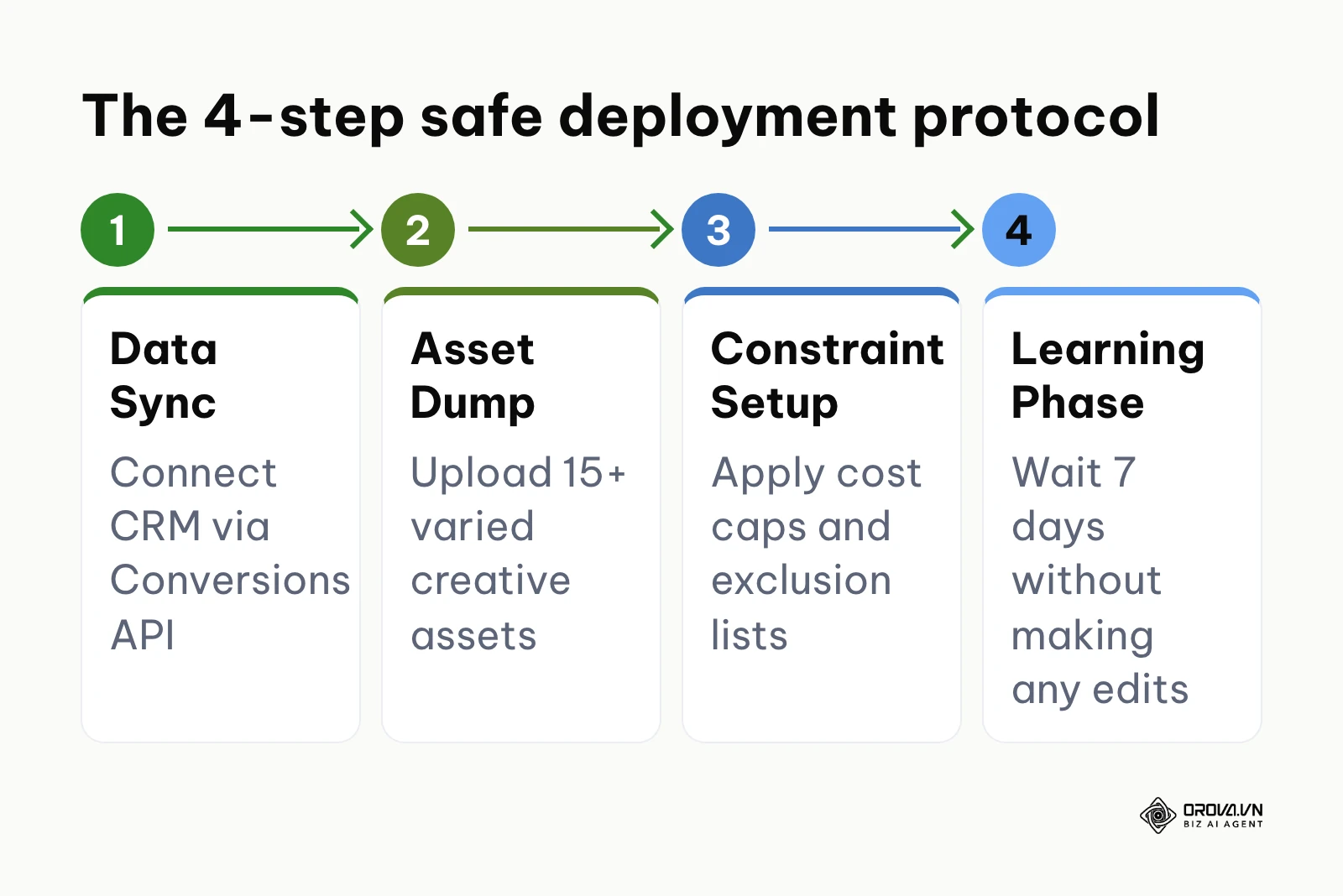
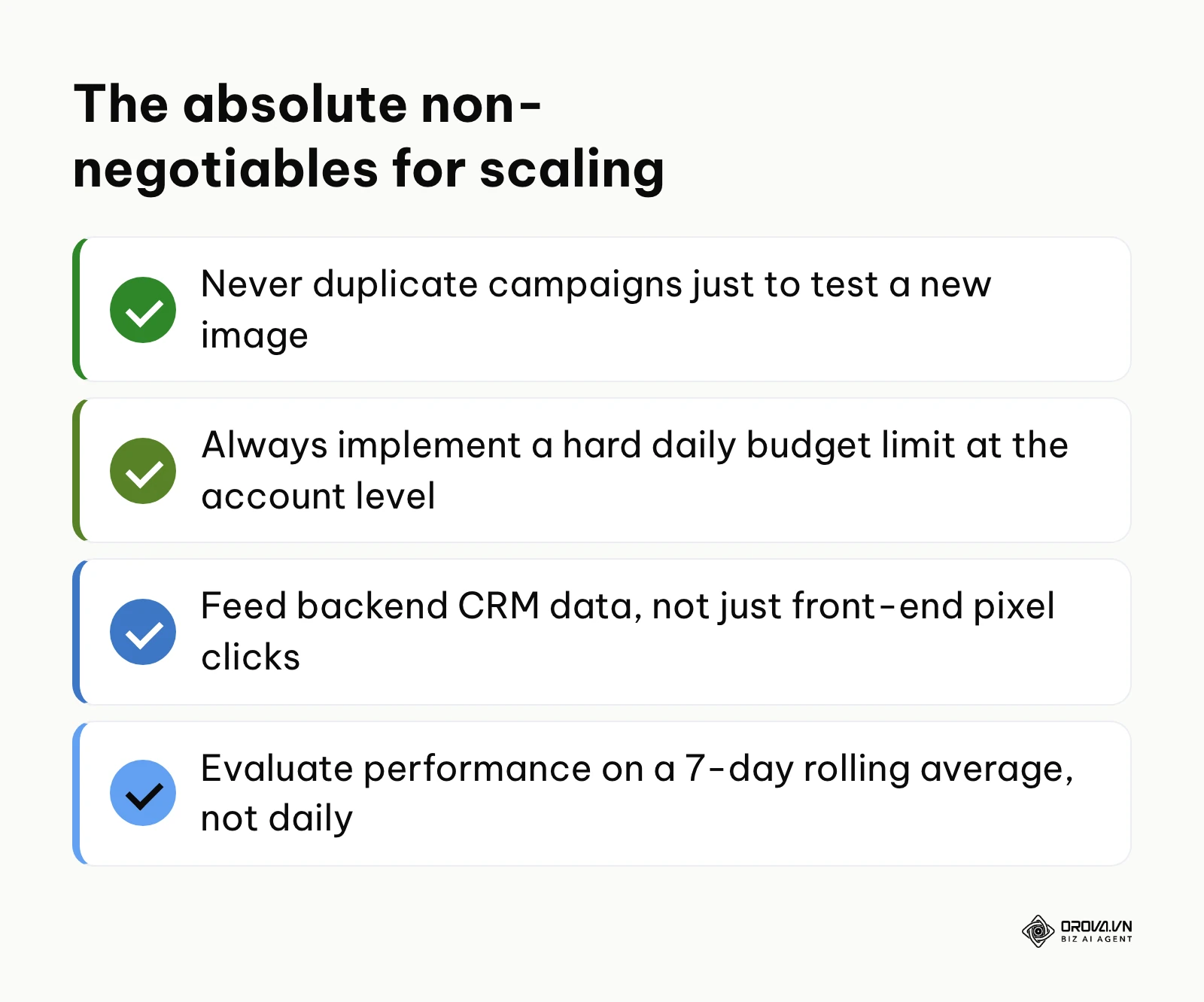
- Consolidate your account: Turn off your 15 overlapping manual ad sets. Create one single automated campaign per core objective.
- Define the rigid goal: Select 'Purchases' or 'Qualified Leads' as the optimization event. Never optimize for 'Link Clicks' in an automated campaign.
- Upload the asset dump: Provide the system with at least 15 varied creative assets (a mix of user-generated content, polished graphics, and raw text).
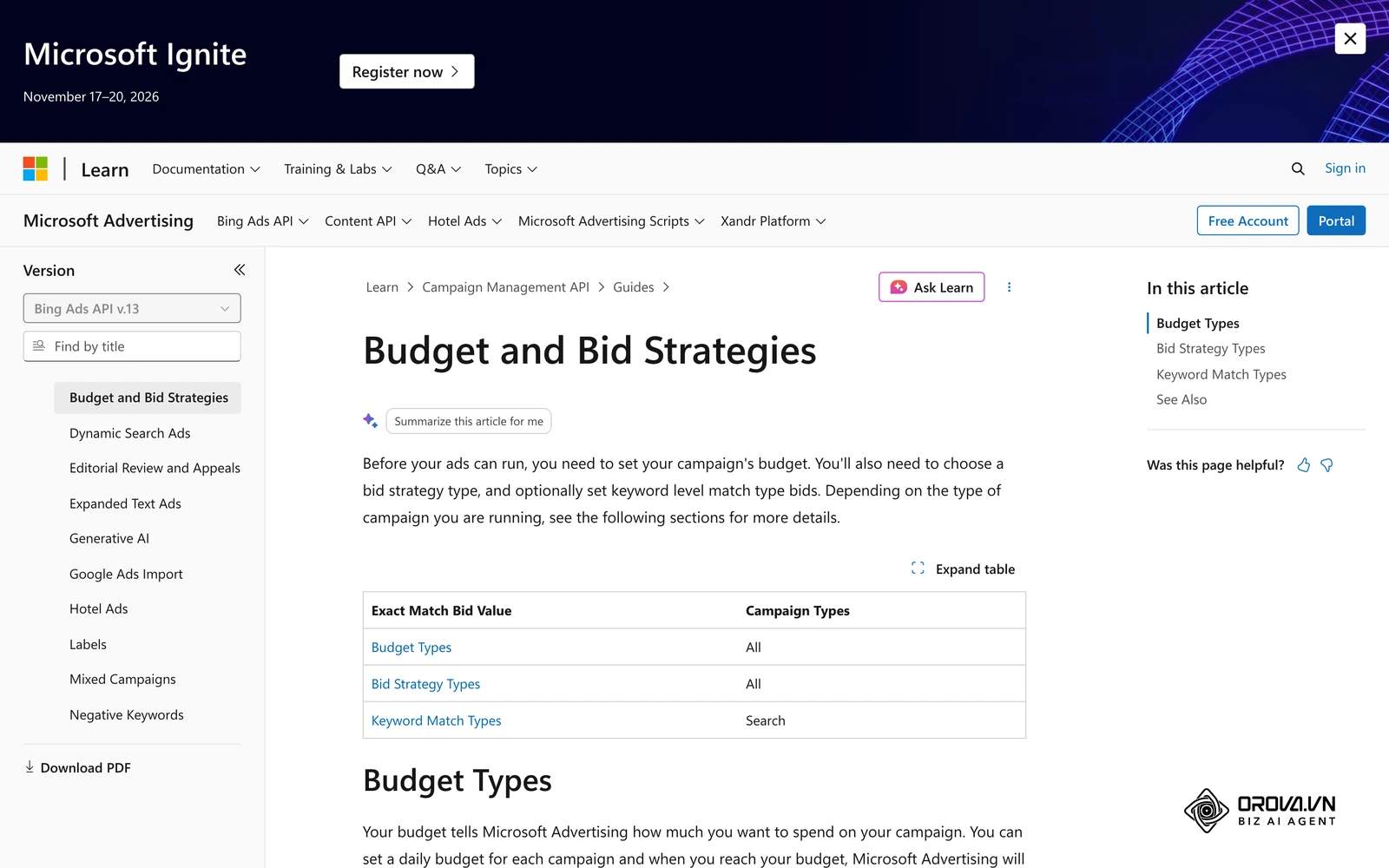
- Set the safety caps: Apply a target CPA or a minimum ROAS constraint. If it is a brand new account, start with 'Maximize Conversions' with a strict daily budget limit until you gather enough data to establish a baseline cost.
- Publish and walk away: Do not touch, edit, or tweak the campaign for at least 7 full days. Let the machine learn.
How to get started and adapt to automation
Adapting to this new reality requires different skill sets depending on your role within a company. The days of hoarding "secret targeting hacks" are over. Strategy is the new targeting.
For small business owners
As a founder wearing multiple hats, your goal is to minimize time spent inside Ads Manager. Your first step should be ensuring your tracking is flawless. If your website platform (like Shopify or WordPress) offers a native, one-click integration for Meta's Conversions API or Google's Enhanced Conversions, turn it on immediately. You do not need to understand the code; you just need to ensure the system is receiving accurate sales data. Rely on broad automated campaigns with a strict daily budget that you are comfortable losing entirely while the system learns.
For in-house marketing teams
For dedicated marketing teams, the challenge is governance and scale. You need to transition your team's daily tasks from adjusting bids to deeply analyzing Google Ads management tools and creative reporting.
Illustrative example: an in-house performance marketer was managing a large monthly budget across multiple platforms for a software company. They needed a way to safely scale spending without constantly monitoring the accounts on weekends. They used a tool from their AI marketing automation stack to set up automated kill-switch rules, instructing the system to pause any specific ad variation that spent more than a set amount without generating a single add-to-cart event. During a major platform glitch on Black Friday, the cost per click across the network suddenly spiked abnormally high. Because the automated kill-switch rule was active, the system immediately paused the bleeding ad sets before the daily budget was drained. The marketer woke up the next morning to see the paused campaigns on their dashboard, realizing the safeguard had successfully protected a large share of the daily budget that would have otherwise been wasted on the glitched auction.
For agency media buyers
If you run ads for clients, your value proposition must shift. You can no longer charge a retainer just for "managing bids." Your value now lies in creative strategy, conversion rate optimization (CRO) on the landing pages, and complex backend data plumbing. You must educate your clients on why their campaigns will look much simpler on the surface (fewer ad sets, broader targeting) but are actually executing far more complex operations under the hood.
The Safeguard Checklist (Kill-switch protocol)
Before you hit "Publish" on any fully automated campaign, you must implement safety nets. Print this 10-step checklist and verify every point:
- Is the account-level daily spending limit hard-coded to prevent catastrophic overspend?
- Are URL expansion settings properly restricted (for Google PMax) to prevent ads from showing on irrelevant pages?
- Have you uploaded an exclusion list containing your brand terms to prevent the algorithm from wasting budget on people already searching for your exact name?
- Is the primary conversion action strictly tied to a bottom-of-funnel event (Purchase/Lead)?
- Are all secondary, soft conversion actions (Page Views, Add to Carts) removed from the primary optimization goal?
- Have you verified that your CRM offline conversion sync is passing data successfully in the last 24 hours?
- Did you include at least three completely different creative angles in the asset group to give the algorithm varied options?
- Is there a cost cap or target ROAS applied, or if running uncapped, is the daily budget strictly limited to an acceptable loss amount?
- Have you documented the launch date and set a calendar reminder to explicitly NOT touch the campaign for 7 days?
- Do you have a manual automated rule running in the background to pause any single asset that spends 3x your target CPA with zero results?
Avoiding catastrophic failures
Even with safeguards, marketers stumble. Here are the most critical errors to avoid:
| Common Mistake | Consequence | How to Avoid It |
|---|---|---|
| Segmenting audiences into tiny, highly specific groups | The algorithm starves for data and never exits the learning phase. | Consolidate targeting. Use broad audiences and let the creative do the segmenting. |
| Making minor edits every two days | Resets the learning phase constantly, resulting in erratic, high-cost performance. | Batch all your creative and budget changes into a once-per-week sprint. |
| Optimizing for cheap top-of-funnel metrics (Link Clicks) | The system finds thousands of bots and accidental clickers, draining budget with zero sales. | Only feed the system hard business events: Purchases, Qualified Leads, Booked Calls. |
Want to scale your budget but afraid of breaking performance? 📉
Integrate OROVA ADS now - an AI Agent that automatically monitors and optimizes Google, Meta, TikTok ads 24/7. Now, expanding and replicating your Performance Ads team is just one click away.
🚀 Try it now at: orova.vn/ads
Automated ads trends: author's predictions for 2026 and beyond
In my view, we are entering a phase where the technical setup of ads will become completely commoditized. Here are my three core predictions for where this technology is heading.
Creative strategy will be the only targeting lever left
I believe traditional audience targeting options (interests, demographics, behaviors) will keep shrinking on major platforms. The algorithm will rely more and more on the ad creative itself to find the audience. If you upload a video speaking directly to "exhausted new mothers," the AI may analyze the video's audio and text, test it broadly, and find users who exhibit behaviors of new parents. Therefore, I suggest marketers spend less time on audience building and reinvest that time into psychological copywriting and video production.
Cross-platform budget liquidity will become the standard
Currently, marketers must manually decide how much budget to allocate to Google versus Meta. I expect that automated AI agents will increasingly sit above the individual platforms, shifting your budget between Meta, TikTok, and Google based on where the cheapest global conversions are happening. You will set a singular business goal, and the overarching AI will act as a master portfolio manager. To prepare, you must ensure your tracking attribution is flawless so you can actually trust an AI making cross-platform financial decisions.
First-party data architecture will determine the winners
I think that as privacy regulations deepen, the companies that succeed with automated ads will mostly be those who own their customer data. If you rely solely on the advertising platforms to track what happens after a click, your algorithms will eventually fly blind. The future belongs to brands that can seamlessly pipe robust offline data (store visits, phone call quality, lifetime value scores) back into the advertising engines. These are opinions, not certainties: a sudden shift in global privacy legislation could drastically alter the timeline of these AI advancements, forcing platforms to temporarily revert to less predictive models.
Frequently asked questions about automated ads
Do we still need human marketers when AI runs ads?
Absolutely. While AI handles the micro-execution (bidding, placing, matching), humans are required for macro-strategy. AI cannot understand your brand voice, it cannot negotiate a unique promotional offer, and it lacks the empathy required to understand why a customer is truly buying your product. Humans dictate the strategy, define the financial guardrails, and generate the creative concepts; the AI simply acts as a hyper-efficient calculator to deploy them.
What is the minimum budget required for automated algorithms to learn effectively?
The required budget is not a flat amount; it is tied to your target acquisition cost. Algorithms generally need about 50 conversions a week to stabilize. Therefore, if your target CPA is 50 (in your account currency), your minimum weekly budget should theoretically be around 50 x 50 = 2,500. If you cannot afford this, you must optimize for a cheaper, higher-funnel event (like "Add to Cart") to generate enough data volume. Understanding the baseline cost of TikTok ads or Meta placements is crucial before setting these expectations.
How do you handle cross-platform attribution conflict when multiple automated systems claim the same conversion?
This is a massive issue when running Google and Meta simultaneously. Both automated systems might claim credit for the same sale if a user saw a Facebook ad and later searched on Google. You must utilize an independent, third-party tracking software or deeply analyze a consolidated Facebook ads report alongside your Google Analytics data to find the single source of truth. Never sum up the conversions reported by individual platforms, or you will over-report your revenue wildly.
Can automated ads work for B2B lead generation?
Yes, but with strict caveats. Automated systems excel at finding volume. In B2B, volume often means low-quality spam leads. To make it work, you must use offline conversion tracking to feed data back to the system only when a lead becomes a "Qualified Opportunity" in your CRM, rather than optimizing for the initial form fill.
What happens if I pause an automated campaign during the learning phase?
Pausing a campaign for more than a few hours during its initial 7-day learning phase will severely disrupt the algorithm's data gathering process. When you unpause it, the system will often reset the learning phase entirely, forcing you to waste time and money starting the exploratory spending process all over again. If performance is terrible, use cost caps to throttle spending rather than abruptly pausing the entire campaign.
Where to begin today?
Your next steps depend entirely on the current state of your advertising infrastructure. Do not try to implement everything at once.
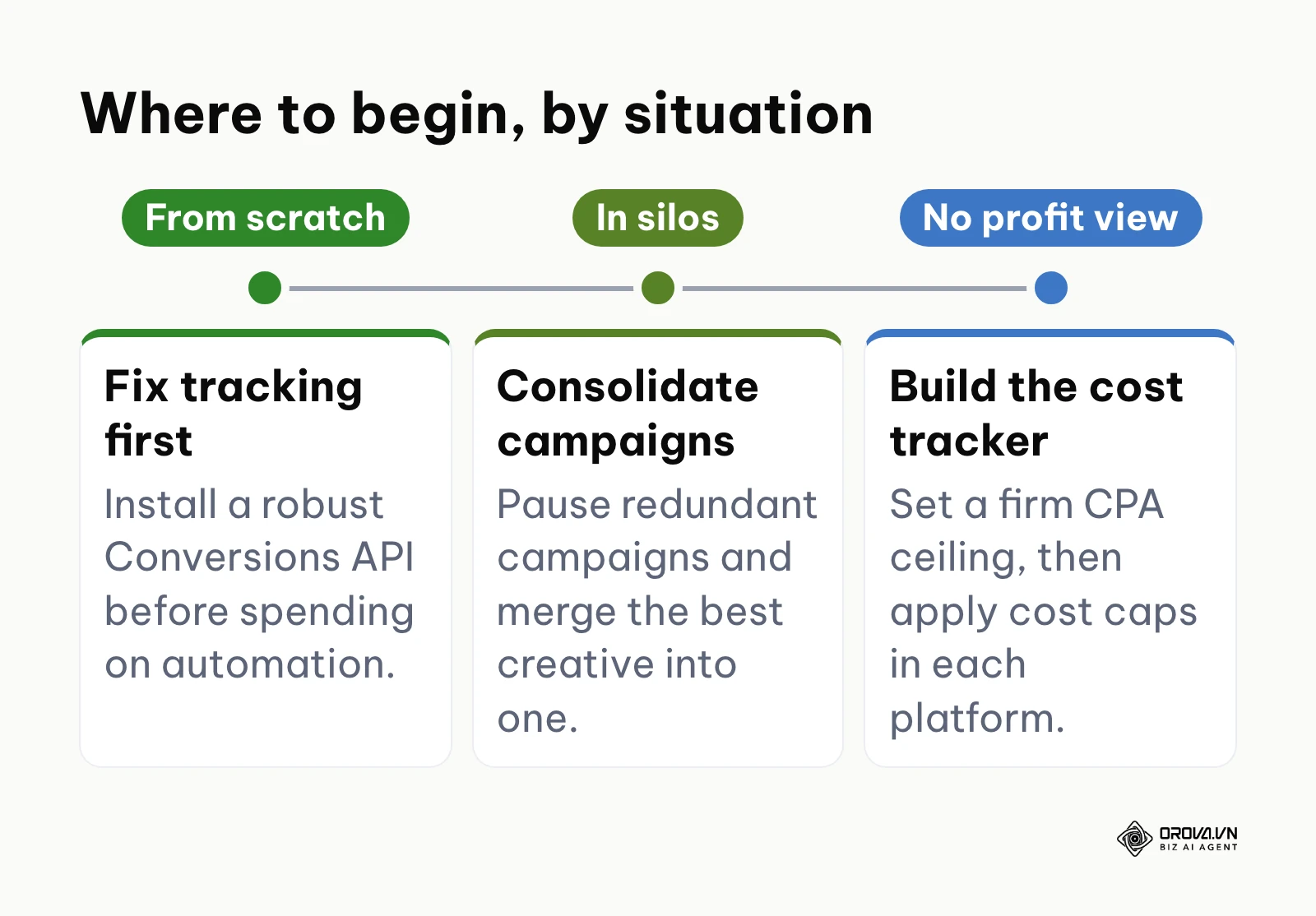
If you are starting from scratch: Your absolute first priority is not launching an ad; it is fixing your tracking. Spend your first week working with a developer to install a robust Conversions API. Do not spend any budget on automated platforms until you are absolutely certain that when a sale happens on your website, the advertising platform receives a perfectly matched, deduplicated signal.
If you have a disjointed setup (using automation but in silos): Your next step is consolidation. If you have five different Advantage+ campaigns running for five similar products, you are forcing your own campaigns to compete against each other in the auction, driving up your own costs. Spend an afternoon pausing the redundant campaigns and consolidating your best creative assets into one single, high-budget, high-liquidity automated campaign to allow the algorithm maximum freedom.
If you are running automated ads but not tracking profitability: You are flying blind. Your immediate task is to build the "Automated Ads Cost Limits & Projected ROI Tracker" mentioned earlier in this guide. Establish a firm CPA ceiling for your products. Once you know your break-even point, you can confidently set cost caps within the platforms, ensuring that the machine learning models work aggressively for your business without ever crossing the line into unprofitable spending.
About the author

Builder of Orova
Nguyễn Đỗ Trọng Ân has 8 years of experience in marketing, including 6 years managing market development across Asia. He builds Orova, a Biz AI Agent that never sleeps: it plans, runs and optimizes work for businesses.
Run your business with AI Agents
Orova is the always-on Biz AI Agent — it plans, runs, and optimizes the work for you.
Save time, unlock productivity.