
Digital PR in 2026: An AI-assisted guide to earning backlinks

Digital PR is the practice of earning media coverage and editorial backlinks by pitching genuinely newsworthy stories, data, and expert commentary to journalists. You may be struggling to get your website noticed despite publishing incredible, deeply researched content. You have tried sending hundreds of generic outreach emails to get backlinks, only to be ignored, marked as spam, or asked for exorbitant placement fees. The traditional way of blindly begging for links is no longer effective in today's crowded inbox. This is where digital PR comes into play. By focusing on creating genuinely newsworthy content and executing strategic, highly personalized media outreach, you can earn high-quality placements that actually move the needle for your business. This comprehensive guide will show you exactly how to execute a data-driven campaign from scratch, bypass the dreaded spam filter, and leverage modern AI tools to scale your efforts efficiently without losing the human touch.
Digital PR explained: What it is and why you need it
Digital PR is a targeted promotional strategy used by marketers to increase a brand's online presence by building relationships with journalists, industry bloggers, and content creators. The primary goal is to earn high-quality backlinks, secure media mentions, and drive referral traffic from authoritative websites. Many SEO practitioners consider it one of the most sustainable ways to get backlinks, because the links are earned editorially rather than bought.
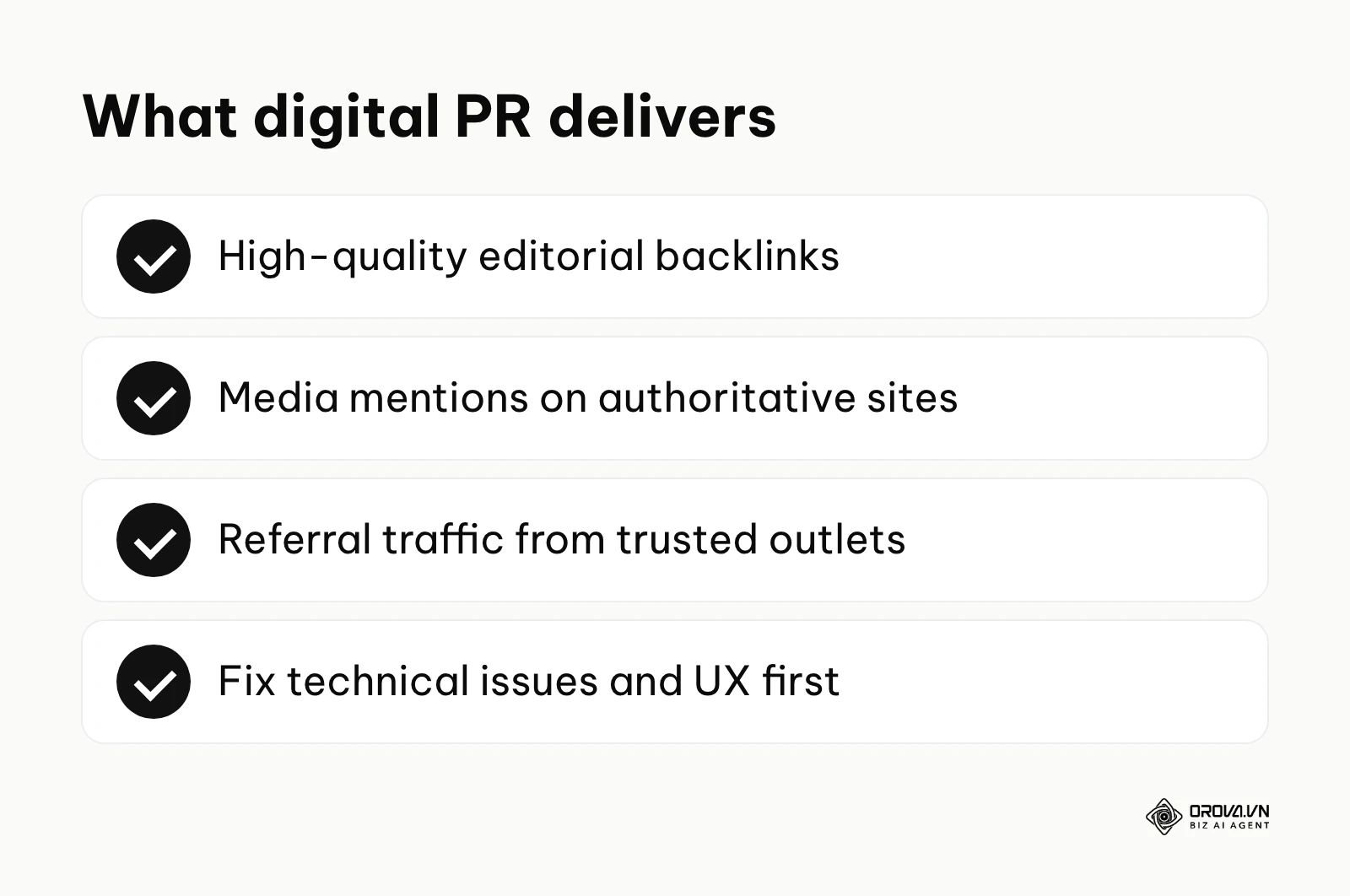
You need to implement this strategy because search engines increasingly rely on off-page signals to determine trustworthiness. When top-tier news outlets link to your website, it signals to algorithms that your brand is a recognized authority in its field. Any growing business, from disruptive tech startups to local service providers, should invest in digital PR to dominate competitive search landscapes.
However, you should not pursue this strategy if your website suffers from severe technical issues, lacks foundational informational content, or offers a poor user experience. Earning a backlink from Forbes will not help your business if the referral traffic immediately bounces due to a slow, confusing website. You must fix your foundation before inviting the press to look at it.
Preparation: What you need before launching a campaign
Before you draft a single email or pitch an idea to a journalist, you must prepare a robust operational foundation. Rushing into outreach without the right tools and assets will guarantee failure and potentially burn bridges with valuable media contacts.
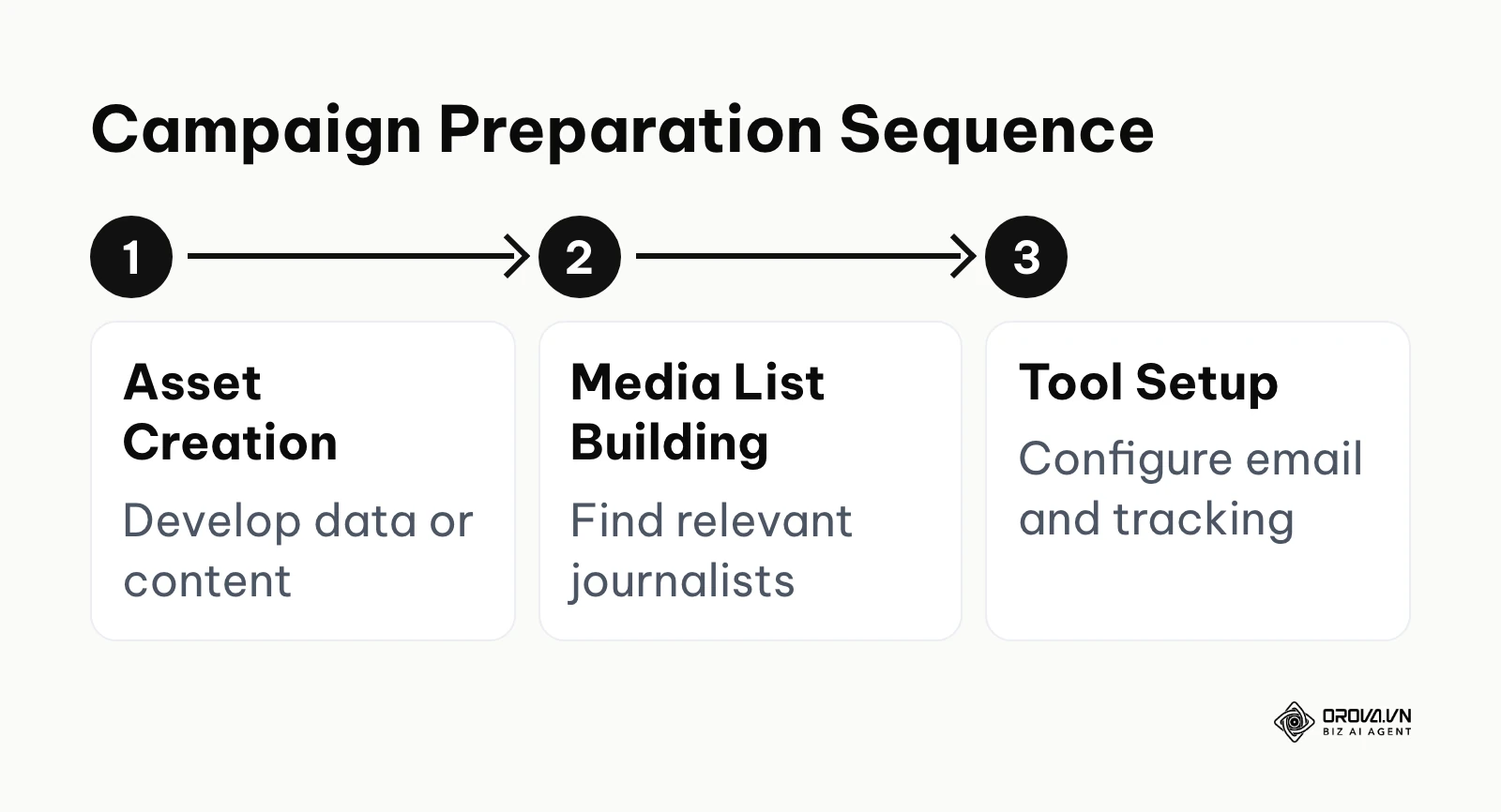
To execute a successful campaign, you need to assemble several core components. The table below outlines exactly what you need, where you can source it, and realistically how long it takes to prepare before launch.
| Core Requirement | Where to get it | Estimated Time to Prepare |
|---|---|---|
| A Newsworthy Asset | Internal company data, public datasets (e.g., Data.gov), or commissioned consumer surveys. | 1 to 3 weeks, depending on data complexity and design needs. |
| Media Database | Tools like Muck Rack, Cision, or manual scraping using advanced Google Search operators. | 3 to 5 days for building a highly customized, targeted list. |
| Outreach Software | Platforms like BuzzStream, Pitchbox, or even standard Gmail with a mail merge extension. | 1 to 2 days for setup, domain authentication, and template creation. |
| Tracking System | Google Sheets for CRM tracking, Google Alerts or Ahrefs for monitoring live brand mentions. | 1 day to format the tracking spreadsheet and set up alert keywords. |
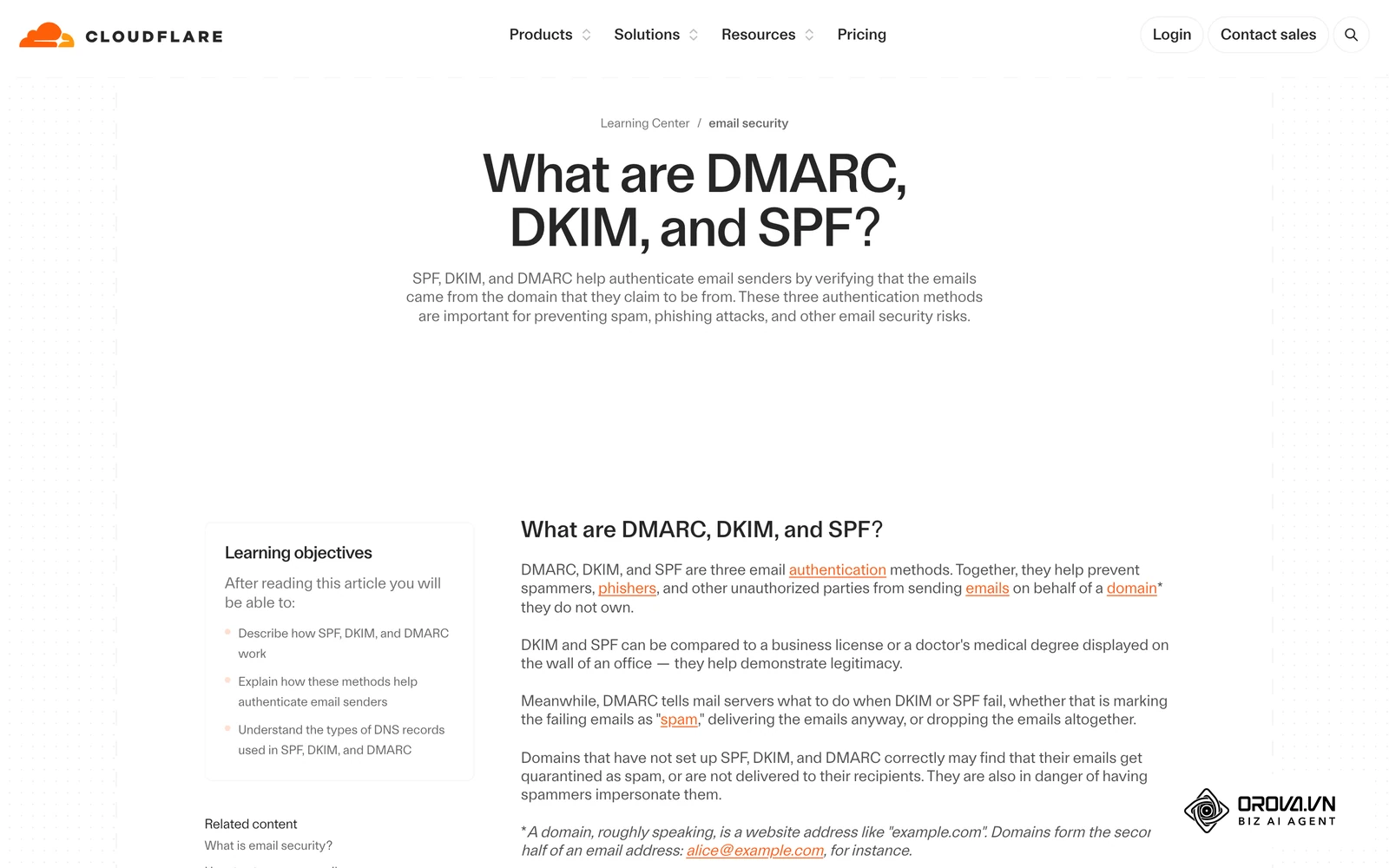
| Professional Inbox | A dedicated, authenticated email address (e.g., pr@yourdomain.com) with properly configured SPF and DKIM records. | A few hours to configure DNS settings and warm up the email address. |
Having these elements fully prepared ensures that when you finally press send, your emails actually reach the journalist's primary inbox, and you have the tracking mechanisms in place to measure your success accurately.
Step-by-step digital PR process: From idea to coverage
Running a digital PR campaign is a systematic process. It requires creativity backed by rigorous organization. If you skip a step, your pitch will likely end up in the trash folder. Follow these steps meticulously to turn a vague idea into high-tier media coverage.
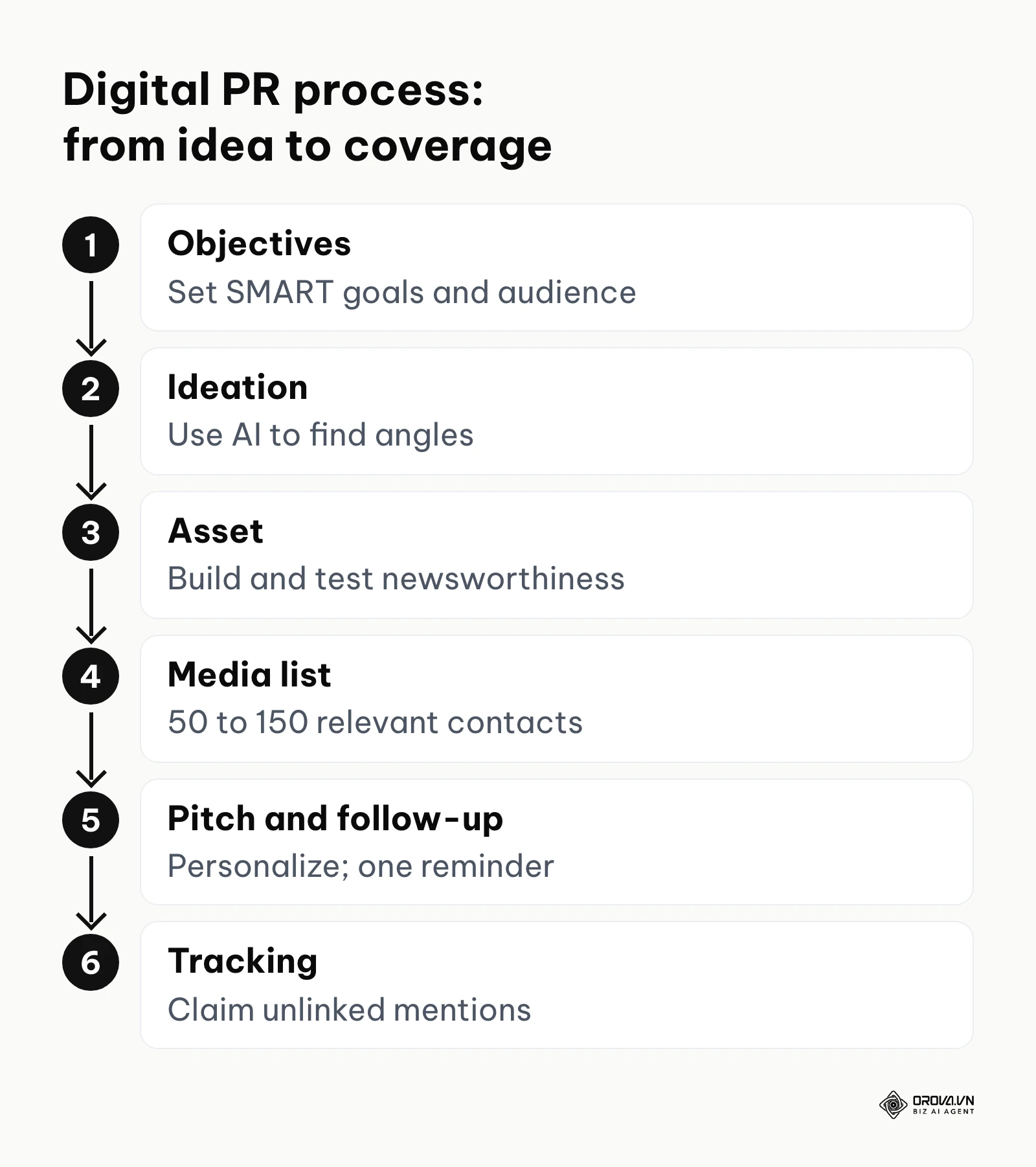
Step 1: Setting objectives and defining your target audience
Every successful campaign begins with a crystal-clear objective. You must decide what you are trying to achieve before you decide what to create. Are you primarily looking to improve the domain authority of your entire website, or are you trying to rank a specific commercial landing page for a highly competitive keyword?
If your goal is broad brand awareness, your target audience will be mainstream news outlets, lifestyle magazines, or national broadcasters. If your goal is to boost the ranking of a niche B2B software page, your target audience will be highly specialized industry trade journals and niche bloggers.
You must write down your SMART goals. A bad goal is "I want more backlinks." A good goal is "I want to earn at least 10 backlinks from websites with a Domain Rating of 60 or higher within the marketing niche by the end of Q3." Once your goals are set, define exactly who the end reader is. Journalists write for their readers; if your campaign does not serve their specific audience, the journalist will not cover it.
Step 2: Ideation and finding the gap with AI
Ideation is where most campaigns fail. Marketers often pitch promotional press releases disguised as news. To stand out, you need unique data, a surprising trend, or a controversial stance. Human brainstorming is often limited by personal bias and narrow industry knowledge. This is where AI becomes your most valuable asset.
You should implement advanced ChatGPT for SEO workflows to streamline your ideation process. Instead of asking AI to "give me ideas," you must prompt it to analyze intersections between your niche and broader cultural trends. AI is useful here because it can quickly surface patterns and connections you might not think of on your own.
Use this specific prompt to brainstorm campaign angles: “You are a cynical, hard-to-please journalist working for [Target Publication]. I work in the [Your Industry] space. Give me 5 data-driven story angles connecting my industry to [Current Trending Topic, e.g., remote work, inflation, AI]. The angles must be surprising, controversial, or highly emotional. Tell me exactly what data I would need to prove each angle.”
Once the AI generates ideas, review them critically. Discard any ideas that are overly promotional. Select the angle that evokes the strongest emotional reaction and requires data that you can actually obtain.
Step 3: Creating linkable assets and testing newsworthiness
Once you have your core idea, you must build the asset. A linkable asset is the physical destination you want journalists to link to. It could be an interactive map, a comprehensive industry report, a calculator, or a beautifully designed infographic.
Illustrative example: A B2B software company (mid-sized enterprise) wanted to get backlinks from national business magazines to boost their domain authority. The marketing team aggregated their anonymized internal user data to show a rising trend in remote work software usage. They created a visually appealing, generalized report and sent out pitch emails. However, journalists completely ignored it because the national data was too broad and had been covered before. The team fixed this by quickly segmenting the data by individual state and city, highlighting local anomalies, and re-pitching it to regional news outlets. As a result, they earned 15 high-authority placements on local business journals, visibly increasing their organic traffic.
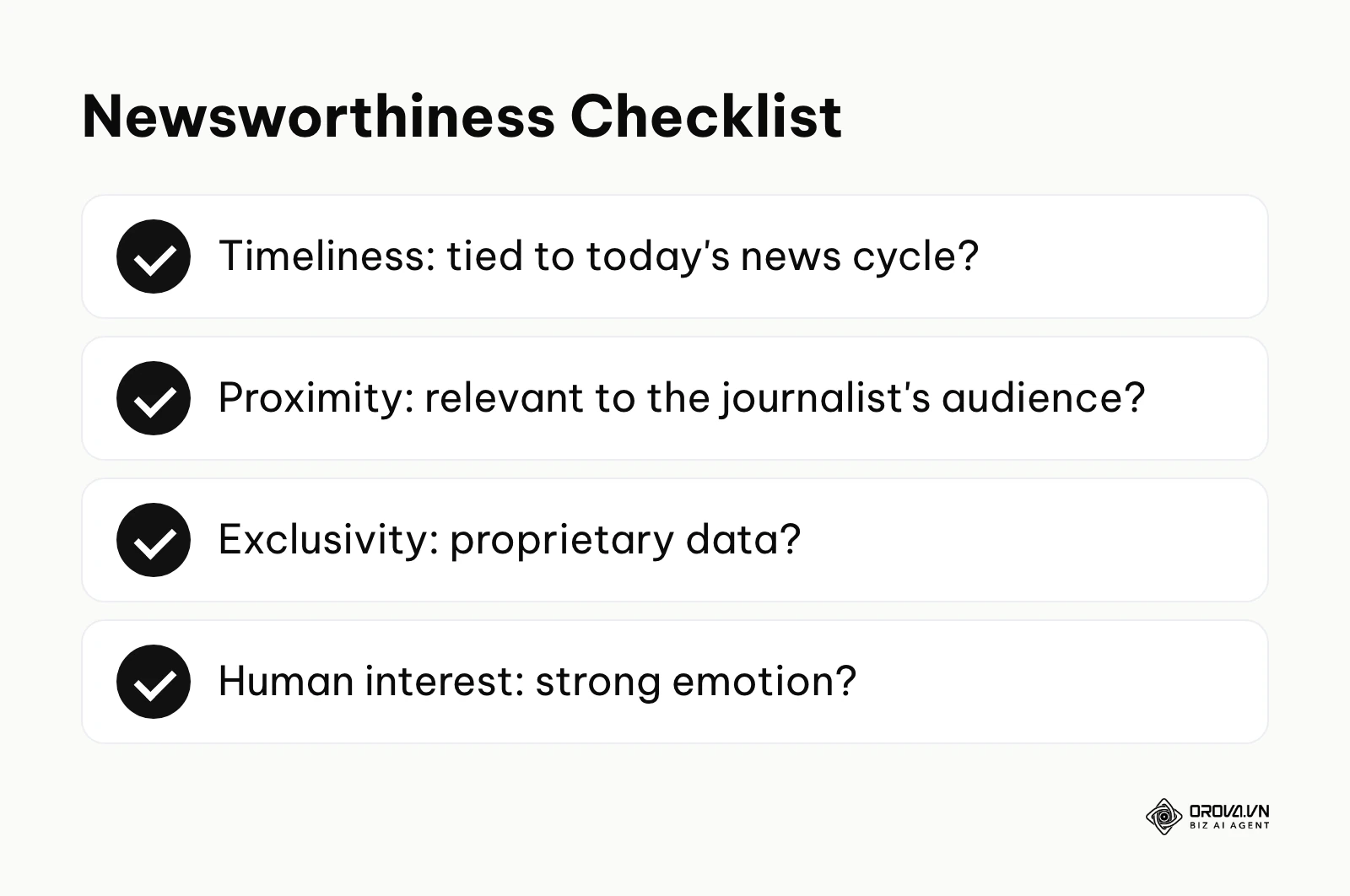
Before you finalize your asset, you must test its newsworthiness. Run it through this strict 10-point checklist:
- Timeliness: Is the topic relevant to today's immediate news cycle?
- Proximity: Does the data directly impact the journalist's specific geographic or niche audience?
- Prominence: Does it involve well-known brands, public figures, or major economic trends?
- Significance: Does the data show a massive shift or affect a large number of people?
- Unusualness: Is there a surprising, counter-intuitive, or shocking element to the findings?
- Human Interest: Does it evoke strong emotion such as joy, anger, fear, or nostalgia?
- Conflict: Does it present two opposing viewpoints or challenge a widely held common belief?
- Exclusivity: Is this data proprietary and entirely unavailable anywhere else on the internet?
- Actionability: Does it actually help the reader make a better decision today?
- Visual Appeal: Can this data be easily translated into a quick infographic or chart for social media?
If your asset does not check at least five of these boxes, you need to go back to the drawing board.
Step 4: Building a highly targeted media list
Do not buy massive, pre-made lists of thousands of generic email addresses. Blasting 5,000 journalists with the same email is a guaranteed way to get your domain blacklisted by major email providers. Instead, you must build a hyper-targeted media list of journalists who have recently written about your exact topic.
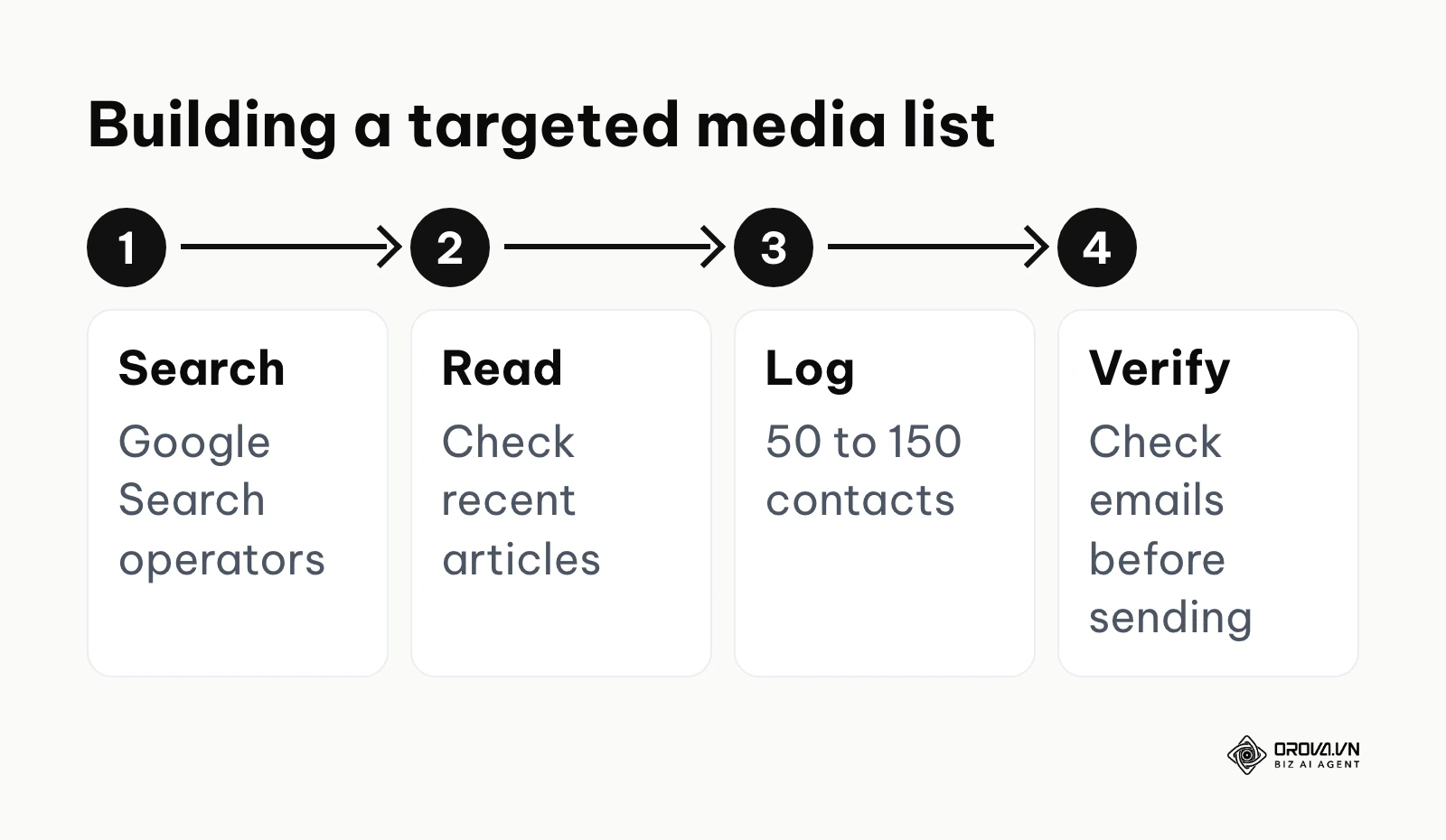
Start by using advanced Google Search operators. For example, search site:nytimes.com "digital marketing" OR "social media trends" -inurl:category to find specific articles and their authors. Read the journalist's recent work to ensure they actually cover data-driven stories, not just opinion pieces.
Log this information into a dedicated spreadsheet. You should aim for a list of 50 to 150 highly relevant contacts, not thousands. Record their name, publication, a link to their recent relevant article, and their email address. Use tools like Hunter.io or VoilaNorbert to find their professional emails. Always verify the email addresses using a tool like NeverBounce before sending; high bounce rates will destroy your email sender reputation.
Step 5: Writing AI-assisted outreach emails (with 5 templates)
The outreach email (the pitch) is your one chance to grab a journalist's attention. Your email must be painfully concise, highly personalized, and immediately valuable. You can use AI to help draft these, but you must heavily edit the output to ensure it sounds human.
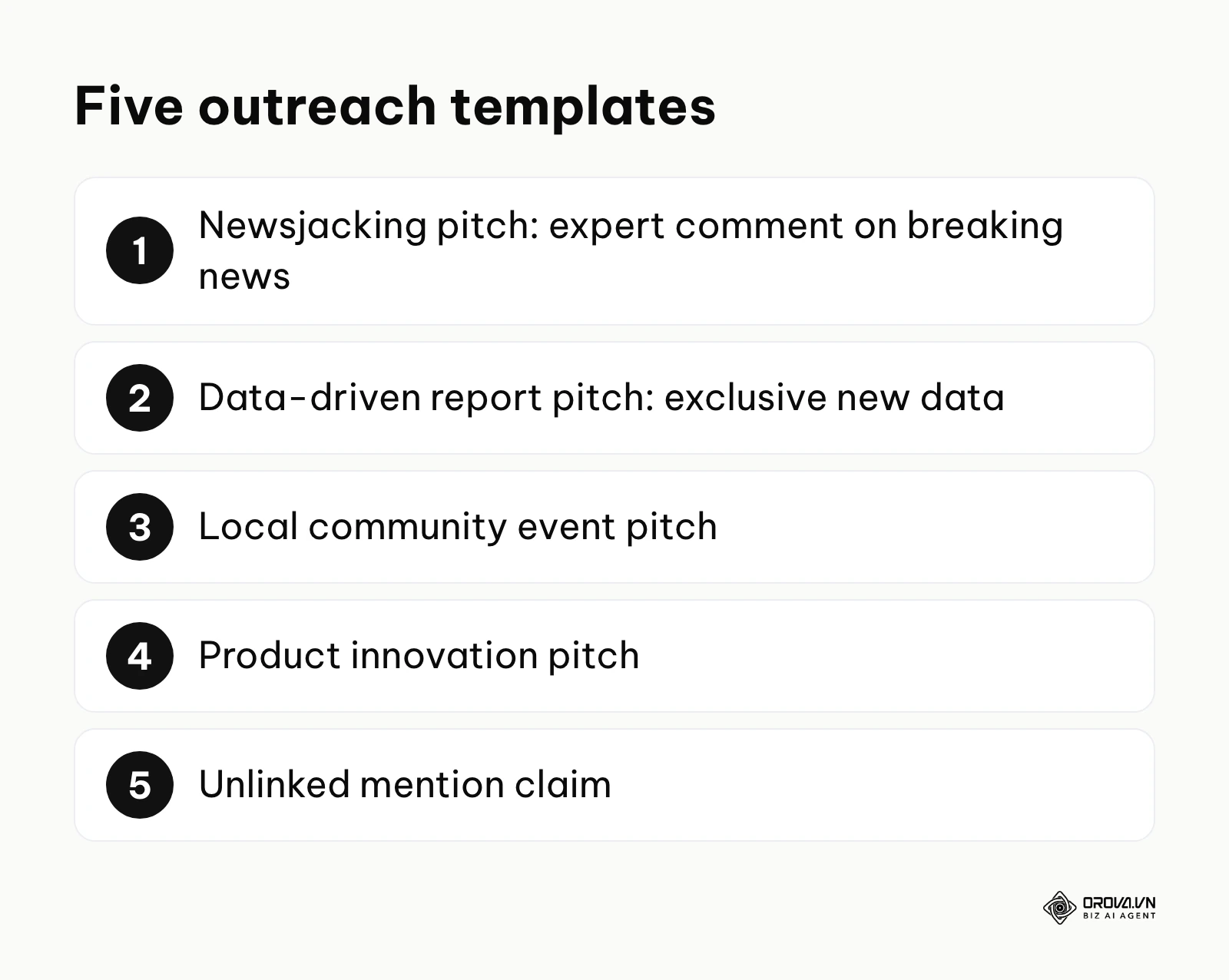
Here are 5 outreach email templates you can adapt.
Template 1: The Newsjacking Pitch (Reactive PR) Use this when breaking news happens in your industry and you can offer expert insight. Subject: Expert comment on [Breaking News Topic] - [Your Unique Stance] Hi [Name], I saw you are covering [Breaking News Topic] today. Most people are focusing on [Common Angle], but the real impact will be on [Your Unique Angle]. As the [Your Title] at [Your Company], I have been monitoring this closely. Here are three quick takeaways for your readers: - [Insight 1] - [Insight 2] - [Insight 3] I am available for a quick call at [Phone Number] if you need further commentary. Let me know if this is helpful. Best, [Your Name]
Template 2: The Data-Driven Report Pitch Use this when you have created a proprietary study or survey. Subject: New data: [Surprising Statistic] regarding [Topic] Hi [Name], I really enjoyed your recent piece on [Their Article Topic]—especially your point about [Specific Detail]. Because you cover [Topic], I wanted to share some exclusive new data we just finalized at [Your Company]. We analyzed [Sample Size] and found a surprising trend: - [Stat 1] - [Stat 2] I have attached a brief summary and a high-res chart you can use. The full methodology and interactive map are here: [Link to Asset]. Would this be of interest to your audience? Best, [Your Name]
Template 3: The Local Community Event Pitch Use this for micro-local digital PR to get regional newspaper links. Subject: Local event: [Event Name] for [Specific Local Audience] Hi [Name], Since you cover community news for [City/Region], I wanted to let you know about an upcoming initiative that benefits local [Target Group, e.g., healthcare workers]. On [Date], [Your Company] is hosting [Event Description]. We are doing this because [Reason/Emotional Hook]. We would love for you to attend, or I can send over some photos and quotes from the attendees afterward. Here is the full press kit: [Link] Best, [Your Name]
Template 4: The Product Feature / Innovation Pitch Use this only if your product truly solves a massive industry problem in a new way. Subject: A new solution to [Massive Industry Problem] Hi [Name], I know you frequently write about the challenges of [Industry Problem], most recently in your article about [Their Article]. Our team at [Your Company] just released a new tool that tackles this exact issue by [Briefly explain the unique mechanism]. Unlike [Competitor], it specifically helps users achieve [Specific Result]. I have put together a quick, 30-second unlisted demo video for you here: [Link]. If you are planning a roundup of new tools in this space, I would be happy to provide a free access account for your review. Best, [Your Name]
Template 5: The Unlinked Mention Claim Use this when a publication mentions your brand but forgets to add the backlink. Subject: Quick question regarding your article on [Topic] Hi [Name], Thanks so much for mentioning [Your Company] in your excellent guide on [Topic]! I am reaching out to see if it might be possible to add a quick link to our homepage [or specific asset] where we were mentioned? It would really help your readers find our resources more easily. Best, [Your Name]
Step 6: Distribution and personalized follow-up
Timing matters immensely in digital PR. Do not send pitches on Monday mornings when inboxes are overflowing, or on Friday afternoons when journalists are logging off. The optimal time to pitch is typically Tuesday, Wednesday, or Thursday between 8:00 AM and 10:00 AM in the journalist's local time zone.
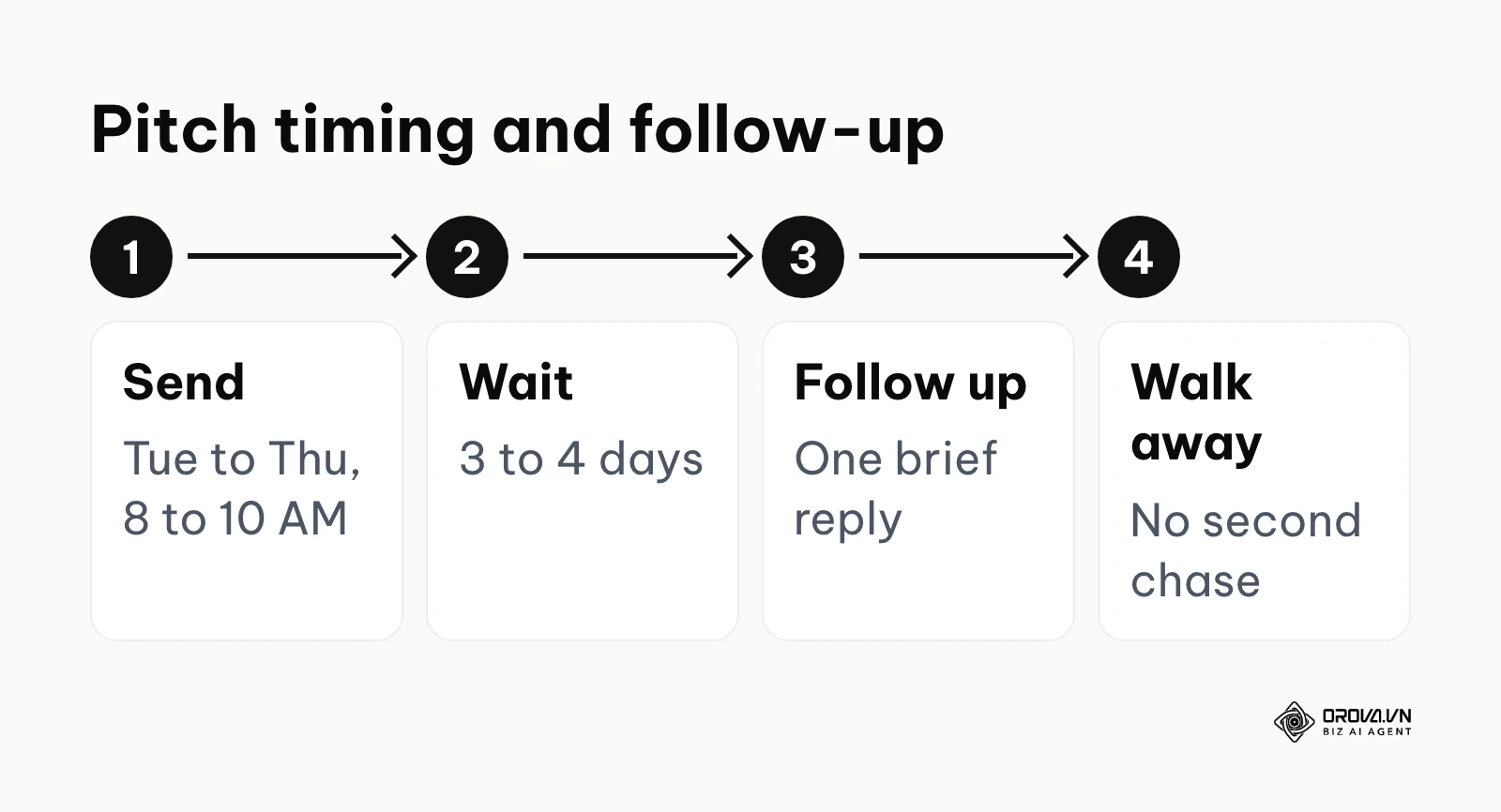
Send your emails individually or use a tool that sends them one by one with randomized delays to mimic human behavior. Avoid standard newsletter software like Mailchimp for PR outreach, as bulk-style emails are more likely to land in the Promotions tab or a spam folder.
The follow-up is where the magic happens. Many journalists will read your first email, intend to reply, and simply forget. Wait exactly three to four days, and send a single, brief follow-up email. Do not guilt-trip them. Simply reply to your original thread with: "Hi [Name], just floating this to the top of your inbox in case you missed it. I also noticed [One new piece of highly relevant data]. Let me know if you need anything else." If they do not reply to the follow-up, walk away. Do not harass them.
Step 7: Tracking coverage and claiming unlinked mentions
After distribution, you must monitor the web to see who picked up your story. Set up Google Alerts for your brand name, the specific name of your campaign, and unique data points from your study. Use advanced SEO tools to monitor new referring domains pointing to your website.
Often, a journalist will write about your data and mention your brand name, but they will forget to actually insert the hyperlink. This is called an unlinked brand mention. This is the lowest-hanging fruit in digital PR. When you spot one, immediately find the author's contact information and use Template 5 from the section above. Because you have already provided them value, the conversion rate on these requests is exceptionally high.
Discover Orova.vn – a Biz AI Agent platform with OROVA SEO, a complete solution for every website. The system supports search engine optimization from A to Z with features including keyword research, writing new SEO-ready articles, optimizing existing content, rank tracking, plus competitor analysis and in-depth technical analysis. Sign up today to experience OROVA SEO completely free (offer valid through July 7, 2027).
In-depth analysis: Methods, trade-offs, and backlink value
Not all link acquisition strategies are created equal. Marketers often confuse digital PR with traditional PR or standard link building. Understanding the nuances and trade-offs of each method is crucial for allocating your budget effectively.
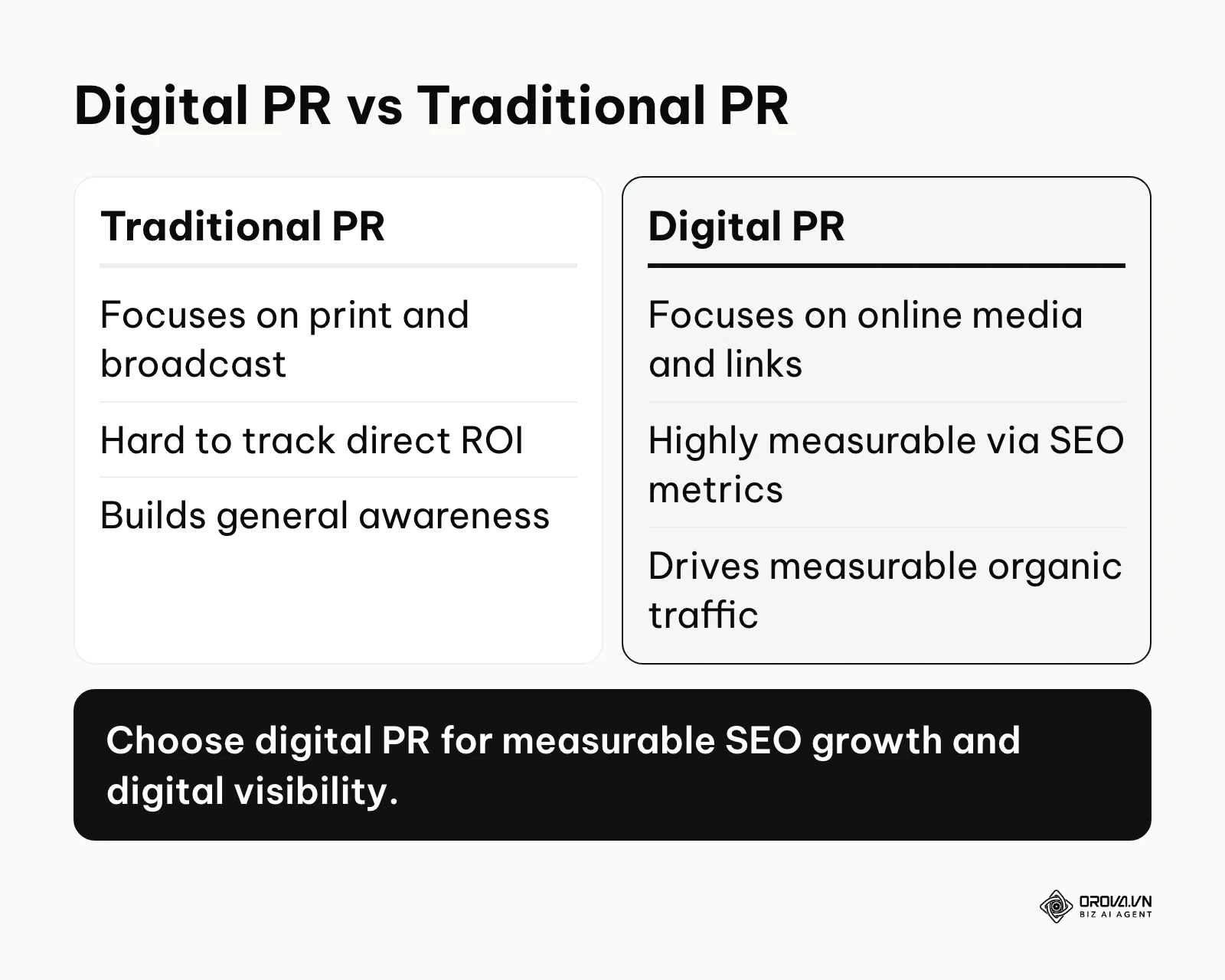
The table below breaks down the three primary methods, when you should use them, and their inherent weaknesses.
| Method | When to use it | Major Weaknesses |
|---|---|---|
| Traditional PR | Best for crisis management, physical product launches, and building general, offline brand awareness via TV or print. | Nearly impossible to track direct ROI. Rarely results in clickable, SEO-friendly backlinks. |
| Standard Link Building | Best for targeting highly specific commercial keywords via guest posts, resource page outreach, or broken link outreach. | Can appear manipulative to search engines when done at scale. Links often come from low-traffic, obscure blogs rather than trusted news sites. |
| Digital PR | Best for earning highly authoritative links from mainstream media, building massive domain authority, and driving referral traffic. | High barrier to entry. Requires significant time investment to create genuinely newsworthy data assets. Placements are never guaranteed. |
One of the biggest misconceptions is that digital PR is only for massive enterprise brands with huge budgets. This is entirely false. Micro-local businesses with zero marketing budget can execute incredibly successful digital PR campaigns by focusing intensely on their immediate community.
Illustrative example: An independent coffee shop (a micro-local business) with zero marketing budget wanted to improve local search visibility and get backlinks to outrank chain competitors. The owner manually searched X (formerly Twitter) for local journalists who covered neighborhood food scenes and community events. They decided to host a free coffee tasting event exclusively for local healthcare workers and pitched the heartwarming story. Initially, they struggled to find direct email addresses, causing launch delays. They resolved this by engaging thoughtfully with the journalists' recent articles on social media first, building rapport before sending direct messages. As a result, two local newspapers attended and covered the event, providing highly relevant local press backlinks and driving visible, immediate foot traffic to the store.
When executing these campaigns, you must understand how to evaluate the true SEO value of the backlinks you earn. Not every link from a news site carries the same weight. To judge how many strong links a target page actually needs, evaluate keyword difficulty accurately first, and look beyond simple vanity metrics.
A high-value press backlink has three distinct characteristics. First, it comes from a referring domain with strict editorial standards and massive organic traffic. Second, the link is placed contextually within the body of the article, surrounded by relevant semantic text, rather than shoved into a sidebar or author bio. Third, it provides a "dofollow" attribute, meaning it actively passes PageRank to your site. Even if a major news outlet gives you a "nofollow" link, the coverage still matters: Google's Search Quality Rater Guidelines ask raters to research what independent sources say about a website's reputation when assessing trust. Therefore, even unlinked mentions or nofollow links from major publications carry real indirect value for your overall search presence.
Measuring digital PR results and ROI
Digital PR is notoriously difficult to measure if you are looking for immediate, next-day sales. Unlike pay-per-click advertising, where a dollar spent yields an immediate click, digital PR is a long-term investment in your brand's digital infrastructure. You must set correct expectations regarding the lag time of SEO impact.
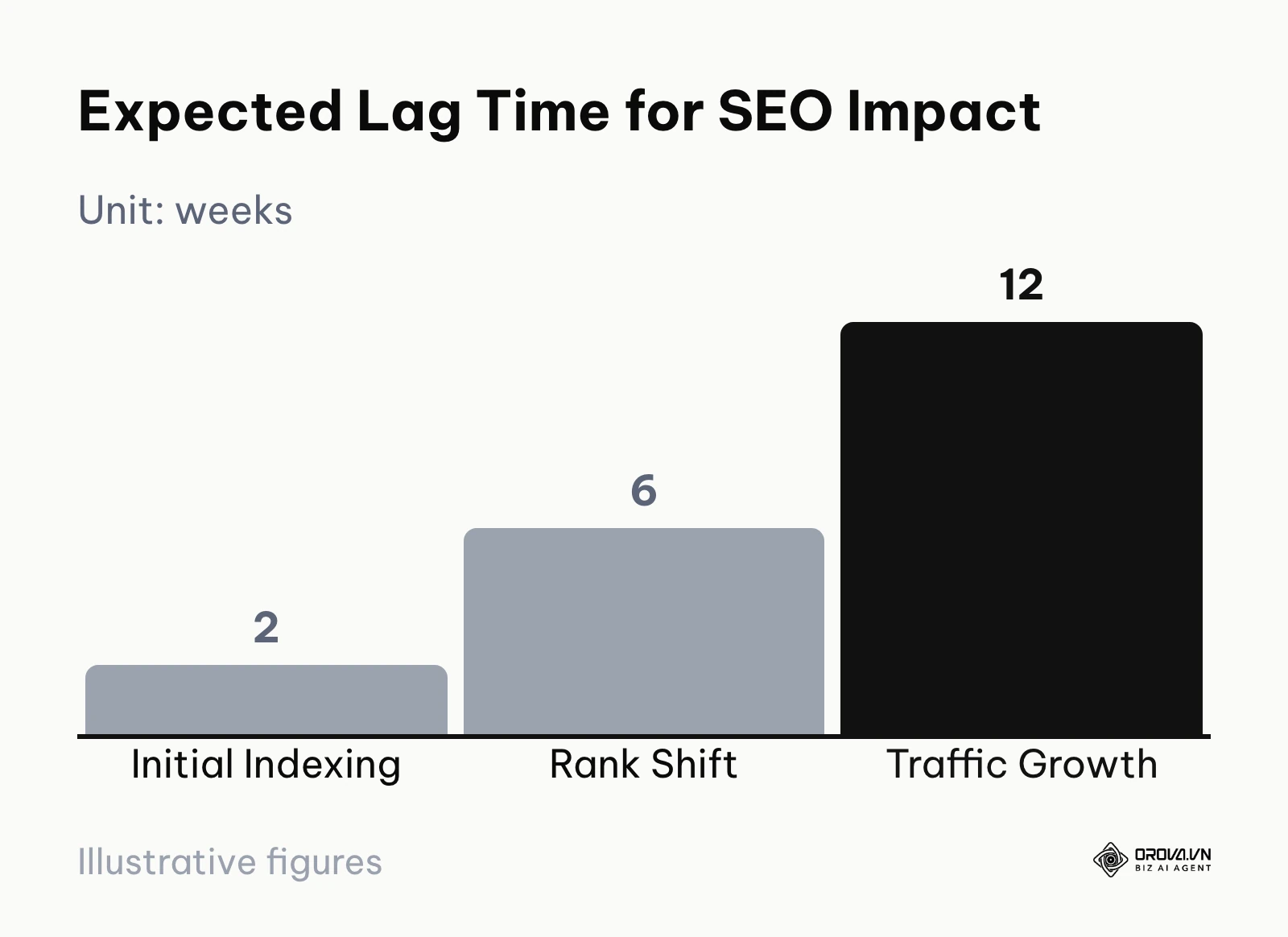
When a journalist publishes an article linking to your site, search engine crawlers must first discover that new page, index it, and recalculate the complex web of PageRank flowing across the internet. It typically takes two to four weeks for the link to be fully registered by search algorithms. You may not see a noticeable shift in your target keyword rankings for six to eight weeks. Significant, compounding organic traffic growth often takes three to six months to fully materialize. Patience is mandatory.
To properly measure success and justify the budget, you need a robust framework. Building a clear SEO ROI formula is critical for communicating value to stakeholders. You must track both primary PR metrics and secondary SEO metrics.
The table below outlines the core metrics you should monitor, what they mean, and warning thresholds that suggest a failing campaign. Treat these thresholds as practical rules of thumb, not published industry benchmarks.
| Metric | What it means | Warning Threshold |
|---|---|---|
| Email Open Rate | The percentage of journalists who opened your pitch. | Below 20%. Indicates your subject lines are boring or you are hitting spam folders. |
| Reply Rate | The percentage of journalists who responded (even a 'no'). | Below 3%. Indicates your pitch is not newsworthy or you targeted the wrong beat. |
| Placement Rate | The number of live articles published compared to emails sent. | Below 1%. Indicates a severe mismatch between your asset and media interest. |
| Domain Authority (DA/DR) | The authoritative strength of the websites linking to you. | Links mostly coming from sites with DA under 30. You need higher-tier targets. |
| Referral Traffic | Direct visitors clicking through the press links to your site. | High bounce rate (over 85%). Means your landing page does not match user intent. |
To operationalize this, you should build a customized Google Sheet specifically for ROI measurement. Your spreadsheet should include the following columns to track the lifecycle of every campaign: Campaign Name, Launch Date, Total Pitches Sent, Open Rate, Positive Replies, Live Placements Secured, Average DA of Placements, Referral Traffic (30 Days Post-Launch), Estimated Cost of Content Production, Total Hours Spent Pitching, and finally, Cost Per Placement.
By dividing your total campaign cost (time plus materials) by the number of high-quality placements secured, you generate a clear "Cost Per Link" metric. You can then compare this cost against what you would have spent acquiring that same traffic via Google Ads, providing a definitive, dollar-value ROI for your digital PR efforts.
With OROVA.VN and the OROVA SEO module, you put an end to the exhausting days of manual work for good. Instead of struggling for hours to write articles and compile reports, the entire process is now optimized and completed in just 5 minutes.
Common mistakes and failed case studies
Even with perfect templates and great data, campaigns can fail spectacularly. The margin for error in media outreach is incredibly thin. Understanding where others have stumbled is the best way to protect your brand reputation and ensure your campaigns succeed.
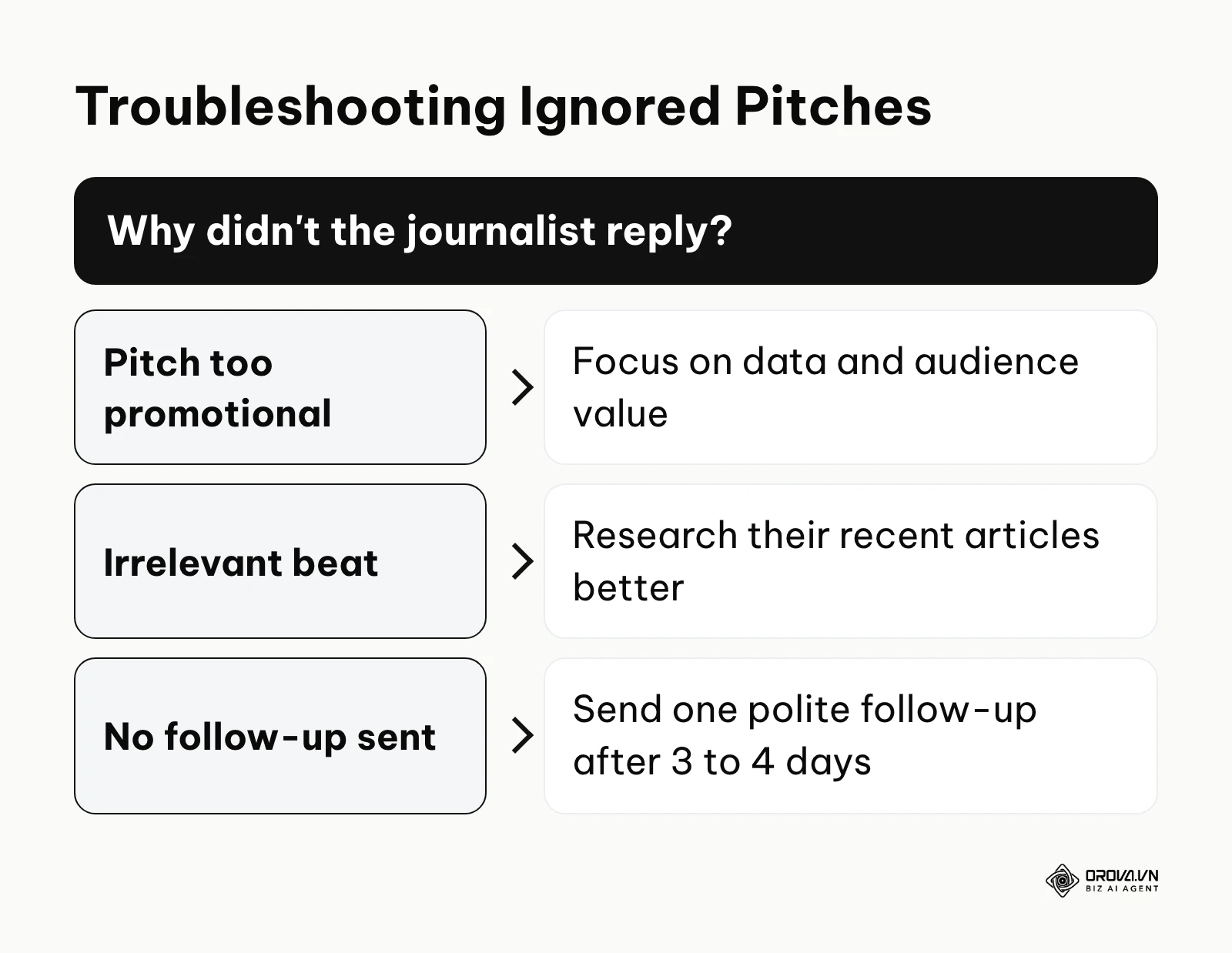
Here are the most common mistakes marketers make, the severe consequences they cause, and exactly how to fix them:
- Pitching the product, not the story: Journalists do not care about your new software update. If you pitch a promotional press release, you will be ignored. Fix: Always lead with exclusive data, a surprising trend, or a unique expert opinion. Hide the product behind the story.
- Ignoring the journalist's specific beat: Pitching a tech reporter about a new line of organic dog food shows you did zero research. Fix: Read the last five articles written by the journalist before you ever add them to your media list.
- Sending massive, unpersonalized blasts: Using mail merge to send 1,000 identical emails starting with "Dear Blogger" will destroy your email sender reputation. Fix: Keep lists small (under 100 targets). Personalize the first sentence of every single email to reference their specific recent work.
- Failing to attach the data or linking incorrectly: Forcing a journalist to reply to you just to ask for the data adds friction. They will just move on to the next pitch. Fix: Always include a clear, accessible link to a Google Drive folder containing high-resolution charts, the raw data methodology, and a concise press summary.
- Giving up after one ignored email: The inbox is chaotic. If you do not follow up, you leave many potential placements on the table. Fix: Always schedule one polite follow-up email three to four days after the initial pitch.
- Not optimizing the asset page for conversions: If you earn a great link but the landing page has no clear call-to-action, you waste the referral traffic. Fix: Ensure the page housing your data includes contextual internal links to your money pages and a soft lead-capture mechanism.
Let's look at an illustrative failure to see these concepts in action.
Illustrative example: An e-commerce store selling premium pet supplies needed to build website authority in a highly competitive niche. The SEO manager tried taking a shortcut by sending generic, unpersonalized outreach emails to a scraped list of 500 pet bloggers, asking for links to their product category pages. They received zero positive replies and were aggressively flagged as spam by several major email providers, temporarily crippling their domain's ability to send normal business emails. They paused the campaign, cleaned their domain reputation, and completely changed their approach. They targeted just 20 high-tier journalists with highly personalized emails that referenced the journalists' recent articles. Instead of pitching products, they offered an exclusive interview with a renowned local veterinarian regarding a recent pet health trend. As a result, they secured 4 premium links from highly authoritative pet care magazines, which visibly pushed their main commercial pages higher in organic search results.
Trends in digital PR over the next few years: Author's perspective
The landscape of search and media is evolving rapidly. Tactics that worked flawlessly in 2023 are already showing signs of fatigue. Based on my observations of the industry (as of 2026), here is where I believe digital PR is heading and how you must prepare.
AI will force hyper-personalization at scale
Right now, we are seeing inboxes flooded with mediocre, AI-generated pitches. Because anyone can use ChatGPT to write a passable email, the sheer volume of noise has skyrocketed. I believe that over the next two to three years, journalists will employ aggressive AI filters to automatically trash generic pitches. To survive, you must use AI not to write the whole email, but to deeply analyze a journalist's past work and suggest highly specific, micro-personalized connection points. You should start training your team now to use AI as an advanced research assistant rather than just a copywriting tool.
The shift from links to semantic entity building
We are currently seeing search engines moving towards deep semantic understanding, meaning you must understand entity SEO concepts and build topical authority around the subjects you want to own. I believe that in the near future, the actual hyperlink will become less critical than the contextual mention of your brand alongside specific industry topics. Search algorithms will map relationships between your brand name and industry expertise based purely on co-occurrence in top-tier publications. You should start optimizing your campaigns to ensure your brand is naturally associated with core industry concepts in the text, even if the publication refuses to provide a clickable dofollow link.
Interactive, living data will replace static infographics
Currently, static PDF reports and basic infographic images are still widely pitched. However, journalists are increasingly demanding dynamic elements they can embed directly into their articles to increase time-on-page for their own readers. I lean towards the prediction that static assets will soon be ignored entirely in favor of living dashboards, interactive calculators, and real-time data feeds. You should begin allocating budget toward lightweight web development to create interactive PR assets rather than relying solely on graphic designers. Note that this prediction could be delayed if major publishing CMS platforms fail to standardize secure embed protocols.
Frequently asked questions about digital PR
What is the difference between digital PR and traditional link building? Traditional link building usually relies on guest posts, resource page outreach, or broken link outreach on niche blogs, and it often focuses on quantity and exact-match anchor text. Paying for links or using private blog networks violates Google's spam policies, so neither belongs in a sustainable strategy. Digital PR focuses on earning links naturally from mainstream news sites, highly authoritative magazines, and top-tier industry publications by providing genuinely newsworthy data or expert commentary. Digital PR builds both massive SEO authority and real brand trust.
How much budget do I need to start a digital PR campaign? You do not need a massive enterprise budget to start. While large agencies charge tens of thousands of dollars for complex data campaigns, small businesses can start for essentially free by leveraging "newsjacking" (offering expert commentary on breaking news) or utilizing internal company data. Your primary investment in the beginning will be time: time spent researching journalists, crafting personalized pitches, and building relationships.
Can I rely entirely on AI to create my PR campaigns? No. While AI is an incredible tool for brainstorming angles, organizing media lists, and drafting the initial structure of your pitches, it cannot generate proprietary data or build genuine human relationships. Journalists can easily spot 100% AI-generated emails and will immediately delete them. AI should augment your workflow, speeding up the tedious parts so you can focus on building the human connection that actually secures the placement.
What happens if a major publication mentions my brand but refuses to link? Do not panic. While a clickable dofollow link is the ultimate prize, an unlinked brand mention on a highly authoritative site like Forbes or The New York Times still carries massive value. Search engines use these mentions to establish your brand as a recognized entity within your niche, which positively impacts your E-E-A-T signals. You can always send a polite follow-up asking for the link, but if they refuse due to editorial policy, the mention itself is still a major win.
How many pitches should I send out for a single campaign? Quality drastically outperforms quantity. Sending 1,000 generic pitches will likely yield zero results and harm your domain reputation. A highly successful campaign might only involve sending 50 to 100 meticulously personalized emails to a heavily vetted media list. Focus on finding the exact right journalist for your specific story, rather than playing a numbers game with the entire internet.
Where to start?
If you are looking at this comprehensive process and feeling overwhelmed, do not try to build a massive, data-driven interactive campaign on day one. The best place to start depends entirely on your current resources, team size, and available assets.
If you have zero budget and no proprietary data: Do not attempt a massive data study. Your first step should be to set up Google Alerts for breaking news keywords in your specific industry. Dedicate just 30 minutes every morning to scanning the news. When a major story breaks that impacts your niche, immediately use the "Newsjacking Pitch" template to offer a unique, contrarian, or highly expert opinion to journalists who are currently covering the story. This requires zero financial investment, just rapid reaction time and true industry expertise.
If you have internal customer data but no PR experience: Your first step is an internal data audit. Schedule a one-hour meeting with your sales or customer success team. Look for surprising trends in how your customers are using your product, or demographic shifts in your user base over the last year. Find one counter-intuitive statistic, anonymize it, and write a simple, compelling 500-word blog post explaining why this trend is happening. You now have your first linkable asset ready to pitch to industry-specific blogs.
If you have a marketing budget and need to scale quickly: Do not immediately start pitching. Your first step must be to invest in building a pristine, highly targeted media database. Spend your first week identifying the top 50 journalists who have written about your direct competitors in the last six months. Follow them on social media, engage with their work, and build a localized, highly accurate spreadsheet of contacts. A perfect asset will fail if you do not have the right list, so build the list before you build the campaign.
About the author

Builder of Orova
Nguyễn Đỗ Trọng Ân has 8 years of experience in marketing, including 6 years managing market development across Asia. He builds Orova, a Biz AI Agent that never sleeps: it plans, runs and optimizes work for businesses.
Run your business with AI Agents
Orova is the always-on Biz AI Agent — it plans, runs, and optimizes the work for you.
Save time, unlock productivity.