
What is performance marketing? A data-driven guide to measurable ROI

Struggling to justify your ad spend to the board? Many marketing teams pour thousands of dollars into campaigns, hoping for a spike in sales, only to end up presenting vanity metrics like impressions, reach, or clicks that simply do not pay the bills. The traditional approach of buying digital billboard space and praying for conversions does not work when budgets are tight and executives demand accountability.
Performance marketing changes this dynamic entirely by ensuring you only open your wallet when a specific, highly valuable action occurs. This strategy removes the guesswork from advertising, shifting the focus from brand awareness to concrete financial returns.
This comprehensive guide breaks down exactly how to build a robust, data-driven strategy that guarantees accountability for every dollar spent. By the end of this article, you will have a clear, actionable roadmap to launch, measure, and optimize campaigns that directly impact your bottom line, complete with practical frameworks and diagnostic checklists.
What is performance marketing?
Performance marketing is a comprehensive advertising strategy where brands pay marketing platforms or agencies only when a specific, measurable business outcome is achieved. These predefined outcomes typically include generated leads, completed sales, app installations, or verified clicks, ensuring that marketing budgets are directly tied to tangible revenue generation.
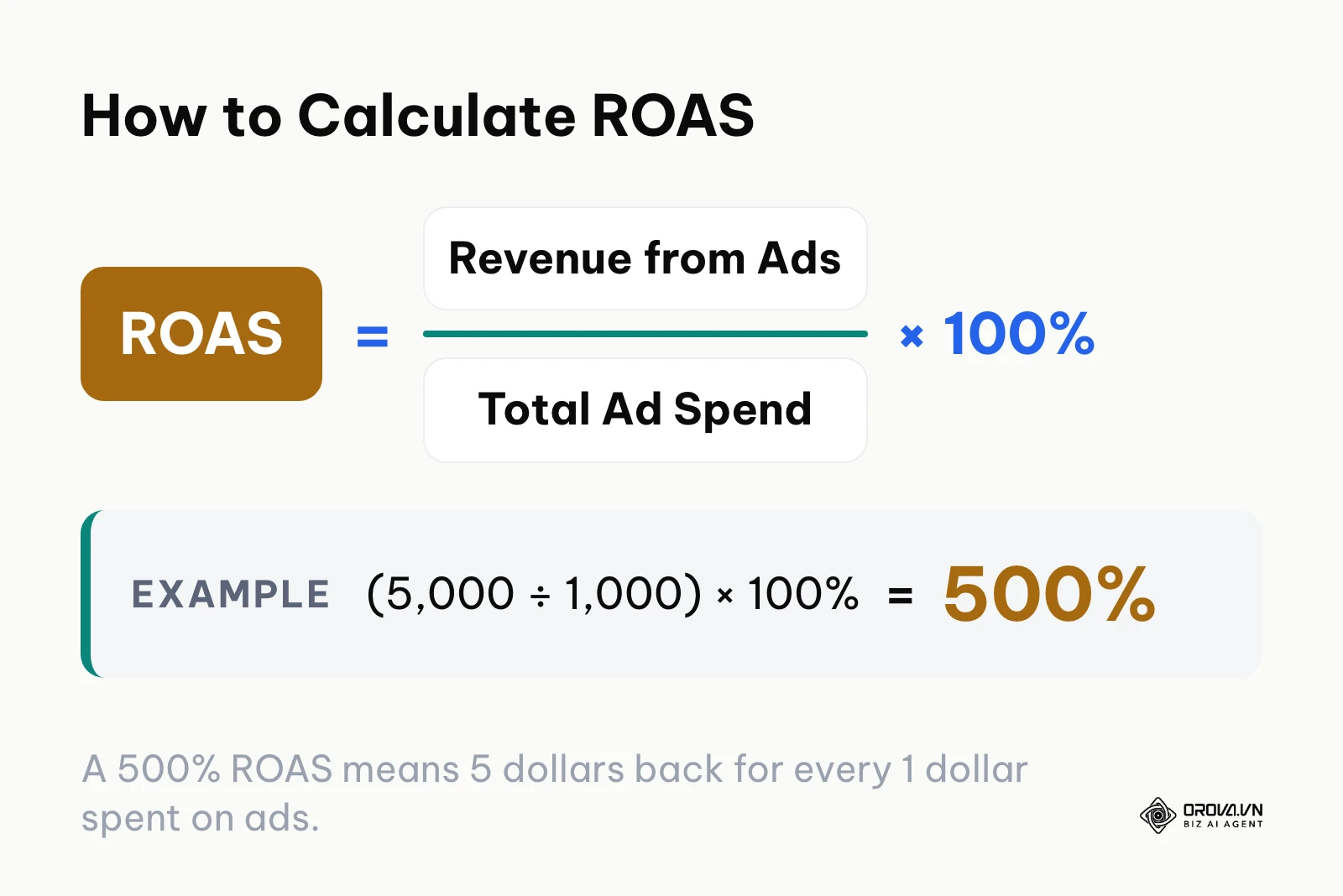
The yardstick most teams use is return on ad spend (ROAS): revenue from ads divided by total ad spend. If 1,000 dollars in spend brings in 5,000 dollars in revenue, ROAS is 500%, or 5 dollars back for every 1 dollars. Our guide to the ROAS formula walks through the calculation in more detail.
The origins of this model trace back to the early 2000s, gaining massive traction with the rise of affiliate networks and Google AdWords (now Google Ads). These platforms introduced the cost-per-click (CPC) and cost-per-acquisition (CPA) models, fundamentally shifting the financial risk from the advertiser to the publisher or the ad platform itself.
To clarify the boundaries, here is how it differs from commonly confused concepts:
| Concept | How it differs | Real-world example |
|---|---|---|
| Performance Marketing | Driven entirely by measurable actions and ROI; optimization happens in real-time. | Running a Meta ad where you pay 20 dollars specifically to acquire one software trial signup. |
| Brand Marketing | Driven by perception, awareness, and long-term sentiment; difficult to measure immediately. | Sponsoring a major sports event to ensure your logo is seen by millions of viewers. |
| Traditional Marketing | Driven by upfront fixed costs regardless of the outcome or audience engagement. | Paying 5,000 dollars for a magazine spread, hoping it drives foot traffic to a retail store. |
Think of it like hiring a salesperson. Instead of paying them a fixed monthly salary regardless of their results (traditional marketing), you agree to pay them a strict 50 dollars commission only when they place a signed contract on your desk.
Meaning and Role
Performance marketing exists to solve a fundamental business problem: the need for scalable, predictable revenue generation without the risk of catastrophic budget loss. For business owners and executives, it provides the mathematical certainty required to grow. When you know exactly how much it costs to acquire a customer, advertising ceases to be an expense and becomes an investment engine.
In the broader marketing ecosystem, this strategy sits at the very bottom of the funnel. Brand marketing creates the initial desire and awareness (the top of the funnel), content marketing builds trust and educates the prospect (the middle), and performance campaigns capture that existing intent, pushing the user to make a final transaction.
If a company completely ignores this data-driven approach, they lose the ability to scale predictably. They will continually guess which initiatives are driving revenue, leading to wasted resources on campaigns that look aesthetically pleasing but fail to convert. More dangerously, they cede ground to competitors who are meticulously buying up market share using optimized bidding algorithms.
When should you avoid this approach? Performance marketing is highly ineffective when your product is completely new to the market and requires extensive category education before anyone will search for it. It is also a poor choice if your website has severe technical issues or a broken checkout process; driving paid traffic to a broken site simply wastes money faster. Finally, if your profit margins are razor-thin and customer lifetime value is exceptionally low, the cost of acquiring a customer through paid channels will likely exceed the revenue they generate, making the strategy unsustainable.
Value and Benefits
To fully grasp the impact of this approach, we must separate the high-level business advantages from the tactical benefits experienced by the practitioners running the campaigns.
Value for the Business
For the organization, the primary value lies in risk mitigation and financial predictability. Because you are tracking every interaction, you can identify exactly which campaigns are yielding a positive Return on Investment (ROI) and which are burning cash.
Illustrative example:
- Context: A mid-sized SaaS company was spending 10,000 dollars a month on generalized internet display ads, hoping to increase software subscriptions, but could not attribute a single sale to the spend.
- Steps: The executive team mandated a shift to a performance model. They implemented proper tracking pixels, defined a target cost per acquisition of 150 dollars, and reallocated the budget strictly to search intent campaigns.
- Hurdle and fix: Initially, the campaigns failed to spend the budget because the targeting was too narrow. They fixed this by feeding offline CRM data back into the algorithm to help it find broader, yet still qualified, audiences.
- Visible result: The executive dashboard now displays a clear, undeniable metric: for every 1 dollar spent, the company generates 3.50 dollars in recurring revenue, allowing the board to confidently approve a budget increase.
Benefits for the Marketer
For the digital marketer, the value lies in agility and objective decision-making. You no longer have to debate with graphic designers over which ad looks better; you launch both and let the conversion data declare the winner. This eliminates subjective bias and allows marketers to demonstrate their exact contribution to the company's growth.
| Benefit | Measured by | Time to see impact |
|---|---|---|
| Agile Optimization | Reduction in Cost Per Click (CPC) | Fastest (days) |
| Budget Efficiency | Increase in Return on Ad Spend (ROAS) | Medium (weeks) |
| Predictable Scaling | Volume of conversions at a stable CPA | Slowest (months) |
OROVA ADS applies AI Agent to automate and optimize ad performance on Google, Meta and TikTok. Scale your budget safely, monitor 24/7 and expand your business quickly.
Experience the solution at orova.vn/ads
How performance marketing works
The mechanics of this strategy go far beyond simply pressing a "boost post" button. It is a highly technical discipline that requires aligning creative assets, data infrastructure, and machine learning algorithms. We can dissect this ecosystem into five critical components.
Component 1: Goal setting and tracking setup
Before any ads are created, the foundation must be built.
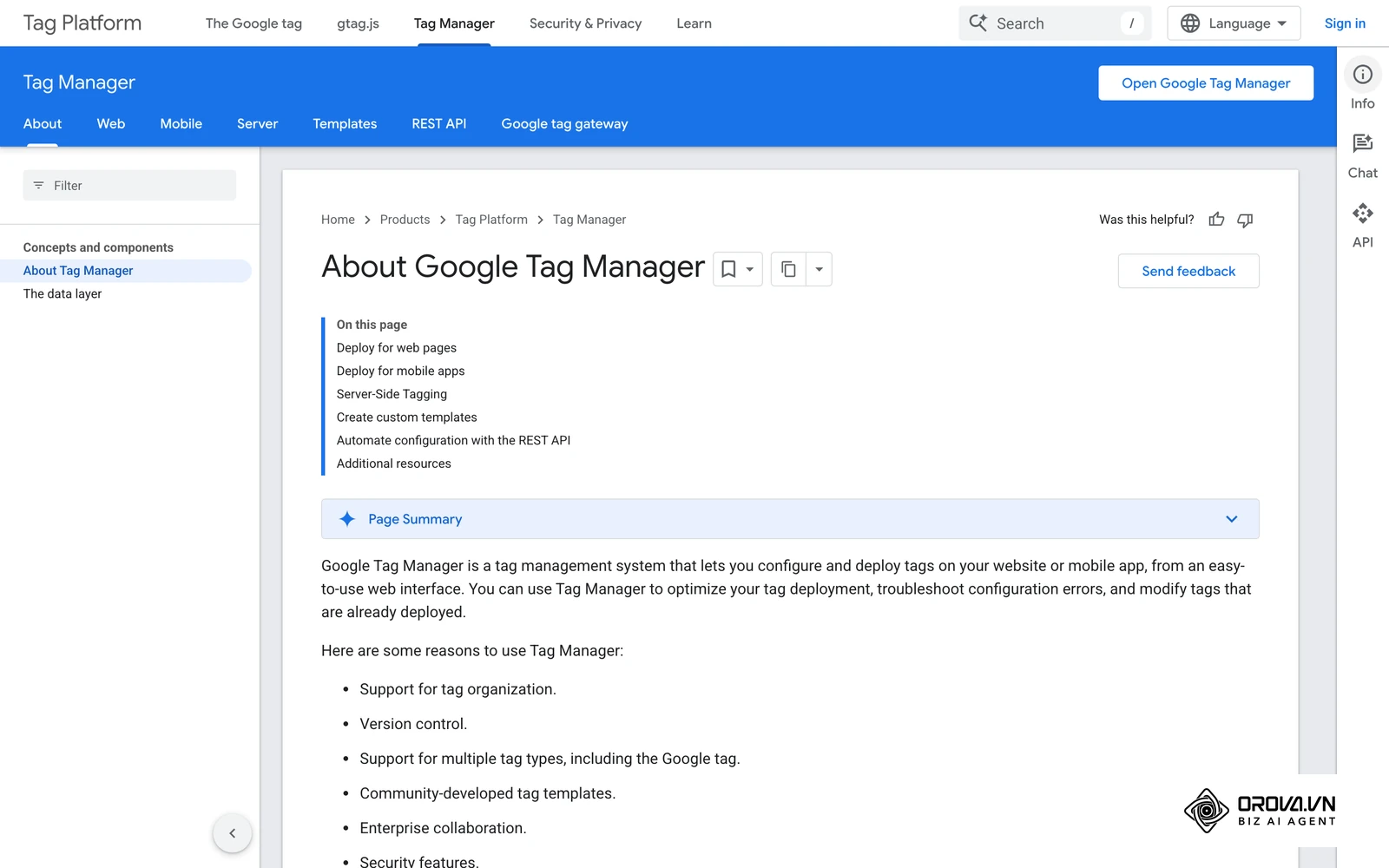
- Action: Defining what constitutes a "conversion" (e.g., a purchase, a form fill, a phone call) and deploying the code necessary to track it.
- Input: Implementing Google Tag Manager, platform-specific pixels, and server-side tracking APIs across the website.
- Output: A pristine data stream that accurately reports when a user clicks an ad and subsequently completes the desired action.
- Common failure point: Relying solely on outdated browser cookies, which fail to track users using ad blockers or strict privacy browsers, leading to underreported conversions and confused algorithms.
Component 2: Audience segmentation and targeting
Once tracking is live, you must dictate who sees the ads.
- Action: Utilizing platform data to isolate groups of users most likely to buy. This includes demographic targeting, interest-based targeting, and behavioral targeting.
- Input: Uploading customer email lists to create "Lookalike Audiences" or setting parameters to target users who abandoned their shopping carts in the last 7 days.
- Output: A refined pool of highly relevant impressions, ensuring you are not paying to show luxury car ads to teenagers.
- Common failure point: Hyper-targeting an audience that is too small. Modern algorithms require broad audiences to explore and find the cheapest conversions efficiently.
Component 3: Creative development and A/B testing
Even the best targeting will fail if the advertisement itself is ignored.
- Action: Designing multiple variations of images, videos, headlines, and calls-to-action (CTAs) to discover what resonates with the audience.
- Input: Launching a campaign with three distinct video hooks and two different text descriptions, creating a matrix of possibilities.
- Output: Statistical proof of which creative variation drives the highest click-through rate (CTR) and the lowest cost per acquisition.
- Common failure point: Testing too many variables at once. If you change the video, the headline, and the landing page simultaneously, you will never know which change caused the performance to improve or crash.
Illustrative example:
- Context: An e-commerce brand selling athletic shoes was experiencing a high CPC and low conversion rate on their main product line.
- Steps: The marketing manager duplicated the campaign and replaced the polished, studio-shot product photos with unedited, user-generated videos of customers actually running in the shoes. They ran both campaigns simultaneously with equal budgets.
- Hurdle and fix: The algorithm initially favored the old studio shots because they had historical data. The manager forced a split test by pausing the old campaign for 48 hours to force delivery of the new videos.
- Visible result: The campaign manager's interface showed a clear winner: the user-generated videos cut the cost per click in half and doubled the checkout initiation rate within a week.
Component 4: Bidding strategies and budget allocation
This is where financial strategy meets machine learning.
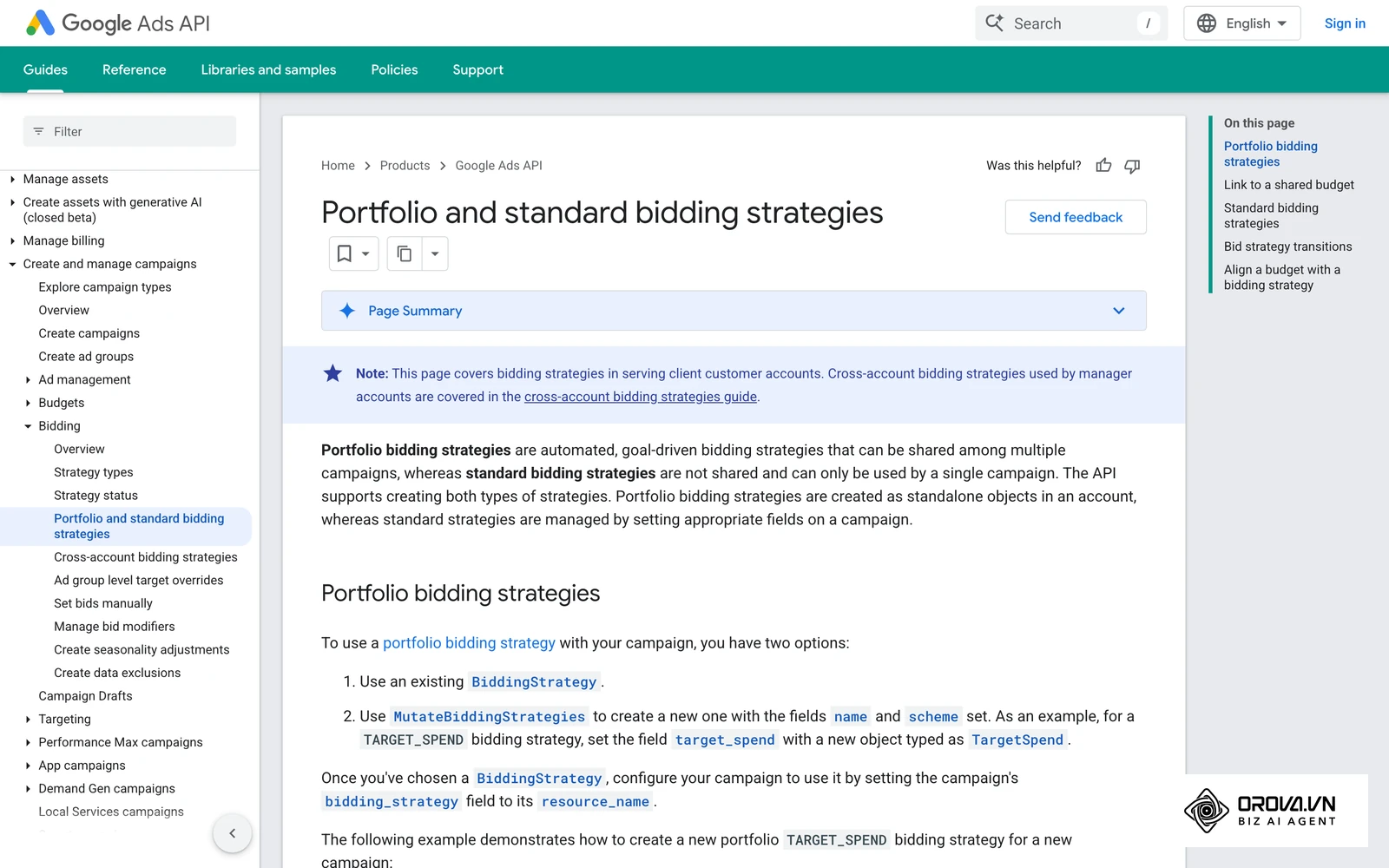
- Action: Instructing the platform on how much you are willing to pay for an outcome and how to pace the daily spend.
- Input: Setting a "Target CPA" of 50 dollars, or a "Target ROAS" of 200%, telling the algorithm to bid aggressively on high-intent users and ignore low-intent users.
- Output: The platform automatically adjusts bids in real-time auctions, processing millions of signals (time of day, device type, browsing history) to win the auction at the most efficient price.
- Common failure point: Making massive budget changes (e.g., doubling the daily spend overnight). This abruptly forces the algorithm back into the "learning phase," causing costs to skyrocket as the system tries to figure out how to spend the new influx of cash.
Automated bidding, including Google's Performance Max campaigns, needs a steady flow of conversion data to optimize bids accurately across channels. You cannot starve the machine of budget and expect optimal results.
Component 5: Post-click conversion optimization
The job does not end when the user clicks the ad; that is merely the halfway point.
- Action: Analyzing and improving the user experience on the landing page to ensure a higher percentage of visitors complete the transaction.
- Input: Utilizing heatmaps, session recordings, and A/B testing software on the website to identify friction points.
- Output: An increase in the overall conversion rate, which fundamentally lowers the CPA even if the cost of advertising remains the same.
- Common failure point: Sending highly specific ad traffic to a generic homepage. If an ad promotes a specific red winter jacket, the landing page must immediately display that exact red winter jacket, not the brand's overarching mission statement.
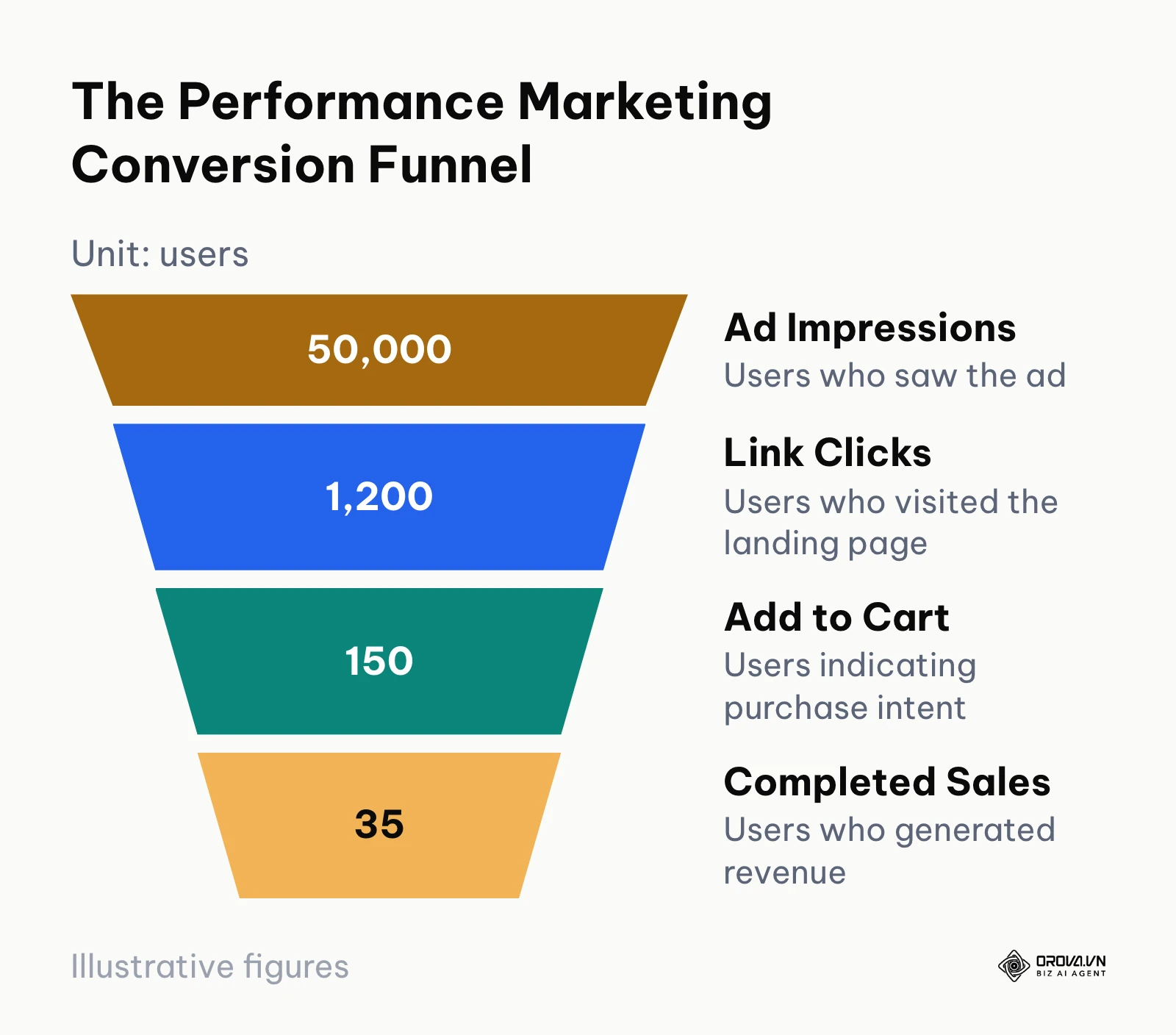
Illustrative example: a campaign earns 50,000 ad impressions, 1,200 link clicks, 150 add-to-carts and 35 completed sales. Every stage after the click is where landing page work pays off, because lifting add-to-cart or checkout rates raises sales without buying a single extra impression.
Types of performance marketing channels
Understanding the landscape requires categorizing the platforms based on user intent and format. For a wider comparison of where to spend, see our overview of paid ad platforms.
| Channel Type | Characteristics | Best suited for |
|---|---|---|
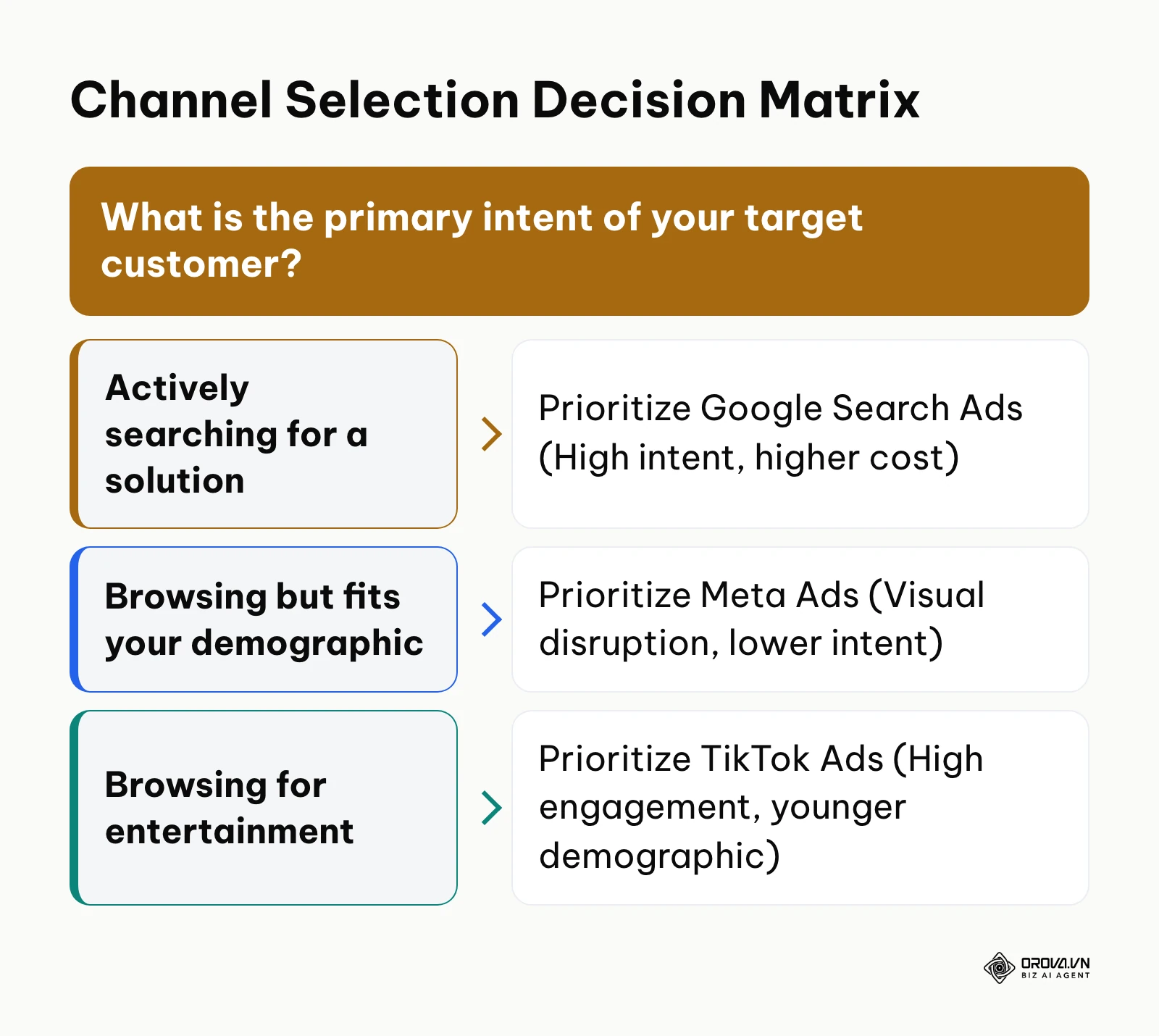
| Search Engine Marketing (SEM) | Captures high-intent users actively searching for solutions (Google Ads, Bing). | High-ticket items, emergency services, B2B software. |
| Paid Social Media | Disrupts users scrolling through feeds with highly targeted visual content (Meta, LinkedIn). | E-commerce, impulse buys, visually appealing products. |
| Video Advertising | Highly engaging short-form or long-form video formats (TikTok, YouTube). | Brand storytelling, product demonstrations, younger demographics. |
| Affiliate Marketing | Partnering with publishers who promote your product for a commission. | Software subscriptions, retail goods with high margins. |
The 5-Step Roadmap to Launching Your First Campaign
If you are preparing to launch, follow this strict chronological roadmap. Skipping a step is the fastest way to waste budget.
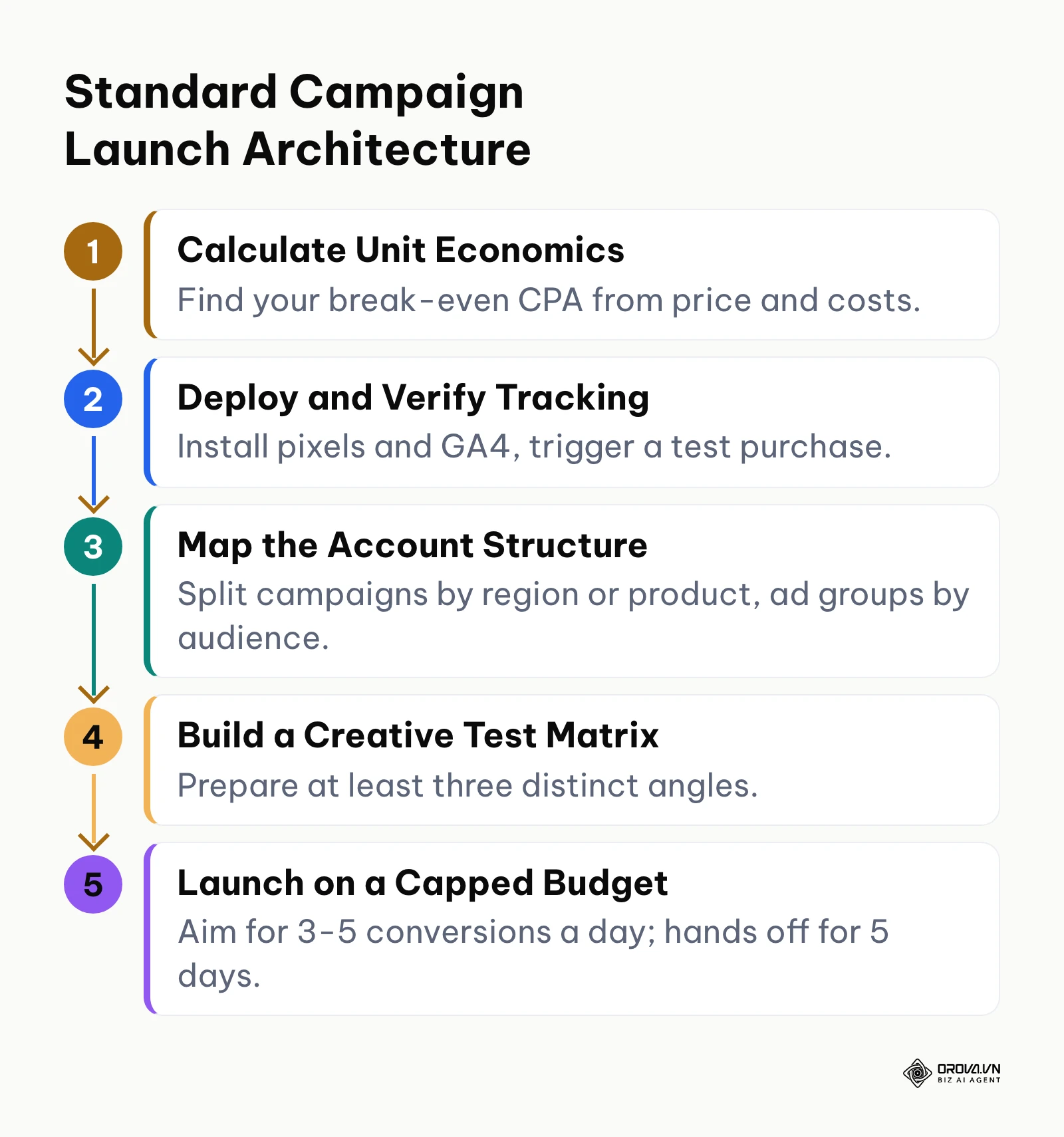
- Calculate your unit economics: Before opening an ad platform, determine your absolute break-even point. If you sell a product for 100 dollars and your costs are 40 dollars, your maximum break-even CPA is 60 dollars. Your target CPA should be well below this to ensure profitability.
- Deploy and verify tracking: Install the Meta Pixel, Google Analytics 4, and set up your conversion events. Use testing tools to trigger a fake purchase and ensure the data correctly populates in the analytics dashboard.
- Map the account structure: Create a logical hierarchy. Separate your campaigns by geographic region or product category. Within those campaigns, separate your ad groups by distinct audience targets.
- Develop a creative testing matrix: Do not rely on one image. Prepare at least three distinct angles (e.g., one focusing on price, one on quality, one on speed) to let the market decide what works.
- Launch with a constrained budget: Start with a daily budget large enough to generate 3-5 conversions a day, but small enough that you can afford to lose it for a week. Do not touch the campaign for the first 5 days; let the algorithm exit the learning phase.
Determining Your Minimum Starting Budget
A common paralyzing question is exactly how much money is required to start. Algorithms require data to function, and data costs money. If your budget is too small, the algorithm will never gather enough conversions to understand who your ideal customer is, leaving you stuck in an unoptimized state.
Here is a practical framework to calculate a viable test budget, rather than picking a random number:
| Budget Component | Calculation Logic | Example Scenario |
|---|---|---|
| Average Order Value (AOV) | The typical revenue from one transaction | 120.00 dollars |
| Target CPA Goal | What you want to pay to acquire a customer | 40.00 dollars |
| Daily Algorithmic Requirement | Target CPA × 3 to 5 (Minimum volume needed daily for AI to learn) | 120.00 dollars / day |
| Learning Phase Duration | Standard time for algorithms to stabilize | 14 Days |
| Minimum Test Budget | Daily Requirement × Learning Duration | 1,680.00 dollars |
If you cannot comfortably afford to spend 1,680 dollars to test this specific product in this scenario, you should not launch the campaign. You will likely run out of money before the algorithm figures out how to find profitable customers.
B2B vs B2C Performance Marketing Strategies
The underlying mechanics of bidding and tracking are identical across business models, but the strategic execution differs wildly.
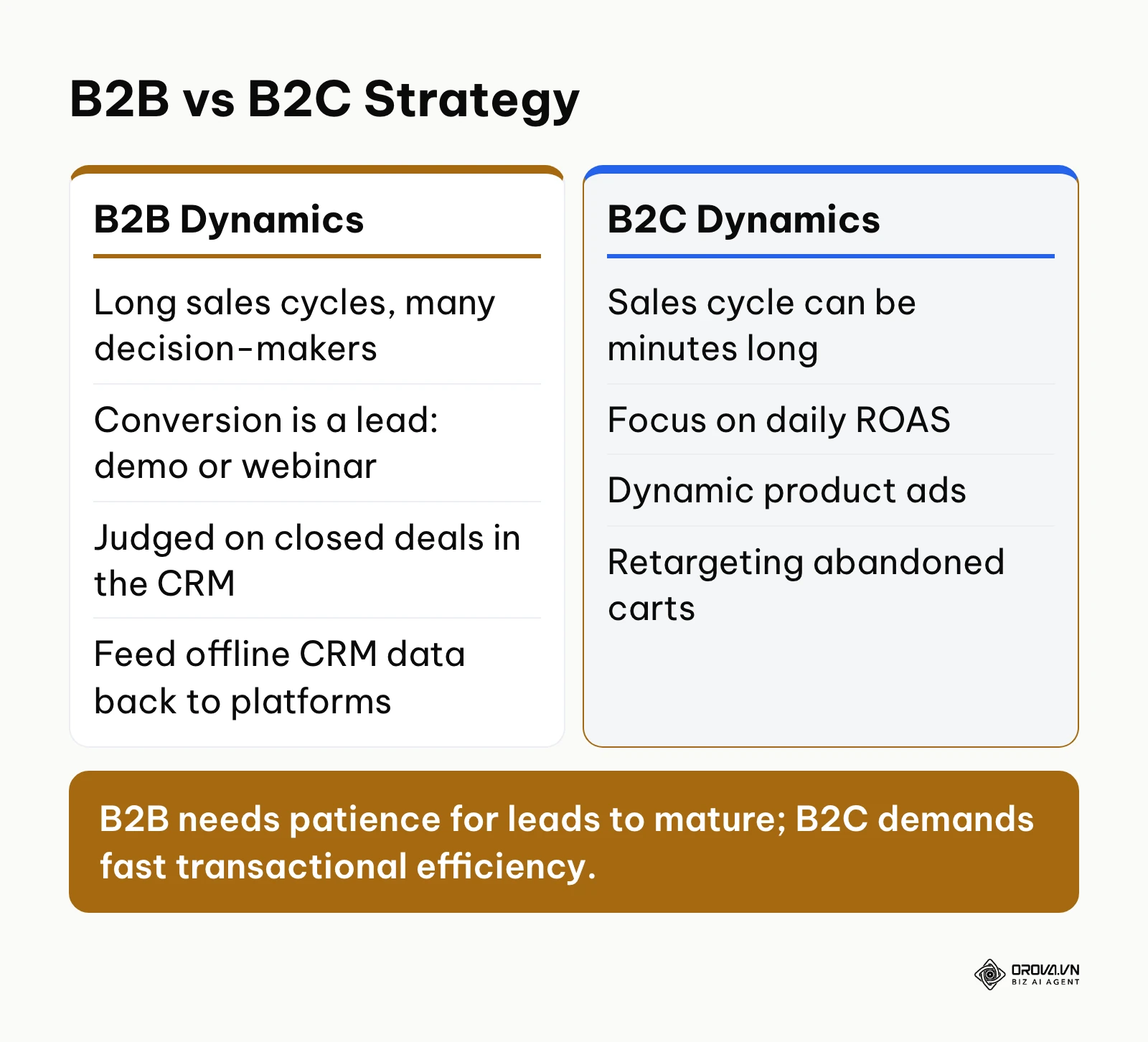
The B2B Reality: Business-to-business marketing deals with long sales cycles, multiple decision-makers, and high product costs. You are rarely driving a direct, instant purchase. Instead, the conversion event is usually a lead—a whitepaper download, a webinar registration, or a demo request. The critical challenge here is lead quality. A campaign might generate 100 cheap leads, but if none of them convert into a closed deal in the CRM three months later, the campaign is a failure. B2B marketers must constantly feed offline CRM data back into the ad platforms to train the algorithm on what a closed deal looks like, not just a form fill.
The B2C Reality: Business-to-consumer marketing, particularly in e-commerce, thrives on velocity, impulse, and immediate gratification. The sales cycle can be minutes long. The focus is entirely on reducing friction on the mobile landing page and maximizing Return on Ad Spend (ROAS) on a daily basis. B2C marketers rely heavily on dynamic product ads (showing the exact pair of shoes a user just viewed) and aggressive retargeting pools to capture abandoned carts.
Preventing Click Fraud and Budget Wastage
When you pay per click, you inevitably face the risk of paying for fraudulent or entirely useless clicks. Competitors might click your search ads to deplete your budget, or botnets might scrape your pages, triggering false impressions.
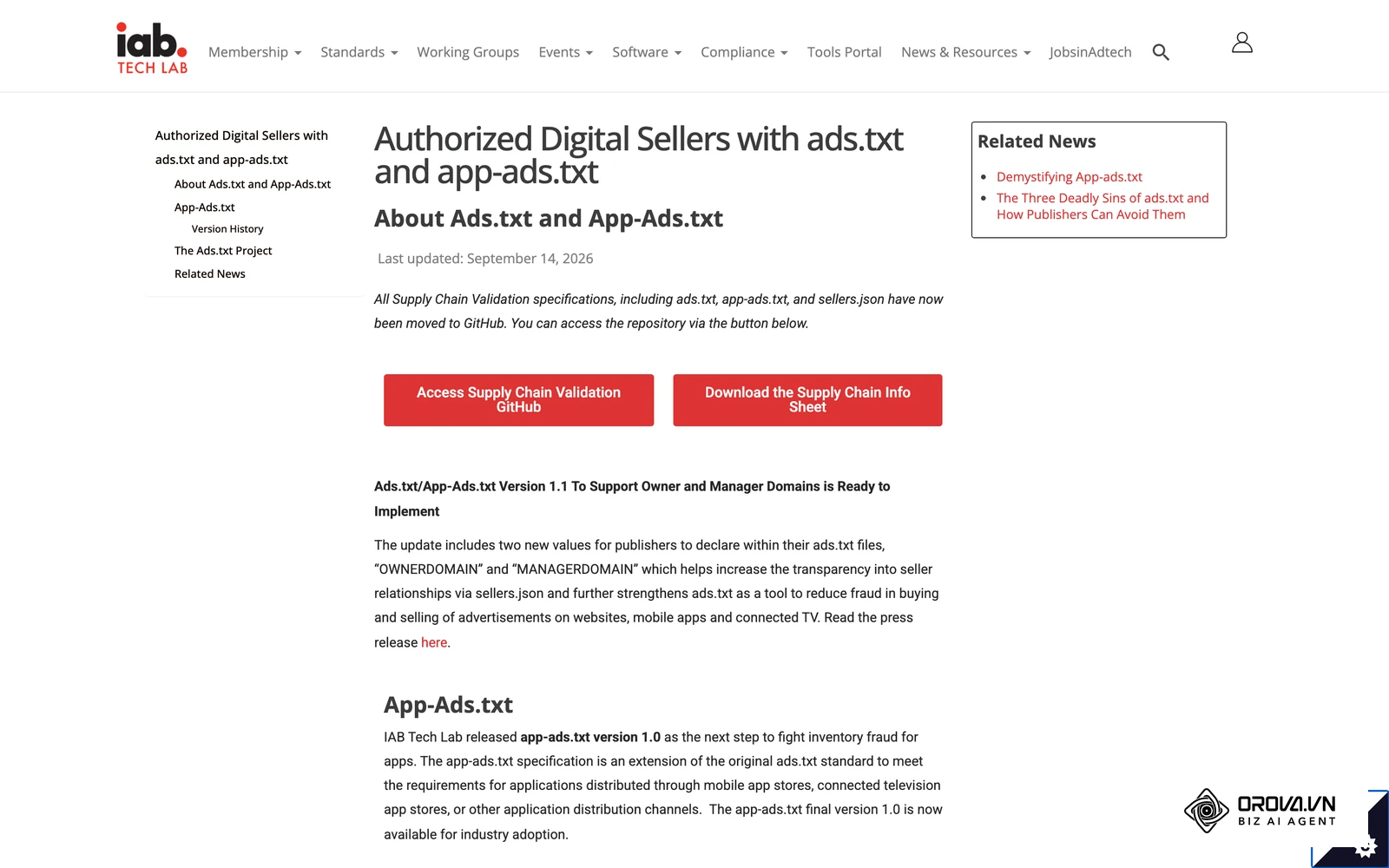
Transparency in the programmatic supply chain remains a common concern for advertisers trying to avoid invalid traffic and click fraud.
To defend your budget, implement these immediate safeguards:
- Aggressive IP Exclusion: Monitor your server logs for repeated clicks from the same IP address without conversions, and block those IPs in the ad platform settings where the platform supports IP exclusions.
- Strict Geo-Fencing: In Google Ads, set location options to target people who are in or regularly in your targeted locations, rather than people who only show interest in them, which can pull in irrelevant traffic from elsewhere.
- Monitor Placement Reports: If you are running display campaigns, manually review the websites where your ads are appearing. Exclude mobile gaming apps and low-quality domain parked sites, as these are notorious for accidental or fraudulent clicks.
What to do to start / adapt
The exact steps you need to take depend heavily on your current role and resources. Here is a tailored breakdown of immediate actions.
For the Small Business Owner
As a business owner, your primary goal is to establish profitable unit economics without getting bogged down in overly complex technical setups.
- Calculate your margins first: Sit down and determine the absolute maximum you can pay to acquire a customer while remaining profitable. Do not proceed until this number is written down.
- Consolidate your efforts: Do not try to run Google, Meta, and TikTok simultaneously. Pick one platform based on where your audience spends their time and master it before expanding.
- Set strict budget caps: Utilize campaign-level budget limits to ensure a rogue campaign cannot spend more than you have allocated in a given month.
Illustrative example:
- Context: A local plumbing service wanted to stop relying on word-of-mouth and generate emergency repair calls predictably.
- Steps: The owner bypassed complex social media strategies and exclusively set up a Google Search campaign targeting highly specific keywords like "burst pipe repair near me." They set a strict daily budget cap of 50 dollars.
- Hurdle and fix: The budget was initially depleted by users searching for "how to fix a pipe yourself." The owner reviewed the search term report and added "how to" and "DIY" as negative keywords, blocking those unprofitable searches.
- Visible result: The campaign now only triggers for high-intent emergencies, resulting in a steady flow of 3-4 highly profitable dispatch calls per week directly from the ad spend.
For the In-House Marketer
If you are managing campaigns internally, your focus must shift from manual button-pushing to overarching data strategy and creative direction.
- Audit the tracking infrastructure: Spend a week mapping out exactly how data flows from the ad click, to the website, into the CRM. Ensure there are no leaks or broken pixels.
- Implement server-side tracking: Begin the transition away from browser pixels. Understanding what is conversion api and implementing it will protect your data from ad blockers and privacy updates.
- Build an automated dashboard: Stop downloading CSV files manually. Connect your ad accounts to a centralized visualization tool so you can monitor ad performance metrics in real-time.
- Establish a creative testing cadence: Commit to launching three new ad variations every two weeks, systematically testing hooks, body copy, and visual formats.
For the Agency or Freelancer
Agencies must focus on proving incremental value to clients who are increasingly skeptical of opaque reporting.
- Standardize your onboarding: Create a rigid checklist for taking over new accounts, focusing heavily on auditing historical conversion data before launching new initiatives.
- Shift to business metrics: Stop reporting on CPC and CTR during client meetings. Report exclusively on Sales Qualified Leads, Pipeline Velocity, and ROAS.
- Master cross-channel attribution: Utilize robust marketing analytics tools to explain to clients how a Meta video ad assisted in driving a Google Search conversion three days later.
- Automate the routine: Delegate mundane bid adjustments and reporting tasks to scripts or software, freeing up your time for high-level strategic consulting.
Common Mistakes and How to Avoid Them
| Mistake | Consequence | How to avoid it |
|---|---|---|
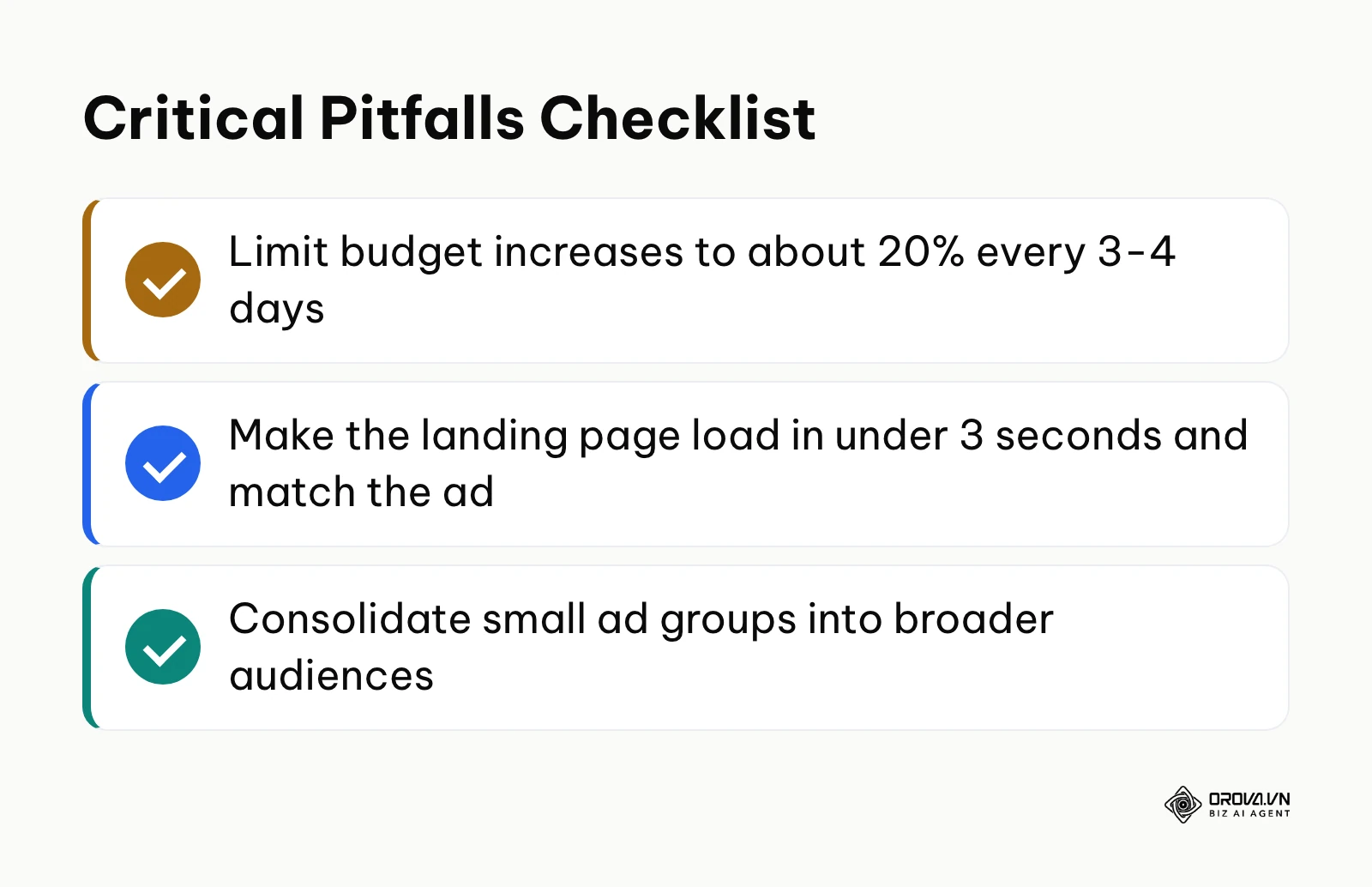
| Making daily budget changes | Resets the algorithm's learning phase, causing CPCs to spike erratically. | As a rule of thumb, limit budget increases to about 20% every 3-4 days. |
| Ignoring the post-click experience | High click-through rates but zero sales, leading to massive budget drain. | Ensure the landing page loads in under 3 seconds and exactly matches the ad's promise. |
| Over-segmenting audiences | The algorithm cannot find enough data to optimize, leading to stalled delivery. | Consolidate small ad groups into larger, broader audiences and let the AI find the buyers. |
Want to scale your budget but afraid of breaking performance? 📉
Integrate OROVA ADS now - an AI Agent that automatically monitors and optimizes Google, Meta, TikTok ads 24/7. Now, expanding and replicating your Performance Ads team is just one click away.
🚀 Try it now at: orova.vn/ads
Trends in the next few years: Author's perspective
As we look toward the future of digital advertising, the landscape is shifting violently away from manual manipulation toward automated, data-secure ecosystems. Based on the market signals available as of 2026, I anticipate three major shifts that will define the next era of media buying.
AI-Driven Campaign Orchestration
We are moving past the point where human media buyers manually adjust bids by a few cents. I believe the concept of a "campaign structure" as we know it will gradually dissolve. Platforms will demand only three inputs: your creative assets, your target CPA, and your maximum budget. In my view, AI will take over most granular targeting and placement decisions, a shift already visible in tools covered in our AI ads guide. To prepare for this, you must stop treating media buying as a technical skill and start treating it as a business strategy role, focusing entirely on feeding the AI the highest quality CRM data possible. This prediction could be delayed if regulatory bodies mandate strict transparency into how AI algorithms target protected demographics, forcing platforms to retain manual controls.
The Shift Toward First-Party Data Dominance
Third-party cookies keep losing reliability as browsers and privacy rules limit what they can track. I foresee a landscape where a brand's competitive advantage in advertising will not be their ad copy, but the sheer volume of legally compliant, first-party data they possess. If you do not have a robust strategy for collecting customer emails, phone numbers, and purchase histories directly on your own servers, your ad costs are likely to rise as the algorithms lose targeting signals. You should begin navigating the complex landscape of online advertising regulations immediately to build compliant data warehouses.
Video Commerce as the Primary Funnel
In my view, static image ads are losing ground. I lean toward a future where a growing share of performance marketing budgets moves to short-form video that integrates seamless, one-click purchasing natively within the app. Leveraging a tiktok smart performance campaign is no longer experimental; I expect it to become a standard part of many B2C media plans. Marketers must build internal processes to generate high volumes of authentic, unpolished video content on a weekly basis, as creative fatigue seems to set in faster than before.
Frequently asked questions
Is performance marketing still needed with AI?
Yes, absolutely. While AI handles the heavy lifting of bidding and algorithmic targeting, it lacks business context. AI still requires human oversight to define the correct financial targets, develop the creative strategy, and ensure the data being fed into the system is accurate. Without human guidance, AI will efficiently optimize toward the wrong goals.
How much budget do I need to start?
There is no universal number, but a strict rule of thumb is that your daily budget must be at least 3 to 5 times your target Cost Per Acquisition. If you want to acquire customers for 50 dollars, you need to spend at least 150 dollars to 250 dollars a day to give the platform enough data points to learn and optimize effectively.
What is the difference between performance marketing and digital marketing?
Digital marketing is an umbrella term encompassing everything a brand does online, including organic social media posting, writing blog articles, and sending newsletters. Performance marketing is a highly specific subset of digital marketing where every action is paid for strictly based on measurable outcomes like clicks, leads, or sales.
How do I choose the right metrics?
Stop looking at vanity metrics like impressions and reach. If your goal is lead generation, focus exclusively on Cost Per Lead (CPL) and Lead-to-Customer Conversion Rate. If your goal is e-commerce sales, your north star metrics must be Cost Per Acquisition (CPA) and Return on Ad Spend (ROAS). If you are unsure which one to bid on, compare target CPA vs target ROAS.
Can performance marketing build brand awareness?
Yes, as a byproduct, but it should never be the primary goal. When you run conversion-focused campaigns, thousands of people will see your brand even if they don't click or buy. However, evaluating a performance campaign based on how much "awareness" it generated is a dangerous justification for poor financial returns.
Where to start?
If you are overwhelmed by the technical complexity of digital advertising, taking the first step is often the hardest part. Do not attempt to overhaul everything at once. Depending on your current situation, here is exactly what you should do this afternoon to regain control.
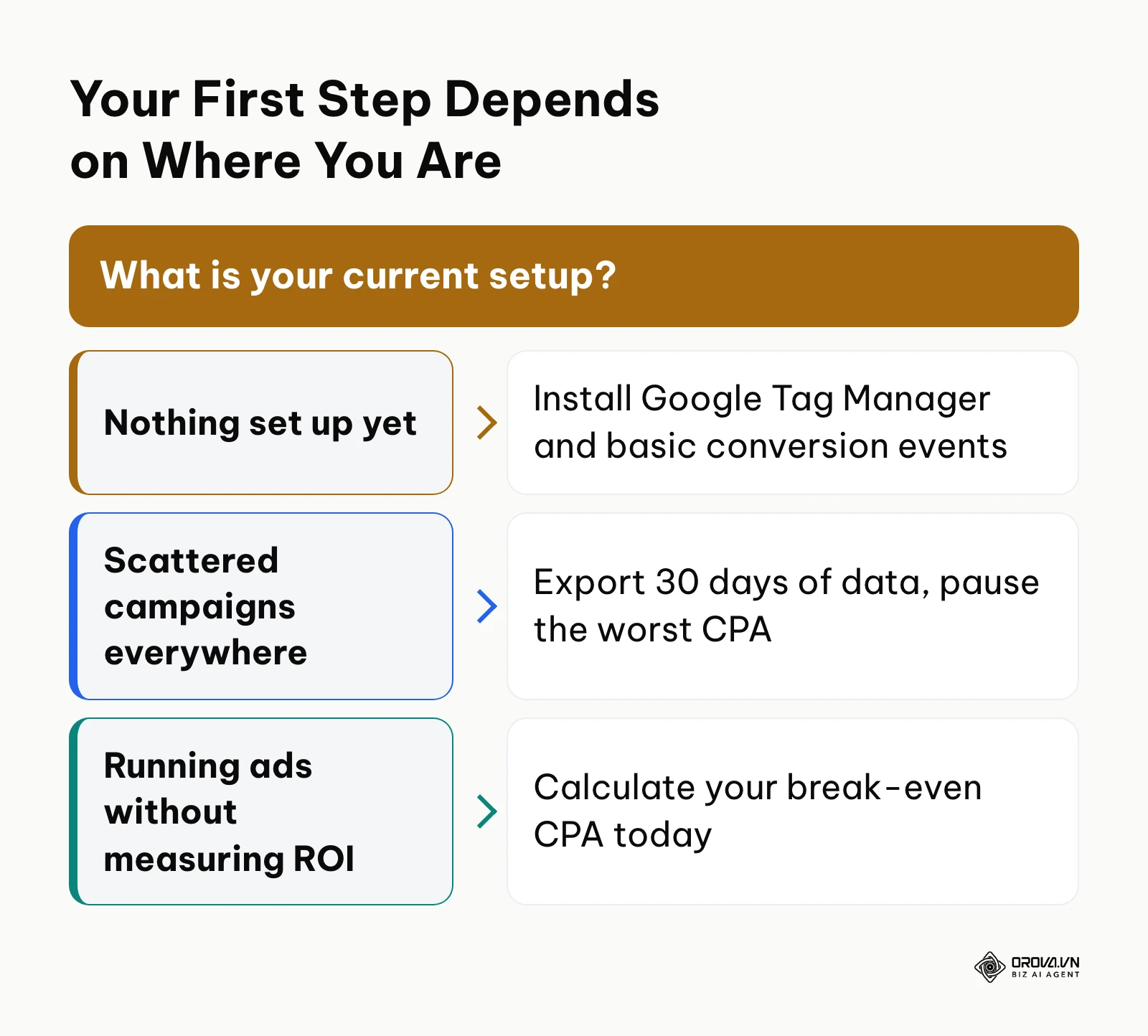
If you have absolutely nothing set up yet: Your single most important step is to install a unified tracking infrastructure. Before authorizing a single dollar of ad spend, deploy Google Tag Manager on your website and configure basic conversion events, such as a thank-you page load after a purchase or a form submission. Without this foundation, you are flying entirely blind and donating money to the ad networks.
If you have scattered, disjointed campaigns running everywhere: Your immediate priority is to consolidate your data into a single, unforgiving view. Log into your various ad platforms, export the last 30 days of spend and conversion data, and map them into a simple spreadsheet. Identify which specific platform or campaign is generating the highest cost per acquisition and pause that worst-performing outlier immediately to stop the bleeding.
If you are running ads but not mathematically measuring ROI: You must calculate your absolute break-even point today. Sit down with your finance team to determine your true gross profit margin per product or service. Subtract your operational costs to find the absolute maximum you can afford to pay to acquire a single customer. This single mathematical figure will dictate every bidding decision, budget allocation, and campaign strategy you make moving forward.
About the author

Builder of Orova
Nguyễn Đỗ Trọng Ân has 8 years of experience in marketing, including 6 years managing market development across Asia. He builds Orova, a Biz AI Agent that never sleeps: it plans, runs and optimizes work for businesses.
Run your business with AI Agents
Orova is the always-on Biz AI Agent — it plans, runs, and optimizes the work for you.
Save time, unlock productivity.