
What is run ads? Where to start with Google, Meta and TikTok
Many businesses struggle with getting immediate traffic and sales, pouring money into various digital channels but seeing absolutely zero return. The old approach of just throwing money at social media posts and hoping for the best is no longer sufficient in a highly competitive digital landscape. Relying purely on luck or slow algorithmic growth leaves your business vulnerable to unpredictable revenue drops. If you want predictable revenue and scalable growth, you must run ads with precision and strategy. In short, to run ads means paying a platform such as Google, Meta or TikTok to show your message to a chosen audience, and paying by impression, click or result. This guide explains what that involves, how to choose where to start across platforms, how much to test with, and when to stop a losing ad. If you want the bigger picture first, see what an ad campaign is made of and how performance marketing ties spend to results.
What is run ads?
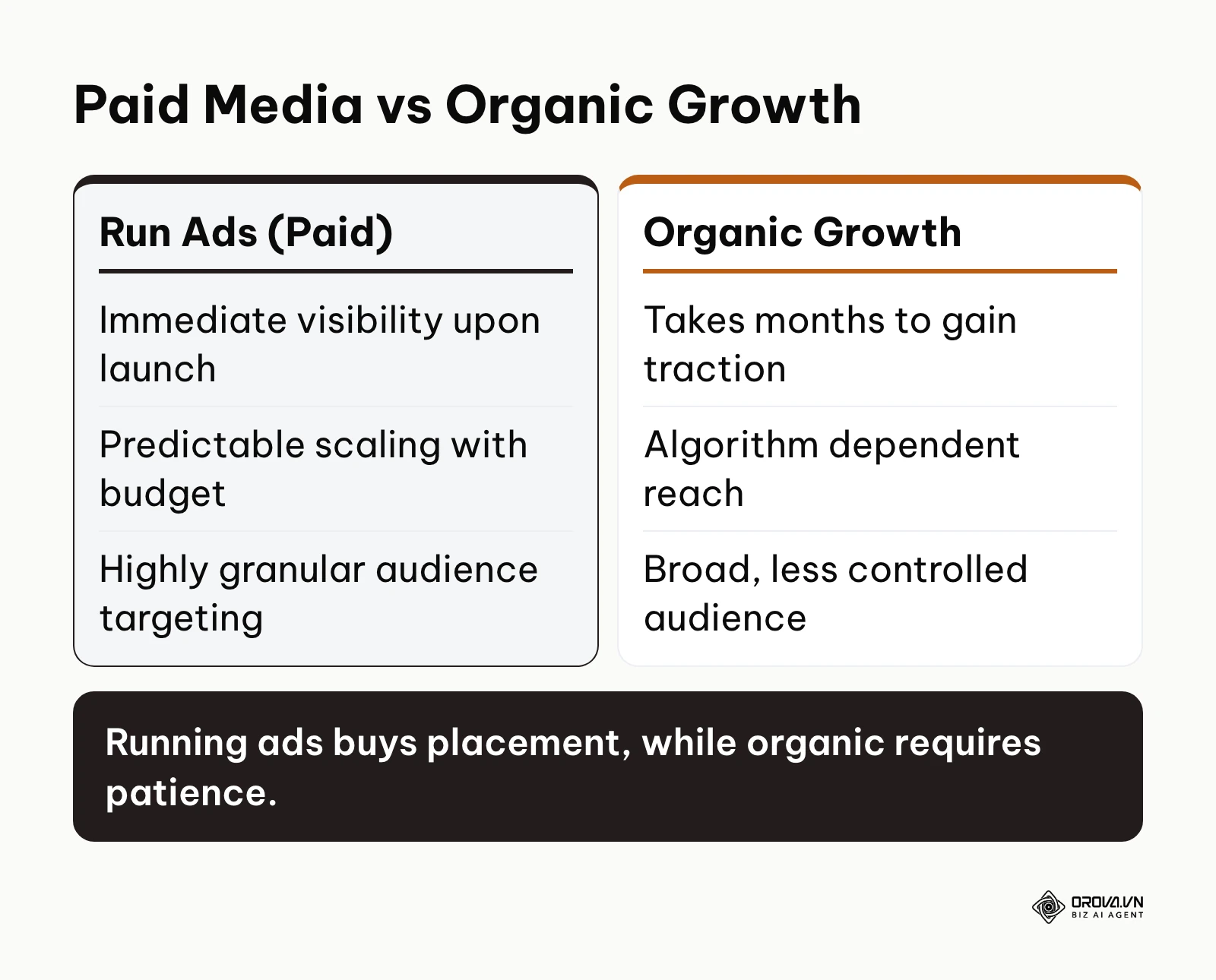
Run ads is the strategic process of purchasing digital placement to display promotional content to targeted audiences. It is primarily used to generate immediate visibility and drive measurable actions like sales. Unlike organic social media which relies on algorithms for free reach, running ads buys exposure for a specific cost.
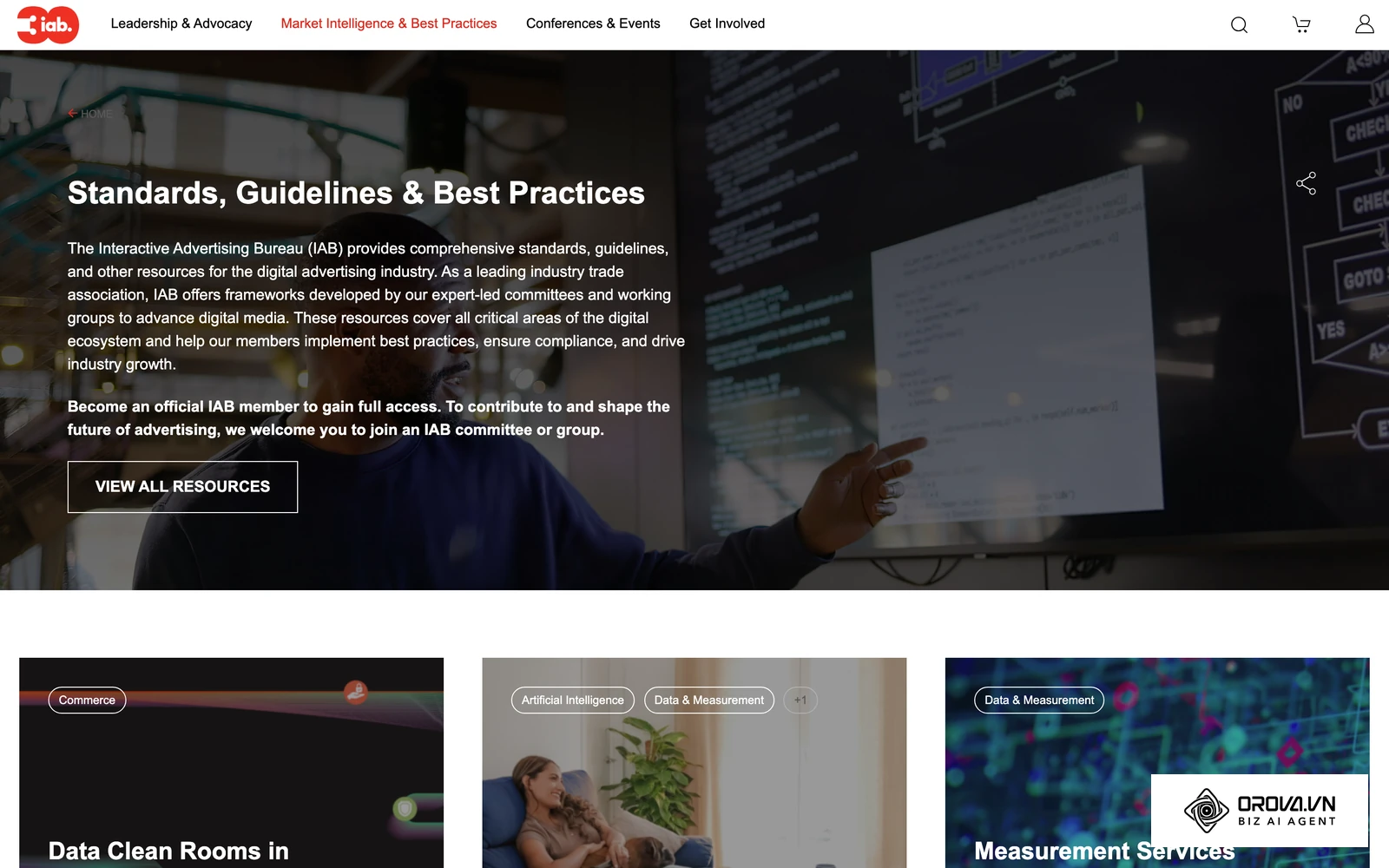
The concept originated in the mid-1990s with simple, static banner placements sold on a cost-per-thousand-impressions basis. Today, it has evolved into highly sophisticated, algorithm-driven auction networks that utilize machine learning to match the perfect product with the ideal buyer.
| Concept | Key Difference | Real-World Example |
|---|---|---|
| Run Ads (Paid Media) | Requires continuous financial investment for guaranteed visibility. | Paying Google to show your website first when someone searches for plumbers. |
| Search Engine Optimization | Requires time and content creation for gradual organic ranking. | Writing blog posts over six months to rank on the first page organically. |
| Social Media Management | Focuses on engaging an existing audience without paying for reach. | Posting daily behind-the-scenes photos to your current Instagram followers. |
For a real-world perspective, think of it like renting a premium digital billboard on a busy highway. However, instead of paying for every car that drives by, modern platforms allow you to pay only when a driver actually takes the exit to visit your store.
The Meaning Behind the Click
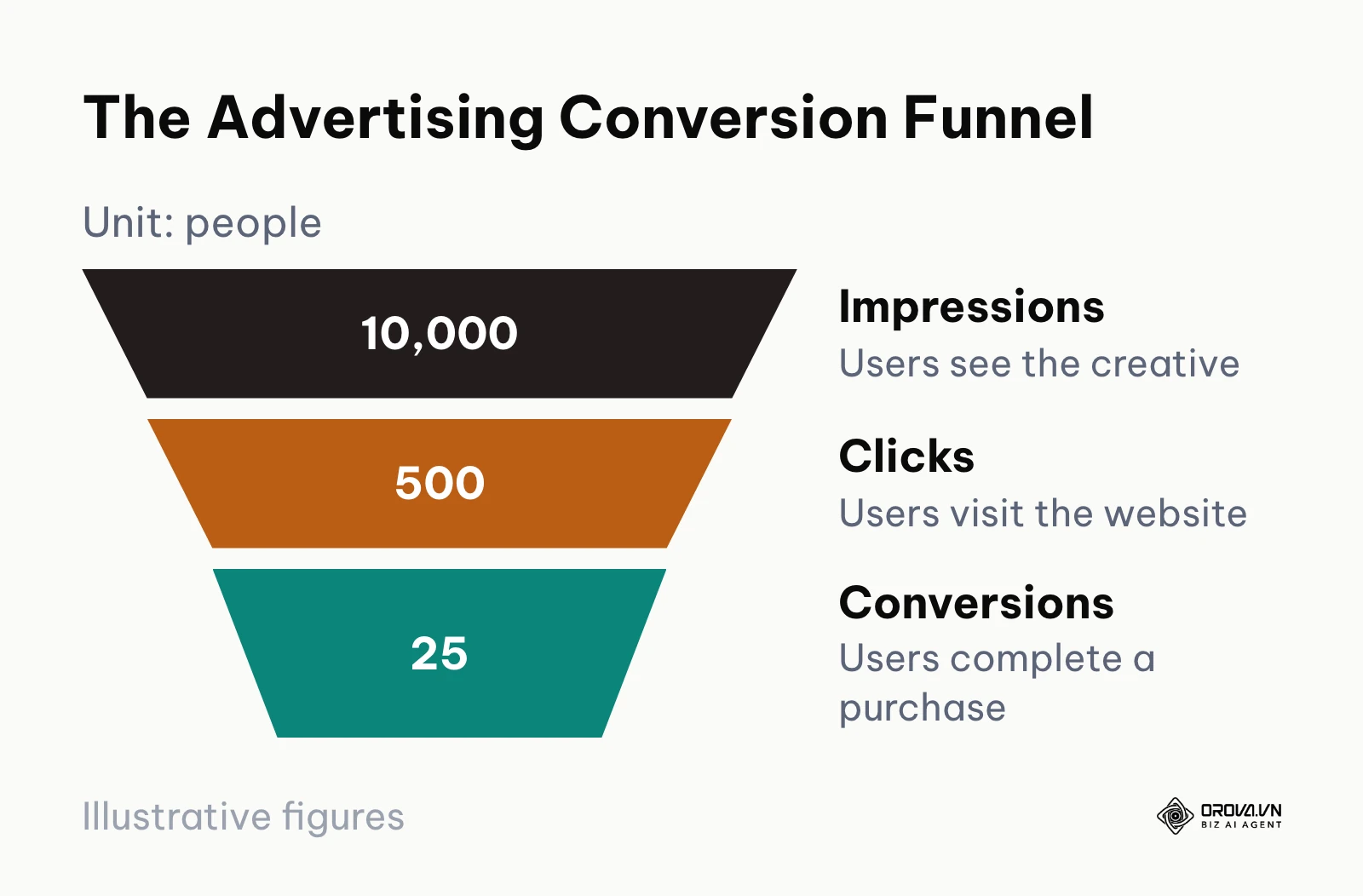
The fundamental purpose of paid advertising is to actively connect your specific solutions with ready buyers. In the broader ecosystem of a business, paid media sits firmly in the middle to bottom of the marketing funnel. While organic content builds long-term brand equity and trust at the top of the funnel, advertising acts as the direct mechanism to convert that interest into immediate revenue. If a business decides to ignore paid acquisition entirely, they essentially forfeit the ability to control their own growth rate, leaving their sales velocity entirely up to the unpredictable nature of search engines and social algorithms. Illustrative example: 10,000 impressions might bring 500 clicks and 25 purchases; each step of that funnel is a place where the ad or the website can lose people.
When you don't need run ads yet: You should pause before spending money if your product has never been validated by organic sales, meaning you are unsure if anyone actually wants to buy it. Additionally, if your website suffers from severe technical issues, such as broken checkout buttons or load times exceeding five seconds, paid traffic will only accelerate your financial losses. Finally, if you lack sufficient inventory to fulfill a sudden spike in orders, running campaigns is a waste. In these cases, focus on organic testing and website optimization first.
The Tangible Value of Running Ads
When executed correctly, the practice delivers immense value split across two primary layers: strategic advantages for the business owner and operational clarity for the team executing the daily work.
Immediate Revenue Generation
For the business, the most critical value is the ability to generate cash flow on demand. Without paid media, a new product launch might take months to gain traction. With it, you can push a button and have targeted buyers viewing your offer within hours.
Illustrative example: A mid-sized B2B software company needed to generate high-quality leads for their new accounting tool. The marketing lead set up Google Search campaigns targeting broad industry terms. Initially, the campaigns suffered from an extremely high cost per click and irrelevant traffic. To resolve this, they implemented a strict negative keyword list to block informational searches and switched to exact match types for their highest-intent keywords. As a result, they achieved twenty qualified demo signups within the first week of the adjusted campaign.
Risk Mitigation Through Data
Paid campaigns allow businesses to test market assumptions with mathematical precision. Instead of investing heavily in manufacturing a product based on a hunch, businesses can spend a small amount to validate demand before committing large capital.
Illustrative example: A clothing brand wanted to know if a new jacket design would sell before ordering bulk inventory. The owner created mockups and ran a small budget campaign directing traffic to a pre-order page. The initial obstacle was a low click-through rate because the ad copy was too vague. After rewriting the copy to highlight the waterproof material, the pre-orders surged. The clear result was securing fifty paid pre-orders in three days, proving the concept was viable before spending thousands on manufacturing.
Predictable Operational Workflows
For the person managing the campaigns, a well-structured ad account removes the stress of content creation guesswork. Instead of wondering what to post daily, they operate on a framework of testing variables, analyzing numbers, and optimizing based on clear metrics.
Illustrative example: A solo marketer at a local gym was exhausted from constantly filming daily social media videos that got no views. They transitioned to a structured Meta advertising strategy. The challenge was setting up the tracking properly to measure local foot traffic. By utilizing lead generation forms offering a free day pass, they bypassed the complex website tracking entirely. The result was a streamlined workflow where the marketer only checked the dashboard twice a week, consistently delivering thirty new prospect phone numbers to the sales team every month.
| Benefit | Primary Metric | Time to See Results |
|---|---|---|
| Immediate Revenue Generation | Return on Ad Spend | Typically within two to four weeks. |
| Risk Mitigation Through Data | Cost Per Acquisition | Usually visible after three days of testing. |
| Predictable Operational Workflows | Conversion Rate | Evident within the first month of scaling. |
OROVA ADS applies AI Agent to automate and optimize ad performance on Google, Meta and TikTok. Scale your budget safely, monitor 24/7 and expand your business quickly.
Experience the solution at orova.vn/ads
How It Works: Deconstructing a Campaign
Understanding the mechanics of digital advertising requires breaking down the process into distinct, manageable phases. It is not a single action, but a coordinated system of targeting, budgeting, messaging, and optimization.
Platform Selection for Your Market
The first critical decision is determining where to place your budget. Not all platforms serve the same psychological purpose. When deciding start with Facebook ads, you are leaning into visual discovery. Users on Meta are scrolling for entertainment, meaning your ad must disrupt their attention with a compelling visual to create impulse desire. Conversely, understanding how to run ads on Google means mastering intent. When a user searches for "emergency plumber near me," they already have a problem; your job is simply to present the best solution at the exact moment they search.
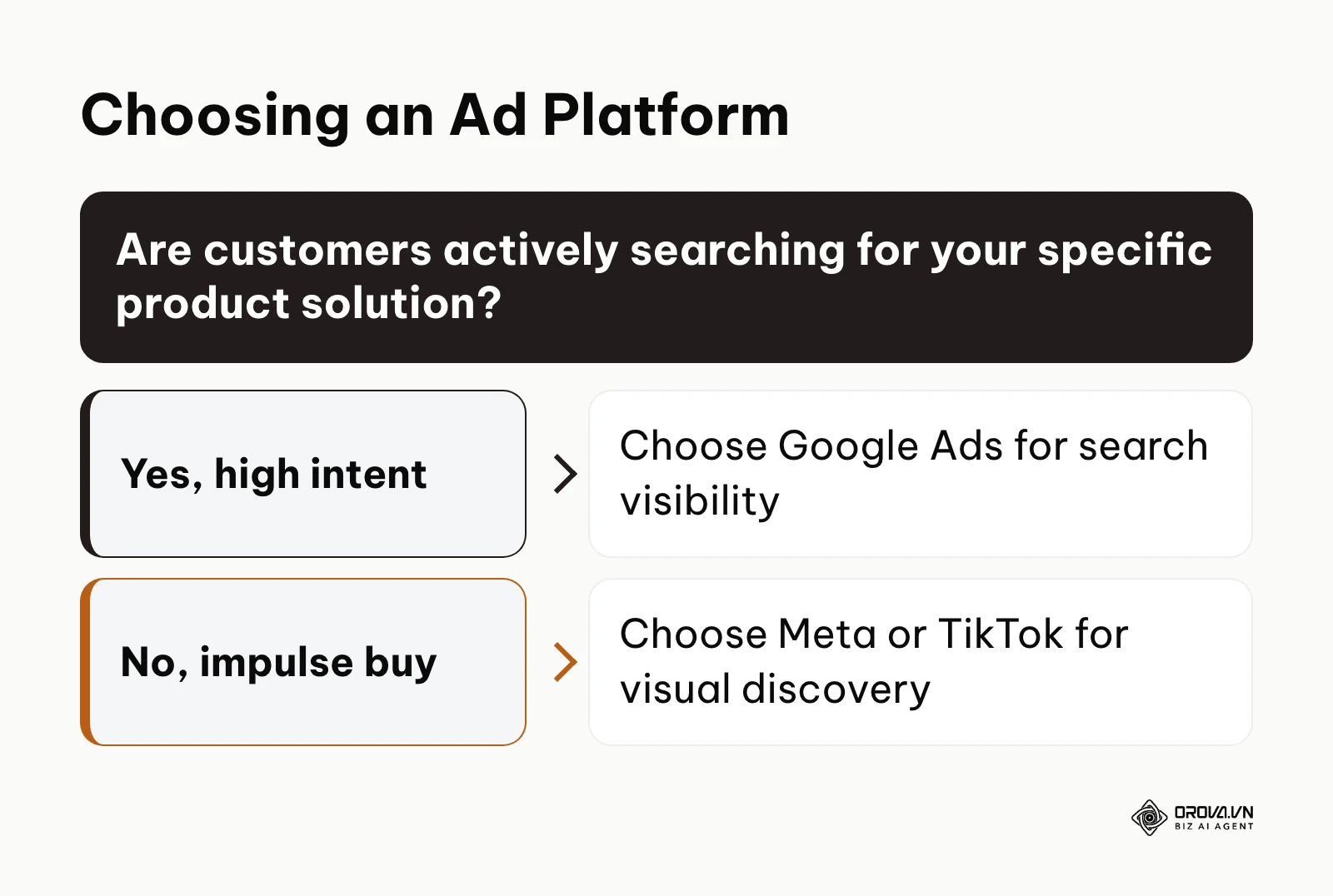
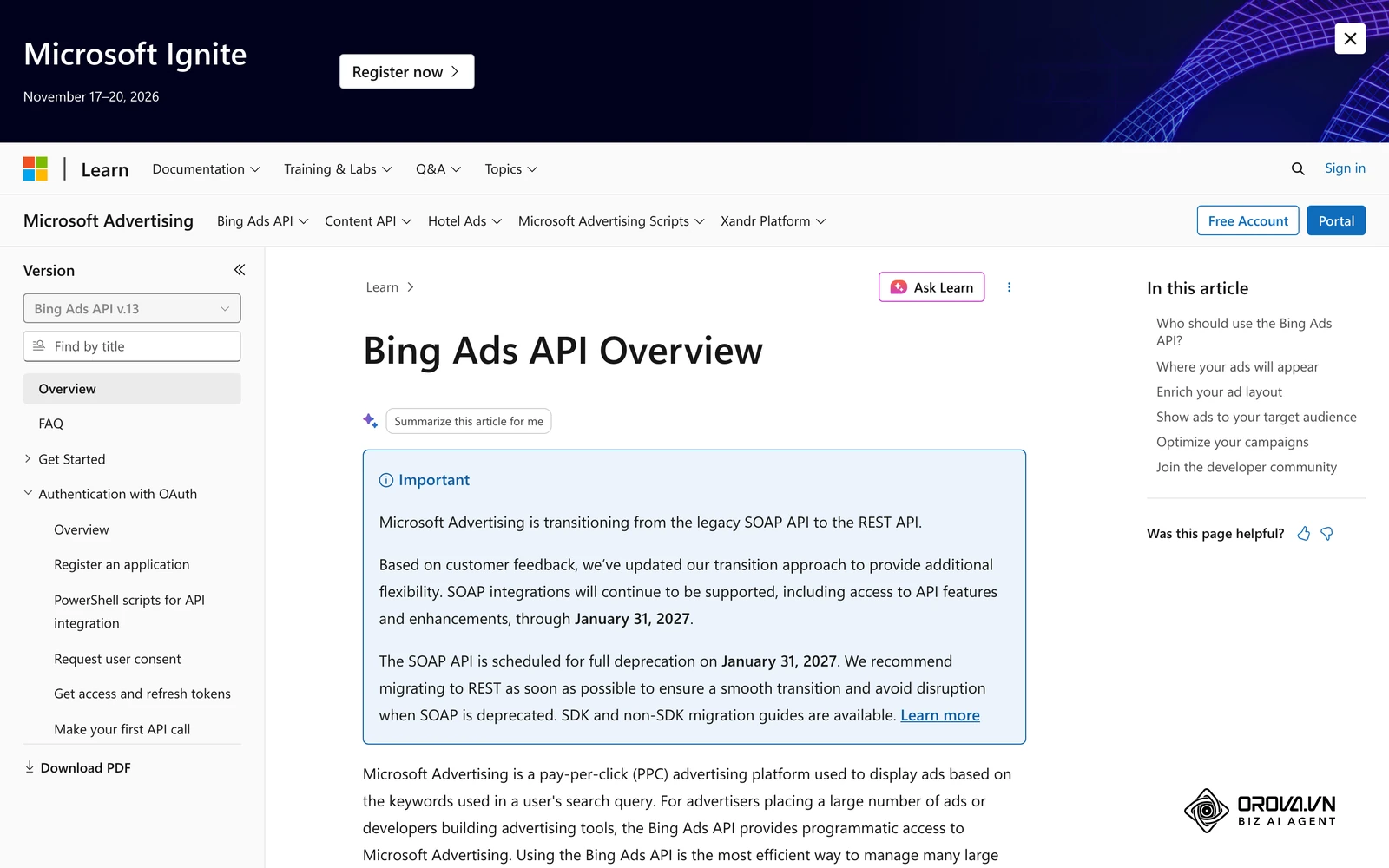
TikTok represents a unique blend of entertainment and commerce. The algorithm is heavily driven by user retention on videos, making it ideal for products that can be demonstrated visually and quickly. Choosing the wrong platform for your product type is the primary reason beginners fail. Beyond the big three, Microsoft Advertising offers a second search network that is worth testing once your Google campaigns are profitable.
Structuring the Campaign and Allocating Budget
A critical gap in most strategies is knowing exactly how much to spend during the initial testing phase. Machine learning algorithms require a specific volume of data to understand who your ideal buyer is. If you underfund the campaign, the system never exits the "learning phase," resulting in erratic performance and wasted money.
For those exploring running ads for beginners, you must provide enough budget to secure at least fifty optimization events (like clicks or leads) within a week. Here is an illustrative baseline for the first days of testing. These are starting points, not platform rules, so check each platform's current minimum budgets before you launch:
| Business Size | Google Ads Daily | Meta Ads Daily | TikTok Ads Daily | Testing Duration |
|---|---|---|---|---|
| Solo / Beginner | Small test budget on one campaign | Small test budget on one ad set | At or just above the platform minimum | 7 days |
| Local Business | Moderate, focused on local search terms | Moderate, one broad local audience | Optional, only if video is your strength | 14 days |
| E-commerce Startup | Larger, enough for Shopping and Search | Larger, enough for about fifty purchases a week | Moderate, with several video creatives | 14 days |
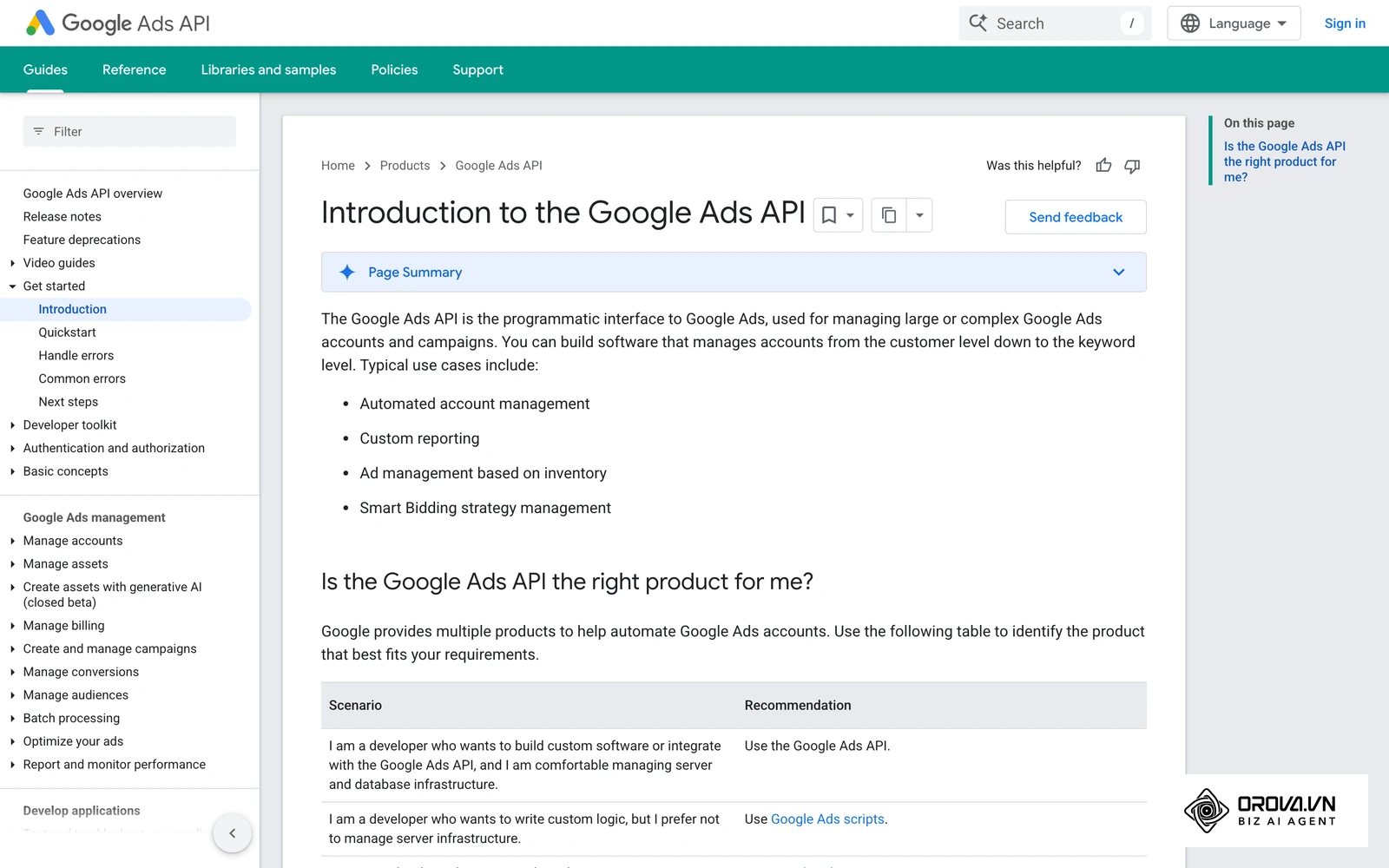
Meta's own guidance encourages consolidating ad sets, because a larger, unified dataset helps the delivery system exit the learning phase sooner. Do not spread a small budget across ten different audiences; consolidate it into one or two broad audiences to give the system enough financial fuel to work efficiently. Once you have proven winners, a common rule of thumb is 70-20-10: about 70% of spend on proven winners, 20% on new creative testing and 10% on wildcard experiments. For a deeper method, read this ad budget calculation and allocation guide.
Crafting the Creative with AI Prompts
The creative component—the image, video, and text—is the single most important variable you control. While the algorithm handles the delivery, your creative handles the persuasion. Writing compelling copy can be a major roadblock, but utilizing artificial intelligence can drastically accelerate your output. When learning how to create an ad campaign, use these three specific ChatGPT prompts to generate high-converting copy instantly:
Prompt 1: The Agitation Framework "Act as an expert direct-response copywriter. Write a Facebook ad for my [Product Name] targeting [Target Audience]. Start by aggressively calling out their biggest frustration regarding [Pain Point]. Then, present my product as the inevitable solution. Keep sentences short and punchy. End with a clear call to action."
Prompt 2: The Benefit-Driven Hook "Write three distinct headlines for a Google Search ad promoting my [Service]. Do not mention the features. Instead, focus entirely on the emotional relief and time saved by using the service. Limit each headline to exactly 30 characters to ensure it fits the platform constraints perfectly."
Prompt 3: The Objection Handling Angle "Draft a short promotional script for a TikTok video about [Product]. Identify the number one reason someone might hesitate to buy this (e.g., price, trust, setup time) and dismantle that objection within the first five seconds of the script. Make the tone conversational, not corporate."
Tracking and Landing Page Preparation
Before you spend a single dollar on traffic, your destination must be flawless. Many advertisers blame the platform for poor results when, in reality, their website is failing to convert perfectly good traffic.
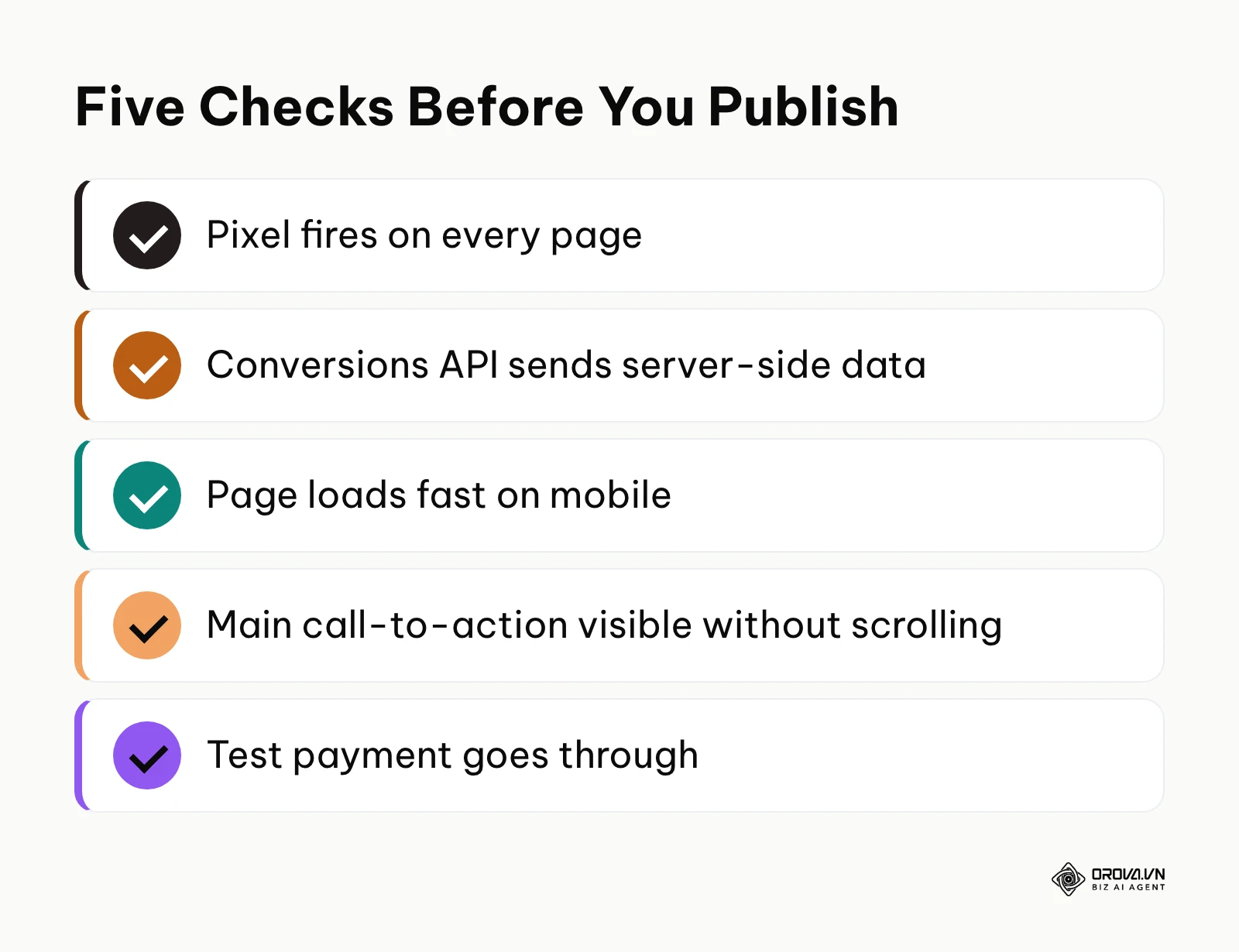
Illustrative example: A local e-commerce store selling artisanal coffee was trying to scale their Meta advertising. The store owner relied solely on the standard browser pixel for data tracking. When privacy updates rolled out, their tracking broke, leading to a massive drop in reported sales and an algorithm that could not optimize properly. By manually integrating the Conversions API directly from their server, they restored data accuracy. Attributed purchases in their dashboard recovered, and the algorithm had reliable data to optimize toward again.
To prevent burning cash, you must execute this 15-point diagnostic checklist before hitting publish:
- Pixel Installation Verification: Use browser extensions to confirm the tracking code fires on every page.
- Server-Side Tracking Integration: Implement the Conversions API to ensure data survives ad blockers and privacy updates.
- Landing Page Loading Speed: Use testing tools to ensure your site loads in under three seconds on mobile networks.
- Mobile Interface Responsiveness: Manually click through your site on a physical phone to ensure buttons are easily tappable.
- Primary Call-to-Action Visibility: Your main "Buy" or "Submit" button must be visible immediately without requiring the user to scroll.
- UTM Parameter Configuration: Append tracking tags to all URLs so you can identify exactly which ad drove a specific sale in your analytics software.
- Payment Gateway Reliability Testing: Process a live test transaction to guarantee money can actually be collected.
- Daily Budget Limit Validation: Double-check that your daily budget does not accidentally have an extra zero attached to it.
- Geographic Exclusion Zones Setup: Explicitly exclude countries or zip codes where you cannot legally ship or provide service.
- Language Targeting Alignment: Ensure the language setting in the campaign perfectly matches the language of your ad copy and website.
- Audience Overlap Minimization: Check that you are not running two identical campaigns competing against each other in the auction.
- Ad Copy Quality Assurance: Read every headline out loud to catch awkward phrasing and grammatical errors.
- Creative Asset Compliance: Verify that your images and videos match the exact aspect ratio requirements (like 9:16 for Reels) to avoid awkward cropping.
- Automated Stop-Loss Rules Activation: Program the system to automatically pause campaigns if they spend too much without a result.
- Billing Method Funding Verification: Ensure your credit card will not decline, which can instantly halt the machine learning progress.
Execution, Optimization, and the Stop-Loss Framework
Once a campaign is live, the work shifts from creation to analytical observation. Google's guidance for Search campaigns pairs broad match keywords with automated bidding so the system can catch new search queries while aiming at your target cost per acquisition. However, you must pair this automation with a rigid stop-loss framework to protect your downside.
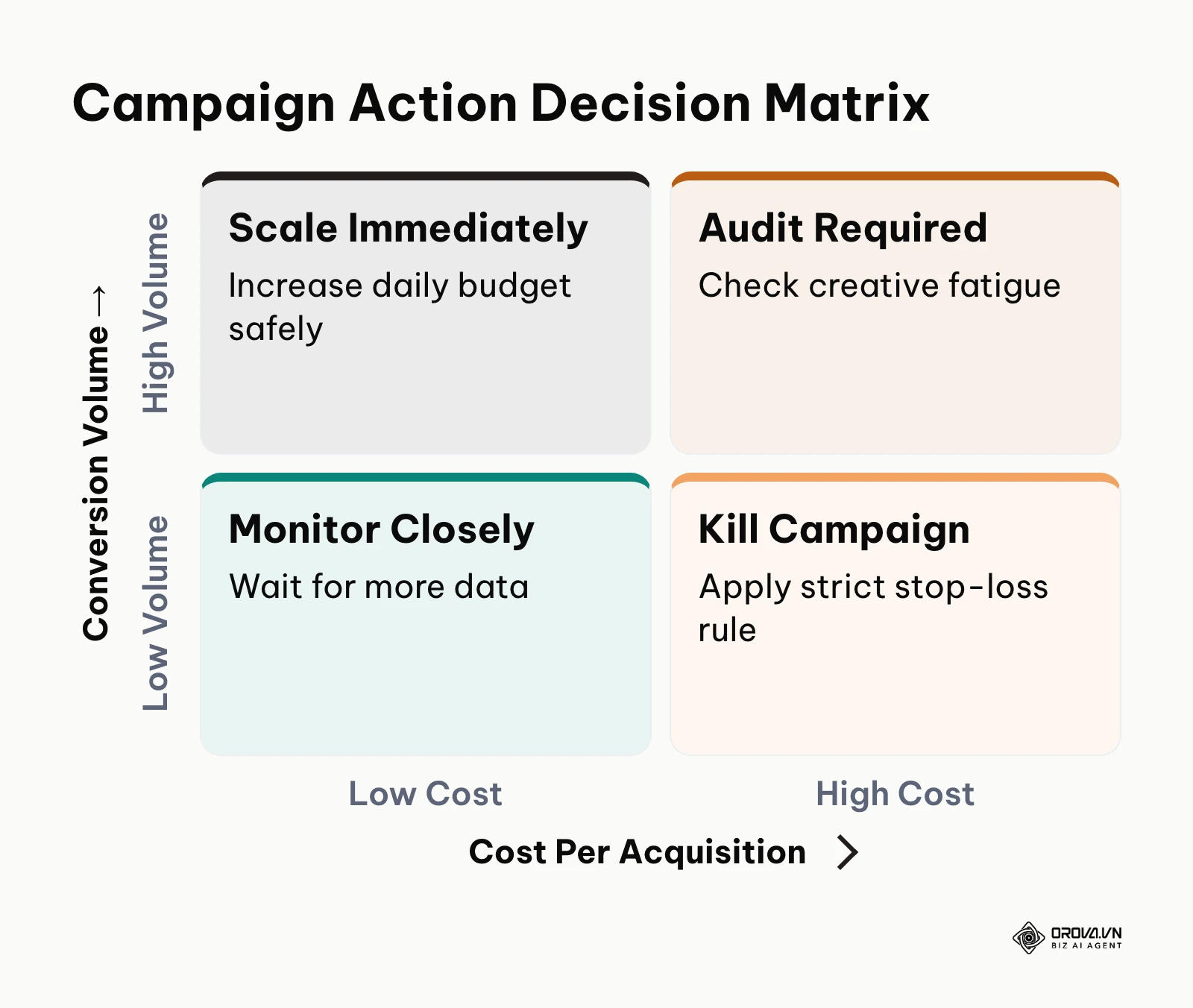
To effectively optimize your search ads, you must establish rules that remove human emotion from the decision process. If you launch a campaign, do not touch it for forty-eight hours to allow data to settle.
After that period, apply this strict mathematical matrix:
- If a specific ad spends three times your target cost per acquisition (CPA) and has zero conversions, you must kill it immediately.
- If the click-through rate is below one percent after three days, the creative is failing to resonate, and you must pivot the imagery.
- If the cost per click is acceptable but the bounce rate on your website is above eighty percent, the ad is writing checks the landing page cannot cash; you must rewrite your headline to set clearer expectations.
| Ad Format | Defining Characteristic | Ideal User Profile |
|---|---|---|
| Search Engine Advertising | Captures users actively looking for a specific solution. | Service businesses and highly specific software products. |
| Social Media Discovery Ads | Pushes visual content to users based on behavioral interests. | E-commerce brands and visually appealing consumer products. |
| Video Entertainment Ads | Blends promotional messaging seamlessly into short-form content. | Brands targeting younger demographics with engaging narratives. |
What to Do to Start and Adapt
Depending on your current role and resources, your immediate next steps will look very different. The strategy that works for a massive corporation will bankrupt a local shop.
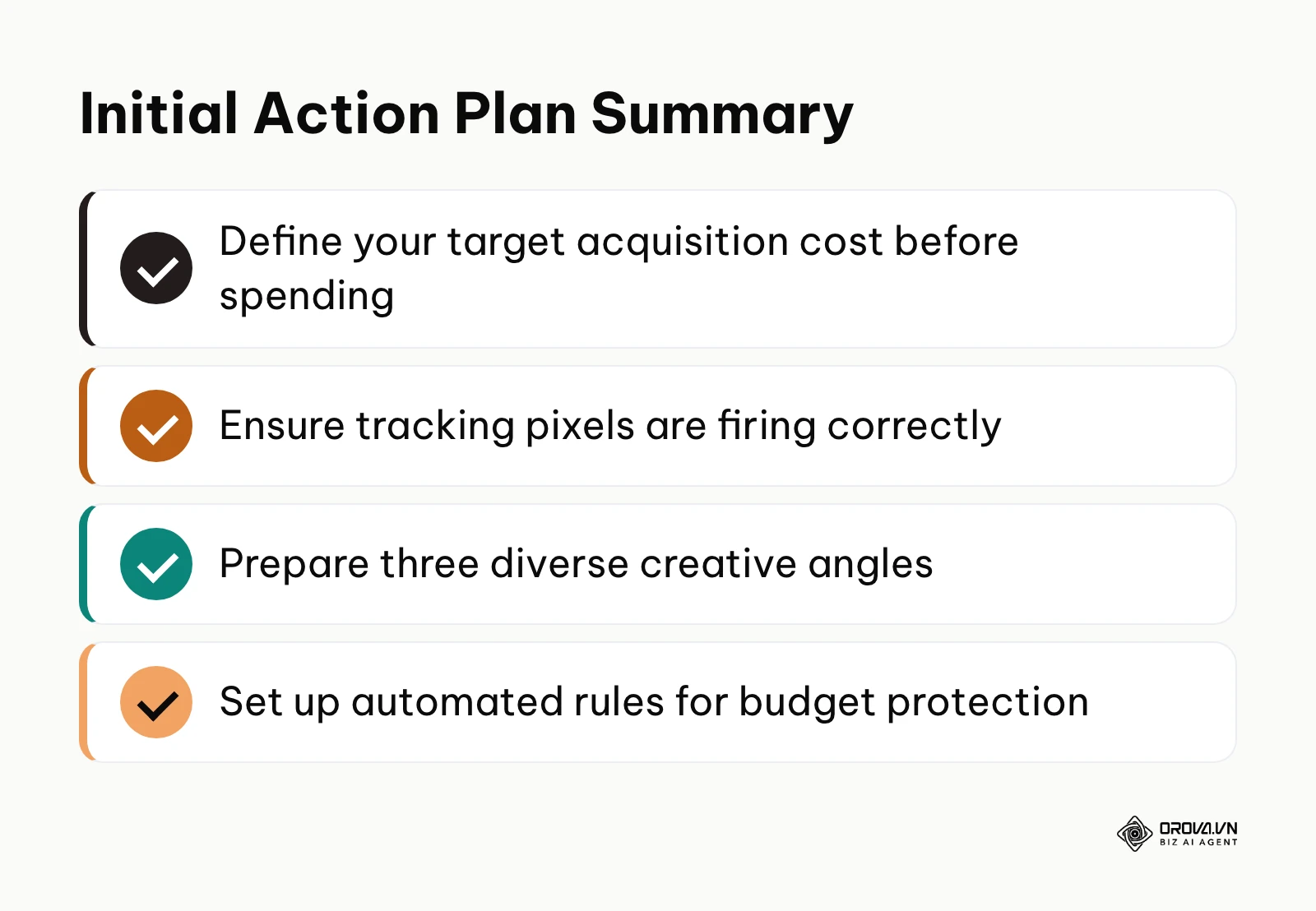
Tactical Steps for Small Business Owners
For those operating with limited capital, the focus must be on survival and aggressive testing without overexposure.
- Define a strict monthly budget that you are entirely comfortable losing, viewing it as the cost of buying market data.
- Focus exclusively on bottom-of-funnel campaigns, targeting people who are ready to purchase today.
- Record raw, authentic video content on your phone; highly polished studio commercials often perform worse than genuine founder stories.
Strategic Priorities for In-House Marketing Teams
If you manage budgets for an established company, your priority is demonstrating clear attribution and scaling winning variables.
- Implement advanced server-side tracking to ensure leadership sees the exact revenue generated by your efforts.
- Develop a rigorous testing pipeline where you introduce three new creative variations every single week.
- Master broad audience targeting strategies to allow the platform's AI to find pockets of buyers you never considered.
Automation Workflows for Agency Media Buyers
For those managing multiple client accounts simultaneously, operational efficiency is the only way to survive.
- Establish global automated rules across all accounts to immediately pause any ad that exceeds the client's strict CPA threshold.
- Build centralized reporting dashboards so clients can check their own numbers without demanding daily email updates.
- Standardize your naming conventions so any team member can look at a campaign and instantly understand its purpose.
| Common Mistake | Direct Consequence | How to Avoid It |
|---|---|---|
| Setting the daily budget too low. | The algorithm never exits the learning phase, wasting money. | Commit to the minimum testing budget formulas outlined previously. |
| Making daily edits to the campaign. | Resets the machine learning process, preventing optimization. | Wait at least forty-eight hours before adjusting any parameters. |
| Ignoring tracking pixel setup. | The platform cannot track sales, leading to blind spending. | Always test the Conversion API before launching any new campaign. |
Want to scale your budget but afraid of breaking performance? 📉
Integrate OROVA ADS now - an AI Agent that automatically monitors and optimizes Google, Meta, TikTok ads 24/7. Now, expanding and replicating your Performance Ads team is just one click away.
🚀 Try it now at: orova.vn/ads
Trends in Digital Advertising: My Perspective for the Next Few Years
As of 2026, the digital advertising landscape is experiencing a massive shift, moving rapidly away from manual manipulation toward complete system automation. Based on the current trajectory of machine learning integration across all major networks, here is how I view the market evolving over the next two to three years.
AI Will Absorb Most Campaign Mechanics
The days of obsessing over granular audience targeting and manual bid adjustments are ending. The signs are already visible with Google's Performance Max and Meta's Advantage+ systems taking control of inventory delivery. I believe media buyers will touch traditional settings far less often. Instead, the role will shift toward business strategy—defining the acceptable cost per acquisition and feeding high-quality first-party data into the AI. You should prepare by mastering data architecture and CRM integrations now, as the platform algorithms will only be as good as the offline conversion data you feed them.
The Consolidation of Cross-Platform Budgets
Historically, brands separated their budgets rigidly into search and social buckets. From my perspective, this siloed approach will collapse. We are seeing platforms blur the lines; search engines are incorporating visual feeds, and social platforms are leaning heavily into search intent. I argue that the future belongs to unified budgeting, where an overarching system autonomously shifts money daily between Google, Meta, and emerging networks based on real-time arbitrage opportunities. This prediction could be wrong if strict data privacy regulations emerge that prevent platforms from accurately assessing cross-channel attribution, forcing advertisers back into fragmented measurement.
Creative Fatigue Will Arrive Much Faster
Because targeting is becoming automated, the only lever left to pull is the creative asset itself. I believe that as AI generation tools flood the market with infinite variations of images and videos, consumer fatigue will speed up. A creative angle that used to last months may wear out in days. Marketers must build rapid production pipelines today, learning how to leverage AI safely to generate hundreds of variations of a core message without losing their brand's authentic voice.
Frequently Asked Questions about Run Ads
Is run ads still needed when we have AI?
Yes, absolutely. While AI can generate content and even automate the bidding process, it still requires a financial engine to distribute that message across premium networks. AI makes the process of buying traffic infinitely more efficient, but you still have to pay the toll to access the audience.
How long does it take for a new campaign to get the first customer?
Assuming your website is fully functional and your offer is competitive, a well-structured campaign often brings its first customer within the first few days. If you spend steadily for a week without a single conversion, there is a fundamental flaw in your targeting, creative, or landing page pricing.
Should I run ads myself, use an AI tool, or hire an agency?
If your monthly budget is still small, you should learn the basics and run it yourself or use a trusted AI automation tool to prevent agency fees from eating your entire margin. Once your budget scales significantly and the complexity of managing multiple networks becomes overwhelming, hiring a specialized agency becomes a mathematically sound investment.
How much money do I need to start running ads for beginners?
You need enough capital to test variables without panic. Generally, you need a steady daily budget you can hold for at least two weeks, large enough for the platform to record a meaningful number of results. Starting with anything less usually starves the algorithm and guarantees failure.
What is the difference between search ads and display ads?
Search ads appear as text links when a user actively types a query into a search engine, capturing high-intent demand. Display ads are visual banners placed across various websites and apps, designed to generate brand awareness and capture attention when the user is simply browsing the internet.
How do I know if my landing page is ready for paid traffic?
Your landing page is ready when it loads instantly, looks perfect on a mobile device, features a highly visible call-to-action above the fold, and clearly explains the specific benefit of your product in the main headline. If you have any hesitation about your checkout process, do not turn the campaigns on.
Where to Start?
Your immediate next action depends entirely on the current state of your business infrastructure. Do not attempt advanced tactics if your foundation is cracked.
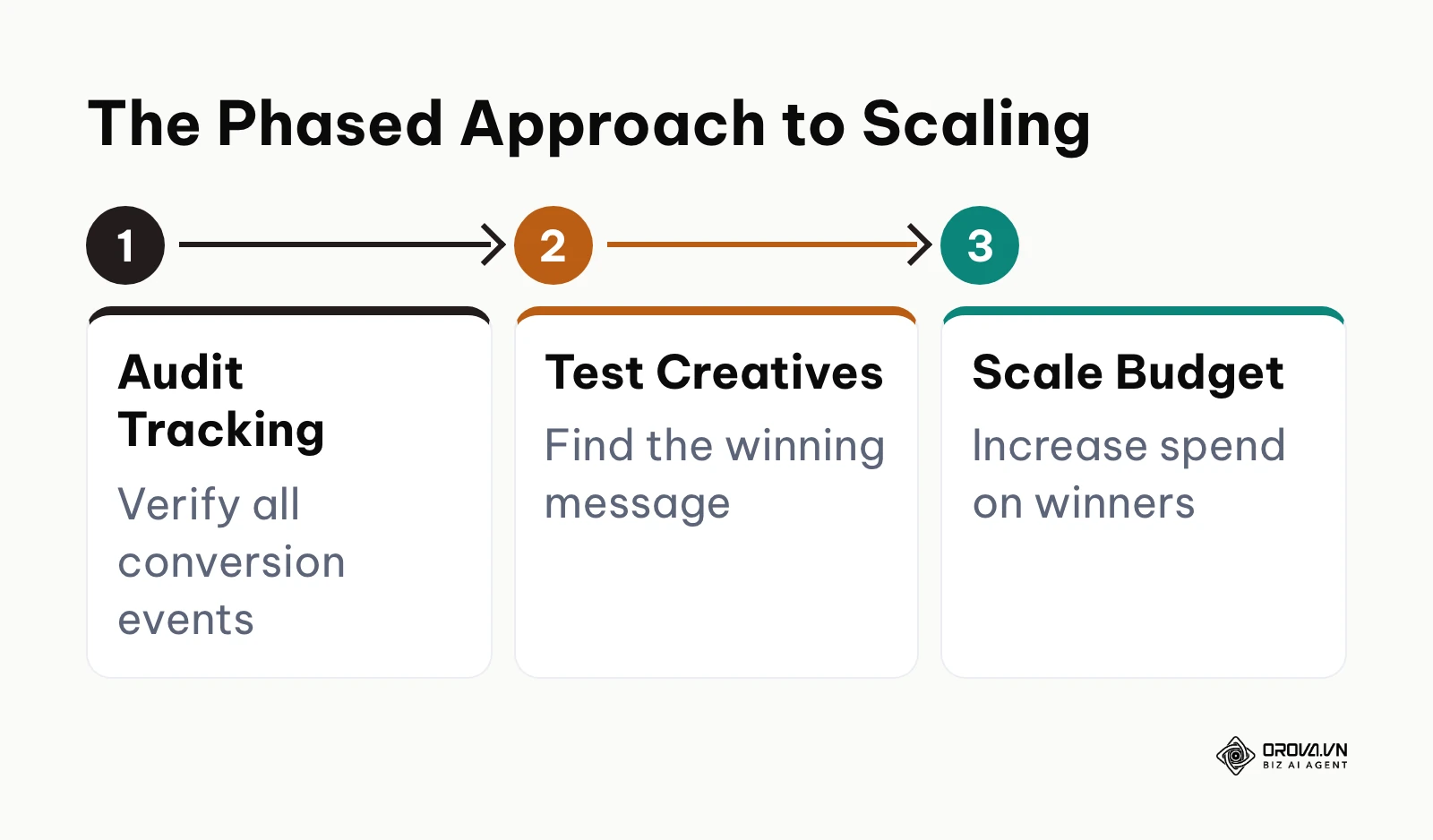
If you are starting from absolute zero, your only task for today is to map out the customer journey on paper. Define exactly who your target audience is, what specific pain point you solve, and what the single, clear action you want them to take on your website will be. Do not open an advertising dashboard until this strategic narrative is entirely clear.
If you have run ads before but your results were fragmented and inconsistent, your immediate step is to implement a centralized tracking system. Spend your next session verifying that your Conversion API is correctly passing data back to the networks. If you are mastering TikTok campaigns alongside Google, you must ensure both platforms are reading from the same source of truth to avoid duplicate reporting.
If you are spending consistently but failing to measure true profitability, you must conduct a deep audit of your current attribution models. Calculate your exact break-even point considering all operational costs, and build a rigid stop-loss matrix that dictates precisely when you will pause a campaign. It is time to run ads with confidence and turn your digital presence into a measurable profit engine.
About the author

Builder of Orova
Nguyễn Đỗ Trọng Ân has 8 years of experience in marketing, including 6 years managing market development across Asia. He builds Orova, a Biz AI Agent that never sleeps: it plans, runs and optimizes work for businesses.
Run your business with AI Agents
Orova is the always-on Biz AI Agent — it plans, runs, and optimizes the work for you.
Save time, unlock productivity.